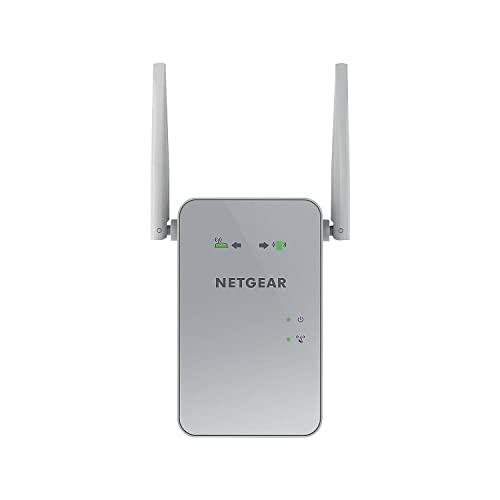
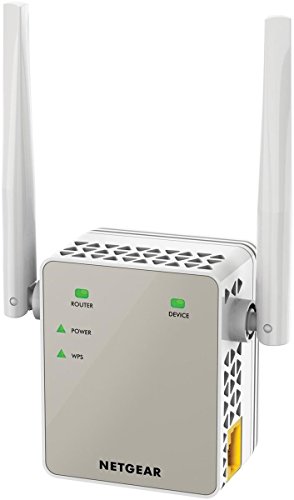
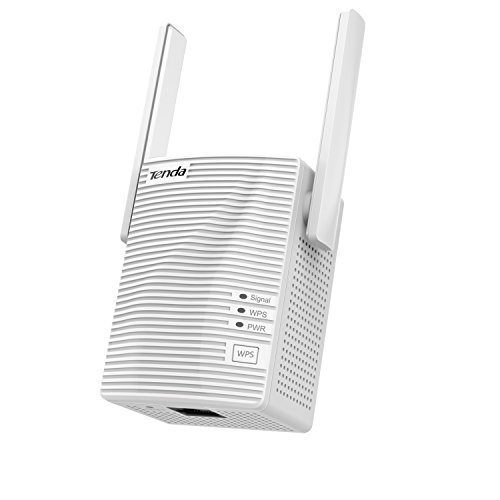
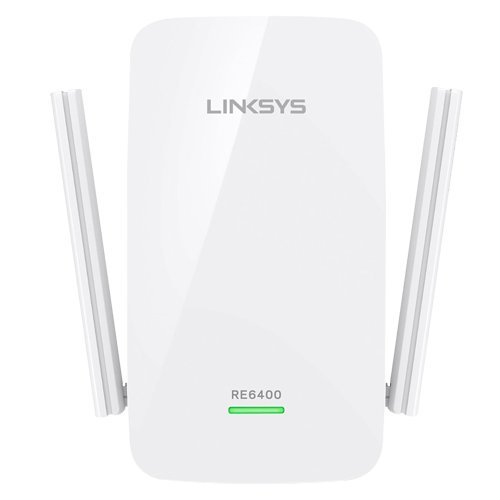
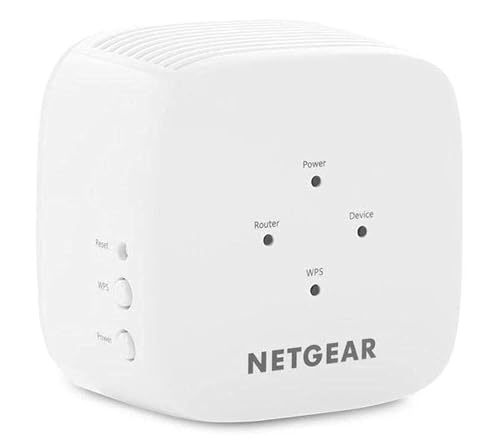
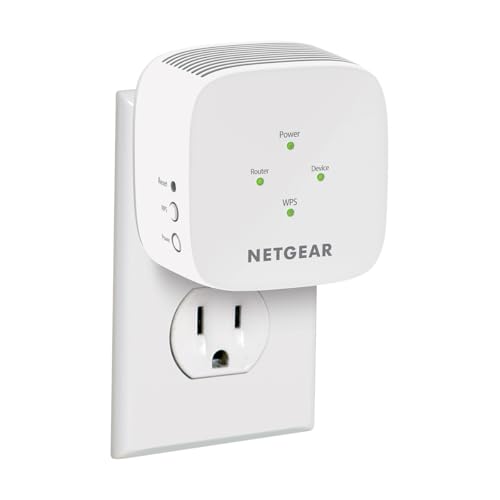
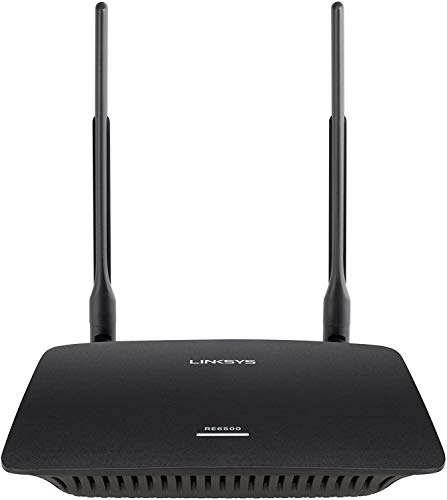
AC1200 on a Wi-Fi extender usually means a combined theoretical class of about 1200 Mbps across the 2.4 GHz and 5 GHz bands.
It does not mean one device will actually get 1200 Mbps in real use. In practice, AC1200 is a mainstream dual-band tier that is usually enough for browsing, video streaming, work calls, and several everyday devices, as long as the extender still has a decent link back to the router.
What matters most is not the AC1200 label alone, but how the extender implements it. Port speed, antenna quality, firmware, and placement can affect the real result more than the headline class number suggests.
How fast are AC1200 Wi-Fi extenders in real use?
AC1200 Wi-Fi extenders usually deliver about 50-300 Mbps in real use, which is enough for everyday streaming, browsing, work calls, and ordinary home internet use. This class is mainly about sensible mainstream performance rather than pushing very fast fibre deep into the house.
The stronger AC1200 models still feel responsive when the link back to the router is clean, but the headroom is limited. If placement is poor or several devices are active at once, real speed drops sooner here than it does on stronger AX-class extenders.
What range can you expect from an AC1200 Wi-Fi extender?
An AC1200 Wi-Fi extender usually adds enough coverage for 1-3 extra rooms or a modest upstairs area. That is the realistic use case for this class, not maximum long-distance reach.
If the extender can be placed where the router signal is still reasonably healthy, AC1200 models can improve coverage quite effectively in a bedroom, home office, or weak room.
If the placement point already has a weak signal, the gain becomes much less convincing because the extender is repeating a poor connection to begin with. The realistic expectation is useful extra coverage, not miracle reach.