Scored using Washing machines Methodology v3.0
Washing machines Methodology v3.0
Mathematical & Unbiased Scoring
Products in this category are scored under Frontum Washing machines Methodology v3.0: the technical score from the specifications is the base, and independent expert and video reviews (up to ±0.5 points), owner opinions (up to ±0.3) and best-of lists (up to +0.3) move it up or down.
Explore Washing machines Methodology v3.0

Daya DSW-71021 review: 101 specs compared

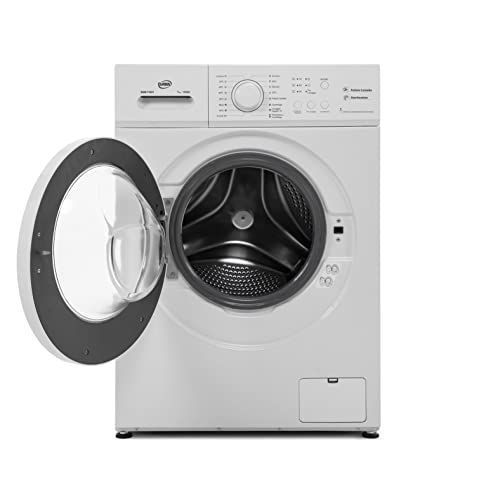
Avg. price:~£250Capacity:7 kgMaximum spin speed:1000 RPMEnergy efficiency class:FType:self-standingLoading type:front-loading

Daya DSW-71021 Review: Compare 101 technical specifications to see how this product ranks in the Washing machines category and whether it is worth buying.
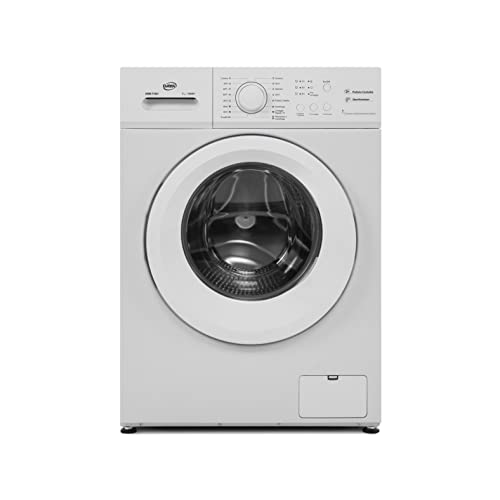
Daya DSW-71021
5.6/10

Overall score

Score
5.6/ 10
✕
What it is
Our main score for this model, 1–10. It combines specs, ratings from across the web and best-of lists.
How we count it
Parts: Technical score 70%, User score 25%, List score 5%
Marks: Each part gets a mark out of 10. For reviews, lists and owners, a typical model in this category gets about 8 and the best one gets 10.
No data yet: A part with no data shows "?". It counts as the mark of a weaker model in this category (4 in 5 models with data score higher). This way, models with reviews, lists and owners usually come out ahead.
Score distribution
▼
<55-66-77-88-99-10
Score components

70%

4.6

Technical score

25%

?

User scoreNot enough data yet, so we use 7.9, the mark of a weaker model in this category

5%

?

List scoreNot enough data yet, so we use 7.5, the mark of a weaker model in this category

▼Worse than 99% of washing machines
6.7

Value for money

Value for money
6.7/ 10
✕
What it is
An indicator that combines the washing machine's overall rating with its cost.
When it matters
When you are looking for a washing machine with a good balance between quality and price.
Score distribution
▼
<55-66-77-88-99-10
Score components

70%

5.6

Overall score

30%

9.2

Price

▼Worse than 93%
4.6

Technical score

Technical score
4.6/ 10
✕
What it is
How good the specs are compared with the other models in this category, 1–10.
How we count it
Areas: We rate the specs in each area against the other models in this category.
Weighting: The areas that matter most to buyers count more. The shares are shown under Score components.
Share: The technical score is 70% of the overall score.
Score distribution
▼
<55-66-77-88-99-10
Score components

25%

5.0

Performance

25%

3.6

Energy efficiency

20%

3.9

Washing programs

20%

5.2

Features

10%

6.5

Design

▼Worse than 99%
?

User score

User score
7.9/ 10
✕
What it is
How happy buyers are with this model, based on ratings from across the web.
How we count it
Enough data: A model needs at least 1 rating from across the web. Without one, it counts as 7.9, the mark of a weaker rated model in this category.
Share: User score counts 25% of the overall score.
Score distribution
▼
<55-66-77-88-99-10
No ratings from across the web yet, so it counts as 7.9, the mark of a weaker rated model in this category.
No ratings from across the web yet
?

List score

List score
7.5/ 10
✕
What it is
How often independent test sites, magazines and video reviewers put this model in their best-of lists for this category.
How we count it
Points: The model in the most lists of this category gets 10; the others get 8 to 10 in proportion. In no list yet: 7.5. Lists count 5% of the overall score.
Enough data: Every list counts, even a single one. With fewer than 5 best-of lists in the category, this part is left out.
Lists with this model (0)
Not in any best-of list yet, so this part counts as 7.5. Models in a list get 8 to 10.
Not in any best-of list yet
  • daya-dsw-71021
  • daya-dsw-71021
  • daya-dsw-71021
  • daya-dsw-71021
  • daya-dsw-71021
  • daya-dsw-71021
  • daya-dsw-71021
  • daya-dsw-71021
  • daya-dsw-71021
  • daya-dsw-71021
  • daya-dsw-71021
  • daya-dsw-71021
daya-dsw-71021
daya-dsw-71021
daya-dsw-71021
daya-dsw-71021
daya-dsw-71021
daya-dsw-71021
daya-dsw-71021
daya-dsw-71021
daya-dsw-71021
daya-dsw-71021
daya-dsw-71021
daya-dsw-71021
Where to buy
    N/A~ £250
Best rankings
Available: ranking among products currently available (including other versions of this product).All: ranking among all products in the database.
Loading...
Loading category ranking...

Technical Specifications of washing machine Daya DSW-71021

Technical score
Technical score
4.6/ 10
✕
What it is
How good the specs are compared with the other models in this category, 1–10.
How we count it
Areas: We rate the specs in each area against the other models in this category.
Weighting: The areas that matter most to buyers count more. The shares are shown under Score components.
Share: The technical score is 70% of the overall score.
Score distribution
▼
<55-66-77-88-99-10
Score components:

25%

5.0

Performance

25%

3.6

Energy efficiency

20%

3.9

Washing programs

20%

5.2

Features

10%

6.5

Design

4.6
Value for money
Value for money
6.7/ 10
✕
What it is
An indicator that combines the washing machine's overall rating with its cost.
When it matters
When you are looking for a washing machine with a good balance between quality and price.
Score distribution
▼
<55-66-77-88-99-10
Score components:

70%

5.6

Overall score

30%

9.2

Price

6.7
Capacity
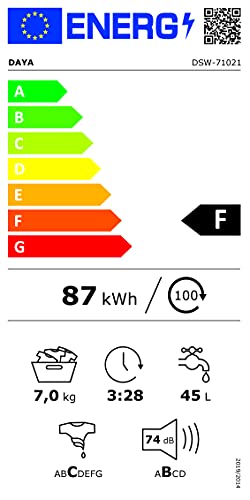
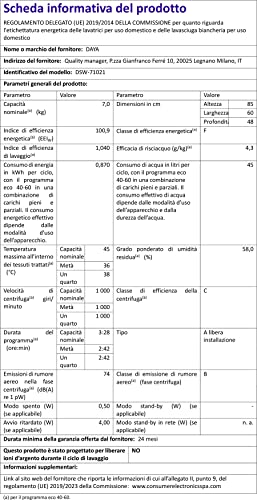
7 kg
This washing machine holds 7 kg, which is less than 73% of washing machines and equal to 16.9% of washing machines.
Drum volume
41 L
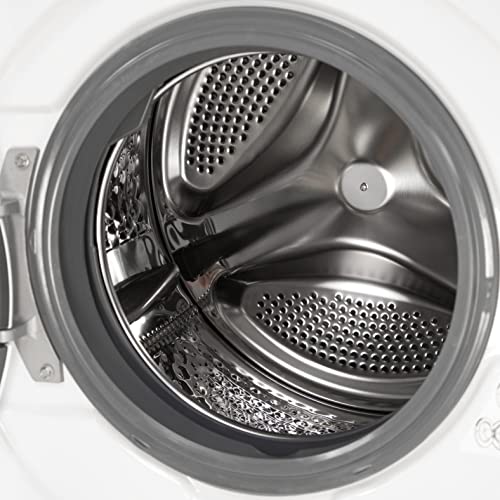
This washing machine has a 41 L drum, which is smaller than 97.5% of washing machines and equal to 0.4% of washing machines.
Spin-drying efficiency class
C
This washing machine has spin-drying class C, which is less efficient than in 90.6% of washing machines and the same as in 8.8% of washing machines.
Maximum spin speed
1,000 RPM
This washing machine spins at 1,000 RPM, which is slower than 94.4% of washing machines and equal to 5.5% of washing machines.
Minimum spin speed
?
Show more
Energy efficiency class
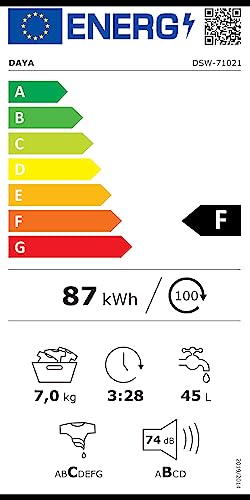
F
This washing machine has energy class F, which is worse than 97.8% of washing machines and the same as 2.1% of washing machines.
Energy consumption per 100 cycles
87 kWh/100 cycles
This washing machine uses 87 kWh/100 cycles, which is higher than 97.6% of washing machines.
Annual energy consumption
191.4 kWh/year
This washing machine uses 191.4 kWh/year, which is higher than 97.5% of washing machines.
Annual energy cost
47.9 £
This washing machine has a yearly running cost of £47.9, which is higher than 97.2% of washing machines.
Water consumption per cycle
45 L
This washing machine uses 45 L of water per cycle, which is lower than 58.7% of washing machines and equal to 9.9% of washing machines.
Show more
N. of washing programs
8
This washing machine offers 8 wash programmes, which is fewer than 97.8% of washing machines and equal to 0.8% of washing machines.
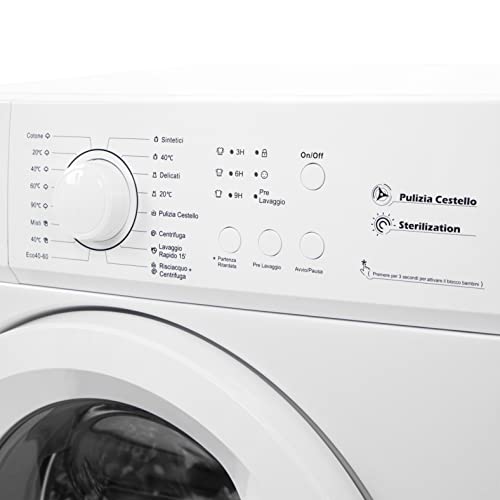
Synthetics, Delicates, Drum Clean, Spin, Quick Wash 15', Spin + Rinse, Mixed, Cotton
N. of downloadable programs
0
This washing machine offers 0 downloadable programmes, which is fewer than 9.1% of washing machines and equal to 90.9% of washing machines.
N. of washing programs under 1 hour
1
This washing machine has 1 programmes under an hour, which is fewer than 57.8% of washing machines and equal to 41.9% of washing machines.
Quick Wash 15'
Fastest cycle duration
15 min
This washing machine has a fastest cycle of 15 min, which is shorter than 24.5% of washing machines and equal to 45.3% of washing machines.
ECO cycle duration
208 min
This washing machine has an ECO cycle of 208 min, which is shorter than 69.9% of washing machines and equal to 8% of washing machines.
Show more
N. of advanced features
5
This washing machine has 5 advanced features, which is fewer than 95.1% of washing machines and equal to 0.9% of washing machines.
Foam control system, Unbalanced load detection, Load balancing system, Self-cleaning function, Smart diagnosis function.
Foam control system
yes
This washing machine features a foam control system. 79.8% of washing machines have a foam control system.
Laundry detection system
no
This washing machine does not have a laundry detection system. 93% of washing machines have this feature.
Unbalanced load detection
yes
This washing machine has unbalanced load detection. 92.5% of washing machines have unbalanced load detection.
Load balancing system
yes
This washing machine features a load balancing system. 46.2% of washing machines have a load balancing system.
Show more
Color
white
This washing machine comes in white, which is more conventional than the colour in 14.2% of washing machines and the same as the colour in 85.8% of washing machines.
Type
self-standing
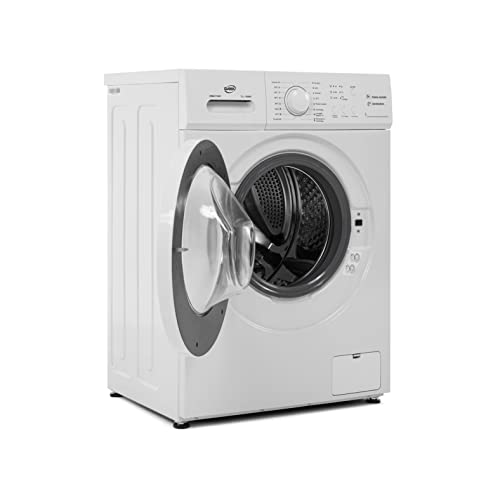
This washing machine is self-standing, which is more flexible to place than the type in 3.2% of washing machines and the same as the type in 96.8% of washing machines.
Loading type
front-loading
This washing machine is front-loading, which is more practical than the design in 8.9% of washing machines and the same as the design in 91.1% of washing machines.
Display
no
This washing machine does not have a display. 96.2% of washing machines have a display.
LCD display
Child lock
yes
This washing machine has a child lock. 99.7% of washing machines have a child lock.
Show more

Daya DSW-71021 vs the average washing machine

246810TotalPerformanceEnergy efficiencyWashing programsFeaturesDesign
  • Has a load balancing system
    This washing machine features a load balancing system, the average washing machine does not. 46.2% of washing machines have this feature.
  • Can self-diagnose its problems
    This washing machine can self-diagnose its problems, the average washing machine cannot. 40.2% of washing machines have this feature.
  • 20.9% lighter
    This washing machine is lighter than the average washing machine (53 kg vs 67 kg). The average washing machine weighs 67 kg.
    53 kg vs 67 kg
  • 8.5 cm shallower
    This washing machine is shallower than the average washing machine (48 cm vs 56.5 cm). The average washing machine is 56.5 cm deep.
    48 cm vs 56.5 cm
  • 12.7% smaller volume
    This washing machine has a smaller volume than the average washing machine (244,800 cm³ vs 280,500 cm³). The average washing machine has a volume of 280,500 cm³.
    244,800 cm³ vs 280,500 cm³
  • 2 L less water per cycle
    This washing machine uses less water per cycle than the average washing machine (45 L vs 47 L). The average washing machine uses 47 L of water per cycle.
    45 L vs 47 L
  • 10 min shorter eco cycle
    This washing machine has a shorter ECO cycle than the average washing machine (208 min vs 218 min). The average washing machine's ECO cycle takes 218 min.
    208 min vs 218 min
  • 64% cheaper
    Daya DSW-71021 is cheaper than the average washing machine (£250 vs £410).
    £250 vs £410
  • 64% cheaper
    Daya DSW-71021 is cheaper than the average washing machine (£250 vs £410).
    £250 vs £410
  • 2 L less water per cycle
    This washing machine uses less water per cycle than the average washing machine (45 L vs 47 L). The average washing machine uses 47 L of water per cycle.
    45 L vs 47 L
  • 10 min shorter eco cycle
    This washing machine has a shorter ECO cycle than the average washing machine (208 min vs 218 min). The average washing machine's ECO cycle takes 218 min.
    208 min vs 218 min
  • Has a load balancing system
    This washing machine features a load balancing system, the average washing machine does not. 46.2% of washing machines have this feature.
  • Can self-diagnose its problems
    This washing machine can self-diagnose its problems, the average washing machine cannot. 40.2% of washing machines have this feature.
  • 20.9% lighter
    This washing machine is lighter than the average washing machine (53 kg vs 67 kg). The average washing machine weighs 67 kg.
    53 kg vs 67 kg
  • 8.5 cm shallower
    This washing machine is shallower than the average washing machine (48 cm vs 56.5 cm). The average washing machine is 56.5 cm deep.
    48 cm vs 56.5 cm
  • 12.7% smaller volume
    This washing machine has a smaller volume than the average washing machine (244,800 cm³ vs 280,500 cm³). The average washing machine has a volume of 280,500 cm³.
    244,800 cm³ vs 280,500 cm³
  • 37 kWh/100 cycles more energy use
    This washing machine uses more electricity than the average washing machine (87 kWh/100 cycles vs 50 kWh/100 cycles). The average washing machine uses 50 kWh/100 cycles.
    87 kWh/100 cycles vs 50 kWh/100 cycles
  • Worse energy grade
    This washing machine has a worse energy class than the average washing machine (F vs A).
    F vs A
  • 7 fewer wash programmes
    This washing machine offers fewer wash programmes than the average washing machine (8 vs 15). The average washing machine offers 15 wash programmes.
    Synthetics, Delicates, Drum Clean, Spin, Quick Wash 15', Spin + Rinse, Mixed, Cotton
    8 vs 15
  • 400 RPM lower spin speed
    This washing machine spins slower than the average washing machine (1,000 RPM vs 1,400 RPM). The average washing machine spins at 1,400 RPM.
    1,000 RPM vs 1,400 RPM
  • No inverter motor
    This washing machine does not have an inverter motor, while the average washing machine does. 82.4% of washing machines offer this.
  • Does not have a steam technology
    This washing machine does not feature a steam technology, the average washing machine does. 67.6% of washing machines feature a steam technology.
  • 7 fewer advanced features
    This washing machine has fewer advanced features than the average washing machine (5 vs 12). The average washing machine has 12 advanced features.
    Foam control system, Unbalanced load detection, Load balancing system, Self-cleaning function, Smart diagnosis function.
    5 vs 12
  • Does not have a special drum design
    This washing machine does not have a special drum design, the average washing machine does. 60.8% of washing machines have a special drum design.
  • 13.9% worse value for money
    Daya DSW-71021 has worse value for money than the average washing machine (6.66 vs 7.6).
    6.66 vs 7.59
  • 400 RPM lower spin speed
    This washing machine spins slower than the average washing machine (1,000 RPM vs 1,400 RPM). The average washing machine spins at 1,400 RPM.
    1,000 RPM vs 1,400 RPM
  • No inverter motor
    This washing machine does not have an inverter motor, while the average washing machine does. 82.4% of washing machines offer this.
  • 17 L less drum space
    This washing machine has a smaller drum than the average washing machine (41 L vs 58 L). The average washing machine has a drum of 58 L.
    41 L vs 58 L
  • Less efficient spin drying
    This washing machine dries less efficiently than the average washing machine (C vs B).
    C vs B
  • 1 kg less capacity
    This washing machine holds less laundry than the average washing machine (7 kg vs 8 kg). The average washing machine holds 8 kg.
    7 kg vs 8 kg
  • Does not offer spin speed selection
    This washing machine does not offer spin speed selection, the average washing machine does. 98.9% of washing machines have this feature.
  • 37 kWh/100 cycles more energy use
    This washing machine uses more electricity than the average washing machine (87 kWh/100 cycles vs 50 kWh/100 cycles). The average washing machine uses 50 kWh/100 cycles.
    87 kWh/100 cycles vs 50 kWh/100 cycles
  • Worse energy grade
    This washing machine has a worse energy class than the average washing machine (F vs A).
    F vs A
  • 72.3% higher energy use
    This washing machine uses more energy than the average washing machine (191.4 kWh/year vs 111.1 kWh/year). The average washing machine uses 111.1 kWh/year.
    191.4 kWh/year vs 111.1 kWh/year
  • 19.8 £ higher yearly running cost
    This washing machine costs more to run than the average washing machine (47.9 £ vs 28.1 £). The average washing machine has a yearly running cost of 28.1 £.
    47.9 £ vs 28.1 £
  • 7 fewer wash programmes
    This washing machine offers fewer wash programmes than the average washing machine (8 vs 15). The average washing machine offers 15 wash programmes.
    Synthetics, Delicates, Drum Clean, Spin, Quick Wash 15', Spin + Rinse, Mixed, Cotton
    8 vs 15
  • Does not have a steam technology
    This washing machine does not feature a steam technology, the average washing machine does. 67.6% of washing machines feature a steam technology.
  • Does not have a fast function
    This washing machine does not have a fast function, the average washing machine does. 60% of washing machines have a fast function.
  • Does not have an anti-crease feature
    This washing machine does not have an anti-crease function, the average washing machine has. 68.1% of washing machines include an anti-crease function.
  • Does not have an anti-stain cycle
    This washing machine does not have an anti-stain cycle, the average washing machine does. 69.7% of washing machines have an anti-stain cycle.
  • Does not have an extra-rinse function
    This washing machine does not have a special extra-rinse function, the average washing machine does. 86.2% of washing machines feature such function.
  • 2 fewer temperature settings
    This washing machine offers fewer temperature settings than the average washing machine (4 vs 6). The average washing machine offers 6 temperature settings.
    20°, 40°, 60°, 90°
    4 vs 6
  • Does not have a duvet cycle
    This washing machine does not have a duvet cycle, the average washing machine does. 54.7% of washing machines have a duvet cycle.
  • 1 fewer quick programmes
    This washing machine offers fewer quick programmes than the average washing machine (1 vs 2). The average washing machine has 2 programmes under an hour.
    Quick Wash 15'
    1 vs 2
  • Does not have an allergen cycle
    This washing machine does not have an allergen cycle, the average washing machine does not have. 65.1% of washing machines have an allergen cycle.
  • Does not have a hygiene cycle
    This washing machine does not have a hygiene cycle, the average washing machine does. 66.4% of washing machines have a hygiene cycle.
  • Does not have an outdoor/sport cycle
    This washing machine does not have a special cycle for outdoor/sport clothes, while the average washing machine does. 72.3% of washing machines have such a cycle.
  • Does not have a wool cycle
    This washing machine does not have a wool cycle, the average washing machine does not have. 96.4% of washing machines have a wool cycle.
  • Does not have a cold wash setting
    This washing machine does not provide a cold wash option, which the average washing machine has. 94.9% of washing machines include a cold wash option.
  • 7 fewer advanced features
    This washing machine has fewer advanced features than the average washing machine (5 vs 12). The average washing machine has 12 advanced features.
    Foam control system, Unbalanced load detection, Load balancing system, Self-cleaning function, Smart diagnosis function.
    5 vs 12
  • Does not have a laundry detection system
    This washing machine does not have a laundry detection system, the average washing machine does. 93% of washing machines have a laundry detection system.
  • 6 h shorter maximum delay
    This washing machine can delay its start for less time than the average washing machine (18 h vs 24 h). The average washing machine can delay its start by up to 24 h.
    18 h vs 24 h
  • No overflow protection
    This washing machine lacks overflow protection, while the average washing machine includes it. 85.2% of washing machines come with overflow protection.
  • Does not have a pause-and-add feature
    This washing machine does not have a Pause & Add feature, the average washing machine does. 89.6% of washing machines have a Pause & Add feature.
  • Does not have a time remaining indicator
    This washing machine does not have a time remaining indicator, the average washing machine does. 94.8% of washing machines have a time remaining indicator.
  • Does not have a special drum design
    This washing machine does not have a special drum design, the average washing machine does. 60.8% of washing machines have a special drum design.
  • Does not have a display
    This washing machine does not have a display, the average washing machine does. 96.2% of washing machines have a display.
    LCD display
  • 0.2 cm wider
    This washing machine is wider than the average washing machine (60 cm vs 59.8 cm). The average washing machine is 59.8 cm wide.
    60 cm vs 59.8 cm

Third-party reviews

What customers like about Daya DSW-71021

  • A 48 cm depth suits a narrow laundry space.
  • The 53 kg weight keeps the machine steady during the spin.
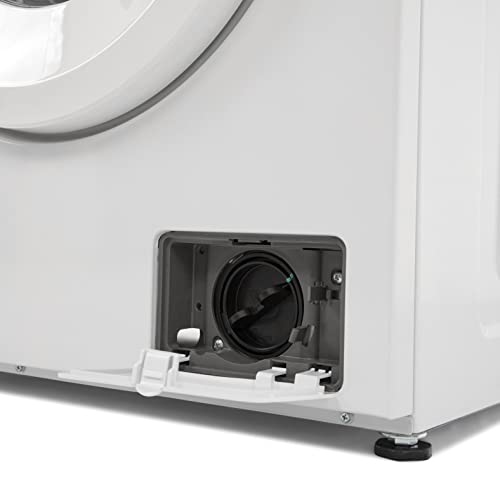
  • The self-cleaning function helps keep the drum fresh.
  • The load balancing system helps the drum spin evenly.
  • The foam control system copes with extra suds.
  • The pre-wash cycle is useful for dirtier loads.

What customers don't like about Daya DSW-71021

  • Energy class F and 87 kWh per 100 cycles mean high running costs.
  • The 1000 rpm spin is slow, so clothes come out damper.
  • Only 8 programs and 4 temperature settings give little choice.
  • No inverter motor and no steam function.
  • No display or time remaining indicator to check progress.

Verdict

Presenting a practical laundry solution for budget-aware homes, the Daya DSW-71021 emphasizes straightforward mechanical reliability and fuss-free operation. Its forty-one-liter front-loading drum handles seven kilograms of clothing, supported by a 1000 revolutions per minute spin cycle that effectively extracts moisture across standard fabric types. Eight core washing programs cover fundamental domestic needs, featuring a delicate wash, an intensive pre-wash cycle, and an expedient fifteen-minute express option suited for lightly worn garments. Four distinct temperature levels allow users to adapt washing intensity according to garment soil without navigating complicated digital submenus. The machine incorporates essential protection systems, including automatic load balancing, active foam suppression, and an internal drum sterilization mode to sustain hygiene. Enhanced by a delay start function extending up to eighteen hours, this robust appliance delivers honest cleaning competence with minimal maintenance demands.

Compare Daya DSW-71021 with other washing machines

1Product to compare no. 1
VS
2Product to compare no. 2
VS
3Product to compare no. 3 (optional)

Graphic comparison of Daya DSW-71021 and other washing machines

No results found