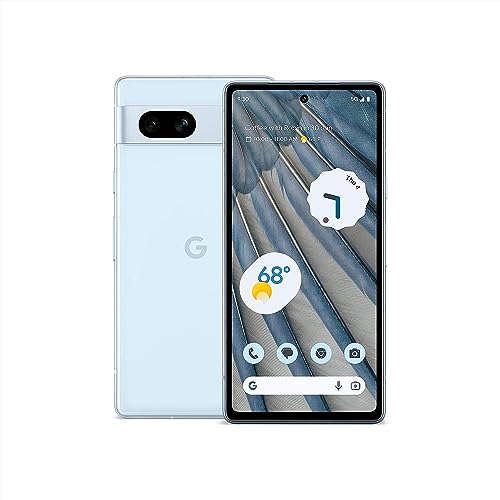
Google Pixel 7a (8GB + 128GB) review. Compare 197 technical specifications and user reviews to see how this product ranks in the Smartphones category and whether it is worth buying.
Overall score
What it is: An overall evaluation of the smartphone's quality, based on technical analyses and user reviews.
When it matters: When you need a quick reference to identify the best smartphones on the market.
Score components:
90.0%
Technical Score
10.0%
User score
Technical Score
What it is: An assessment of the smartphone's technical performance, covering eight key areas: performance & hardware, software, camera, connectivity, display, battery, audio, and design.
When it matters: When you want to compare smartphones based on technical performance and available features.
Score components:
25.0%
Performance & Hardware
18.0%
Camera
15.0%
Display
15.0%
Battery
10.0%
Software
10.0%
Connectivity
4.0%
Audio
3.0%
Design
User score
What it is: A rating that combines user reviews and the total number of reviews received by the smartphone
When it matters: When you want to know how a smartphone handles daily tasks and how reliable it remains over time according to user feedback.
Score components:
70.0%
User reviews
30.0%
Popularity







Available: ranking among products currently available (including other versions of this product).
All: ranking among all products in the database.
#19 in Best Google Phones
#28 in Best Compact Smartphones
#32 in Best 6-Inch Smartphones
#123 in Best Smartphones Under £250
#198 in Best Smartphones Under £300
#296 in Best Smartphones Under £400
#351 in Best Smartphones Under £500
#439 in Best Value Smartphones
#494 in Best Android Smartphones
#502 in Best 5G Smartphones
#504 in Best NFC Smartphones
#529 in Best AI Smartphones
#530 in Best Smartphones
#768 in Best Battery Life Smartphones
What it is: An assessment of the smartphone's technical performance, covering eight key areas: performance & hardware, software, camera, connectivity, display, battery, audio, and design.
When it matters: When you want to compare smartphones based on technical performance and available features.
Score components:
25.0%
Performance & Hardware
18.0%
Camera
15.0%
Display
15.0%
Battery
10.0%
Software
10.0%
Connectivity
4.0%
Audio
3.0%
Design
What it is: A rating that combines user reviews and the total number of reviews received by the smartphone
When it matters: When you want to know how a smartphone handles daily tasks and how reliable it remains over time according to user feedback.
Score components:
70.0%
User reviews
30.0%
Popularity
What it is: An indicator that combines the smartphone's overall rating with its cost.
When it matters: When you are looking for a smartphone with a good balance between quality and price.
Score components:
60.0%
Overall score
40.0%
Price
Importance: LOW
Importance: HIGH
Importance: HIGH
Good value: >12 GB
Importance: MEDIUM
Good value: >256 GB
Importance: MEDIUM
Good value: >3.2 GHz
Importance: LOW
Importance: MEDIUM
Good value: >1500
Importance: LOW
Good value: >4000
Importance: LOW
Good value: 8+
Importance: LOW
Importance: LOW
Good value: >950 MHz
Importance: LOW
Good value: >700
Importance: LOW
Good value: >1000
Importance: LOW
Good value: >2500
Importance: MEDIUM
Good value: >6000
Importance: LOW
Good value: >8000
Importance: MEDIUM
Good value: >12000
Importance: LOW
Good value: >5000
Importance: LOW
Good value: >1800
Importance: LOW
Good value: >3200 MHz
Importance: LOW
Good value: 5
Importance: LOW
Good value: > 50 GB/s
Importance: LOW
Good value: 4
Importance: LOW
Good value: >16 GB
Importance: MEDIUM
Good value: <6 nm
Importance: MEDIUM
Good value: >9 W
Importance: LOW
Importance: LOW
Good value: >8192 KB
Importance: LOW
Good value: >2048 KB
Importance: LOW
Good value: >512 KB
Importance: LOW
Good value: >100000 million
Importance: LOW
Good value: 3.3
Importance: LOW
Good value: 3.2
Importance: LOW
Good value: 2.0/3.0
Importance: LOW
Importance: LOW
Importance: LOW
Importance: MEDIUM
Importance: LOW
Importance: LOW
Importance: LOW
Importance: LOW
Importance: LOW
Importance: LOW
Importance: LOW
Importance: LOW
Importance: LOW
Importance: LOW
Importance: LOW
Importance: LOW
Importance: LOW
Importance: LOW
Importance: LOW
Importance: LOW
Importance: LOW
Importance: LOW
Importance: LOW
Importance: LOW
Importance: LOW
Importance: LOW
Importance: LOW
Importance: LOW
Importance: LOW
Importance: LOW
Importance: LOW
Importance: LOW
Importance: LOW
Importance: LOW
Importance: LOW
Importance: LOW
Importance: LOW
Importance: MEDIUM
Good value: >50 MP
Importance: MEDIUM
Importance: HIGH
Good value: >60
Importance: LOW
Good value: ≥1.2 µm
Importance: MEDIUM
Good value: >2.5x
Importance: MEDIUM
Importance: LOW
Importance: LOW
Importance: LOW
Importance: LOW
Good value: ≥2
Importance: LOW
Importance: LOW
Importance: LOW
Importance: LOW
Good value: >16 MP
Importance: LOW
Importance: LOW
Importance: LOW
Importance: LOW
Importance: MEDIUM
Importance: LOW
Importance: LOW
Importance: LOW
Importance: LOW
Importance: LOW
Importance: LOW
Importance: LOW
Importance: LOW
Importance: LOW
Importance: LOW
Importance: LOW
Importance: LOW
Importance: LOW
Importance: LOW
Importance: LOW
Importance: LOW
Importance: LOW
Importance: LOW
Importance: LOW
Importance: LOW
Importance: LOW
Good value: >130
Importance: LOW
Good value: >120
Importance: LOW
Good value: ≥2
Importance: LOW
Importance: LOW
Importance: LOW
Importance: LOW
Importance: LOW
Importance: LOW
Good value: >5.2
Importance: LOW
Importance: LOW
Importance: LOW
Importance: LOW
Good value: 3.1/3.2
Importance: LOW
Importance: LOW
Importance: LOW
Good value: ≥2
Importance: LOW
Importance: LOW
Importance: LOW
Importance: LOW
Importance: LOW
Importance: LOW
Importance: LOW
Importance: LOW
Importance: LOW
Importance: LOW
Importance: LOW
Importance: LOW
Importance: LOW
Importance: LOW
Importance: LOW
Importance: LOW
Good value: ≥6.6 inches
Importance: MEDIUM
Importance: LOW
Good value: >400 ppi
Importance: MEDIUM
Importance: MEDIUM
Good value: ≥120 Hz
Importance: LOW
Importance: LOW
Good value: >300 Hz
Importance: LOW
Good value: >800 nits
Importance: LOW
Good value: >1300 nits
Importance: LOW
Good value: >1000 nits
Importance: LOW
Importance: LOW
Importance: LOW
Importance: LOW
Importance: LOW
Importance: LOW
Importance: LOW
Importance: LOW
Importance: HIGH
Good value: >5000 mAh
Importance: MEDIUM
Good value: >60 W
Importance: LOW
Importance: LOW
Good value: <45 min
Importance: LOW
Importance: LOW
Good value: >40 W
Importance: LOW
Importance: LOW
Good value: >10 W
Importance: LOW
Importance: LOW
Importance: MEDIUM
Importance: LOW
Good value: >800
Importance: LOW
Importance: LOW
Importance: LOW
Importance: LOW
Importance: LOW
Good value: ≥3
Importance: LOW
Importance: LOW
Importance: LOW
Importance: LOW
Importance: LOW
Importance: LOW
Importance: LOW
Good value: <162 mm
Importance: LOW
Good value: <75 mm
Importance: LOW
Good value: <8 mm
Importance: LOW
Good value: <190 g
Importance: LOW
Good value: <98cm³
Importance: LOW
Importance: LOW
Importance: LOW
Importance: LOW
Importance: LOW
Importance: LOW
Good value: ≥1.5 m
Importance: LOW
Importance: LOW
Good value: >8
Importance: LOW
Importance: LOW
Importance: MEDIUM
Importance: LOW
Importance: LOW
Importance: LOW
Good value: >2048 KB
Importance: MEDIUM
Good value: <6 nm
Importance: LOW
Good value: 5
Importance: LOW
Importance: MEDIUM
Good value: >50 MP
Importance: MEDIUM
Importance: MEDIUM
Good value: ≥120 Hz
Importance: MEDIUM
Importance: MEDIUM
Good value: >256 GB
Importance: LOW
Good value: ≥6.6 inches
Importance: LOW
Importance: LOW
Importance: LOW
(Reviews last updated: August 2026)
The Google Pixel 7a is a highly capable mid-range smartphone that mirrors about 90% of the high-end experience of the flagship Pixel 7 at a lower price point. It features a 6.1-inch 90Hz OLED screen, providing smooth scrolling and a bright display in a pocket-friendly size. Under the hood, it is powered by Google’s top-tier Tensor G2 chip with 8GB of RAM, making it faster and more powerful than most mid-range competitors. For security, it introduces a dual-authentication system using both face unlock and a fingerprint scanner. The phone's standout feature is its class-leading camera system, which includes a new 64MP main sensor and a 13MP ultrawide lens. It delivers well-exposed, detailed images and excellent portraits, even in dim lighting, while adding fun software features like long-exposure and fast low-light modes. Additional pros include wireless charging, an IP67 water resistance rating, and a commitment to five years of security updates, ensuring longevity for the user. However, the review notes several cons, such as the lack of an optical zoom or macro mode, meaning image quality degrades significantly beyond 3x digital...
The Google Pixel 7A remains a strong mid-range contender three months after its release, primarily due to its sleek design and high-quality cameras. The reviewer praises its 6.1-inch size for being the "perfect balance" between portability and screen space, noting that the minimalist aesthetic and "snow" white model have held up well over time. Additionally, Google’s commitment to frequent "Feature Drops"—which recently added cinematic wallpapers and enhanced safety features—keeps the device feeling fresh and relevant through software-based innovation. However, the device is not without its drawbacks, particularly regarding the display and specialized photography. The screen is noted to be too dim for comfortable outdoor use, even on overcast days, requiring the brightness to be pushed to its maximum. While the 64-megapixel main camera captures impressive detail and contrast in most settings, it reportedly struggles with sharpness and clarity when photographing groups of people in low-light environments, often resulting in blurry subjects. In terms of performance, the battery life is described as adequate but unremarkable, typically lasting a full work day with around 46% to 56% remaining by bedtime. While it...
The Google Pixel 7a is presented as a strong midrange contender, offering flagship features like the Tensor G2 chip, 8GB of RAM, and a 90Hz OLED display, along with a 64MP main camera capable of impressive low-light photos. It also introduces wireless charging and Face Unlock to the A-series, supported by five years of security updates. However, the device features a less premium plastic back and thicker bezels, and suffers from slow charging speeds.
In a review, the Google Pixel 7a is described as bringing flagship performance, including the Tensor G2 chip and advanced AI photo features, to a more affordable price point with a sleek design and impressive 64MP camera. However, compromises include "so-so" battery life, an older Gorilla Glass 3 screen, a slippery plastic back, and limited zoom quality. Despite running warm during intensive tasks and lacking premium durability, the Pixel 7a is recommended for those prioritizing a simple Android experience, top-tier photography, IP67 water resistance, and wireless charging.
Laptop Mag describes the Google Pixel 7a as a "budget beast" with a 6.1-inch 90Hz OLED display that outperforms the standard Pixel 7 and a 64MP main camera sensor. It features the Tensor G2 chip, 8GB of RAM, and introduces wireless charging to the A-series, along with a battery life of over 10 hours. Drawbacks include "serviceable but nothing special" stereo speakers, underwhelming benchmark performance compared to rivals, and 18W wired charging.
According to Mashable, the Google Pixel 7a, priced at $500, offers flagship-level performance with the same Tensor G2 chip as more expensive models and features a 90Hz refresh rate. Pros include a 64MP main camera with software features like Night Sight and excellent battery life lasting over 24 hours. However, a notable con is the "janky" 8x digital zoom, and the review suggests the Pixel 7 Pro for those prioritizing telephoto photography.
The Google Pixel 7a significantly upgrades the A-series with a Tensor G2 chip, 8GB of RAM, a 90Hz display, and wireless charging, but also increases the price to $500. While its camera system is "class-leading" with a new 64MP sensor and strong image stabilization, and the software offers a clean Android experience with AI features and five years of updates, the device suffers from performance and hardware drawbacks. The Tensor G2 chip frequently runs hot, battery life is described as subpar, and wired and wireless charging speeds are slow.
PCMag rates the Google Pixel 7a as a top midrange Android phone due to its flagship-level performance from the Tensor G2 chip and unique AI features like Magic Eraser and Photo Unblur. The device includes significant upgrades such as a 90Hz OLED display, wireless charging, and a new 64MP main camera sensor providing excellent photo quality. Despite its strengths, the Pixel 7a has drawbacks including slow 18W wired charging, an occasionally unresponsive fingerprint reader, and no charging adapter in the box.
IGN's review describes the Google Pixel 7a as a high-value mid-range phone powered by the Tensor G2 chip and featuring a new 64MP main camera, 90Hz OLED display, and wireless charging. However, the phone has slower charging speeds (18W wired, 7.5W wireless) and uses cheaper materials like a plastic back. IGN concludes that the Pixel 7a's primary drawback is its price frequently overlapping with the superior Pixel 7, making it a "tough sell" unless heavily discounted.
The Tom’s Guide review positions the Pixel 7a as a premier, sub-$500 mid-range device featuring a 90Hz OLED display (931 nits) and the powerful Tensor G2 chip, which enables advanced AI features like Photo Unblur. Key pros include the addition of wireless charging and an upgraded 64MP main camera, though it is noted that photo processing can sometimes produce darker, less vibrant images compared to competitors. Despite these strengths, the device has a few cons, including disappointing battery life that requires lowering the screen refresh rate for better endurance, slow 18W/5W charging, and a, at times, inconsistent fingerprint sensor. Tom'
The Verge review describes the Google Pixel 7a as potentially the best midrange Android phone despite a $50 price increase over its predecessor, bridging the gap between budget and flagship devices with the Tensor G2 chip and wireless charging. Pros include a 90Hz refresh rate screen, a 64MP main camera sensor, and flagship-level performance from the Tensor G2, while cons involve thick bezels, average battery life with slow 18W wired charging, and occasional "crunchy" portrait mode at 2x zoom. Ultimately, the review suggests the Pixel 7a's value, clean software, capable camera, and face unlock make it the new standard for affordable smartphones.
The Google Pixel 7a is identified by PhoneArena as a premium mid-range device featuring the Tensor G2 chipset, a 90Hz OLED display, and excellent camera capabilities. Key pros include a strong 64MP main sensor, rapid performance, and the addition of wireless charging. Conversely, significant cons involve slow 18W wired charging, no telephoto lens, and a plastic design.
The Google Pixel 7a delivers high-tier performance with the Tensor G2 chip, a 90Hz display, and a 64MP camera system, offering a near-flagship experience in a mid-range package. Key pros include excellent AI-driven photo features (Magic Eraser, Photo Unblur), wireless charging, and an IP67 rating, making it a competitive, well-rounded device. However, cons include a plastic back, slower charging speeds, and a slightly lower IP67 water resistance rating compared to the standard Pixel 7. The primary drawback is that frequent discounts on the superior Pixel 7 often make the 7a a less compelling choice at its full retail price.
The MobileSyrup review positions the Pixel 7a as a $599 CAD "mini-flagship," highlighting the addition of a 90Hz refresh rate, Tensor G2 chip, 8GB of RAM, and wireless charging. Camera capabilities are a significant upgrade, utilizing a 64MP sensor for enhanced detail and advanced modes. Cons include slow 18W wired charging, a plastic back, and a 128GB storage limit.
The Pocket-lint review positions the Google Pixel 7a as a premium mid-range contender, nearly matching the standard Pixel 7 by featuring a 90Hz OLED display, the Tensor G2 chip, and improved, robust build quality. Key advantages highlighted include a stellar 64MP main camera capable of excellent low-light performance and the, now standard, inclusion of wireless charging. Limitations noted in the review include slow 18W wired charging, only single-day battery life, and thicker display bezels compared to flagship models.
The Google Pixel 7a is identified as an excellent mid-range smartphone that offers premium features, such as a 6.1-inch 90Hz OLED display, Tensor G2 chip, and 8GB of RAM. Key pros include a high-resolution 64MP main camera, efficient performance, and added conveniences like wireless charging and an IP67 rating. Conversely, the review notes cons such as slow 18W wired charging, inconsistent wireless charging, and an average battery life. Additionally, the camera lacks a dedicated telephoto lens, and the 90Hz screen lags behind the 120Hz standard seen in newer competitors. Tech Advisor
According to TechRadar, the Google Pixel 7a offers flagship-level performance with the Tensor G2 chip, enhanced by a smoother 90Hz display and standout "class-leading" photo capabilities, including a 64MP main sensor. However, the device suffers from sub-par battery life and slow 18W charging, which are labeled as its weakest points. Due to its high launch price making it nearly competitive with the standard Pixel 7, the review advises waiting for discounts despite its excellent AI features and wireless charging additions.
The Google Pixel 7a is positioned as a high-performance, compact device featuring the Tensor G2 chip, a 90Hz OLED display, and a 64MP main camera. Key advantages include flagship-level processing, impressive low-light photography via "Night Sight," and added functionalities like wireless charging and an IP67 rating. Conversely, limitations highlighted in reviews include slow 18W charging, average battery endurance, lack of a dedicated telephoto lens, and noticeable screen bezels.
The Google Pixel 7a is identified by Alza.at as a high-value mid-range smartphone that delivers flagship-level features, including the Tensor G2 chip, a 90Hz OLED display, and wireless charging, for a lower price point. While the device inherits the premium design and 64MP camera capabilities of the Pixel 7, it faces performance compromises, such as a tendency to run warm and relatively thick screen bezels. Key limitations identified include slow 18W wired charging, only average battery life, and a fingerprint sensor that can be unreliable.
The PC-Welt review highlights the Google Pixel 7a as a high-performance mid-range device, featuring the flagship Tensor G2 chip, AI tools like Magic Eraser, and a 90Hz OLED display. It delivers superior camera quality with a 64MP sensor and introduces convenient features like wireless charging and Face Unlock to the A-series, alongside a clean Android experience. Despite these advancements, the device is limited by relatively slow 18W wired and 7.5W wireless charging speeds. While battery life is considered solid for daily use, it is not best-in-class, and the display features thick, somewhat dated bezels.
IMTEST identifies the Google Pixel 7a as a top-tier mid-range smartphone, highlighting its Tensor G2 chip, 90Hz OLED display, and improved camera system. The 64MP main sensor delivers high-quality, detailed images alongside AI-driven features like Magic Eraser, while the introduction of wireless charging adds premium utility to the series. However, the review notes that battery life is merely average, and charging speeds are limited to 18W, alongside a design featuring thick display bezels.
Benny's review on Caschys Blog positions the Google Pixel 7a as a premium-leaning device, powered by the Tensor G2 chip and 8GB of RAM for fast, everyday performance. Key improvements include a 90Hz OLED display, wireless charging, and a refined design that blends mid-range affordability with high-end, AI-driven camera features like Magic Eraser. While the 64MP main camera is a highlight, the device faces drawbacks including slow 18W charging speeds, a tendency to overheat during intensive tasks, thick display bezels, and an inconsistent fingerprint sensor.
The Google Pixel 7a is a high-quality, compact mid-range smartphone featuring a sturdy metal frame and the powerful Tensor G2 chip. It offers significant upgrades, including a 90Hz OLED display, improved performance, and added wireless charging. While the camera excels, drawbacks include thin-sounding speakers, relatively slow charging speeds, and thick screen bezels.
According to Der Spiegel, the Google Pixel 7a bridges the gap between budget and flagship models by utilizing the powerful Tensor G2 chip and retaining the signature metal camera visor. Key upgrades include a 64-megapixel main camera that performs well in low light, the introduction of 90 Hz display smoothness, and the addition of wireless charging. However, the device features thicker bezels, slower charging speeds, and may produce dull images in diffuse light, while also experiencing heating during intense tasks.
Journal du Geek rates the Pixel 7a as a top mid-range contender, blending a premium, compact design with the powerful Tensor G2 chip, similar to the higher-end Pixel 7. A significant upgrade is the 6.1-inch OLED screen, now featuring a smoother 90Hz refresh rate, along with excellent low-light photography capabilities via the 64MP sensor and Night Sight. Despite these strengths, the review notes that charging speeds are slow and the battery life is only moderate, representing areas for improvement in the a-series lineup.
The Google Pixel 7a offers a premium, compact design with an IP67 rating and a 90Hz OLED display, though it features somewhat thick bezels. Powered by the Tensor G2 chip, it delivers high-end performance for AI tasks and a clean software experience, albeit with potential for the device to run warm during intensive gaming. The camera system is a standout feature, utilizing a new 64MP sensor for exceptional, natural photography and improved low-light performance. However, the device is limited by slow 18W wired charging speeds and a battery that is merely adequate for a full day's use. Pros include excellent camera quality, premium design, and smooth software, while cons consist of slow charging and thick bezels.
The Google Pixel 7a stands out for its exceptional value, featuring the powerful Tensor G2 chip, 8GB of RAM, and a 90Hz OLED display that delivers a premium user experience in the mid-range segment. Its 64-megapixel camera system excels with AI-driven photo features, while the addition of wireless charging and Face Unlock makes it highly competitive against more expensive models. Key drawbacks include slow 18W wired charging, only decent battery life, thick bezels, and a higher price point that brings it closer to the standard Pixel 7.
Capital.fr characterizes the Google Pixel 7a as a premier mid-range device, offering flagship Tensor G2 performance, a 90Hz OLED screen, and polished design at a competitive price point. Key advantages include superior 64MP photography, the addition of wireless charging, and long-term software support. However, the review identifies drawbacks, specifically noting disappointing battery endurance, slow 18W charging speeds, and lack of a dedicated optical zoom lens.
Les Numériques positions the Google Pixel 7a as a premier mid-range smartphone, highlighting its compact design, 6.1-inch 90Hz OLED display, and premium build quality. The device boasts flagship performance driven by the Tensor G2 chip, along with a 64MP main sensor that delivers exceptional photo quality and features like Magic Eraser. Despite these strengths, the review notes the lack of a dedicated telephoto lens and relatively slow 18W wired charging as key limitations.
Frandroid describes the Pixel 7a as a "mini-masterpiece" bridging mid-range affordability with flagship-level features, notably utilizing a 64MP main sensor for professional-grade photography. The device boasts a powerful Tensor G2 chip, a smooth 90Hz OLED display, and, for the first time in the A-series, wireless charging, all within a compact, IP67-rated body. However, the review highlights significant drawbacks, including "abysmally slow" 18W charging, thick display bezels, and a tendency for the Tensor G2 chip to overheat during intensive tasks.
The Google Pixel 7a offers a high-value, compact design featuring a 90 Hz OLED display and the premium Tensor G2 chip, bridging the gap between mid-range and flagship performance. Key strengths include a 64 MP main camera with exceptional Night Sight capabilities, along with a clean software experience featuring exclusive, AI-driven tools. However, the device is limited by slow charging speeds, the lack of an in-box charger, and lower peak screen brightness, with its price point sometimes overlapping with the more capable Pixel 7.
According to the PhonAndroid review, the Pixel 7a is a refined mid-range device featuring a premium design with IP67 water resistance, a 90Hz OLED display, and the Tensor G2 chip, though it lacks a charger in the box. Key pros include exceptional camera performance with a new 64MP sensor and clean software, while cons feature the lack of optical zoom, a plastic back, and underwhelming 18W wired charging. Despite these compromises, the device is considered a high-value option, with battery life lasting a full day for moderate users, though it may not suffice for heavy users.
The Google Pixel 7a is identified as a top-tier mid-range smartphone, offering flagship-level performance via the Tensor G2 chip, a 90Hz OLED display, and a durable design. Key strengths include an excellent 64MP camera, smart software features, and the addition of wireless charging to the A-series. However, the device is limited by slow wired and wireless charging speeds, merely average battery life, and a display that can appear dim in direct sunlight.
The Google Pixel 7a is identified as a "happy medium," offering high-end features like the Tensor G2 chip and robust construction at a lower price point. Key strengths include exceptional photography performance from the 64-megapixel sensor, the addition of wireless charging, and a fluid 90Hz display. While impressive, the device faces limitations, specifically average battery life, slow wireless charging speeds, and a tendency to run warm during intensive tasks. Other noted drawbacks include thick screen bezels, though the phone is considered a strong performer in its class.
L'Éclaireur Fnac's lab review highlights the Google Pixel 7a as a high-value mid-range device featuring a 90 Hz OLED screen with exceptional color accuracy, though it is hindered by a disappointing contrast ratio and a bulky design with noticeable bezels. The device excels in performance by utilizing the same Tensor G2 chip and 8GB of RAM as flagship models, yet it tends to overheat during intensive tasks and lacks a dedicated macro mode. While introducing wireless charging, the phone has a mediocre 12-hour-53-minute battery life and a slow 18W charging speed, accompanied by stereo speakers that lack rich bass. L'É
The 01net review highlights the Google Pixel 7a as a premier mid-range smartphone, offering flagship-level performance via the Tensor G2 chip and a smooth 90Hz display, closely mirroring the standard Pixel 7 experience. Camera capabilities are a major strength, featuring a new 64MP main sensor that delivers exceptional detail, strong Night Sight performance, and, for the first time in the A-series, wireless charging. Despite these strengths, the device faces criticism for slow 18W charging speeds, average battery life, somewhat thick display bezels, and a plastic back construction.
The Google Pixel 7a is identified as a mid-range masterclass featuring the Tensor G2 chip, a 90Hz OLED display, and wireless charging. The camera system is a standout, utilizing a 64MP sensor,, superior Night Sight, and Real Tone technology for high-quality photos. While it offers a premium experience, drawbacks include slow 18W charging, limited battery life, and older Gorilla Glass 3.
The Google Pixel 7a stands out in the mid-range market by incorporating the high-end Tensor G2 chip, a 90Hz OLED display, and, for the first time in the series, wireless charging. While offering robust IP67 water resistance, the device is held back by slow 18W wired charging and a somewhat thick-bezeled design. The camera system, utilizing a 64MP main sensor and advanced computational photography, provides excellent photo quality, including features like Magic Eraser and Night Sight. However, it lacks a dedicated telephoto lens and can experience thermal issues during intensive tasks like 4K recording. Offering a pure,, long-supported Android experience with useful, exclusive, AI-driven software features, the Pixel 7a delivers high value for its price, despite lacking expandable storage and having only moderate battery life.
Revista GQ characterizes the Google Pixel 7a as a near-perfect mid-range smartphone featuring a compact, elegant design with a refined metal camera bar. Key pros include the Tensor G2 chip, 90Hz display, and premium additions like IP67 water resistance and wireless charging. While camera performance is among the best in its category, the review notes cons such as slow 18W charging, no included power adapter, and a relatively weak ultra-wide lens compared to the main sensor. GQ Españ
The Google Pixel 7a, equipped with a 64MP main sensor and Tensor G2 chipset, ranks second in the "High End" price segment, delivering image results close to the standard Pixel 7 with natural color rendering and accurate skin tones. While praised for consistent exposure and high detail in varied lighting, the device lacks a dedicated telephoto lens, resulting in a loss of detail at zoom, and exhibits shallow depth of field in group portraits. Video performance features effective stabilization, though the camera can produce pattern noise, occasional underexposure, and white balance instabilities in bright light.
The Google Pixel 7a is identified as a mid-range, feature-rich smartphone that brings flagship-level Tensor G2 performance, superior AI features like Photo Unblur, and a 90Hz OLED display to a more affordable price point. Key advantages include a new 64-megapixel main camera that offers class-leading image quality, the addition of wireless charging, and IP67 water resistance. While delivering a clean, updated Android experience, the device has notable drawbacks, including slow 18W wired charging, only moderate battery life, and relatively thick display bezels.
Gizmodo's review characterizes the Pixel 7a as a highly capable device that diminishes the value proposition of the standard Pixel 7 by incorporating the Tensor G2 chip, a 90Hz OLED display, and wireless charging. Key advantages include a 64MP main sensor producing near-flagship photo quality, a compact, durable design, and advanced software features. Conversely, limitations highlighted in the review include the lack of storage options beyond 128GB, significantly slower wireless charging compared to the Pixel 7, and a plastic back.
The Google Pixel 7a, a refined mid-range smartphone, features the Tensor G2 chip, a 6.1-inch 90Hz OLED display, and a 64MP main sensor that delivers flagship-level photography with robust night mode and Magic Eraser capabilities. While boasting improvements like wireless charging and IP67 water resistance, the device faces minor downsides including thick screen bezels and a slow 18W charging speed. It is considered a top value-for-money option for clean Android and camera performance, though it faces stiff competition from the Pixel 7, especially during sales.
The Google Pixel 7a is identified as a high-value mid-range device, featuring the Tensor G2 chip, 90Hz display, and advanced AI capabilities like Magic Eraser. While the 64MP camera delivers impressive, sharp images and 4K video recording, the device is criticized for its thick bezels, slow 18W charging, and lack of a dedicated telephoto lens. Despite inconsistent fingerprint sensor performance, the phone is recommended for its superior camera and software experience at an accessible price point.
Multiplayer.it crowns the Google Pixel 7a as a top mid-range contender, highlighting a significant performance leap that nears flagship capabilities. Key strengths include exceptional computational photography, a smooth 90Hz OLED display, and the introduction of wireless charging to the A-series. The device features a durable design with an IP67 rating and a robust Tensor G2 chipset that ensures swift, intelligent performance. However, the review identifies limitations, specifically the relatively slow 18W wired charging and 7.5W wireless speeds, alongside only average battery life. Minor drawbacks include slightly thicker screen bezels and a tendency for the device to heat up during demanding tasks like gaming. Despite these cons, it is recommended for its high-end features at a mid-range price point.
DDay.it defines the Google Pixel 7a as a "safe bet" mid-range smartphone, offering a 6.1-inch 90Hz OLED screen, solid construction, and top-tier camera performance. Key features include the Tensor G2 chip enabling software tools like Magic Eraser, along with the addition of wireless charging and IP67 water resistance. However, the review notes drawbacks, including underwhelming 18W charging speeds, average battery life under heavy use, and a price point that often overlaps with the standard Pixel 7.
The Macitynet review highlights the Google Pixel 7a as a high-value device that closely rivals the standard Pixel 7 by featuring a 90Hz OLED display, wireless charging, and the Tensor G2 chip, making it a competitive choice in the mid-range market. Key pros include exceptional, AI-driven camera performance with a 64MP sensor and a durable, albeit slightly heavy, design. However, cons include slow 18W charging speeds, potential overheating under heavy use, and relatively thick display bezels.
The Corriere della Sera review defines a as a premium mid-range smartphone that rivals flagships by utilizing processor, 8GB of RAM, Hz OLED display. Key upgrades over its predecessor include the addition of wireless charging, Face Unlock, MP main camera that delivers excellent image quality, though it lacks a dedicated telephoto lens. While praised for its performance, the review notes drawbacks W charging, a plastic back, and only average battery life, alongside a slight price increase. Corriere della SeraUltimately, % of experience for a lower price, making it a highly compelling option despite the compromises. With five years of security water resistance, it is positioned as a top choice in the mid-range market. Corriere della Sera
The Google Pixel 7a is identified as a standout mid-range device, bridging the gap with the flagship Pixel 7 by featuring the Tensor G2 processor, 8GB of RAM, a 90Hz display, and added conveniences like wireless charging and IP67 water resistance. The 64MP main sensor delivers top-tier performance for the price point, excelling in natural, AI-enhanced photography with tools like Magic Eraser, though it lacks an optical zoom and has a weaker ultrawide lens. Drawbacks highlighted include slow 18W wired charging, noticeable thermal issues under load, and only average battery life, despite the phone's overall value.
The Google Pixel 7a, as reviewed by SmartWorld, is a significantly upgraded mid-range device featuring a 90Hz OLED display, wireless charging, and the Tensor G2 chip with 8GB of RAM. It delivers top-tier performance and premium camera capabilities, including a 64-megapixel main sensor and advanced AI features like Magic Eraser. Key drawbacks highlighted include slow 18W wired charging, the lack of an in-box charger, and pronounced screen bezels.
The Google Pixel 7a (Charcoal) is highly regarded as a top-tier mid-range smartphone, bridging the gap between budget and flagship performance. Key features include a 6.1-inch, 90Hz OLED screen and the powerful Tensor G2 chip, which ensures a smooth, premium user experience. The device is particularly praised for its exceptional 64MP main camera, clean software, and sturdy design, though it is held back by slow 18W charging speeds and average battery life.
The Google Pixel 7a offers premium, mid-range performance featuring the Tensor G2 processor, a 90Hz display, and wireless charging, making it a significant upgrade over previous models. Key pros include excellent camera performance from the 64-megapixel sensor, robust AI features, and a compact design, although the 18W wired charging speed is notably slow. Despite the price increase, the device's high capabilities make it a strong competitor in its segment, with battery life deemed merely adequate for heavy users.
The Google Pixel 7a, reviewed by Tweakers, blurs the line between mid-range and flagship, offering significant upgrades like a 90Hz OLED display, the Tensor G2 chipset, and improved AI features, though its €509 launch price is steep. Camera hardware sees a major boost with a 64-megapixel main sensor, paired with new, convenient features like wireless charging, while slow charging speeds remain a limitation. Pros include excellent camera performance, a compact IP67 design, and clean software, while cons involve thick display bezels and slow, dated charging capabilities.
The Google Pixel 7a offers flagship-level performance with its Tensor G2 chip, 90Hz OLED screen, and advanced 64MP camera system, positioning it as a top-tier mid-range device with improved features like wireless charging and IP67 water resistance. While praised for its,,clean Android interface and excellent, camera capabilities, the device is noted for having thick bezels, a plastic back, slow 18W charging, and a tendency to get warm during intensive use. Ultimately, it is considered a high-value, long-term option due to its, five-year security update promise, despite having a fingerprint scanner that is not the fastest on the market.
The Google Pixel 7a acts as a bridge between budget and flagship, featuring the powerful Tensor G2 chip, a smooth 90Hz display, and the addition of wireless charging. The 64-megapixel camera delivers exceptional, class-leading photo quality with advanced AI features, complemented by a clean, long-supported software experience. Despite being deemed a "mid-range masterpiece," the device is held back by merely average battery life, slow 18W charging, and thicker bezels.
The Google Pixel 7a is identified by ID.nl as a high-value, "premium" mid-range device featuring a 90Hz OLED display, Tensor G2 chip, and an excellent camera system. While praising its clean software, durable build, and addition of wireless charging, the review notes the device excels in performance but falls short in power efficiency. Major drawbacks include disappointing, below-average battery life and slow 18W charging speeds, alongside the absence of a headphone jack or microSD slot.

Compare