Apple iPhone XS (64GB) review. Compare 197 technical specifications and user reviews to see how this product ranks in the Smartphones category and whether it is worth buying.
Overall score
What it is: An overall evaluation of the smartphone's quality, based on technical analyses and user reviews.
When it matters: When you need a quick reference to identify the best smartphones on the market.
Score components:
90.0%
Technical Score
10.0%
User score
Technical Score
What it is: An assessment of the smartphone's technical performance, covering eight key areas: performance & hardware, software, camera, connectivity, display, battery, audio, and design.
When it matters: When you want to compare smartphones based on technical performance and available features.
Score components:
25.0%
Performance & Hardware
18.0%
Camera
15.0%
Display
15.0%
Battery
10.0%
Software
10.0%
Connectivity
4.0%
Audio
3.0%
Design
User score
What it is: A rating that combines user reviews and the total number of reviews received by the smartphone
When it matters: When you want to know how a smartphone handles daily tasks and how reliable it remains over time according to user feedback.
Score components:
70.0%
User reviews
30.0%
Popularity
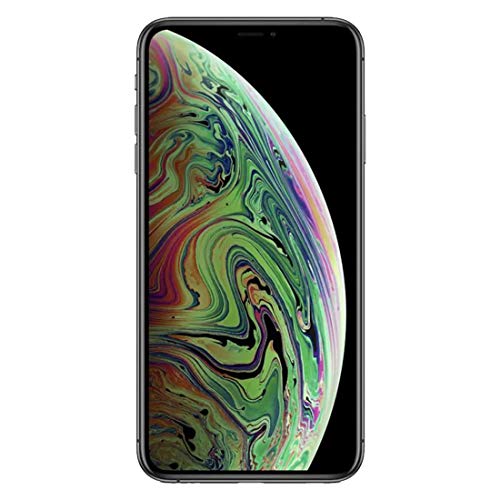
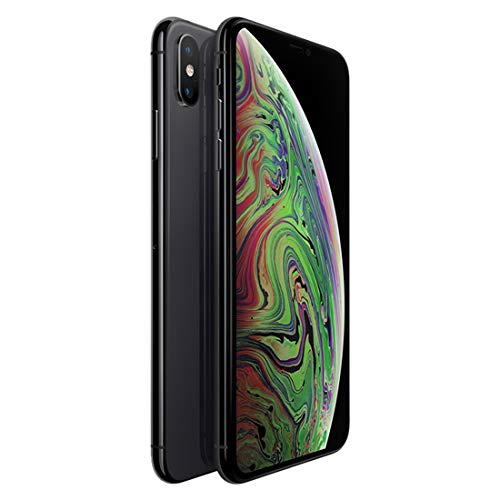
Available: ranking among products currently available (including other versions of this product).
All: ranking among all products in the database.
#30 in Best Apple Smartphones
#47 in Best Compact Smartphones
#49 in Best 6-Inch Smartphones
#201 in Best Smartphones Under £200
#218 in Best Camera Smartphones
#321 in Best Smartphones Under £250
#421 in Best Smartphones Under £300
#547 in Best Smartphones Under £400
#617 in Best Smartphones Under £500
#649 in Best Value Smartphones
#756 in Best NFC Smartphones
#823 in Best AI Smartphones
#826 in Best Smartphones
What it is: An assessment of the smartphone's technical performance, covering eight key areas: performance & hardware, software, camera, connectivity, display, battery, audio, and design.
When it matters: When you want to compare smartphones based on technical performance and available features.
Score components:
25.0%
Performance & Hardware
18.0%
Camera
15.0%
Display
15.0%
Battery
10.0%
Software
10.0%
Connectivity
4.0%
Audio
3.0%
Design
What it is: A rating that combines user reviews and the total number of reviews received by the smartphone
When it matters: When you want to know how a smartphone handles daily tasks and how reliable it remains over time according to user feedback.
Score components:
70.0%
User reviews
30.0%
Popularity
What it is: An indicator that combines the smartphone's overall rating with its cost.
When it matters: When you are looking for a smartphone with a good balance between quality and price.
Score components:
60.0%
Overall score
40.0%
Price
Importance: LOW
Importance: HIGH
Importance: HIGH
Good value: >12 GB
Importance: MEDIUM
Good value: >256 GB
Importance: MEDIUM
Good value: >3.2 GHz
Importance: LOW
Importance: MEDIUM
Good value: >1500
Importance: LOW
Good value: >4000
Importance: LOW
Good value: 8+
Importance: LOW
Importance: LOW
Good value: >950 MHz
Importance: LOW
Good value: >700
Importance: LOW
Good value: >1000
Importance: LOW
Good value: >2500
Importance: MEDIUM
Good value: >6000
Importance: LOW
Good value: >8000
Importance: MEDIUM
Good value: >12000
Importance: LOW
Good value: >5000
Importance: LOW
Good value: >1800
Importance: LOW
Good value: >3200 MHz
Importance: LOW
Good value: 5
Importance: LOW
Good value: > 50 GB/s
Importance: LOW
Good value: 4
Importance: LOW
Good value: >16 GB
Importance: MEDIUM
Good value: <6 nm
Importance: MEDIUM
Good value: >9 W
Importance: LOW
Importance: LOW
Good value: >8192 KB
Importance: LOW
Good value: >2048 KB
Importance: LOW
Good value: >512 KB
Importance: LOW
Good value: >100000 million
Importance: LOW
Good value: 3.3
Importance: LOW
Good value: 3.2
Importance: LOW
Good value: 2.0/3.0
Importance: LOW
Importance: LOW
Importance: LOW
Importance: MEDIUM
Importance: LOW
Importance: LOW
Importance: LOW
Importance: LOW
Importance: LOW
Importance: LOW
Importance: LOW
Importance: LOW
Importance: LOW
Importance: LOW
Importance: LOW
Importance: LOW
Importance: LOW
Importance: LOW
Importance: LOW
Importance: LOW
Importance: LOW
Importance: LOW
Importance: LOW
Importance: LOW
Importance: LOW
Importance: LOW
Importance: LOW
Importance: LOW
Importance: LOW
Importance: LOW
Importance: LOW
Importance: LOW
Importance: LOW
Importance: LOW
Importance: LOW
Importance: LOW
Importance: LOW
Importance: MEDIUM
Good value: >50 MP
Importance: MEDIUM
Importance: HIGH
Good value: >60
Importance: LOW
Good value: ≥1.2 µm
Importance: MEDIUM
Good value: >2.5x
Importance: MEDIUM
Importance: LOW
Importance: LOW
Importance: LOW
Importance: LOW
Good value: ≥2
Importance: LOW
Importance: LOW
Importance: LOW
Importance: LOW
Good value: >16 MP
Importance: LOW
Importance: LOW
Importance: LOW
Importance: LOW
Importance: MEDIUM
Importance: LOW
Importance: LOW
Importance: LOW
Importance: LOW
Importance: LOW
Importance: LOW
Importance: LOW
Importance: LOW
Importance: LOW
Importance: LOW
Importance: LOW
Importance: LOW
Importance: LOW
Importance: LOW
Importance: LOW
Importance: LOW
Importance: LOW
Importance: LOW
Importance: LOW
Importance: LOW
Importance: LOW
Good value: >130
Importance: LOW
Good value: >120
Importance: LOW
Good value: ≥2
Importance: LOW
Importance: LOW
Importance: LOW
Importance: LOW
Importance: LOW
Importance: LOW
Good value: >5.2
Importance: LOW
Importance: LOW
Importance: LOW
Importance: LOW
Good value: 3.1/3.2
Importance: LOW
Importance: LOW
Importance: LOW
Good value: ≥2
Importance: LOW
Importance: LOW
Importance: LOW
Importance: LOW
Importance: LOW
Importance: LOW
Importance: LOW
Importance: LOW
Importance: LOW
Importance: LOW
Importance: LOW
Importance: LOW
Importance: LOW
Importance: LOW
Importance: LOW
Importance: LOW
Good value: ≥6.6 inches
Importance: MEDIUM
Importance: LOW
Good value: >400 ppi
Importance: MEDIUM
Importance: MEDIUM
Good value: ≥120 Hz
Importance: LOW
Importance: LOW
Good value: >300 Hz
Importance: LOW
Good value: >800 nits
Importance: LOW
Good value: >1300 nits
Importance: LOW
Good value: >1000 nits
Importance: LOW
Importance: LOW
Importance: LOW
Importance: LOW
Importance: LOW
Importance: LOW
Importance: LOW
Importance: LOW
Importance: HIGH
Good value: >5000 mAh
Importance: MEDIUM
Good value: >60 W
Importance: LOW
Importance: LOW
Good value: <45 min
Importance: LOW
Importance: LOW
Good value: >40 W
Importance: LOW
Importance: LOW
Good value: >10 W
Importance: LOW
Importance: LOW
Importance: MEDIUM
Importance: LOW
Good value: >800
Importance: LOW
Importance: LOW
Importance: LOW
Importance: LOW
Importance: LOW
Good value: ≥3
Importance: LOW
Importance: LOW
Importance: LOW
Importance: LOW
Importance: LOW
Importance: LOW
Importance: LOW
Good value: <162 mm
Importance: LOW
Good value: <75 mm
Importance: LOW
Good value: <8 mm
Importance: LOW
Good value: <190 g
Importance: LOW
Good value: <98cm³
Importance: LOW
Importance: LOW
Importance: LOW
Importance: LOW
Importance: LOW
Importance: LOW
Good value: ≥1.5 m
Importance: LOW
Importance: LOW
Good value: >8
Importance: LOW
Importance: LOW
Importance: MEDIUM
Importance: LOW
Importance: LOW
Importance: MEDIUM
Good value: >2.5x
Importance: LOW
Good value: ≥1.2 µm
Importance: LOW
Importance: LOW
Good value: >2048 KB
Importance: LOW
Good value: >400 ppi
Importance: MEDIUM
Good value: ≥120 Hz
Importance: MEDIUM
Good value: >256 GB
Importance: LOW
Importance: MEDIUM
Importance: MEDIUM
Good value: >50 MP
Importance: HIGH
Good value: >5000 mAh
Importance: LOW
Good value: ≥6.6 inches
Importance: HIGH
Good value: >12 GB
(Reviews last updated: August 2026)
The iPhone XS, recognized as the "sweet spot" in Apple’s 2018 lineup, features a premium 5.8-inch OLED display and the A12 Bionic chip, offering a smooth, future-proofed experience. Pros include a refined design, improved water resistance (IP68), faster Face ID, and dual-SIM support. The camera system is highly rated for its low-light performance, Smart HDR, and the capability to adjust bokeh effects post-capture. Conversely, the device faces criticism for its high starting price of £999, which is described as "eye-watering". Battery life is a notable con, with tests showing it falls short of competitors like the Samsung Note 9. Furthermore, the lack of a fast charger in the box and the omission of a headphone adapter are cited as drawbacks.
In his review for Forbes, Ben Sin highlights the iPhone XS Max as a highly refined device, driven by its expansive 6.5-inch OLED display, powerful A12 Bionic chip, and premium stainless steel build with improved IP68 water resistance. The camera system is lauded for its Smart HDR capabilities, offering a top-tier, reliable "point and shoot" experience, alongside faster Face ID and the software optimizations of iOS 12. Key drawbacks mentioned include the high $1,099+ price point, the exclusion of a fast charger, and the challenges of one-handed operation, while the battery life is considered good but not revolutionary. Forbes
Wired’s review characterizes the iPhone XS and XS Max as evolutionary, rather than revolutionary, updates focusing on internal improvements like the A12 Bionic chip and improved Smart HDR photography. While praised for exceptional performance, a 6.5-inch screen option on the Max, and faster FaceID, the phones were criticized for their high starting prices ($999+) and lack of significant design changes. Notable cons included the omission of a headphone adapter and the inclusion of a slow 5W charger in the box.
The CNET review describes the iPhone XS as a refined, "luxury-upgrade" to the iPhone X, focusing on internal enhancements like the A12 Bionic chip for superior performance. Key pros include a robust IP68 water resistance rating, dual-SIM support via eSIM, and faster Face ID, all packaged in the familiar 5.8-inch, premium design. Camera capabilities are a highlight, featuring enhanced Smart HDR and Depth Control for better low-light photography and adjustable bokeh. However, the phone suffers from significant cons, specifically a short battery life that only slightly improves upon its predecessor. Additionally, the $999 starting price is steep, especially with Apple no longer including fast-charging accessories in the box.
According to MoneySuperMarket, the iPhone XS remains a "perfectly serviceable" and budget-friendly option in 2026, offering a premium design, 5.8-inch Super Retina OLED display, and an A12 Bionic chipset capable of most everyday tasks despite potential lag with modern apps. The review highlights pros like current affordability, continued software support for the latest iOS, and a decent dual 12MP camera system, but notes cons including "fine" battery life often requiring a mid-day charge, lack of 5G and adaptive refresh rate, potentially short-lived software support, quickly filled 64GB storage, and a camera that falls short in low-light and lacks modern features.
According to a 2026 perspective, the Apple iPhone XS is considered a refined "luxury-upgrade" from the iPhone X, offering a quality 5.8-inch Super Retina OLED display and durable stainless steel construction. Key strengths include its dual 12MP camera with a 2x telephoto lens and improved "Smart HDR," but it suffers from notable drawbacks like poor battery life, an A12 Bionic chip struggling with intensive modern tasks, and a lack of software support for recent features like iOS 26 and "Apple Intelligence".
The iPhone XS and XS Max were seen as incremental upgrades featuring a more advanced A12 Bionic chip, a new image sensor for improved photography, and dual SIM support. Key drawbacks included the extremely high price, reaching US$1,449 for the 512 GB XS Max, and a perceived lack of revolutionary new features compared to the previous model. Early reviews suggested the iPhone XS was a high-quality phone best suited for users upgrading from older models, but its significant cost made it a less compelling upgrade for existing iPhone X users. Apple iPhone XS£119.99& more prices4.5(17.3k)Apple iPhone XS Max 256GB Space Grey£499.99& more prices4.6(9k)
According to Consumer Reports, the Apple iPhone XS offers strong performance, camera quality, and ease of use, with notable pros including excellent battery life (27.5 hours in testing) and superior water resistance. However, significant cons were identified, particularly poor durability in tumble tests and slow charging times (195 minutes to full charge).
The iPhone XS is described as a refined device with significant "under-the-hood" improvements, including the A12 Bionic chipset, Smart HDR for photos, and an enhanced OLED Super Retina display. Pros include its top-tier performance, premium design, and features like Dual SIM and improved Portrait Mode. However, cons include its high launch price, incremental updates over the iPhone X, and battery life that requires mid-day charging for heavy users.
According to a review by Paul Thurrott, the iPhone XS is an "S year" upgrade with minor refinements but features stunning hardware and potentially the best 5.8-inch OLED display available. Pros include the camera system, described as the best on the market at the time, excellent audio, and "all-day" battery life, while a significant con is the "slow and awkward" Face ID. Despite being considered the best smartphone available, the review highlights it is "extravagantly expensive," with frustrating omissions like the lack of a fast-charging adapter or headphone dongle, a large display notch, and no 128 GB storage option.
The Guardian's review describes the iPhone XS as a refinement of the iPhone X, retaining its premium design, 5.8-inch OLED screen, and A12 Bionic chip. Key strengths noted include an improved camera with Smart HDR and adjustable portrait bokeh, IP68 water resistance, louder speakers, and reliable Face ID. However, the review identifies significant drawbacks, labeling the device "two steps forward, one step back" due to its decreased battery life compared to the iPhone X and a high £999 price point without essential accessories like a fast charger or headphone adapter.
According to PCMag, the iPhone XS is a highly capable flagship phone that introduced improvements such as the A12 Bionic chip, Smart HDR camera technology, dual-SIM support, and IP68 water resistance. However, its high $999 starting price and similarities to the iPhone X make it feel like an incremental update, with drawbacks including the omission of a headphone jack dongle and the inclusion of only a slow 5W charger despite supporting faster charging. PCMag suggests that users might find more value in the larger iPhone XS Max or the more affordable iPhone XR unless they specifically require the XS's 5.8-inch size or secondary zoom lens. iPhone XS Excellent, 256GB, Space Grey£139.004.5(17.3k)Apple iPhone XS Max 256GB Space Grey£499.99& more prices4.6(9k)Apple iPhone XR£229.48& more prices4.5(43.5k)
Mac Life’s review of the iPhone XS highlights its superior camera, powered by the A12 Bionic chip and new Smart HDR, as a major pro for capturing high-contrast details. While the Super Retina OLED display and faster Face ID are praised, the device's near-identical design to the iPhone X and high price point are cited as significant cons. The analysis concludes the phone is a powerful upgrade for older model users, despite the continued inclusion of a slow 5W charger.
According to a Spiegel review, the iPhone XS and XS Max are refined, luxury iterations of the iPhone X, featuring the powerful A12 Bionic chip for superior photo processing and vibrant OLED displays. Pros include improved battery life (30–45 minutes more than the X), enhanced IP68 water resistance, and a more detailed camera system. Cons highlighted in the review include extreme pricing up to 1,649 Euro, limited incentive for iPhone X owners to upgrade, and the exclusion of a fast charger.
The Süddeutsche Zeitung review describes the iPhone XS as a high-quality device lacking a "wow factor" due to its incremental improvements over the iPhone X. While powered by the faster A12 Bionic chip and offering improved, quicker Face ID, the advancements are considered subtle for daily use. Pros include enhanced battery longevity and improved camera quality through Smart HDR, according to the analysis. Conversely, the review highlights significant drawbacks, notably its high price tag and the continued fragility of its glass construction, which is expensive to repair. The device is ultimately characterized as a minor upgrade rather than a necessary, revolutionary step for existing users.
The iPhone XS Max features a 6.5-inch Super Retina OLED display with HDR10 support, offering superior color accuracy and an immersive, albeit large, build. Driven by the A12 Bionic chip, the device provides top-tier performance, but its high price point ($1,099 for 64GB) and lack of a fast charger in the box are significant drawbacks. Camera performance is boosted by Smart HDR and bokeh control, though user-reported issues include aggressive skin-smoothing and the high cost of entry.
The Apple iPhone XS is reviewed as a refined, incremental "S-year" upgrade focusing on improved internal performance and a high-quality 5.8-inch OLED display, suitable for one-handed use. Powered by the A12 Bionic chip, the device delivers top-tier speed and features an upgraded camera system with Smart HDR and enhanced low-light capabilities. However, the review notes a high price point, mediocre battery life, and a slow charger in the box as significant drawbacks.
The NextPit review characterizes the iPhone XS as a refined high-end device, highlighting its top-tier, ergonomic design and an exceptional 5.8-inch OLED display. While boasting superior construction, the device's glass surfaces are noted for being fingerprint-prone. The review emphasizes the camera’s ability to deliver, utilizing Smart HDR for consistently high-quality, auto-adjusted photos. Performance-wise, the A12 Bionic chip provides immense power for AR and file transfers, though the UI can feel sluggish due to long animations. A significant drawback is the average, unimpressive battery life compared to contemporary competitors. The audio experience is also criticized, specifically for the uncomfortable included earphones and lack of a headphone adapter. Ultimately, the iPhone XS is framed as a powerful but incremental update that, despite its display and performance, is held back by average battery endurance and the limitations of iOS. It remains a luxury option, yet one with noticeable daily-use compromises.
The 01net review characterizes the iPhone XS as a technically superior successor to the iPhone X, yet a "flamboyant victim" of its own modest, "S" cycle evolution. While maintaining the same design, it introduces significant power upgrades via the A12 Bionic chip and improved Smart HDR photography, making it a performance powerhouse. However, the review notes that the high price point, coupled with weak battery life, makes it a hard sell, particularly against intensifying Key advantages identified include a superior 5.8-inch OLED screen, the exceptional speed of the A12 chip, enhanced photography capabilities, and improved IP68 water resistance. Conversely, the review highlights significant drawbacks, including underwhelming battery performance, high cost, and a lack of substantial design changes compared to the previous model. The inclusion of a slow 5W charger is Ultimately, 01net positions the device as an incremental, rather than revolutionary, update that serves as a premium refinement of the iPhone X platform.
The L'Éclaireur Fnac lab test of the iPhone XS reveals a refined, near-identical design to the iPhone X, focusing heavily on improvements in camera and display technology. Key pros include the 5.8-inch OLED screen's high accuracy (458 ppi) and the camera’s Smart HDR, which significantly boosts detail, along with a new adjustable bokeh feature. However, the device is criticized for its high price, lack of external innovation, and poor audio performance, particularly in speaker balance. L'É
The iPhone XS, as reviewed by iGen, is a refined "evolutionary" update to the iPhone X, driven by the powerful A12 Bionic chip for superior performance and a high-quality 5.8-inch OLED screen. Key improvements include enhanced IP68 water resistance and significant camera advancements, particularly Smart HDR for better dynamic range. Despite these upgrades, the review highlights drawbacks such as the high price, inconsistent battery life, the lack of a fast charger, and the removal of the headphone jack adapter.
The iPhone XS, as tested by Les Numériques, is a refined, premium device boasting a superb 5.8-inch Super Retina OLED display, which achieved a near-perfect Delta E of 1.2 for exceptional color accuracy. Powered by the A12 Bionic chip, the device delivers high-end performance, further enhanced by a 12MP dual-camera system featuring improved Smart HDR for better dynamic range. However, the review notes drawbacks, including mediocre battery life and the continued inclusion of a slow 5W charger, ultimately rendering it a minor, albeit high-quality, update to the iPhone X.
The iPhone XS, as reviewed by Frandroid, is lauded for its premium, jewelry-like design and exceptional 5.8-inch Super Retina OLED display, which offers high brightness and contrast. While performance from the A12 Bionic chip is top-tier and the camera excels in low-light, the device is criticized for potential micro-scratches and a slightly too-warm screen color profile. Other drawbacks include a prominent camera bump, a less intuitive iOS experience for Android users, and a battery life that is merely functional rather than market-leading.
The iPhone XS Max represents a significant shift for Apple, pairing a 6.5-inch OLED display with a footprint comparable to the older 8 Plus, making it ideal for media consumption. Its, A12 Bionic chip ensures fluid performance, while the camera system shines with improved Smart HDR and adjustable bokeh. Additional benefits include IP68 water resistance and superior battery life, lasting up to 1.5 hours longer than the previous model. However, the device faces criticism for its high cost and ergonomic challenges, specifically its large size, which can be difficult to manage one-handed. Furthermore, the review notes the inclusion of a slow 5W charger and the high cost of repairing the glass, despite improved durability.
TuttoTech's review presents the iPhone XS and XS Max as refined, performance-focused evolutions of the iPhone X, highlighting the powerful A12 Bionic chip and superior Super Retina OLED displays as major pros. The camera system receives praise for its improved Smart HDR and low-light capabilities, while the XS Max offers better battery life and a larger 6.5-inch screen. However, key drawbacks include a high price point, mediocre battery life on the smaller XS, and the lack of a fast charger in the box. For full details, read the review at TuttoTech.
According to the Macitynet review, the iPhone XS Max is considered the only true luxury flagship worth its price due to its expansive 6.5-inch OLED display and premium build. However, the review notes the high cost and large size as primary drawbacks, arguing that the standard XS lacks a compelling "wow factor" compared to the Max. The review strongly advises most users to opt for the iPhone XR, which offers superior value, great battery life, and the same A12 chip, despite featuring an LCD screen and lacking a telephoto lens.
The iPhone XS Max review from iPhoneItalia highlights a premium 6.5-inch OLED display and the powerful A12 Bionic chip, which offers significant performance gains and improved efficiency, particularly for media consumption. The device features an enhanced camera system with superior Smart HDR and faster Face ID, while delivering robust all-day battery life for heavy users. Pros include the stellar display and performance, but the review notes cons such as the high price, stingy 64GB base storage, and the inclusion of a slow 5W charger.
According to the Everyeye.it review, the iPhone XS elevates the iPhone X design with a powerful A12 Bionic chip, 4GB of RAM, and a superior 5.8-inch Super Retina OLED display. Key improvements include Smart HDR for better photo quality and faster Face ID, while the design retains a premium, compact, one-handed feel. However, the device is criticized for a high launch price, lack of included fast-charging accessories, and a battery life that remains just average.
The iPhone XS represents a refined evolution of the iPhone X, maintaining the same design while introducing a more durable glass, a new gold finish, and improved IP68 water resistance. The device features a 5.8-inch OLED Super Retina display and brings significant performance upgrades via the A12 Bionic chip, enhancing speed for daily use and augmented reality applications. Key improvements include the camera system, which utilizes Smart HDR and the Neural Engine for superior detail and portrait, alongside the new Depth Control feature for adjustable bokeh. While the camera and performance are praised, the review highlights the high price and minimal battery life improvements over the X as notable drawbacks, further noting the absence of the 3.5mm adapter in the box. Ultimately, the Wired Italy review positions the iPhone XS as a powerful device with better water resistance and faster performance, yet its minor improvements make it a hard recommendation for existing iPhone X owners due to its high cost. The device's incremental upgrades, such as improved Face ID speed, are highlighted as its primary advantages.
The iPhone XS is a refined evolution of the iPhone X, delivering a premium, polished experience powered by the 7nm A12 Bionic chip for enhanced performance. Key highlights include a vibrant 5.8-inch OLED display with HDR10 support, improved IP68 water resistance, and the addition of Dual SIM capabilities. The camera system benefits from Smart HDR for better dynamic range and "Depth Control" for portrait photos, offering superior low-light capabilities. Tom' However, the device is criticized for its high price tag, especially with a 64GB base storage, and a design that is nearly identical to its predecessor. Battery life is noted as only a minor improvement, often struggling with heavy usage. Additionally, the exclusion of a fast charger in the box is highlighted as a significant drawback for a premium device. Tom' In summary, the iPhone XS offers top-tier performance, a superior screen, and improved camera technology as its main advantages. Its primary downsides include a high cost, underwhelming battery, and lack of design innovation. Tom'
The SmartWorld.it review describes the iPhone XS as a refined "S" iteration, emphasizing its superior build quality with improved IP68 water resistance, a stainless steel frame, and the exceptional 5.8-inch Super Retina OLED display. Key performance improvements are driven by the A12 Bionic chip, offering a faster Neural Engine and better overall speed, alongside the introduction of dual SIM support via eSIM. The camera system is highlighted for its advanced capabilities, specifically Smart HDR and the ability to adjust bokeh after shooting. Further positives include improved stereo speakers providing a wider soundstage, making the device a robust upgrade over previous models in terms of multimedia. Conversely, the review notes significant cons, focusing on the high price point and the omission of key accessories like a fast charger or headphone adapter in the box. While the design is premium, it is almost identical to the iPhone X, and the inclusion of a slow 5W charger is highlighted as a major drawback.
The TechRadar review describes the iPhone XS as a polished "S" year upgrade, featuring the same premium design as the X but with significant internal improvements. Key pros include the A12 Bionic chipset for industry-leading performance and a superior 5.8-inch OLED "Super Retina" display with 120Hz touch sensing. The camera system benefits from Smart HDR, which dramatically improves dynamic range, while IP68 water resistance enhances durability. Cons include the high launch price and limited innovation compared to the iPhone X, making it a minor, rather than revolutionary, update. Battery life on the standard model is merely average, and the inclusion of a slow 5W charger is criticized. Additionally, the base 64GB storage is deemed too low for a premium flagship. Ultimately, the review highlights the XS as a top-tier device, but suggests it offers the best value only to those upgrading from much older models. TechRadar
The iPhone XS, hailed as a refined "premium powerhouse" by iPhoned, builds on the iPhone X with a faster A12 Bionic chip and a 5.8-inch Super Retina OLED display. Key improvements include enhanced Smart HDR for better photo dynamic range and adjustable depth-of-field in portrait mode. Additionally, the device features faster Face ID, improved stereo speakers, and increased water resistance (IP68). Despite these upgrades, the review highlights significant drawbacks, including a very high price point and limited improvements for existing iPhone X users. Critics pointed to "doubtful" battery life, as the capacity is slightly smaller than its predecessor, resulting in only marginal endurance improvements. Other noted downsides include the inclusion of a slow 5W charger and the absence of a headphone adapter.
The iCulture review characterizes the iPhone XS as a refined, premium evolution of the iPhone X, highlighting its durable IP68-rated design, stunning OLED display, and the new, faster A12 Bionic chip. Key upgrades include improved Smart HDR for superior photography, faster Face ID, and the addition of dual-SIM capability via eSIM. However, the review notes significant drawbacks, including a high price point, the lack of a defining feature for existing iPhone X users, and the frustrating inclusion of a slow 5W charger despite the phone supporting fast charging. Furthermore, battery life remains average, and the removal of the headphone adapter in the box is criticized.
According to Tweakers, the iPhone XS and XS Max are refined "S-year" upgrades featuring the powerful A12 Bionic chip, improved IP68 water resistance, faster Face ID, and dual-SIM support. The XS Max in particular is praised for its 6.5-inch OLED display and superior Smart HDR camera performance, though battery life testing showed a slight decline compared to previous models. Despite their premium build, the devices are criticized for high pricing and the inclusion of a slow 5W charger, making them a difficult upgrade for existing iPhone X users.
The iCulture review characterizes the iPhone XS as a refined, evolutionary update to the iPhone X, featuring the powerful A12 Bionic chip, a superior 5.8-inch OLED display, and improved IP68 water resistance. Key camera upgrades include Smart HDR and post-shot bokeh adjustment, while Face ID and eSIM capabilities enhance usability. Despite these advancements, the device is criticized for its high price, merely average battery life, and the inclusion of a slow 5W charger.
A 2022 review update from iPhoned.nl finds that while the iPhone XR remains capable for basic daily tasks with its A12 Bionic chip, it is hard to recommend as a primary device over newer alternatives like the iPhone 11 or SE. Key drawbacks in 2022 include the aged single-lens camera system, which lacks modern features like Night mode, and the lower-resolution LCD display compared to modern OLED panels. Despite these limitations, the device retains value for its reliable Face ID and modern design, though it is only recommended for purchase at a very low price on the refurbished market.
The Photofacts review highlights the iPhone XS as a significant leap in mobile photography, driven by the A12 Bionic chip's computational power. Key improvements include Smart HDR, which enhances dynamic range for balanced shadows and highlights, and a 30% larger sensor with deeper pixels for better light gathering. Additionally, the camera offers enhanced Portrait Mode with adjustable bokeh, improved low-light performance, and high-quality 4K video recording. However, the review points out that heavy computational processing can sometimes lead to excessive smoothing of details and skin tones. Furthermore, while Smart HDR is effective, it may sometimes produce flatter images, and edge detection in Portrait Mode still struggles with complex, fine details. Overall, the iPhone XS is presented as a strong, versatile tool for photography, despite these processing quirks. The review focuses on the balance between advanced hardware and software, marking it as a new era for iPhone photography.

Compare