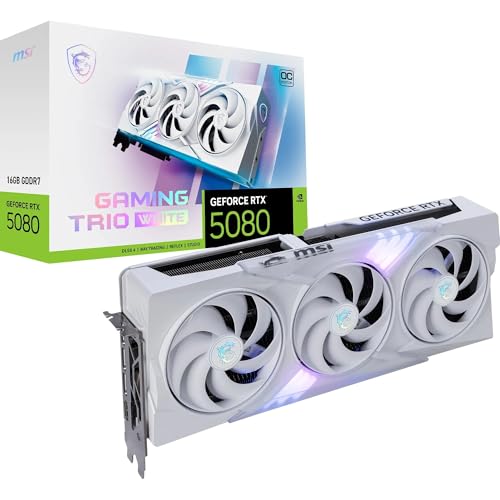
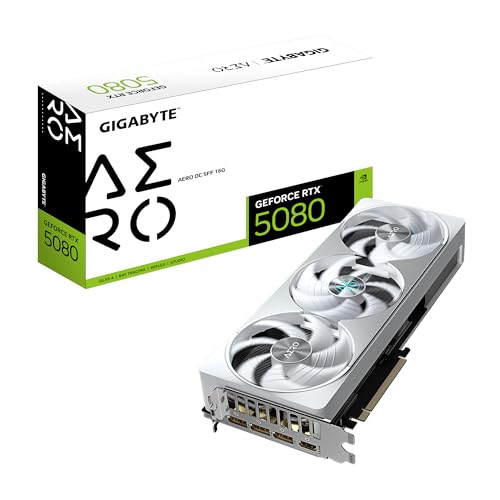
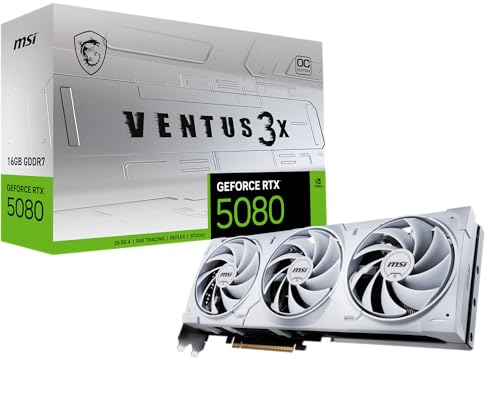
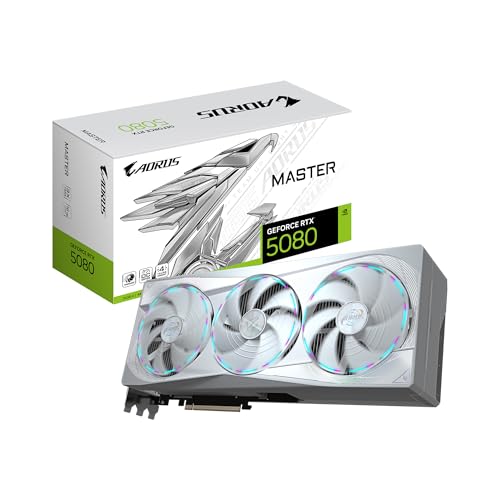
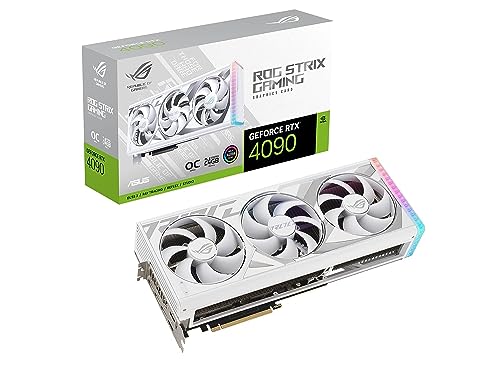
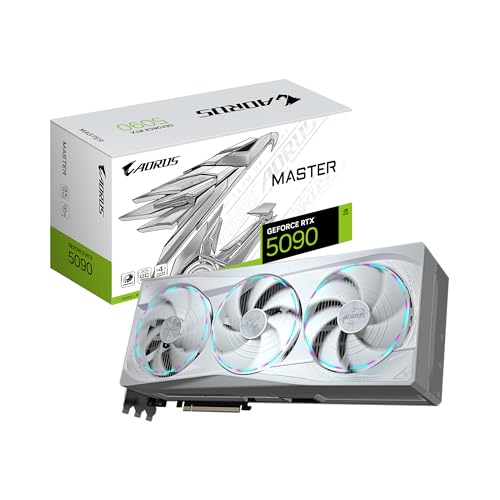
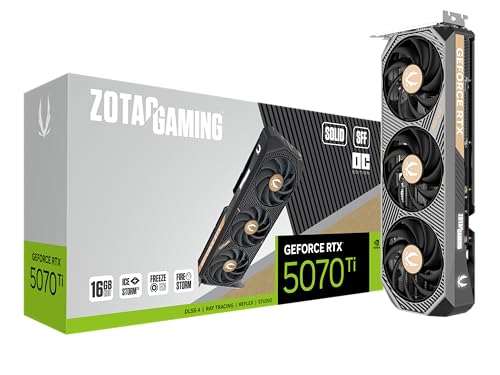
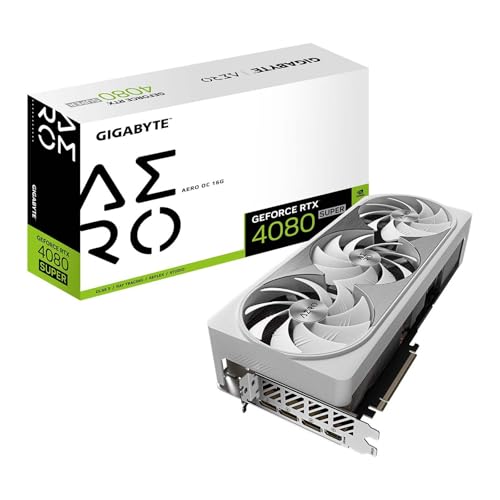
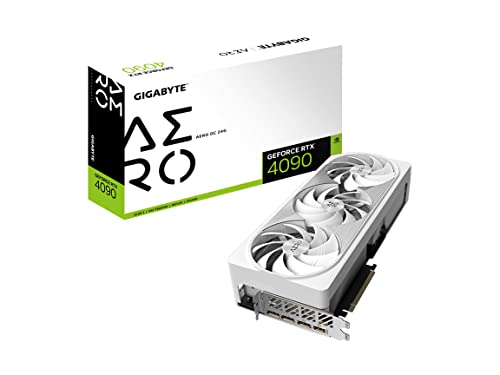
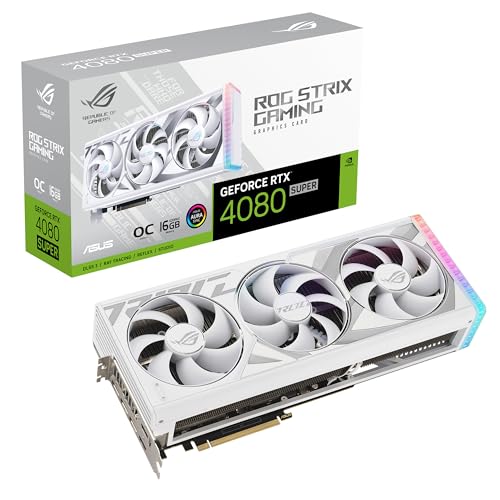
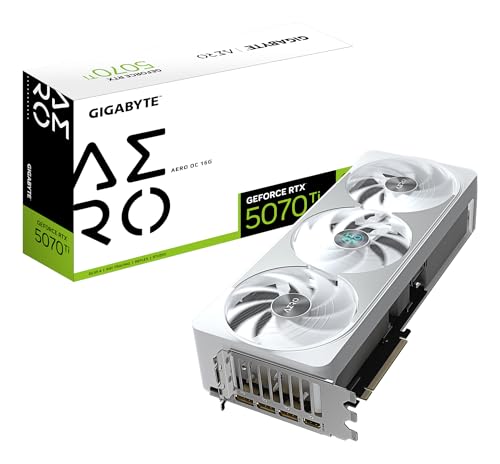
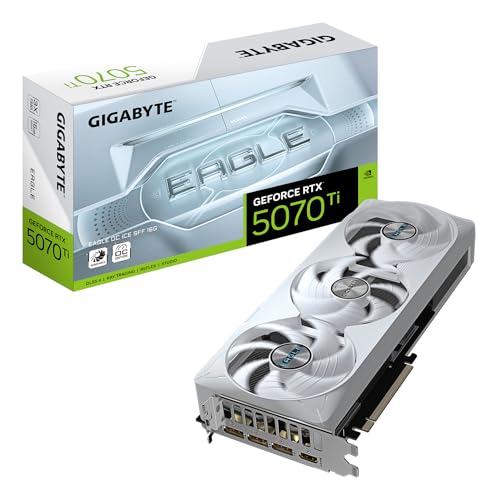
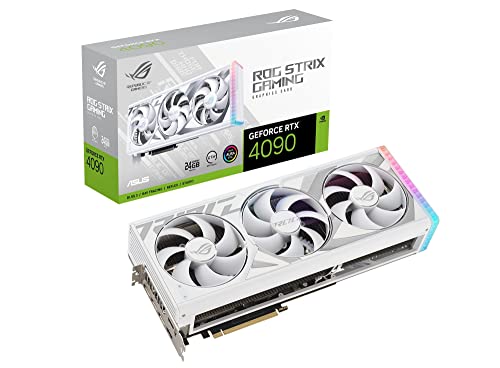
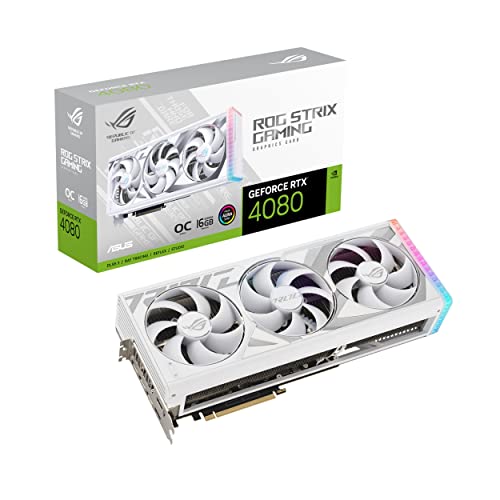
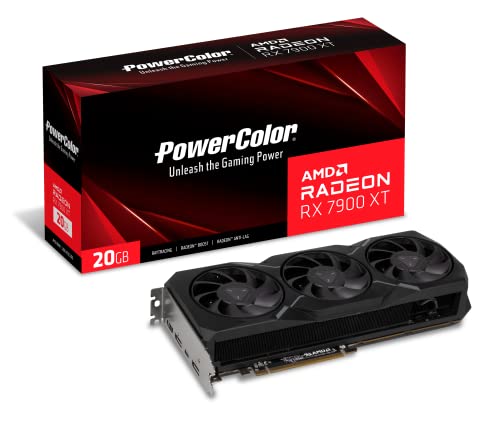
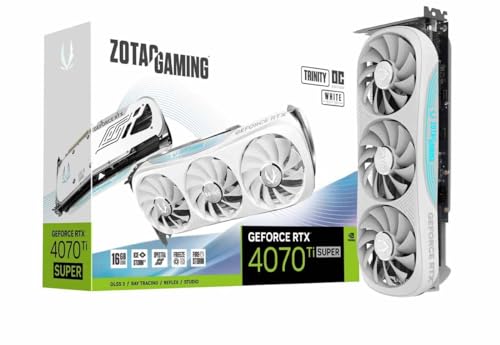
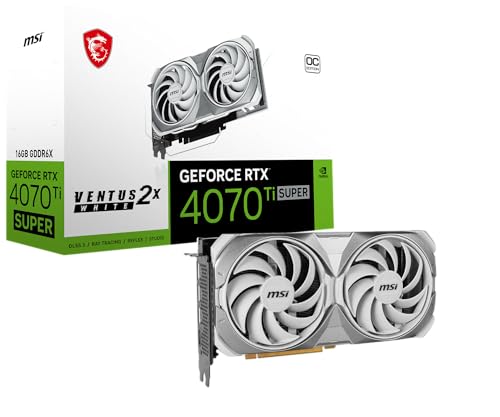
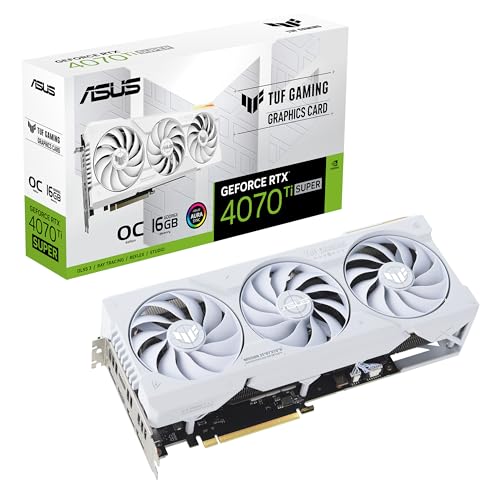
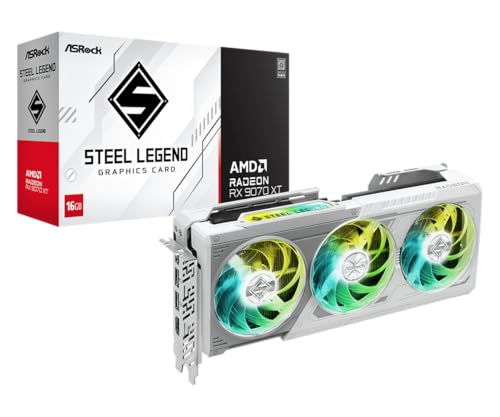
A graphics card fits a white PC build when the visible parts of the card actually support the color theme rather than interrupt it with a mostly black cooler. In practice, that usually means a white or light-silver shroud, a similarly bright backplate, and fan housings that still look coherent once the card is mounted behind glass.
White graphics cards also fit better when the rest of the system is planned around them. A clean white build looks more convincing when the motherboard accents, case interior, power cables, and cooling hardware stay in the same visual direction, because a single white GPU can otherwise look isolated instead of intentional.
Do white graphics cards cost more than standard models?
Yes, white graphics cards often cost a bit more than standard models because they are usually sold as style-specific variants rather than the highest-volume versions of the same GPU. The premium is not always huge, but white editions regularly sit in narrower supply bands, which can make them harder to find at the most aggressive prices.
That extra cost is also tied to selection. In the broader graphics-card market you can often choose from many black versions at the same performance level, while white buyers may have only a few comparable options from Asus, MSI, Zotac, or another niche brand. When stock is thin, the color choice can matter almost as much as the GPU itself for the final price.