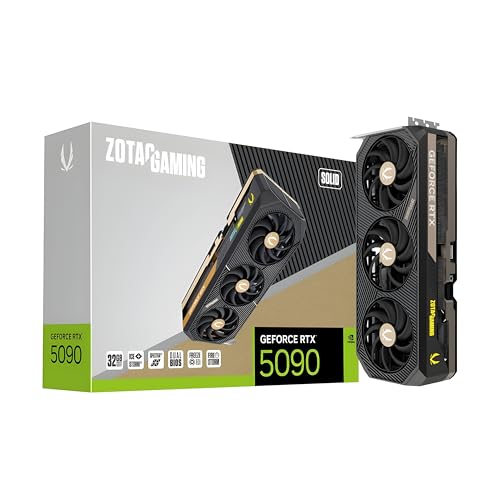
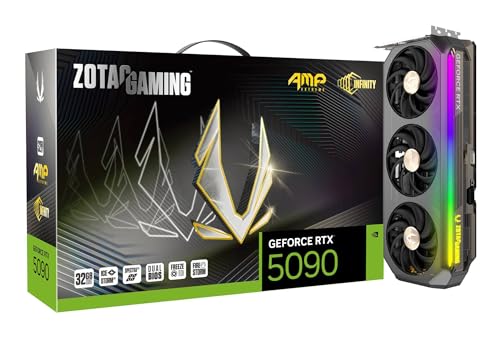
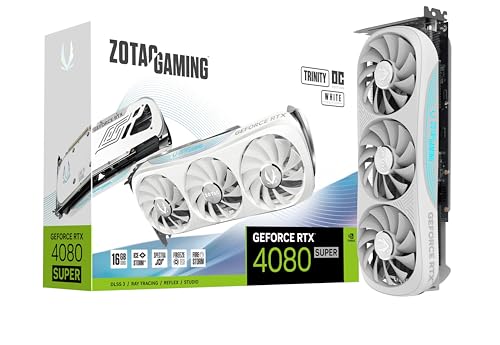
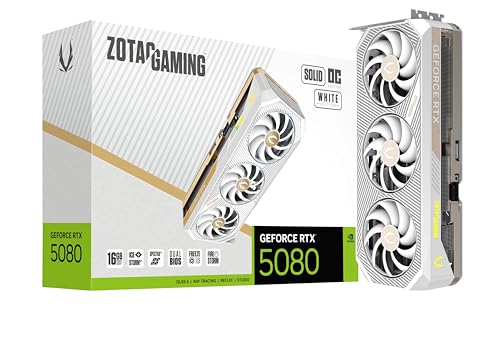
Are Zotac graphics cards good?
Zotac graphics cards have an average overall score of 8.4, ranking #6 among comparable graphics card brands, and a user rating of 9.3, placing them at #7 in user reviews.
Zotac is especially attractive when compact sizing, shorter card length, or aggressive pricing matters more than having the broadest possible board-partner ecosystem. The brand often stands out in small-form-factor-friendly GeForce designs.
The main caution is that Zotac is narrower than the biggest mixed-partner brands, and some of its smaller cards need to be judged carefully against their cooling limits. That is why the exact Zotac family and the exact GPU tier still matter more than the badge alone.
What are the main advantages of Zotac graphics cards?
The main advantages of Zotac graphics cards are as follows:
- Compact-build strength: Zotac is one of the more useful brands when card length, dual-fan size, or small-case compatibility matter. Shorter Twin Edge, Solo, Mini, and similar designs make the brand especially relevant in compact desktops where bigger partner cards simply do not fit well.
- Clear GeForce focus: Zotac is heavily centered on Nvidia-based cards, so the shopping logic is simpler for buyers who already know they want a GeForce product instead of an AMD-versus-Nvidia comparison under one board-partner roof.
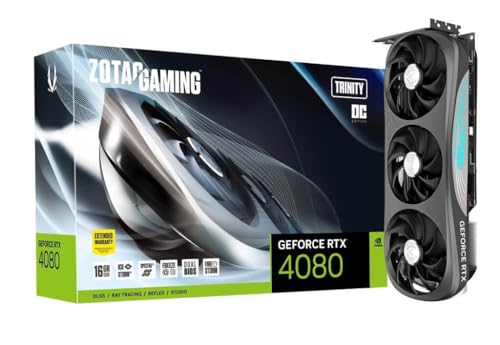
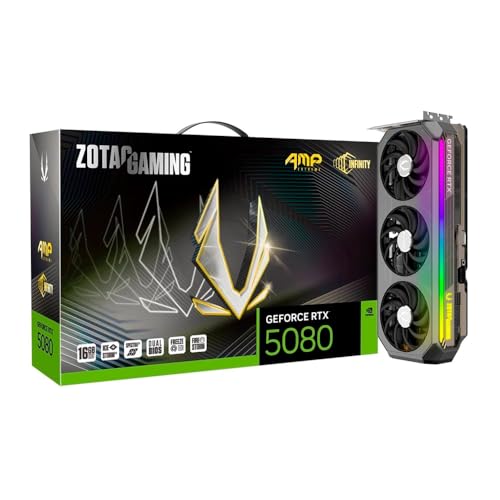
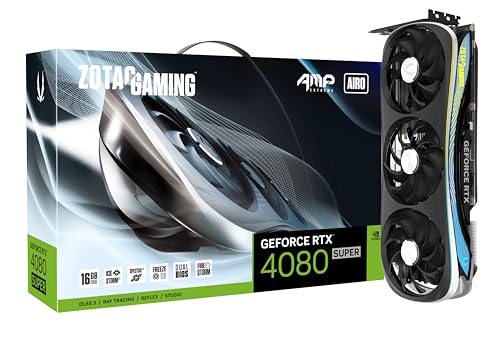
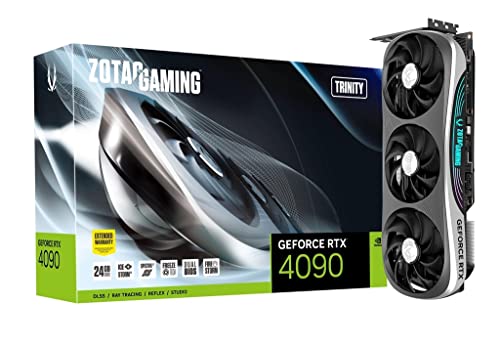
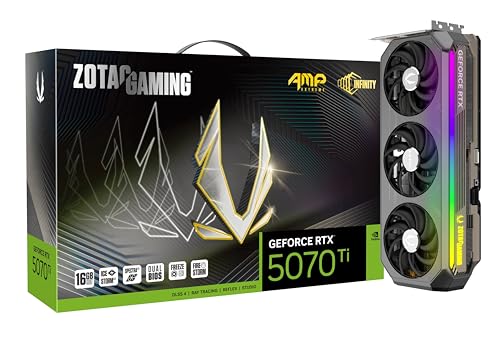
- Recognizable core families: Twin Edge, Trinity, AMP, and AMP Extreme give Zotac a readable lineup from practical mainstream cooling to larger premium branches. Buyers can usually tell quickly whether they are looking at a compact-value card or a more ambitious flagship-style version.
- Good range from compact to premium: Zotac is not only about small cards. The brand also reaches larger upper-tier products, which means buyers can stay inside the same ecosystem whether they want a short mainstream card or a heavier enthusiast option.
- Useful second-hand visibility: Zotac has enough GT, GTX, and RTX history that used-market buyers still have many recognizable entry points. That matters if you want a smaller or cheaper GeForce card rather than only current retail options.
- Simple partner identity: Zotac's lineup is narrower than the biggest brands, but that can actually help shoppers who want fewer overlapping branches and a more focused GeForce catalog to compare.
What are the main disadvantages of Zotac graphics cards?
The main disadvantages of Zotac graphics cards are as follows:
- No AMD side: Zotac is much more specialized than the largest board partners. If you want to compare Radeon and GeForce choices without leaving the same brand family, Zotac gives you far less flexibility.
- Older GT and GTX tail can distort the picture: Zotac includes many older low-end and mid-range cards that are now mainly used-market options. Those can still be useful at the right price, but they should not be judged as if they represent modern Zotac RTX buying.
- Premium end still becomes expensive: Zotac's strongest flagship cards can climb well into premium territory. A Zotac label does not automatically guarantee a cleaner value case than rival partner cards using the same GPU.
- Fewer family layers than the biggest rivals: Twin Edge, Trinity, and AMP are easy to understand, but the lineup is still less diversified than what you get from broader brands such as Asus or MSI. Buyers who want many parallel premium, creator, white, and compact branches will find less variety here.
- Compact focus matters less in large towers: One of Zotac's biggest practical advantages is size, but that matters much less if your build has plenty of space. In a large ATX tower, the brand often competes more directly on cooler quality and price, where the advantage can be smaller.
- Flagship cooler reputation depends more on exact family than on brand: Zotac is easy to read overall, but the jump from a practical Twin Edge card to a more ambitious AMP branch is important. Buyers who shop only by brand name can still compare the wrong Zotac tiers against each other.
Who makes Zotac graphics cards?
Zotac graphics cards are made by Zotac, a graphics-card and mini-PC brand launched in 2006 by PC Partner, a Hong Kong-based electronics manufacturer. Zotac does not create the underlying GPU architecture, but it does control the board design, cooler design, factory tuning, and final retail positioning of each card.
Zotac built its market identity around Nvidia-based graphics cards, compact designs, and gaming-oriented retail variants rather than around designing GPUs from scratch. In practical buying terms, a Zotac graphics card is Zotac's version of a GeForce GPU tier, shaped by its own cooler, size, noise profile, and product family such as Twin Edge, Trinity, or AMP Extreme.
What are the main Zotac graphics card series?
The main Zotac graphics card series are as follows:
- Twin Edge: Twin Edge is one of Zotac's most visible modern families and usually covers practical dual-fan mainstream to upper-midrange GeForce cards, often with a strong compact-build angle.
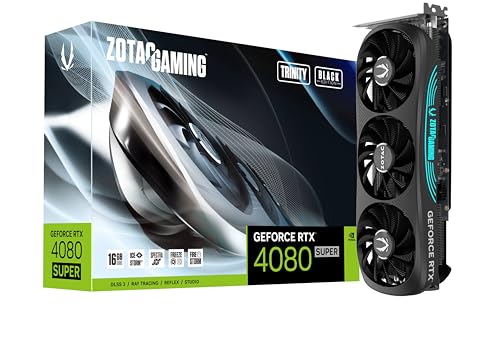
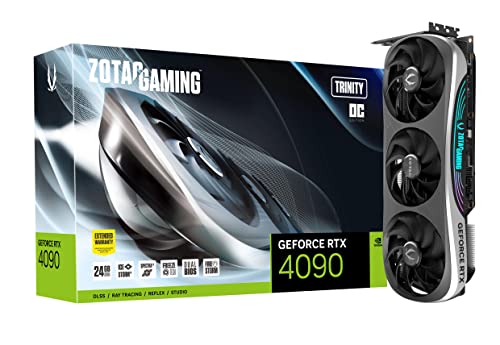
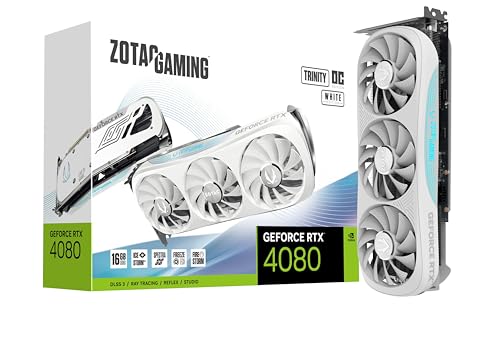
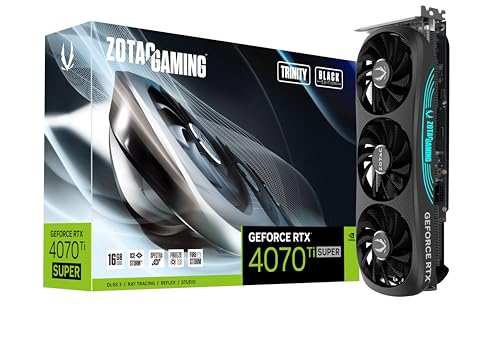
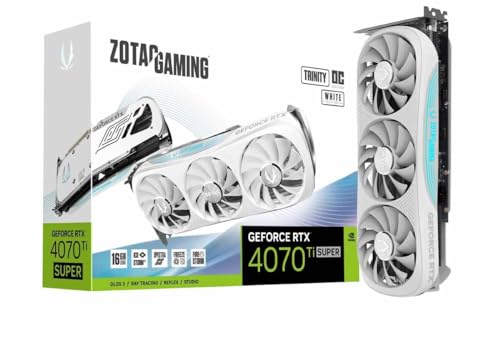
- Trinity: Trinity is a larger and more premium Zotac branch, usually built around stronger cooling and a more enthusiast-facing overall design than the smaller mainstream families.
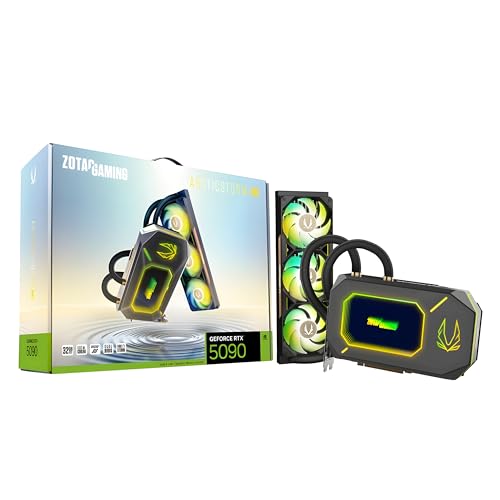
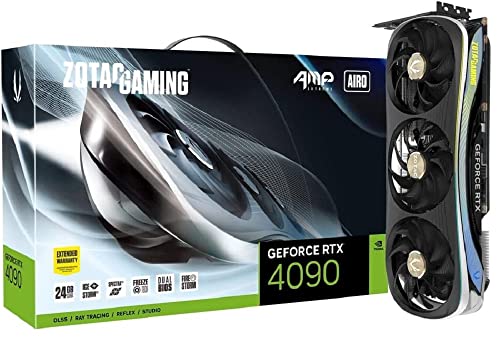
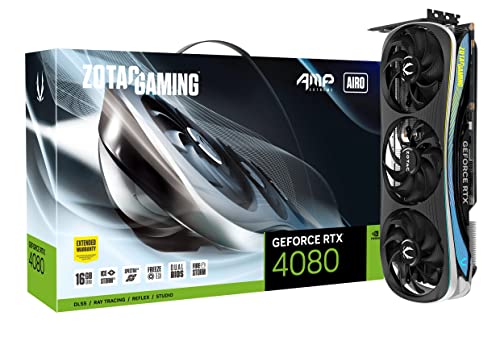
- AMP and AMP Extreme: AMP and AMP Extreme represent Zotac's more aggressive premium gaming side, with larger coolers, stronger factory tuning, and more overt enthusiast positioning.
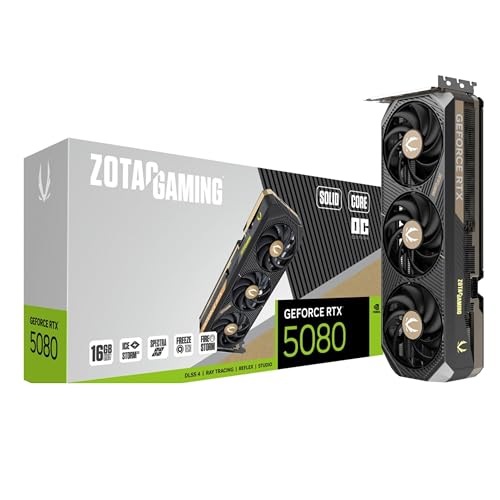
- Solo and Mini-style compact branches: Zotac's smaller-form-factor lines matter more than on many rival brands and are one of the clearest reasons to consider Zotac for tighter cases.
- Older GT, GTX, and legacy branches: Zotac also has a large older tail, but those cards matter much more as legacy or used-market context than as the core shape of current Zotac buying.
How much do Zotac graphics cards cost?
Zotac graphics cards usually cost about £50 to £3,140, with many practical mainstream and upper-midrange options sitting closer to roughly £190-£770.
The lower part of the range includes older GT and GTX cards plus simpler value-oriented GeForce options, while the middle of the range is where Zotac is usually most relevant for real buying decisions, especially with Twin Edge and similar mainstream cards.
At the top end, the buyer is often paying for both the GPU tier itself and Zotac's premium Trinity or AMP Extreme positioning. The key is to check whether a compact-friendly Zotac card or a premium Zotac version is actually priced well against MSI, Asus, Gigabyte, or other GeForce partner alternatives using the same GPU.
This chart visualizes Zotac graphics card prices.
[vertical-chart-06144319455501299604019371214234814557220289224986]
How do Zotac graphics cards compare with MSI models?
Zotac graphics cards usually compare with MSI models as a more focused and more compact-leaning Nvidia board partner against a much broader graphics-card ecosystem. MSI covers both Nvidia and AMD branches with more total families, while Zotac stays much more concentrated around GeForce cards and compact-to-mainstream design lines.
In practical terms, Zotac often looks strongest when the buyer wants a smaller GeForce card or a more aggressive compact-build option, while MSI usually looks stronger when the buyer wants broader lineup depth or more premium-family variation.
That means Zotac is not automatically better just because the card is compact. If the MSI version is cooler, quieter, or priced better for the same GeForce tier, it can easily be the smarter buy, and the reverse is equally true.
What should you consider while choosing the best Zotac graphics card?
You should consider the following factors when choosing the best Zotac graphics card:
- Series family: Zotac cards span Twin Edge, Trinity, AMP, AMP Extreme, Solo, Mini, and older specialist branches. Choose the family first, because that usually tells you whether you are looking at a compact mainstream card, a stronger premium model, or a specialist small-form-factor design.
- GPU tier underneath the brand: Zotac cards cover many GeForce classes, from older value hardware up to serious flagship GPUs. Start with the actual chip and performance target first, because the Zotac badge does not change what class of GPU you are buying.
- Compact-build priorities: Zotac is more relevant than many rivals when card length, thickness, or tighter-case fit matters. Check exact dimensions early if the build is space-constrained, because this is one of the brand's clearest strengths.
- Cooler quality and acoustics: Some compact Zotac cards trade size for cooler headroom, while larger Trinity and AMP cards are built for a different thermal target. Check fan tuning, heatsink size, and real acoustic behavior instead of assuming all Zotac cards behave similarly.
- Markup versus competing GeForce partners: Some Zotac cards win by being compact or aggressively priced, but premium Zotac models still need to justify themselves against MSI, Asus, Gigabyte, or other GeForce partners using the same GPU tier.
- Use-case alignment: A Solo card, a Twin Edge card, and an AMP Extreme card are not aimed at the same buyer. Match the Zotac family to the actual build instead of defaulting to the most premium series.