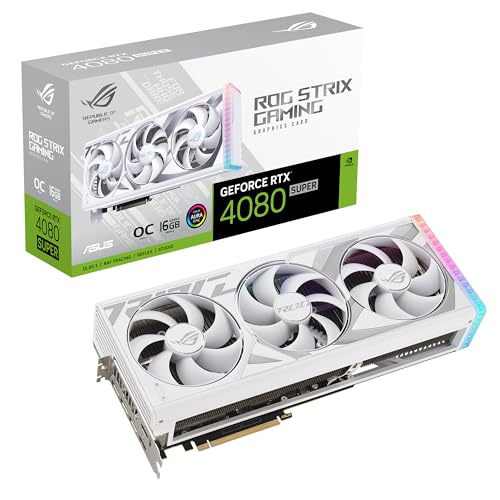
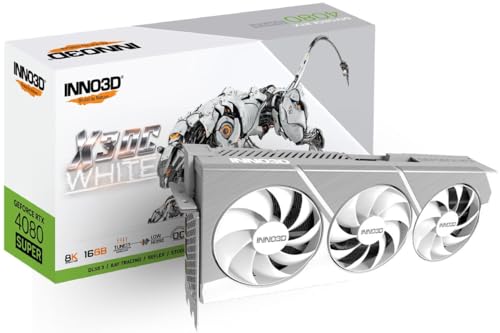
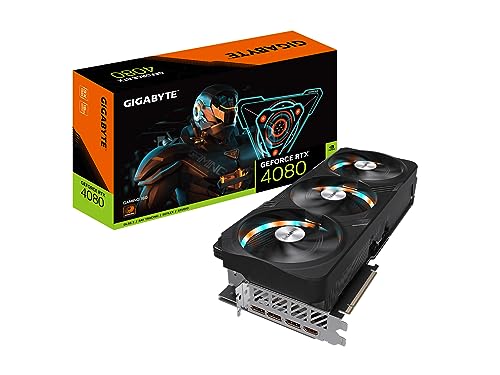
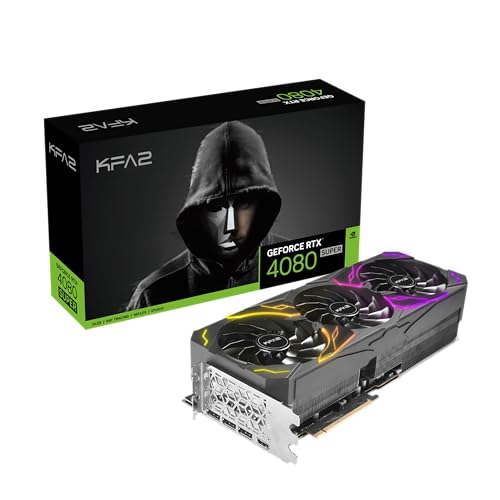
What is the RTX 4080?
The RTX 4080 is a high-end Nvidia GeForce graphics card family built mainly on the Ada Lovelace architecture for buyers who want premium gaming and creator-class GPU power below the halo 4090 tier. The most common form is a 16 GB GDDR6X configuration on a 256-bit bus with a full RTX-era feature stack.
That makes the RTX 4080 a premium enthusiast GeForce class rather than a mainstream upgrade step. Buyers usually look at it when they want strong upper-high-end performance, modern Nvidia features, and a more balanced path than the very top flagship tiers.
Who should buy the RTX 4080?
The RTX 4080 is best for buyers who want a premium GeForce card for high-end 1440p, strong 4K gaming, ray tracing, and mixed gaming-plus-creator use, but who do not want to jump all the way into 4090-level size, cost, and power draw. It is a very good fit when you want modern Nvidia features in a tier that is still powerful but easier to live with than a halo card.
It is a weaker fit for buyers who want the cleanest value story or the simplest product family, because prices can still be high and the wider 4080 market may include both standard 4080 and 4080 Super variants. If your budget is tighter or your workload is lighter, another tier is usually easier to justify.
Is the RTX 4080 a good graphics card?
RTX 4080 graphics cards are good premium GPUs for buyers who want serious 4K-capable performance without moving all the way into RTX 4090 size, cost, and power draw.
The main reason to buy an RTX 4080 is that it combines high-end gaming performance with a still-manageable step below halo-tier hardware. A typical 4080 gives you 16 GB of GDDR6X memory, a 256-bit bus, strong ray tracing, and the wider Nvidia feature stack around DLSS, NVENC, and creator-friendly software support.
The main caution is that the broader 4080 market can mix standard RTX 4080 and RTX 4080 Super naming, while premium partner models can climb sharply in price. The RTX 4080 makes the most sense when you want a serious 4K-capable GeForce card without moving into the size, cost, and power demands of the 4090 class.
The chart below compares RTX 4080 brands by average overall score.
[horizontal-chart-04192767727546044153107605729516875325773820481173]
What are the main advantages of the RTX 4080?
The main advantages of the RTX 4080 are as follows:
- Strong 16 GB high-end baseline: The RTX 4080 uses 16 GB of GDDR6X memory on a 256-bit bus, which gives it a clearly premium memory profile for 1440p ultra settings, 4K gaming, and heavier GPU workloads.
- High-end ray tracing with DLSS: This class combines strong raster speed with Nvidia's more mature ray-tracing and DLSS stack, so it fits buyers who want premium visuals without jumping to the absolute halo tier.
- Easier to live with than a 4090: Power draw, cooler size, and total system burden are still serious, but they are usually more manageable than with a 4090. That makes the RTX 4080 a more practical premium card for many high-end builds.
- Good creator and streaming support: CUDA acceleration, NVENC, and AV1 support help the RTX 4080 make sense for editing, streaming, and mixed gaming-plus-productivity use, not just for gaming benchmarks.
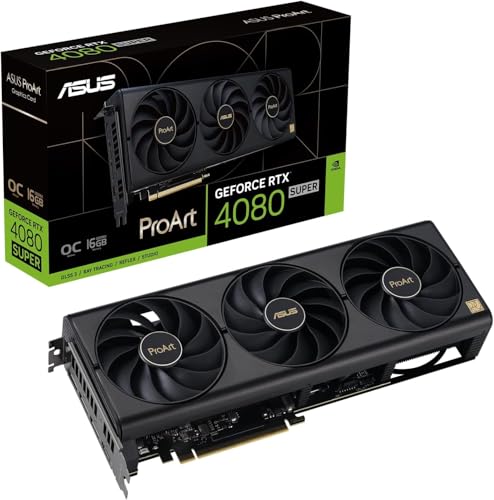
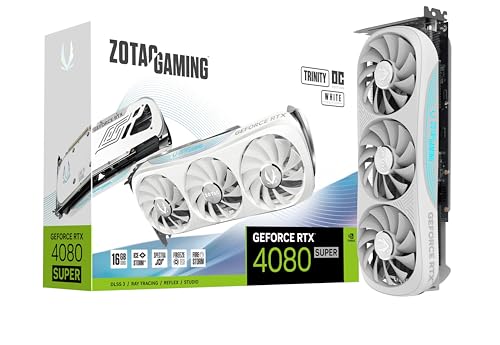
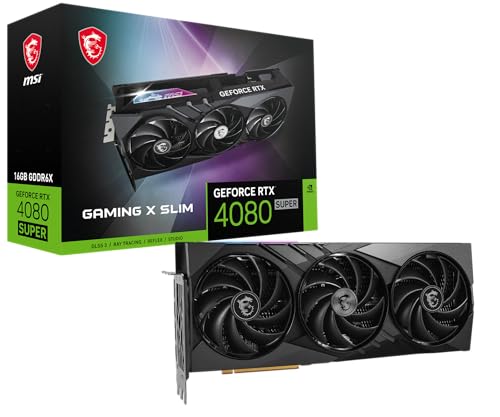
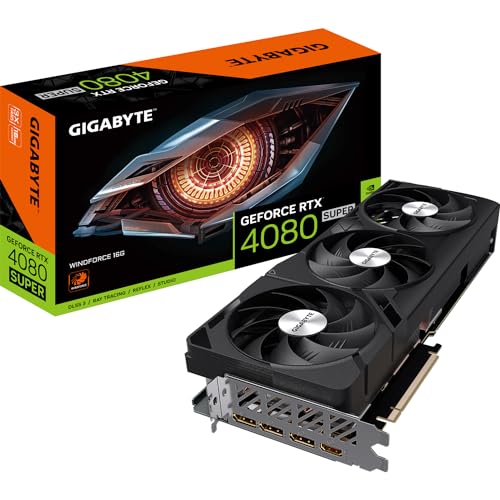
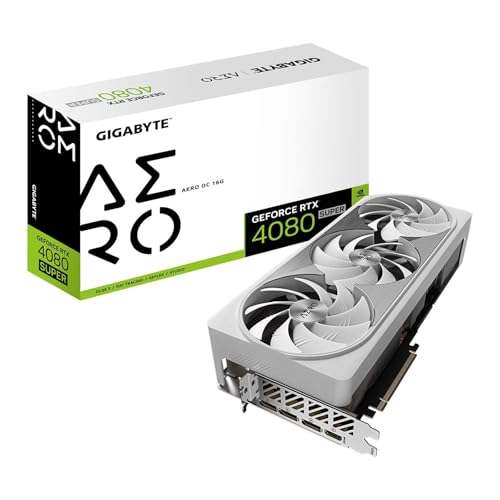
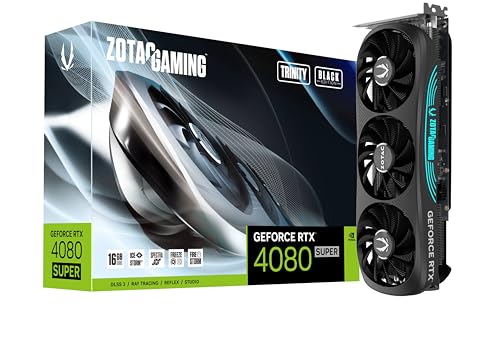
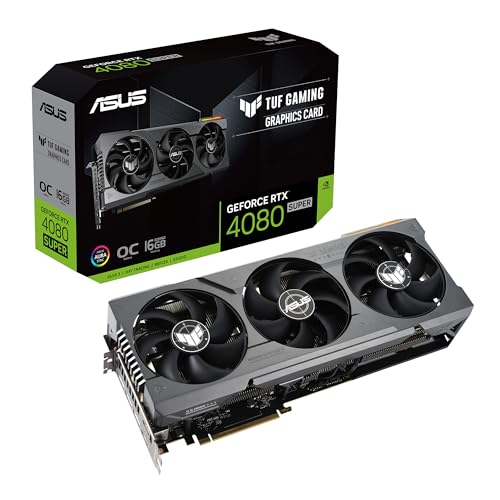
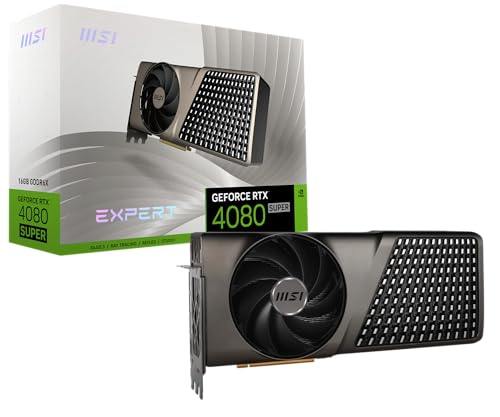
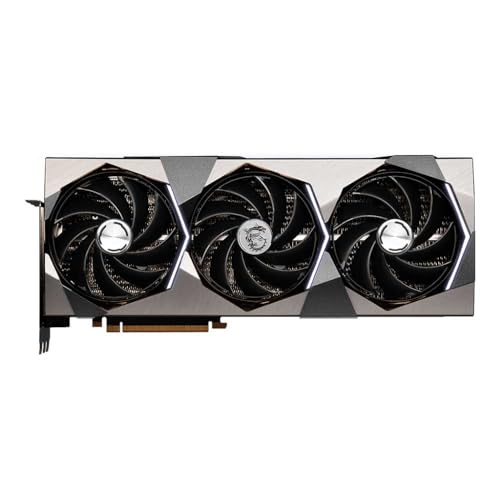
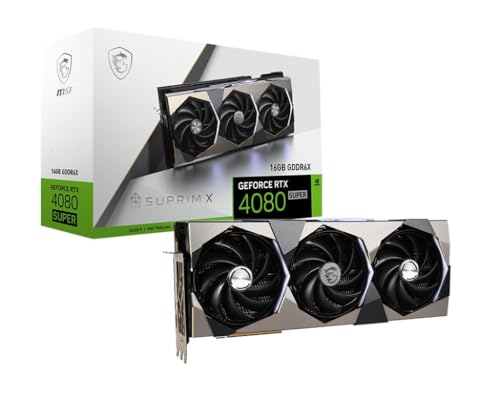
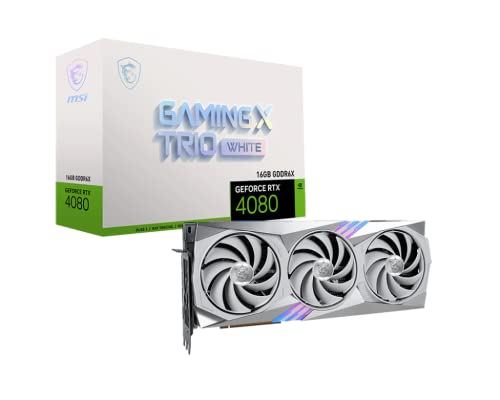
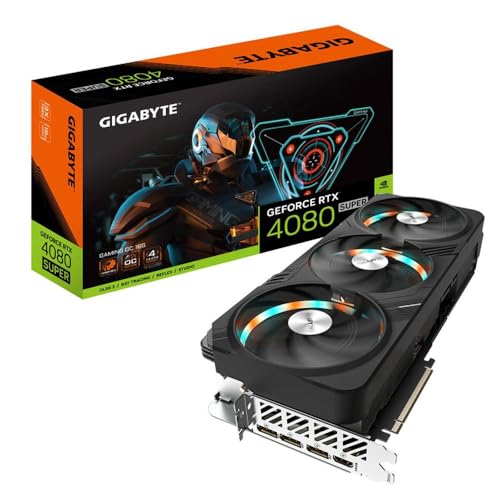
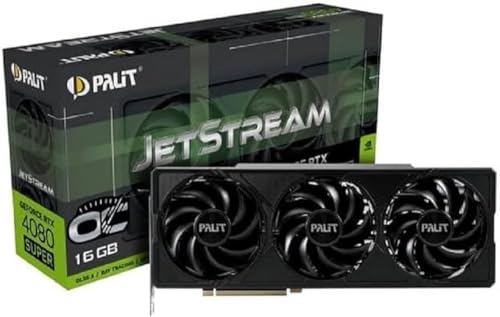
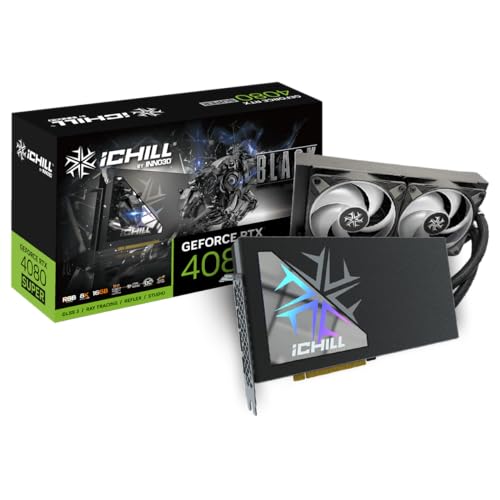
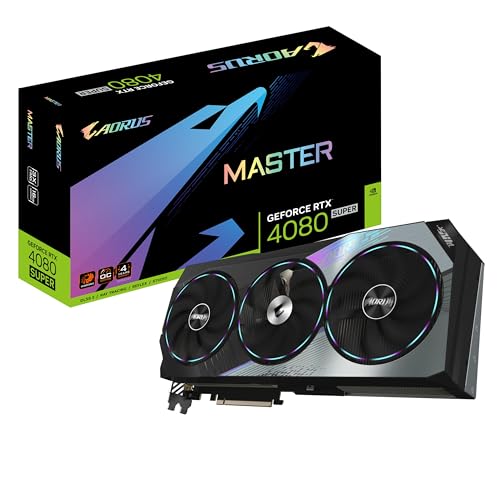
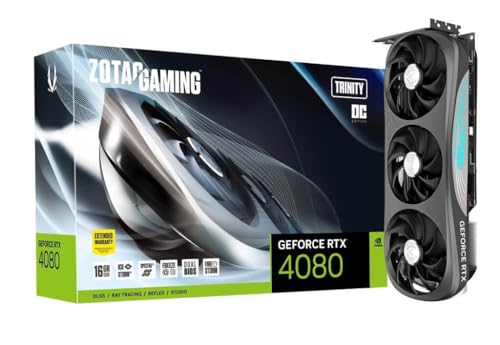
- Broad partner selection: Asus, MSI, Gigabyte, Zotac, PNY, Inno3D, and other board partners all sell RTX 4080 variants, so buyers can choose between quieter coolers, smaller designs, and heavier factory-overclocked versions.
What are the main disadvantages of the RTX 4080?
The RTX 4080 has the following disadvantages:
- Still a very expensive class: The RTX 4080 sits below halo pricing, but it is still firmly in premium territory. It is easy to overspend here if your real target is only strong 1440p gaming.
- Naming confusion with 4080 Super: Buyers need to separate the standard RTX 4080 from RTX 4080 Super cards, because the shared 4080 label can hide different value positions and different real-world performance.
- Large cooler and PSU requirements: Most RTX 4080 cards are still large triple-fan products that need a strong case layout and a capable power supply. This is not a lightweight mainstream GPU.
- 16 GB is premium, not unlimited: Sixteen gigabytes is a strong amount for gaming, but buyers doing unusually heavy AI, rendering, or multi-year 4K planning may still prefer the larger 24 GB and 32 GB classes above it.
- Partner markup can get irrational: Once you move into flagship shrouds, liquid cooling, or heavy factory overclocks, the price increase often becomes much larger than the real performance gain.
How much does the RTX 4080 cost?
RTX 4080 graphics cards usually cost about £900 to £2,200, with many mainstream custom cards sitting closer to roughly £1,000-£1,500.
The lower part of the range is usually where the more sensible high-end options sit. Once you move higher, the extra money often goes into larger coolers, quieter operation, factory overclocks, or prestige board-partner designs rather than a fundamentally different class of GPU. That is why the best-value 4080 cards are often the balanced premium models rather than the most expensive editions.
This chart visualizes RTX 4080 graphics card prices.
[vertical-chart-16265903383323806898160111064617022947594222174867]
How does the RTX 4080 compare with the RTX 4070?
The RTX 4080 sits above the RTX 4070 as a clearly heavier premium tier rather than as a minor step up. A typical RTX 4080 gives you 16 GB of GDDR6X memory on a 256-bit bus, while most RTX 4070 cards are a 12 GB class on a 192-bit bus.
The RTX 4080 also asks more from the whole system. It is usually a 300-350 W-class card with larger coolers and much higher pricing, while the RTX 4070 family is easier to power, easier to cool, and easier to justify for buyers who mainly target strong 1440p gaming.
The RTX 4080 is the better fit when you want a more serious 4K-capable card with more VRAM and stronger high-end headroom. The RTX 4070 is usually the smarter choice if you want modern Nvidia features with better budget control and a less demanding overall build.
What should you consider while choosing the RTX 4080?
You should consider the following factors when choosing the RTX 4080:
- Exact variant: Check whether the card is a standard RTX 4080 or an RTX 4080 Super, because the shared naming can hide different value positions and slightly different performance expectations.
- Resolution and workload target: The RTX 4080 makes the most sense for premium 1440p, stronger 4K gaming, ray tracing, and mixed creator use. If your real target is lighter gaming, this tier can become expensive overkill very quickly.
- VRAM and memory subsystem: A typical RTX 4080 gives you 16 GB of GDDR6X on a 256-bit bus. That is a strong high-end profile, but you should still decide whether this is exactly the right middle ground or whether your workload points lower or higher.
- Power, size, and thermals: Most RTX 4080 cards sit around the 300-350 W class and still use large coolers. Check PSU headroom, connector type, case clearance, and airflow before treating the upgrade as routine.
- Cooler quality and acoustics: Two RTX 4080 cards can use the same GPU but differ a lot in noise and temperatures. Heatsink size, fan tuning, and board-partner cooler design often matter more than small factory-clock differences.
- Price discipline against nearby tiers: The RTX 4080 sits between the cheaper RTX 4070 family and the much heavier RTX 4090 tier. If a specific 4080 climbs too high in price, compare carefully against those neighboring classes instead of looking at the 4080 label alone.