Which brands make the best action cameras for motorcycle riding?
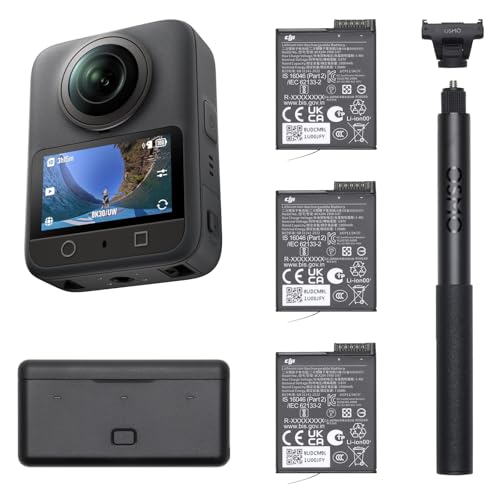
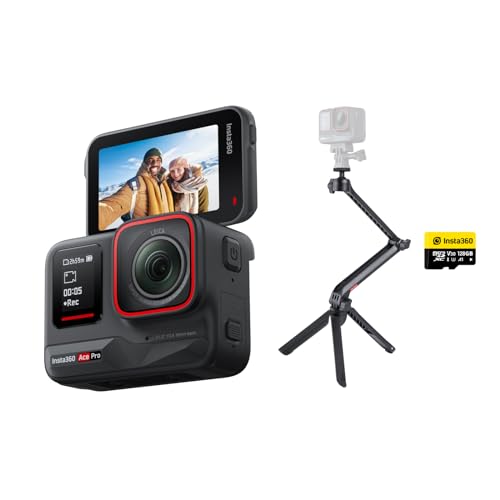
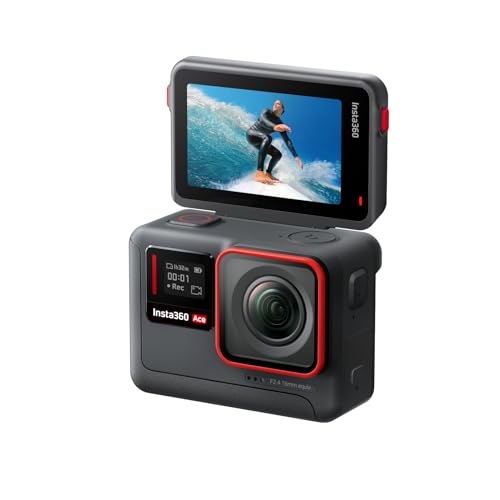
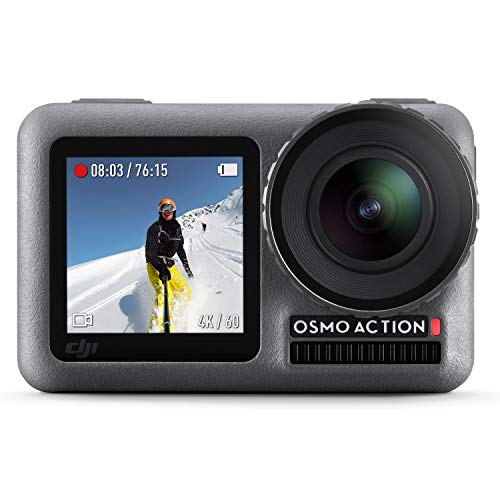
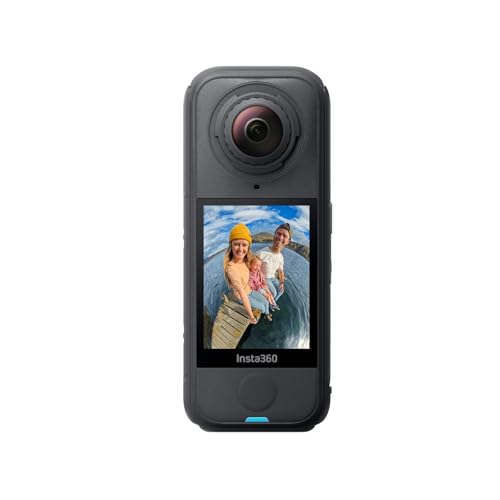
The best action camera brands for motorcycle riding are as follows:
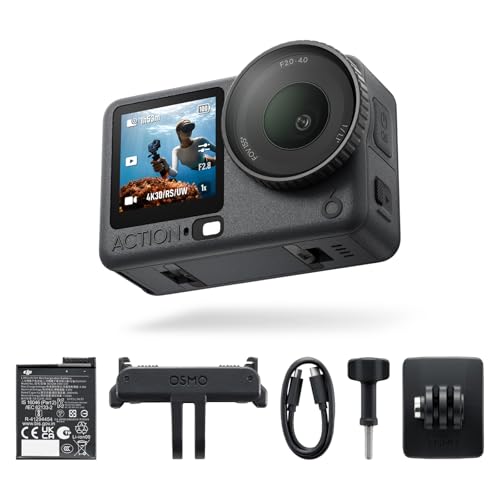
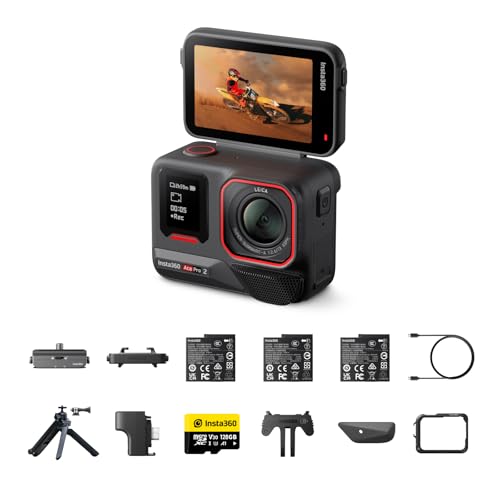
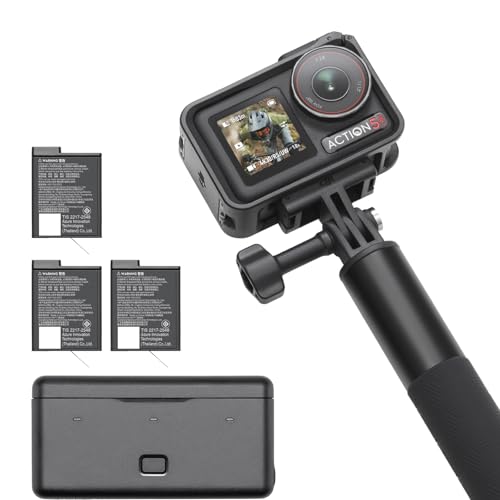
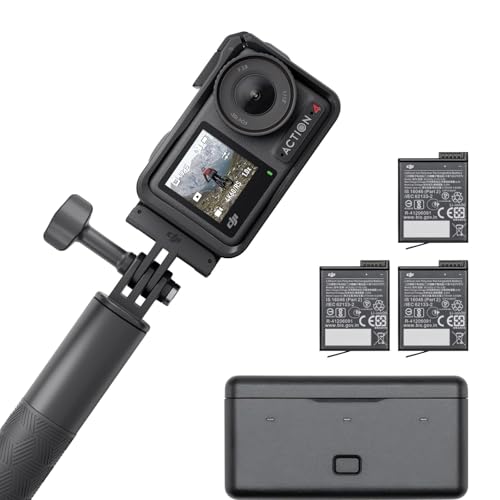
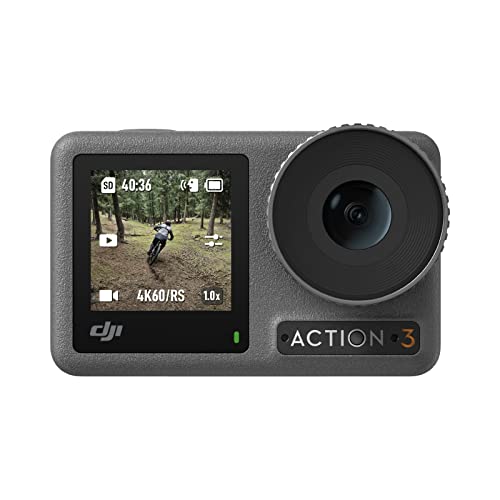
- DJI (Average overall score: 8.1)
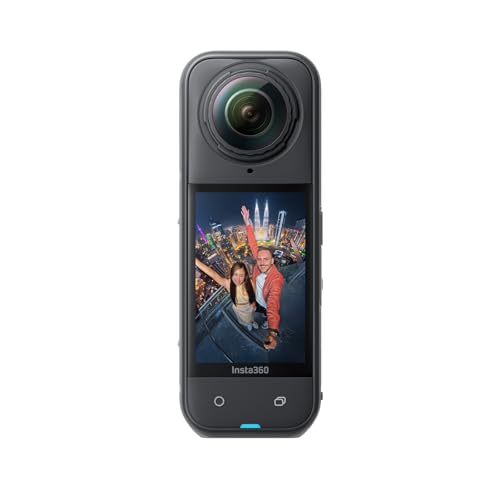
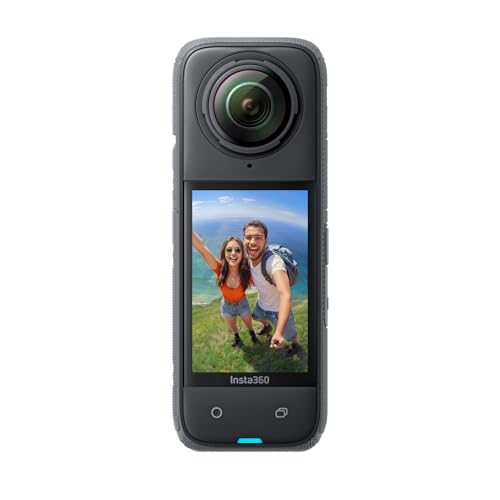
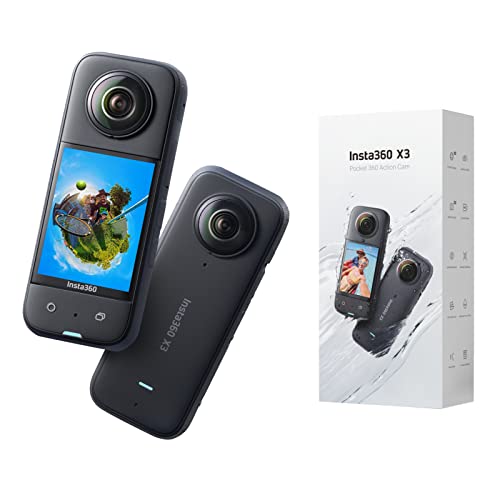
- Insta360 (Average overall score: 8)
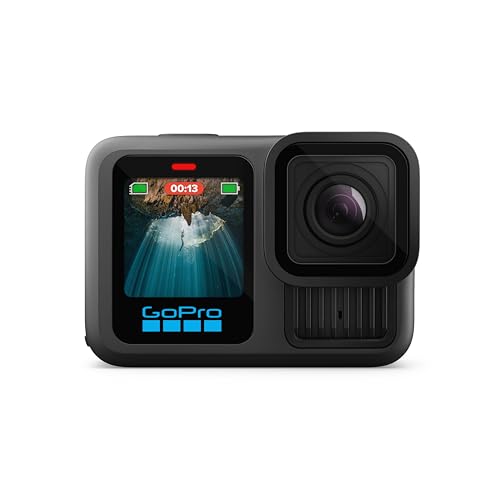
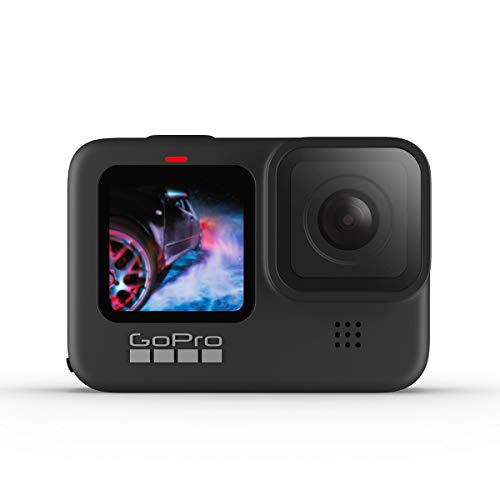
- GoPro (Average overall score: 7.7)
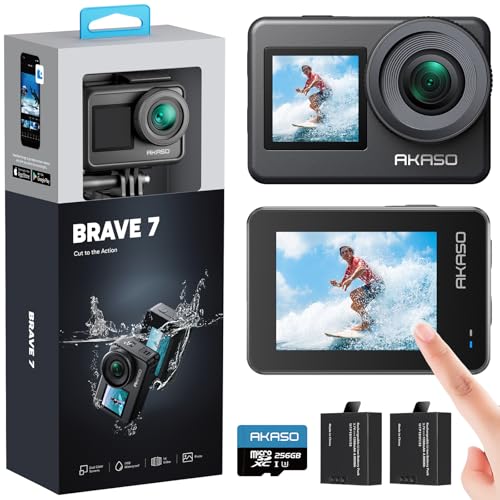
- AKASO (Average overall score: 6.9)
The chart below compares motorcycle action camera brands by average overall score.
[horizontal-chart-14343228374017860039003672459176641080610374303921]
What makes an action camera suitable for motorcycle use?
Strong 4K/60 stabilization, fast sensor readout, weather resistance, and secure low-profile mounting make an action camera suitable for motorcycle use. Fast sensor readout matters because rolling shutter can bend lamp posts, barriers, and the horizon when the camera vibrates or the rider turns quickly; a high resolution alone does not prevent that distortion.
The practical system is just as important as the imaging hardware. Look for a low-profile locking mount with a secondary tether, a sealed body with replaceable lens protection, physical controls that work with gloves, and clear status feedback that can be checked at a stop. Long rides also benefit from removable batteries or weather-protected USB-C power, high-capacity microSD support, loop recording, dependable file recovery after power loss, and stabilization that stays active in the chosen field of view, color mode, and frame rate.
How good should stabilization be on action cameras for motorcycle riding?
Stabilization on an action camera for motorcycle riding should control slow body movement, abrupt road impacts, and high-frequency engine vibration at 4K/60.
Ordinary walking stabilization is not enough. Check tests from helmet and vehicle mounts, because a camera can look smooth in handheld footage yet show fine jello-like distortion when vibration interacts with rolling shutter.
The strongest electronic mode may crop 10–30% of the frame, narrow the lens setting, or disable HDR, 10-bit color, and high frame rates. Horizon leveling is useful during lean transitions, but full horizon lock can make natural cornering look unnaturally flat and may impose an even larger crop.
Low light is the hardest case. Electronic stabilization can reposition frames, but it cannot restore detail blurred by a slow shutter, and aggressive vibration correction can amplify edge warping around the motorcycle screen or helmet. Fast sensor readout, controllable shutter limits, sensible ISO processing, and a rigid mount often improve footage more than selecting the maximum stabilization strength.
What mounting options work best on action cameras for motorcycle use?
Chin mounts work best for a natural rider viewpoint; low-profile helmet, handlebar, fairing, and chest mounts are the best options for other useful angles.
A chin mount usually gives the most natural rider perspective because it stays close to the eye line and turns with the helmet. It must fit the exact helmet shell, avoid vents and release mechanisms, and use a short tether; verify local rules and never drill or permanently modify protective helmet material.
Side and top helmet mounts are easier to fit but sit farther from the centerline. The extra leverage increases wind loading and can make the helmet feel unbalanced at speed, so keep extension arms as short as possible.
Handlebar or fairing mounts show the motorcycle clearly and avoid adding mass to the helmet. Use a rigid metal or reinforced clamp, an anti-rotation interface, thread-locking only where the mount maker permits it, and vibration isolation designed for cameras rather than a soft joint that lets the view oscillate. Check steering clearance, suspension movement, cables, and access to controls before riding.
A chest mount is protected from wind and produces a stable view, but the fuel tank, screen, or rider arms may obstruct the frame. Whatever position you choose, add a secondary tether and inspect every joint after the first few kilometres.
How do wind, rain, and speed affect action cameras for motorcycle use?
Wind, rain, and speed increase mount vibration and aerodynamic load, overwhelm microphones, and reduce lens visibility on action cameras used on motorcycles. Aerodynamic force rises rapidly with speed, so a tall extension arm that feels secure when stationary can vibrate, rotate, or overload an adhesive base on the road. Wind also overwhelms exposed microphones; digital wind reduction can make speech easier to understand, but it may remove engine detail and make voices sound processed, while a foam cover can help only if it stays clear of the lens and controls.
Rain adds water droplets, reflections, and seal risk, while speed turns small droplets and insects into persistent image obstructions. A hydrophobic lens protector, replaceable front glass, fully latched port doors, and a low-profile mounting position reduce these problems, but no waterproof rating protects an open USB door used for external power. At the same time, vibration and rapid scenery movement demand a fast shutter and high bitrate; otherwise foliage, barriers, and road texture can become smeared or heavily compressed even when the nominal resolution is 4K.
How much do action cameras for motorcycle riding cost?
Action cameras suitable for motorcycle riding commonly cost about £130-£520, while the strongest mainstream options tend to sit around £220-£390.
Below £170, basic stabilized 4K and long-battery specialist cameras are available, but stabilization mode limits, sensor readout, microphone quality, app support, and replacement parts need careful checking.
The middle price band generally buys more dependable 4K/60 stabilization, better horizon control, stronger weather sealing, brighter displays, removable batteries, replaceable lens covers, and a larger supply of locking mounts and power accessories. That combination is usually more valuable on a motorcycle than paying only for a higher maximum resolution.
Premium models above roughly £400-£500 make sense when you need a larger sensor, advanced 10-bit or log recording, high-resolution 360-degree reframing, integrated telemetry, or professional synchronization features. Budget another £40-£170 for the correct helmet or vehicle mount, a tether, spare batteries or sealed power lead, lens protectors, and a high-endurance memory card.
What should you check before buying an action camera for motorcycle riding?
The main points to check before buying an action camera for motorcycle riding are as follows:
- Recording modes and stabilization: Confirm stabilization at the exact resolution and frame rate you intend to use, ideally 4K at 50 or 60 fps. Check whether horizon leveling, HDR, 10-bit color, the widest field of view, or external audio becomes unavailable in that mode, because a strong feature list may describe settings that cannot operate together.
- Sensor readout and shutter control: Look for real motorcycle footage showing vibration, rapid pans, and roadside vertical lines. Slow readout produces jello and leaning objects, while slow shutter speeds blur road texture; manual shutter limits, exposure compensation, and sensible ISO control help the camera preserve detail in changing light.
- Helmet and vehicle mounting compatibility: Verify that the ecosystem includes a low-profile chin or helmet base, rigid handlebar or fairing clamps, locking quick releases, and short safety tethers. Confirm shell compatibility, steering and suspension clearance, local helmet rules, and whether the mount can release safely without weakening protective equipment.
- Vibration and aerodynamic load: Check whether the camera and mount have been tested on the intended motorcycle position, not only handheld. Long arms amplify wind force and engine vibration, while overly soft isolation lets the image oscillate; use the shortest rigid assembly that controls vibration without transferring damaging resonance to the camera.
- Weather sealing and lens protection: Distinguish native waterproofing from protection that requires a housing, and inspect how battery and USB doors seal. If external power is needed, use a purpose-designed weather-resistant pass-through system; an open port cancels the practical rain protection even when the camera body has a strong depth rating.
- Battery, external power, and heat: Compare runtime with 4K/60, stabilization, screens, GPS, and wireless functions active. Confirm removable batteries or recording over USB-C, check whether the camera restarts automatically after power interruption, and review overheating limits because direct sun and continuous charging can stop long recordings.
- Storage and recording reliability: Verify maximum microSD capacity, the approved card list, and the U3, V30, or faster requirement for the highest bitrate. Check loop-recording behavior, file-chapter length, overwrite rules, recovery after sudden power loss, and whether a 256 GB or 512 GB card provides enough hours for the planned route.
- Controls and status feedback: Test one-button recording, glove-friendly controls, voice commands through a helmet, and compatible Bluetooth or handlebar remotes. Bright front and rear LEDs, audible alerts, vibration confirmation, and a remote status display reduce the risk of riding for an hour with an empty battery or stopped recording.
- Audio and wind management: Check microphone placement, wind-reduction modes, external microphone support, and whether a microphone adapter occupies the charging port or compromises weather sealing. Helmet speech may require a wired or wireless microphone, but Bluetooth implementations can add latency, use compressed audio, or support only selected accessories.
- Telemetry, workflow, and legal limits: Decide whether GPS speed, route, lean data, timecode, or multi-camera synchronization is required and confirm that the data can be exported without proprietary restrictions. Also check local laws on helmet attachments, road recording, privacy, and audio capture; technical capability does not guarantee that every mounting or recording method is permitted.