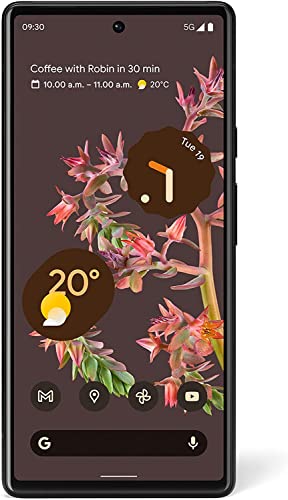
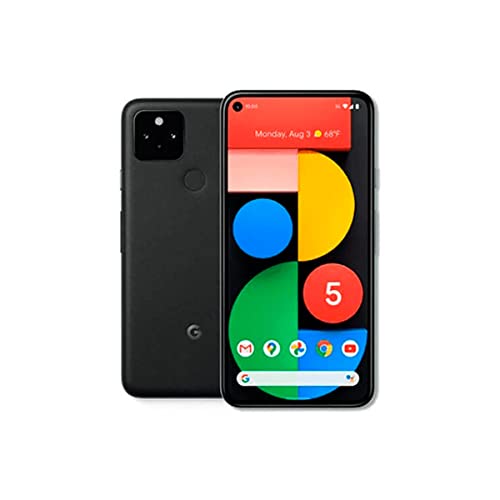
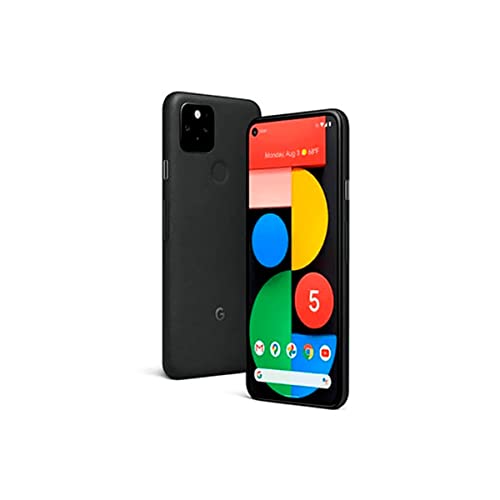
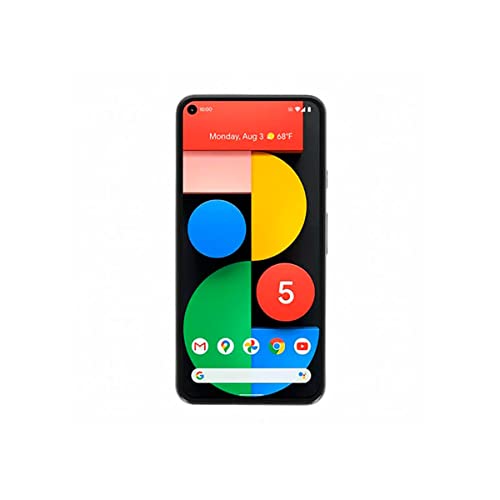
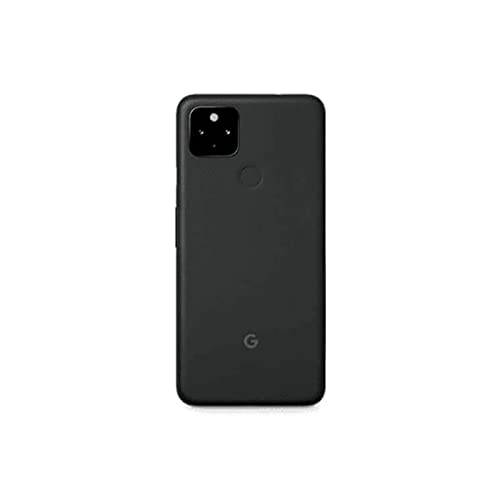
Google Pixel 5 (128GB) review. Compare 197 technical specifications and user reviews to see how this product ranks in the Smartphones category and whether it is worth buying.
Overall score
What it is: An overall evaluation of the smartphone's quality, based on technical analyses and user reviews.
When it matters: When you need a quick reference to identify the best smartphones on the market.
Score components:
90.0%
Technical Score
10.0%
User score
Technical Score
What it is: An assessment of the smartphone's technical performance, covering eight key areas: performance & hardware, software, camera, connectivity, display, battery, audio, and design.
When it matters: When you want to compare smartphones based on technical performance and available features.
Score components:
25.0%
Performance & Hardware
18.0%
Camera
15.0%
Display
15.0%
Battery
10.0%
Software
10.0%
Connectivity
4.0%
Audio
3.0%
Design
User score
What it is: A rating that combines user reviews and the total number of reviews received by the smartphone
When it matters: When you want to know how a smartphone handles daily tasks and how reliable it remains over time according to user feedback.
Score components:
70.0%
User reviews
30.0%
Popularity
Available: ranking among products currently available (including other versions of this product).
All: ranking among all products in the database.
#43 in Best Google Phones
#51 in Best Compact Smartphones
#58 in Best 6-Inch Smartphones
#609 in Best Mid-Range Smartphones
#1479 in Best NFC Smartphones
#1508 in Best 5G Smartphones
#1508 in Best Android Smartphones
#1625 in Best AI Smartphones
#1627 in Best Smartphones
#2376 in Best Battery Life Smartphones
#2568 in Best Value Smartphones
What it is: An assessment of the smartphone's technical performance, covering eight key areas: performance & hardware, software, camera, connectivity, display, battery, audio, and design.
When it matters: When you want to compare smartphones based on technical performance and available features.
Score components:
25.0%
Performance & Hardware
18.0%
Camera
15.0%
Display
15.0%
Battery
10.0%
Software
10.0%
Connectivity
4.0%
Audio
3.0%
Design
What it is: A rating that combines user reviews and the total number of reviews received by the smartphone
When it matters: When you want to know how a smartphone handles daily tasks and how reliable it remains over time according to user feedback.
Score components:
70.0%
User reviews
30.0%
Popularity
What it is: An indicator that combines the smartphone's overall rating with its cost.
When it matters: When you are looking for a smartphone with a good balance between quality and price.
Score components:
60.0%
Overall score
40.0%
Price
Importance: LOW
Importance: HIGH
Importance: HIGH
Good value: >12 GB
Importance: MEDIUM
Good value: >256 GB
Importance: MEDIUM
Good value: >3.2 GHz
Importance: LOW
Importance: MEDIUM
Good value: >1500
Importance: LOW
Good value: >4000
Importance: LOW
Good value: 8+
Importance: LOW
Importance: LOW
Good value: >950 MHz
Importance: LOW
Good value: >700
Importance: LOW
Good value: >1000
Importance: LOW
Good value: >2500
Importance: MEDIUM
Good value: >6000
Importance: LOW
Good value: >8000
Importance: MEDIUM
Good value: >12000
Importance: LOW
Good value: >5000
Importance: LOW
Good value: >1800
Importance: LOW
Good value: >3200 MHz
Importance: LOW
Good value: 5
Importance: LOW
Good value: > 50 GB/s
Importance: LOW
Good value: 4
Importance: LOW
Good value: >16 GB
Importance: MEDIUM
Good value: <6 nm
Importance: MEDIUM
Good value: >9 W
Importance: LOW
Importance: LOW
Good value: >8192 KB
Importance: LOW
Good value: >2048 KB
Importance: LOW
Good value: >512 KB
Importance: LOW
Good value: >100000 million
Importance: LOW
Good value: 3.3
Importance: LOW
Good value: 3.2
Importance: LOW
Good value: 2.0/3.0
Importance: LOW
Importance: LOW
Importance: LOW
Importance: MEDIUM
Importance: LOW
Importance: LOW
Importance: LOW
Importance: LOW
Importance: LOW
Importance: LOW
Importance: LOW
Importance: LOW
Importance: LOW
Importance: LOW
Importance: LOW
Importance: LOW
Importance: LOW
Importance: LOW
Importance: LOW
Importance: LOW
Importance: LOW
Importance: LOW
Importance: LOW
Importance: LOW
Importance: LOW
Importance: LOW
Importance: LOW
Importance: LOW
Importance: LOW
Importance: LOW
Importance: LOW
Importance: LOW
Importance: LOW
Importance: LOW
Importance: LOW
Importance: LOW
Importance: LOW
Importance: MEDIUM
Good value: >50 MP
Importance: MEDIUM
Importance: HIGH
Good value: >60
Importance: LOW
Good value: ≥1.2 µm
Importance: MEDIUM
Good value: >2.5x
Importance: MEDIUM
Importance: LOW
Importance: LOW
Importance: LOW
Importance: LOW
Good value: ≥2
Importance: LOW
Importance: LOW
Importance: LOW
Importance: LOW
Good value: >16 MP
Importance: LOW
Importance: LOW
Importance: LOW
Importance: LOW
Importance: MEDIUM
Importance: LOW
Importance: LOW
Importance: LOW
Importance: LOW
Importance: LOW
Importance: LOW
Importance: LOW
Importance: LOW
Importance: LOW
Importance: LOW
Importance: LOW
Importance: LOW
Importance: LOW
Importance: LOW
Importance: LOW
Importance: LOW
Importance: LOW
Importance: LOW
Importance: LOW
Importance: LOW
Importance: LOW
Good value: >130
Importance: LOW
Good value: >120
Importance: LOW
Good value: ≥2
Importance: LOW
Importance: LOW
Importance: LOW
Importance: LOW
Importance: LOW
Importance: LOW
Good value: >5.2
Importance: LOW
Importance: LOW
Importance: LOW
Importance: LOW
Good value: 3.1/3.2
Importance: LOW
Importance: LOW
Importance: LOW
Good value: ≥2
Importance: LOW
Importance: LOW
Importance: LOW
Importance: LOW
Importance: LOW
Importance: LOW
Importance: LOW
Importance: LOW
Importance: LOW
Importance: LOW
Importance: LOW
Importance: LOW
Importance: LOW
Importance: LOW
Importance: LOW
Importance: LOW
Good value: ≥6.6 inches
Importance: MEDIUM
Importance: LOW
Good value: >400 ppi
Importance: MEDIUM
Importance: MEDIUM
Good value: ≥120 Hz
Importance: LOW
Importance: LOW
Good value: >300 Hz
Importance: LOW
Good value: >800 nits
Importance: LOW
Good value: >1300 nits
Importance: LOW
Good value: >1000 nits
Importance: LOW
Importance: LOW
Importance: LOW
Importance: LOW
Importance: LOW
Importance: LOW
Importance: LOW
Importance: LOW
Importance: HIGH
Good value: >5000 mAh
Importance: MEDIUM
Good value: >60 W
Importance: LOW
Importance: LOW
Good value: <45 min
Importance: LOW
Importance: LOW
Good value: >40 W
Importance: LOW
Importance: LOW
Good value: >10 W
Importance: LOW
Importance: LOW
Importance: MEDIUM
Importance: LOW
Good value: >800
Importance: LOW
Importance: LOW
Importance: LOW
Importance: LOW
Importance: LOW
Good value: ≥3
Importance: LOW
Importance: LOW
Importance: LOW
Importance: LOW
Importance: LOW
Importance: LOW
Importance: LOW
Good value: <162 mm
Importance: LOW
Good value: <75 mm
Importance: LOW
Good value: <8 mm
Importance: LOW
Good value: <190 g
Importance: LOW
Good value: <98cm³
Importance: LOW
Importance: LOW
Importance: LOW
Importance: LOW
Importance: LOW
Importance: LOW
Good value: ≥1.5 m
Importance: LOW
Importance: LOW
Good value: >8
Importance: LOW
Importance: LOW
Importance: MEDIUM
Importance: LOW
Importance: LOW
Importance: LOW
Good value: ≥1.2 µm
Importance: LOW
Importance: LOW
Importance: LOW
Importance: LOW
Importance: MEDIUM
Good value: ≥120 Hz
Importance: MEDIUM
Good value: >256 GB
Importance: LOW
Good value: ≥6.6 inches
Importance: LOW
Importance: HIGH
Good value: >5000 mAh
Importance: MEDIUM
Good value: >50 MP
Importance: LOW
Good value: >950 MHz
Importance: LOW
The Google Pixel 5 is described as a "no-nonsense tool" that prioritizes simplicity and utility over the high-end, glass-clad trends of its competitors. The reviewer highlights its compact, unassuming design as a major pro, noting that its small size and "soft in the hand" metal body—coated in a unique, non-slip material—make it a dream for lovers of smaller phones. Other significant strengths include its exceptional battery life from a 4,000mAh cell that easily lasts through a day of heavy use, a reliable camera system that excels in HDR processing and low-light conditions, and a "glorious" capacitive rear fingerprint reader that outperforms modern in-display sensors. However, the review points out several drawbacks, most notably its $699 price tag, which the author argues is inflated by the unnecessary inclusion of Verizon’s 5G mmW technology. Performance is another area of concern; despite having a 90Hz display and 8GB of RAM, the Snapdragon 765G processor occasionally stutters and feels less responsive than competing devices from OnePlus or Samsung. Additionally, the 18W wired charging is considered slow by 2020 standards, and the display—while functional—suffers from...
The Laptop Mag review characterizes the Google Pixel 5 as a high-performing, $699 mid-range device that prioritizes a premium, ergonomic user experience over raw power, featuring a 6-inch AMOLED display with a 90Hz refresh rate and a unique, grippy, recycled aluminum chassis. Key strengths include, according to the review, the device's world-class camera system, robust battery life, and a clean Android interface with exclusive, useful software tools. Laptop MagHowever, the review highlights significant compromises made to hit this price point, including the use of a Snapdragon 765G chipset, which represents a performance downgrade compared to previous flagship processors. Other mentioned drawbacks include the removal of IR-based face unlock, a shift to an ultrawide lens instead of a telephoto, and underwhelming speakers that produce distorted, tinny audio at high volumes. Laptop MagUltimately, the analysis concludes that while the Pixel 5 may not satisfy performance enthusiasts, it is a highly functional, everyday device ideal for users who value usability, display quality, and photography. Despite noted concerns about potential quality control issues regarding screen-frame gaps, the phone is deemed a solid, if slightly...
The Business Insider review positions the Google Pixel 5 as a practical, value-focused 5G smartphone that pivots away from high-priced, experimental hardware to focus on core user experience. It features a refined design with a 90Hz OLED display, utilizing a capable Snapdragon 765G processor rather than a top-tier flagship chip, resulting in a more balanced, albeit less powerful, device. Key pros highlighted include exceptional all-day battery life, a stellar camera system featuring HDR+ and an ultrawide lens, and useful exclusive software like "Hold for Me". The phone's design is praised for its durable, one-handed, aluminum construction and the return of the reliable rear fingerprint sensor. Conversely, the review notes cons such as mid-range performance that cannot compete with raw flagship power and inconsistent, subpar video recording capabilities. Additionally, the removal of motion sense, face unlock, and the muffled audio from the under-display speaker are highlighted as compromises.
The Google Pixel 5 shifts to a more affordable, compact design featuring a 6-inch 90Hz display and a durable aluminum back, though it loses the Pixel 4's Motion Sense and relies on a sometimes inaccurate rear fingerprint sensor. Performance is driven by a mid-range Snapdragon 765G chipset which lags behind competitors, yet this enables significantly improved, all-day battery life. While the camera software remains a strength with the addition of a useful 16MP ultra-wide lens, the lack of a dedicated telephoto lens and average low-light improvements are notable drawbacks.
The Google Pixel 5 features a durable, recycled aluminum body with a unique bio-resin coating, prioritizing a practical, ergonomic design over a traditional glass build. Its 6-inch 90Hz OLED display offers a modern, balanced viewing experience, complemented by excellent battery life that reliably lasts a full day. While the Snapdragon 765G processor is not top-tier, 8GB of RAM ensures smooth performance, but the under-display speaker provides subpar, muffled audio. The 12.2MP camera remains highly capable for point-and-shoot photography, and the inclusion of a 16MP ultrawide lens is a positive change. Ultimately, the Pixel 5 is positioned as a "sensible" device focusing on utility and software longevity at a lower price point. It is a strong, compact option that emphasizes practical, everyday performance over raw, high-end specifications.
The Google Pixel 5 prioritizes user experience over top-tier hardware, offering a balanced, compact design with a durable aluminium body and a smooth 90Hz OLED display. Key pros include the return of the rear-mounted fingerprint sensor, IP68 water resistance, and efficient 5G performance, though it sacrifices a premium processor for the mid-range Snapdragon 765G. While the camera system excels with computational photography and a new ultrawide lens, the lack of a dedicated telephoto sensor limits zoom capabilities. Other cons include mediocre loudspeakers and relatively slow 18W charging.
According to Tom's Guide, the Google Pixel 5 is a reasonably priced phone that prioritizes simplicity with a compact design and solid battery life. While it offers an excellent camera experience with a new ultrawide lens, it uses a mid-range chipset and its 90Hz display falls short of competitors' 120Hz refresh rates. Tom's Guide notes that the Pixel 5 is outmatched in value by Google's cheaper Pixel 4a 5G, which shares the same camera and processor. Tom'
According to a review, the Google Pixel 5 prioritizes a refined and practical user experience over experimental features, featuring superior build quality with a less slippery, textured aluminum back and a functional rear-mounted fingerprint scanner. The device's primary strengths are its flawless Android 11 software and significantly improved battery life, which often lasts a full day with over 50% charge remaining. While the review notes cons like a mid-range CPU that shows minor lag in specific tasks and an aging camera sensor despite brilliant photo output, the overall user experience is considered more reliable than previous models.
According to a HotHardware review, the Google Pixel 5 shifted focus to a premium mid-range experience, featuring a 6-inch 90Hz OLED display, durable aluminum body, and a Snapdragon 765G processor that performs well for daily tasks but lags in intensive gaming. While using an older camera sensor, Google's computational photography excels with impressive Night Sight and a new 16MP ultrawide lens, though the removal of the Pixel Neural Core slows processing. The device significantly improves battery life with a 4080mAh cell, includes IP68 water resistance and wireless charging, but lacks a telephoto lens, headphone jack, and Face Unlock, ultimately appealing to users prioritizing camera and software over raw power.
According to Android Authority, the Google Pixel 5, reviewed in 2020 and updated in 2021, featured a 6.0-inch FHD+ 90Hz OLED display, a 4,080mAh battery offering up to two days of use, and a unique recycled aluminum build with bio-resin coating enabling wireless charging. While its camera retained strong computational photography features like Night Sight Portrait and introduced a 16MP ultrawide sensor, it dropped the telephoto lens and its aging 12.2MP main sensor and video quality showed limitations compared to newer phones. The phone's mid-range Snapdragon 765G processor, slow 18W wired charging, and poor under-display speaker quality were noted as drawbacks, though the device was praised for its clean software and regular updates.
Wired's review describes the Google Pixel 5 as a device that prioritizes user experience and a compact design, moving away from previous gimmicky features. Pros highlighted include the significantly improved 4,080-mAh battery, a smooth 6-inch 90-Hz OLED display, and a strong camera with new software features like "Hold for Me" and Night Sight for Portrait mode. However, cons noted are the mid-range Snapdragon 765G processor, lack of Wi-Fi 6, video quality that trails competitors, and average stereo speakers.
The Google Pixel 5 is presented as a "new kind of flagship" prioritizing software and photography over raw processing power, utilizing a mid-range Snapdragon 765G processor and featuring a durable aluminum unibody with a 6-inch 90Hz OLED display. Pros include an excellent camera system with updated color science and an ultrawide lens, long battery life, wireless charging, IP68 rating, C-band 5G support, and exclusive Android software features. Cons consist of lackluster audio quality, the absence of Wi-Fi 6, and the lack of a dedicated telephoto lens, making it a "fine alternative" that faces stiff competition from more powerful devices at a similar price.
According to CNET, the Google Pixel 5 is a "back-to-basics" flagship that swaps raw processing power for better battery life and a lower $699 price point. Key pros include a significantly improved 4,000-mAh battery lasting over 21 hours and a smooth 90Hz display, though a major con is the mid-range Snapdragon 765G processor, which lags behind competitors. Furthermore, while the camera system remains capable, the removal of the telephoto lens in favor of an ultrawide, along with aging hardware, means its photo dominance is shrinking, particularly in low-light, according to CNET.
In a review for Ars Technica, the Google Pixel 5 is criticized for an unwise allocation of its budget, particularly the inclusion of expensive mmWave 5G hardware that adds cost without significant user benefit, while using an older camera sensor. The phone is praised for its compact design, 90Hz OLED display, significantly improved battery life, recycled aluminum body, and clean Android software with guaranteed updates. Despite strong computational photography, major drawbacks include poor speaker quality, a heavily throttled processor, and potential quality control issues like a screen gap, making it feel outclassed by similarly priced competitors.
The Google Pixel 5 is described as a "courageous step backwards" that abandons the high-end specs race to focus on a balanced, reliable user experience. Key pros include the return of a rear fingerprint sensor, the removal of the Soli radar chip to improve battery life, a lightweight design, and a 90Hz OLED display. Furthermore, the device brings 5G, wireless charging, and IP68 water resistance to the mid-range price point. On the camera front, the Pixel 5 continues to excel in computational photography, utilizing software to produce excellent,, detailed photos with an improved ultrawide lens. However, the device features a mid-range Snapdragon 765G processor, which lacks the power of top-tier rivals and can lead to slower image processing. Other cons include the lack of a telephoto lens, no headphone jack, and a mediocre audio system.
The Süddeutsche Zeitung describes the Google Pixel 5 as a "sensible" device that abandons top-tier specs for a mid-range processor, providing smooth performance for daily tasks, though it struggles with intensive gaming. Key advantages include significantly improved battery life from a 4,080 mAh unit and a durable, textured aluminum design, while the removal of a dedicated telephoto lens is a notable disadvantage for zoom photography. Despite using an older camera sensor, Google's software continues to deliver top-tier, natural image quality, making the phone a practical, well-rounded choice, according to the review.
Heise’s review of the Pixel 5 highlights a strategic shift toward a balanced, price-conscious, and compact flagship featuring a durable, textured aluminum body. The 4,080 mAh battery offers excellent stamina, while the 90Hz OLED display provides smooth performance. Key pros include this enhanced battery life and high-quality construction. On the camera front, the 12.2MP main sensor, paired with improved computational photography and a new 16MP ultra-wide lens, delivers top-tier results. However, the ultra-wide lens lacks autofocus and optical image stabilization (OIS), making it less capable in low-light conditions. The display, while smooth, also has lower peak brightness than competitors. The device compromises on performance, featuring a Snapdragon 765G processor that is less capable for gaming than true high-end chips. A notable drawback is the muffled under-display speaker, described as unengaging for media consumption. Additionally, the similarity to the cheaper Pixel 4a 5G makes the higher price for the Pixel 5's improved screen and build quality harder to justify.
The CNET France review of the Google Pixel 5 highlights a strategic shift toward an "essential" flagship experience, focusing on usability over raw power. Key pros include a compact, ergonomic design with a unique recycled aluminum finish, a smooth 90Hz OLED display, and premium features like IP68 water resistance. While the Snapdragon 765G offers capable 5G performance for daily tasks, the device primarily stands out for its exceptional computational photography and useful software, such as the 16MP ultrawide lens and improved Portrait Night Sight. Conversely, the review notes significant cons, specifically disappointing audio quality from the under-display speaker and relatively slow 18W charging speeds, despite the 4,080mAh battery providing excellent longevity. Furthermore, the removal of Soli radar and facial recognition compared to previous models may feel like a regression for some users.
The Phonandroid review characterizes the Google Pixel 5 as a strategic "premium mid-range" pivot, prioritizing efficiency, a compact 151g design, and a unique recycled aluminum body over raw, top-tier flagship power. Key pros include outstanding, all-day battery life, a 90Hz OLED display, and continued photographic excellence driven by computational AI and a new ultra-wide lens. Conversely, the device suffers from mediocre audio quality due to an under-display earpiece and lower performance benchmarks, making it less suitable for intensive gaming.
The Google Pixel 5 pivots to a "fair balance" strategy, focusing on excellent ergonomics, a compact design with a 6-inch 90Hz OLED screen, and a durable bio-resin-coated aluminum back, according to Les Numériques. While the display offers near-perfect color accuracy, the design sacrifices premium materials for improved drop resistance and better grip. Les NumériquesPowered by the mid-range Snapdragon 765G, the device excels in battery life and daily fluidity, although it shows limitations in high-end gaming compared to 800-series rivals. The review notes the absence of premium features from the previous generation, such as Soli radar and secure face unlock, marking a shift toward efficiency over pure power. Les Numé In photography, the 12.2MP main sensor, combined with a new 16MP ultra-wide lens and advanced algorithms, produces exceptional results in both bright and low-light conditions. However, the analysis highlights the lack of a dedicated telephoto lens and the use of a traditional rear-mounted fingerprint sensor as minor drawbacks.
The Frandroid review characterizes the Google Pixel 5 as a "back to basics" flagship, prioritizing a compact, 6-inch 90Hz OLED display and a unique, durable recycled aluminum chassis over raw performance. Pros include an exceptional, non-slip design, excellent battery life powered by the Snapdragon 765G, and a refined Android 11 experience. However, the device sacrifices top-tier gaming performance and lacks a telephoto lens, while the under-display speaker is noted as a significant audio drawback. Despite these cons, the Pixel 5 is considered a highly ergonomic and reliable, though premium-priced, choice. For more details, visit Frandroid.
The Google Pixel 5 is characterized as a compact "back to basics" flagship, featuring a durable, eco-friendly aluminum design with a unique bio-resin coating. Key pros include the 6-inch 90Hz OLED display and excellent battery life, with the 4,080mAh cell supporting rapid charging. While photography benefits from AI-driven software, the reliance on older sensors means the device lacks some top-tier, high-resolution capabilities. Performance, however, is a notable limitation due to the mid-range Snapdragon 765G processor, which lags in intensive gaming compared to rivals. Other cons include the absence of a dedicated optical telephoto lens and relatively underwhelming, quiet speakers.
Cybersoleil characterizes the Google Pixel 5 as a strategic shift away from ultra-premium competition toward a high-end, functional, and compact mid-range offering. The review highlights its exceptional computational photography, superior battery life, and high-quality 90Hz OLED display as key pros, noting its return to a rear-mounted fingerprint sensor. However, the analysis notes cons regarding the mid-range Snapdragon 765G processor, lack of top-tier audio, and absence of a telephoto lens or headphone jack, concluding that cheaper alternatives like the Pixel 4a 5G challenge its value proposition. Le Soleil de Châ
The Google Pixel 5 is positioned as a "back to basics" flagship focusing on usability, featuring a durable, eco-friendly aluminum body and a 90Hz OLED display ideal for one-handed use. Key strengths include exceptional battery life and reliable, high-quality photography powered by Google's computational software. While the device offers a smooth, compact experience, it is limited by underwhelming audio from its under-display speaker, a lack of a telephoto lens, and a mid-tier processor.
The Pisapapeles review of the Google Pixel 5 highlights a shift to a "back to basics" approach, featuring a compact, 100% recycled aluminum body with a unique, grippy bio-resin texture. The device boasts a 6-inch 90Hz OLED display and brings back the reliable rear fingerprint sensor. Key pros include excellent camera performance driven by computational photography and vastly improved battery life with 4,080mAh, wireless, and reverse charging capabilities. Performance is managed by a Snapdragon 765G chipset with 8GB of RAM, offering smooth, daily functionality, though it is not intended for heavy gaming. However, the phone is marred by lackluster audio quality due to a display-embedded speaker and the removal of the telephoto lens, opting for an ultrawide sensor instead. Other cons include the lack of a headphone jack and no expandable storage. Ultimately, the Pixel 5 is recognized as a reliable, well-built device that, despite its solid performance, faces tough competition from the Pixel 4a 5G and other mid-range rivals offering better hardware value.
The Gizmodo review highlights the Google Pixel 5 as a strategic shift towards a more practical, affordable, and compact device, abandoning premium experimental hardware for a,, core experience. Pros include the return of the reliable rear fingerprint sensor, a comfortable recycled aluminum build with "bio-resin" finish, and a large 4,080mAh battery that fixes previous longevity issues. While the Snapdragon 765G processor is a con for heavy gaming, it delivers smooth daily performance, though the under-display speaker is noted as a weakness. The camera remains a top feature with a new 16MP ultrawide lens and improved computational photography, although the lack of a dedicated optical zoom is a minor limitation.
The Evosmart.it review characterizes the Google Pixel 5 as a compact, solid device featuring a durable, eco-friendly aluminum design with IP68 certification. Its 6.0-inch 90Hz OLED display is highlighted as a top-tier feature, offering a premium, ergonomic, and high-refresh-rate experience in a small form factor. Pros include excellent camera performance from the 12.2 MP main and 16 MP ultra-wide sensors, alongside reliable, fast software and strong network connectivity. The device offers a streamlined user experience, making it a strong contender for those prioritizing photo quality and ease of use. Conversely, the review identifies drawbacks like the 4080 mAh battery, which is considered small for its class, paired with slower 18W charging. Additionally, the lack of expandable storage and the fact that it was not officially sold in Italy at launch are noted as significant, limiting factors.
The Google Pixel 5 prioritizes a compact, eco-friendly aluminum design with a 90Hz OLED display over top-tier processing power, utilizing a Snapdragon 765G chip. Pros include robust 5G connectivity, a clean Android 11 experience, and significantly improved battery life (4,080mAh) lasting nearly two days. Cons note that performance lags behind competitors, and the device lacks a flagship-level processor. Camera capabilities feature a 12.2MP main sensor paired with a 16MP ultra-wide, dropping the previous telephoto lens. While computational photography remains strong, the review highlights grainy low-light performance and limited zoom capabilities as cons. The rear fingerprint sensor is sometimes inconsistent, and it lacks the face unlock features of its predecessor. The device is described as a 'mixed bag' for using 18W charging and lacking premium, deep-sounding speakers, along with no microSD support. Although it includes wireless and reverse wireless charging, the Pixel 5 is positioned as a niche, compact alternative to more powerful, cheaper 5G devices in the market.
The SmartWorld review of the Google Pixel 5 highlights a strategic pivot towards a balanced, mid-range experience, featuring a compact design with a 6-inch 90Hz OLED display and a durable bio-resin coated aluminum back. While switching to the Snapdragon 765G processor, the device maintains a smooth user experience, with the camera system standing out for its computational photography, 16MP ultra-wide sensor, and improved video stabilization. Key advantages include vastly improved 4,080mAh battery life and IP68 water resistance, while compromises include lower-tier gaming performance and a mediocre, under-display earpiece.
TuttoAndroid characterizes the Google Pixel 5 as a strategic shift focusing on balanced, reliable performance over top-tier specifications, featuring a compact design with a unique bio-resin aluminum finish and a smooth 90Hz OLED display. The review praises the 4080 mAh battery life and the camera system, specifically highlighting the 16MP ultrawide lens and superior software processing that delivers exceptional photos despite mid-range hardware. Notable drawbacks include muffled audio from the under-display speaker, the lack of a dedicated telephoto lens, and lower raw processing power compared to competitors at a similar price point.
Andrea Galeazzi defines the Google Pixel 5 as a "return to balance," prioritizing a practical "less is more" philosophy with excellent compact ergonomics, a 151g weight, and a unique bio-resin coating. While featuring a mid-range Snapdragon 765G processor rather than a high-end chipset, it offers a reliable experience with 8GB of RAM and a 90Hz OLED display. Key pros include the return of the rear fingerprint sensor, a versatile 16MP wide-angle lens, and significantly improved battery life, supported by 4080mAh and reverse wireless charging capabilities. The device brings back a functional design focus, aiming for a more balanced user experience compared to previous, more experimental Pixel models. Conversely, cons include the removal of innovative features like Soli radar and 3D face unlock, viewed by Galeazzi as a step backward. Other drawbacks noted are compromised audio quality from the under-display speaker, minor connectivity issues, and limited availability in Italy at launch.
The Google Pixel 5 is characterized as a sober, durable, and practical flagship that prioritizes software experience and efficient, natural-looking photography over premium materials or top-tier processing power. Key advantages include an excellent 90Hz OLED display, exceptional battery life, and impressive low-light camera capabilities via Night Sight, though the device lacks a dedicated telephoto lens and raw processing power compared to competitors. While the design is functional and ergonomic, featuring a unique textured finish, the review notes a lackluster aesthetic and a slightly tedious initial setup process. For more details, visit Laurent Willen.
The GadgetKeuze review describes the Google Pixel 5 as a solid, mid-range device prioritizing daily usability with a durable aluminum body, a 6-inch 90Hz OLED display, and a unique, grippy bio-resin coating. It highlights reliable performance and excellent battery life, with the camera system leveraging superior software for high-quality photos and 4K 60fps video. Specific drawbacks include the lack of a 3.5mm headphone jack, a missing telephoto lens, and a Snapdragon 765G processor that, while capable, falls short of true flagship power.
The Androidworld review of the Google Pixel 5 highlights a "back to basics" approach, pairing a mid-range Snapdragon 765G processor with a 90Hz OLED display to deliver exceptional battery life and a fluid user experience. While the 12.2MP camera remains a top performer through superior computational photography, the device replaces the previous telephoto lens with a 16MP ultra-wide sensor, complemented by new, improved video features. Key drawbacks noted in the review include lackluster audio quality from the under-display speaker, the removal of face unlock, and the absence of a top-tier processor.
The Google Pixel 5 is a durable, sustainable mid-range device with a 100% recycled aluminum body, a 6-inch 90Hz OLED display, and a 4080mAh battery that offers excellent, long-lasting performance. While the Snapdragon 765G chipset and 128GB of non-expandable storage are capable for daily use, they represent a step down in raw power compared to typical high-end rivals. Despite using older hardware, the camera excels through superior software, though the device is held back by slow 18W charging and mediocre in-display speaker quality.
The Google Pixel 5 is identified as a reliable, balanced smartphone that improves upon its predecessors through a compact design, excellent one-handed usability, and significantly improved battery life. While the shift to a mid-range Snapdragon 765G processor provides less raw power than rivals, it enables a smooth, clean Android experience and 5G connectivity. The camera remains a standout feature with excellent photo quality, including a new ultra-wide-angle lens, making it a compelling, albeit less "exciting," choice for users.
Tweakers.net identifies the Pixel 5 as a strategic shift towards a refined, mid-range experience, utilizing a Snapdragon 765G chipset and 90Hz OLED display to prioritize efficiency and daily performance over raw power. Key advantages include a compact, durable, bio-resin coated aluminum body, robust IP68 protection, and improved battery life via a 4080mAh cell. Conversely, limitations highlighted in the review include the replacement of the telephoto lens with an ultra-wide, the removal of Soli radar/face unlock, a lackluster under-display speaker, and relatively slow 18W charging.

Compare