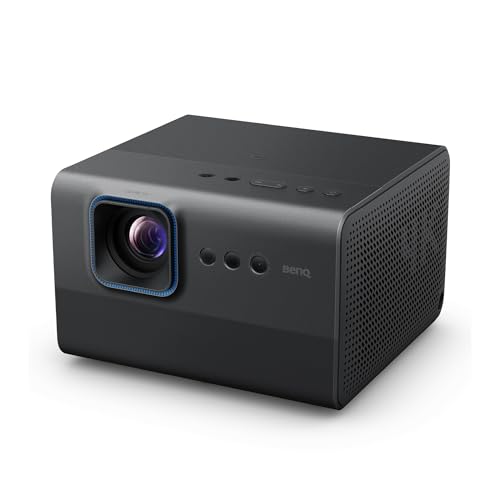
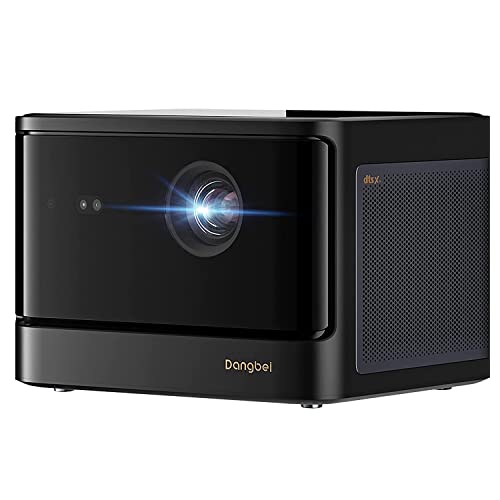
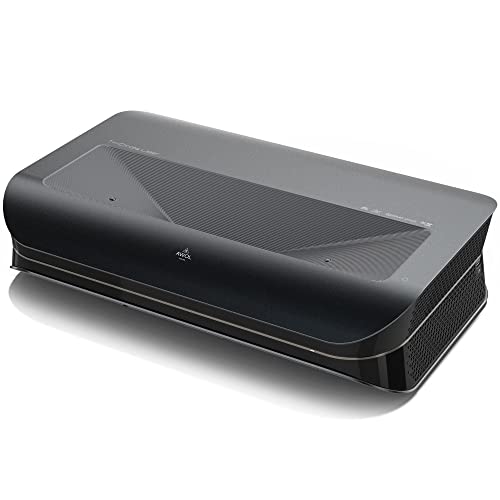
Which brands make the best 3D projectors?
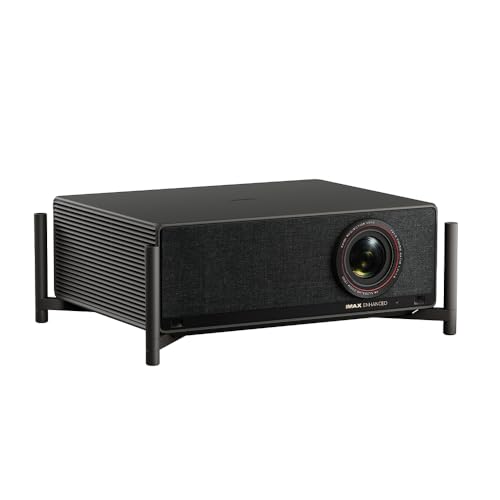
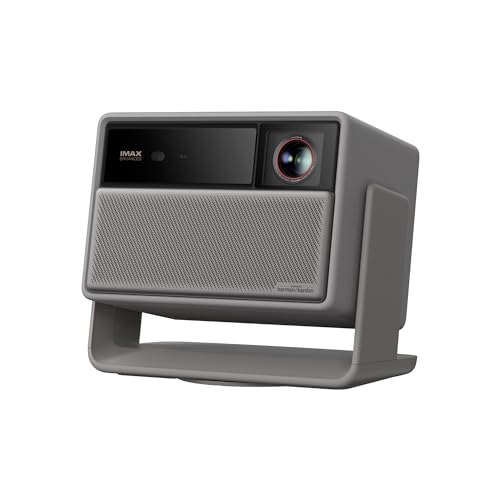
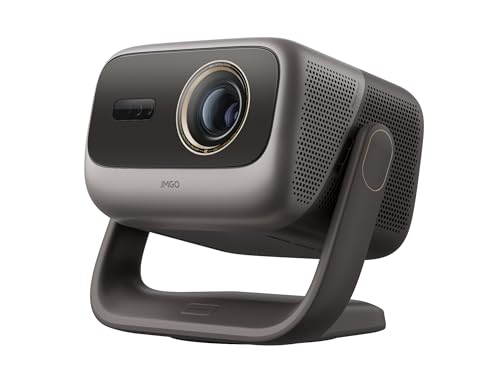
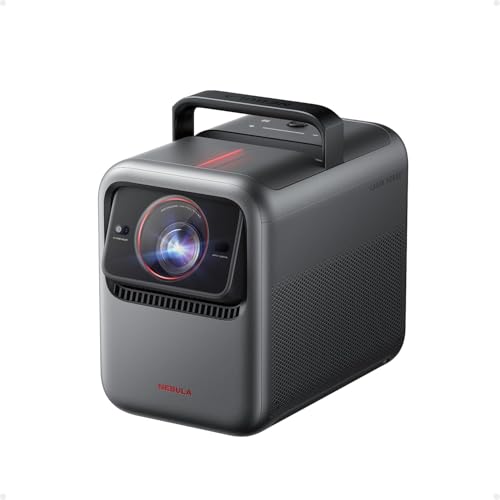
The best 3D projector brands are as follows.
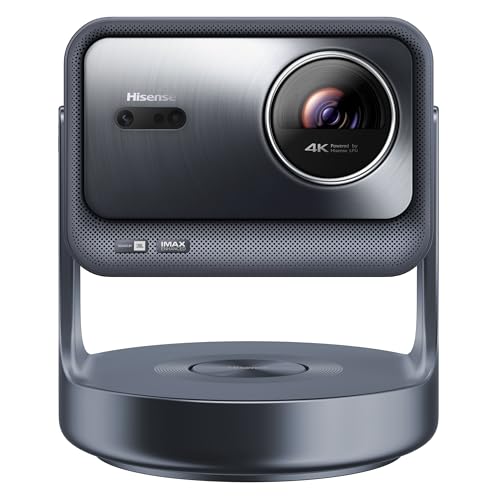
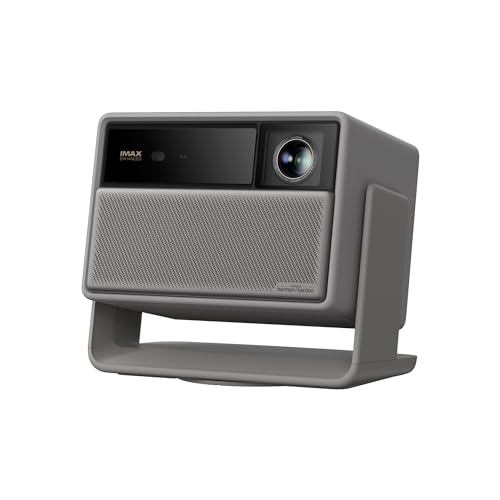
- Hisense (Average overall score: 8.3)
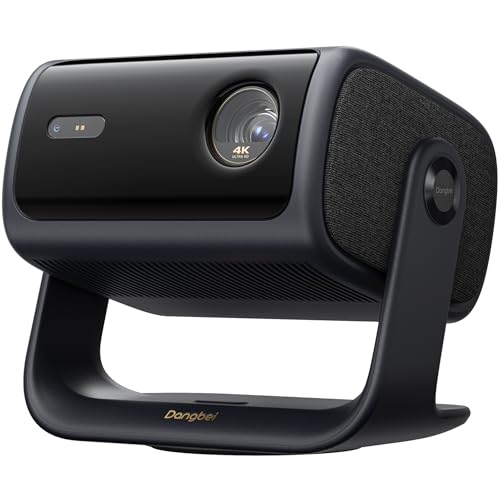
- Dangbei (Average overall score: 8.1)
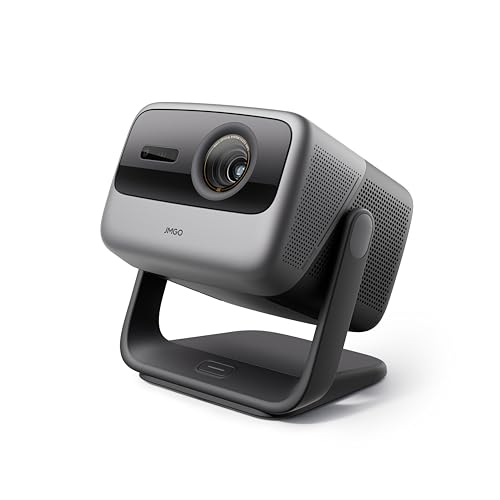
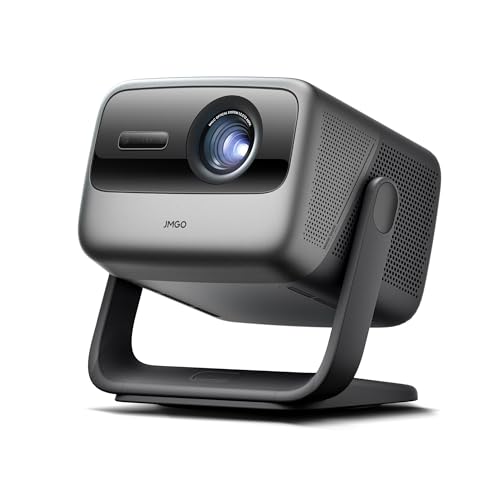
- JMGO (Average overall score: 7.9)
The chart below compares 3D projector brands by average overall score.
[horizontal-chart-09536428856101146017150129321179839611682357233235]
How does 3D work on a projector?
3D on a projector works by sending separate left-eye and right-eye images in quick succession so your glasses can show each eye the correct frame at the correct time. In practice, that usually means active-shutter 3D, where the projector and the glasses stay synchronised while the image alternates rapidly.
For the effect to work well, you need both a compatible 3D source and enough brightness, because the glasses reduce perceived light output. That is why stronger 3D projectors tend to feel much more watchable than basic models that only support the feature on paper.
What glasses do 3D projectors need?
Most 3D projectors need active-shutter glasses rather than the passive cinema-style glasses many people are familiar with from public theatres. DLP-Link glasses are common with many DLP projectors, while some home-cinema models instead use RF or IR-synchronised active glasses.
Compatibility matters more than the word 3D on its own. A projector may support 3D generally, but the glasses still need to match the sync system and sometimes the brand's own implementation, so checking the manual or supported accessories list is the safest way to avoid buying the wrong pair.
Projectors usually support the following 3D formats:
- Frame packing: This is the higher-quality format commonly associated with Blu-ray 3D playback.
- Side-by-side: This format places the left and right images next to each other and is common on some broadcasts and media files.
- Top-and-bottom: This stacks the two views vertically and is another widely recognised compatibility format.
- PC-friendly high-refresh modes: Some projectors also support 3D use through 120 Hz-style PC workflows, especially in DLP-oriented setups.
- Format check: Exact support still varies, so it is worth confirming the projector handles the format your source device actually outputs.
How much do 3D projectors cost?
3D projectors usually start around £600 with older home cinema models and some basic 1080p units at the lower end. The 3D feature does add value, but brightness and the overall quality of the projector matter more than the badge alone.
\n
A more realistic buying range is often about £1,000 to £2,200. In that middle band, 3D tends to be more watchable because you get more light output, smoother motion, and less visible crosstalk, which matters once active or passive glasses start cutting brightness.
\n
Beyond roughly £2,200 to £2,600 you are mostly paying for a stronger projector overall. The extra spend usually improves contrast, HDR, optics, and dark-room movie performance, with 3D benefiting as part of that broader jump in image quality.