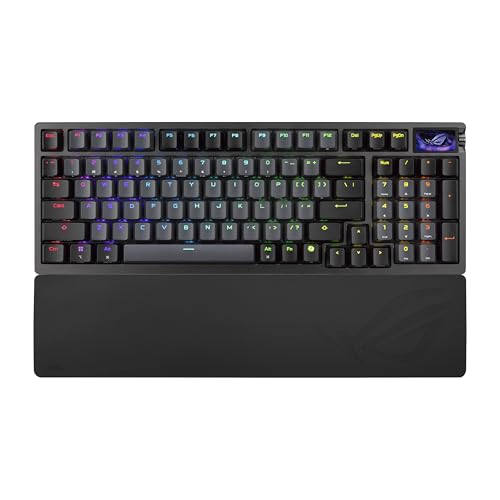
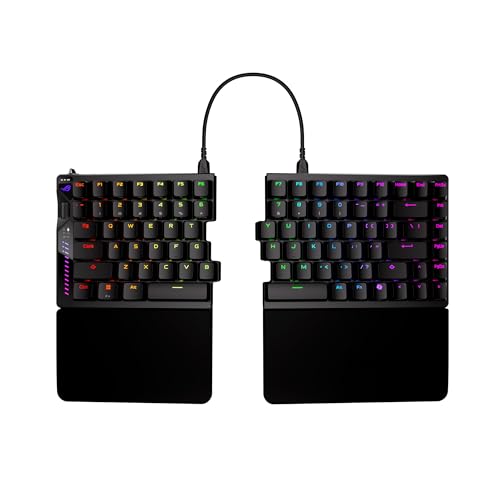
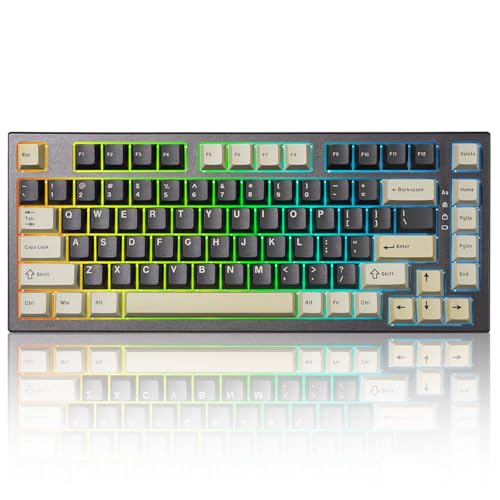
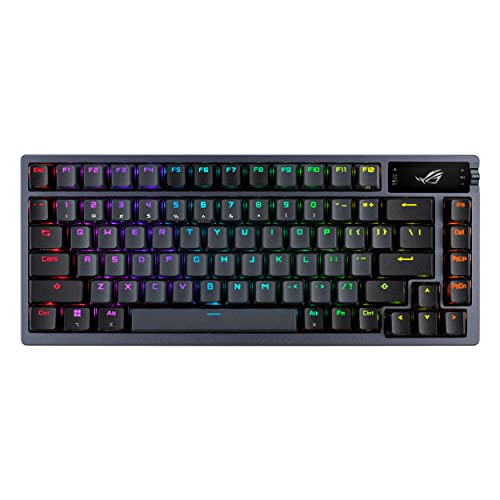
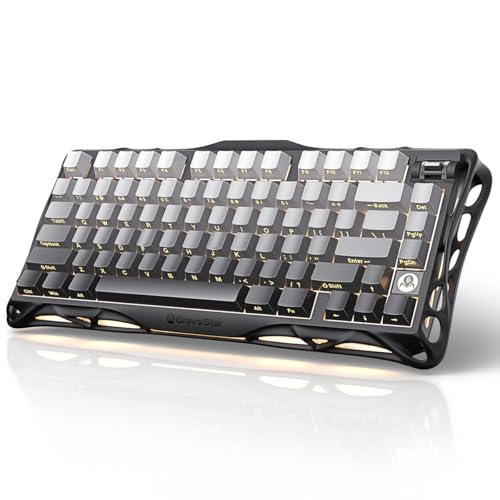
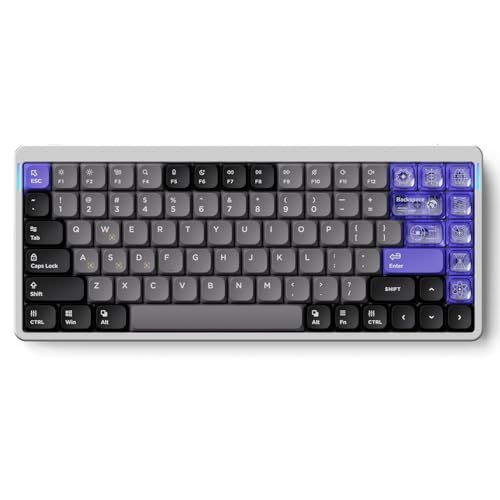
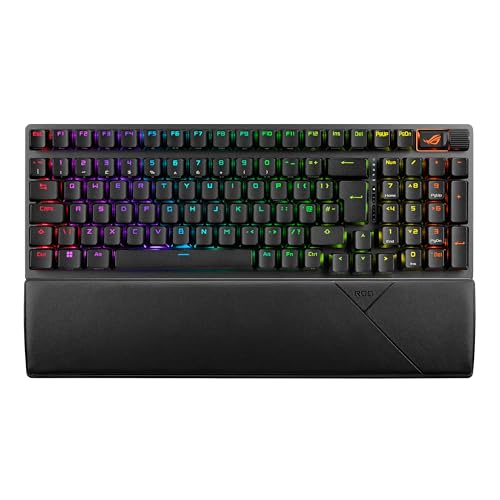
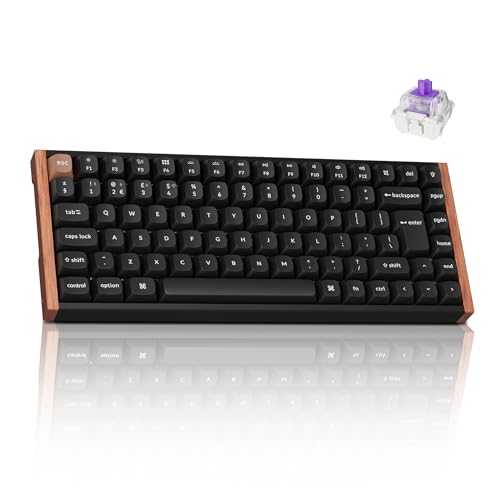
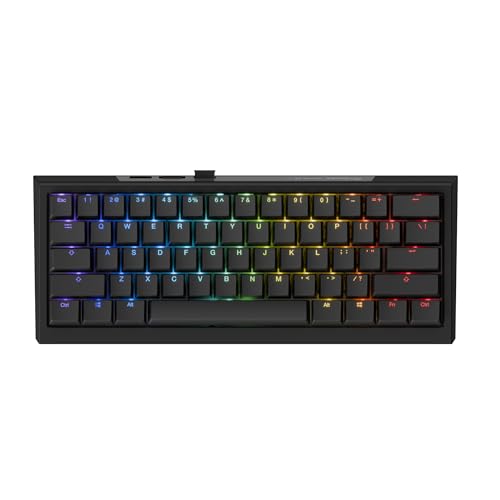
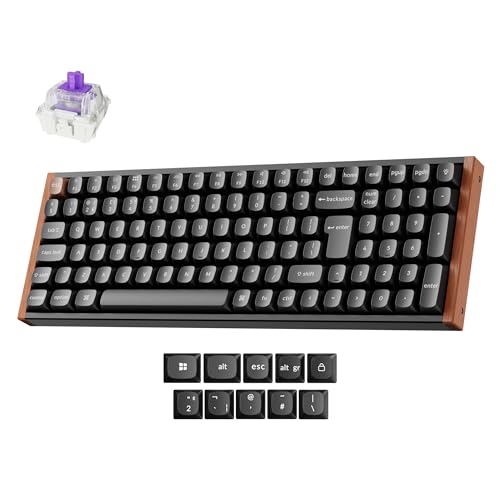
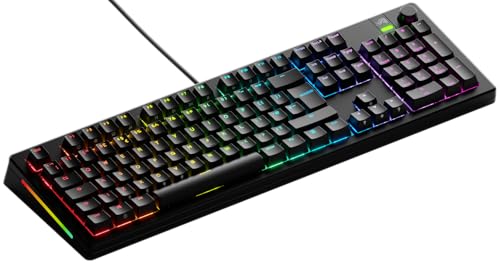
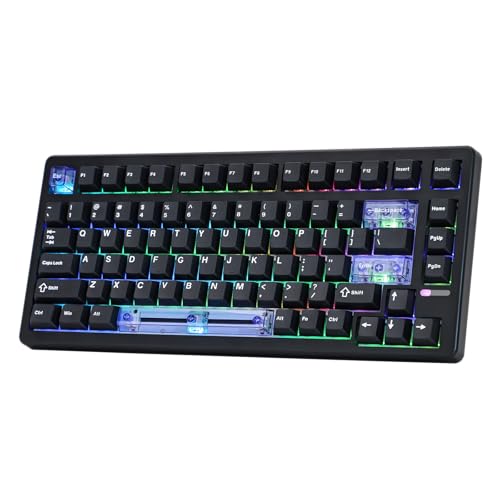
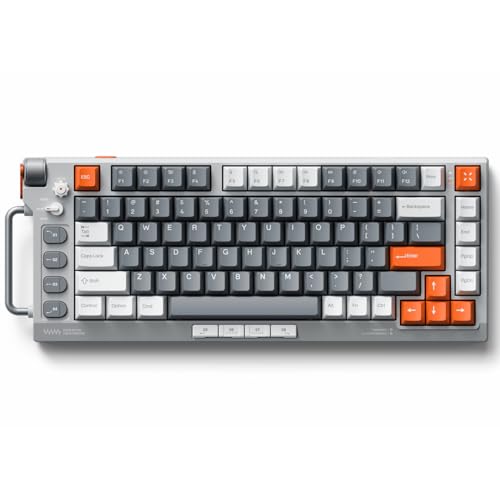
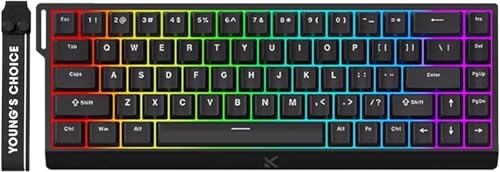
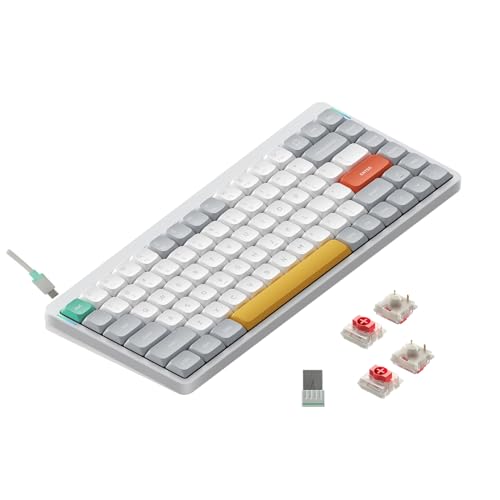
Which brands make the best mechanical keyboards?
The best mechanical keyboard brands are as follows.
- NuPhy (Average overall score: 7.8)
- Keychron (Average overall score: 7.6)
- Yunzii (Average overall score: 7.5)
The chart below ranks mechanical keyboard brands by average overall score.
[horizontal-chart-12505073701147281370018316539920321343753606674294]
Which mechanical keyboards have the highest user ratings?
The mechanical keyboard brands with the highest user ratings are as follows.
- HyperX (Users rating: 9.4 points)
- Yunzii (Users rating: 9.4 points)
- SteelSeries (Users rating: 9.3 points)
This chart compares mechanical keyboard brands by average user rating.
[horizontal-chart-17745877315859402730095254970857957713823325773929]
What is a mechanical keyboard?
A mechanical keyboard is a keyboard that uses individual physical switch mechanisms under each key instead of a rubber-dome sheet. That switch-per-key design is why mechanical boards usually feel more precise, more durable, and more varied in character than cheaper membrane models.
Mechanical does not describe only one feel. Some boards are light and quiet, others are heavier or more tactile, and some chase faster gaming-style reset behavior. The category also spans full-size, TKL, 75%, 65%, and smaller layouts, so the switch technology is only one part of the decision.
What buyers usually pay for in a mechanical keyboard is not just the fact that it is mechanical, but how well the whole board is tuned around that switch design. Case quality, stabilizers, acoustics, firmware, and keycap choices all shape whether a mechanical board feels basic, excellent, or enthusiast-grade.
What switch types are common on mechanical keyboards?
The most common switch types on mechanical keyboards are classic mechanical switches first, then Hall effect variants on the premium edge, with smaller overlap from hybrid or specialty designs. Traditional mechanical switches still define the category because they offer the broadest mix of price, feel, and layout availability.
Within classic mechanical switches, the main buyer-facing differences are linear, tactile, and clicky behavior. That matters more in daily use than many marketing names do, because the feel profile changes how smooth, how sharp, or how noisy the board is under real typing and gaming.
Hall effect models now sit close enough to the mechanical market that many buyers will cross-shop them, especially if they want rapid trigger or adjustable actuation. Even so, a conventional mechanical switch remains the normal starting point for most people looking for the best balance of feel, variety, and value.
Who should consider buying a mechanical keyboard?
Mechanical keyboards are a strong fit for buyers who care about typing feel, switch choice, long-term durability, or the ability to customize a board over time. That includes typists, programmers, office users who spend long hours at the keyboard, enthusiasts, and many gamers.
Mechanical boards also make more sense when you care about acoustic character, keycap changes, switch swaps, or firmware features such as macros and custom layers. The category now includes many hot-swappable and QMK or VIA-capable boards, so it is easier than before to buy one keyboard and refine it later.
They are less compelling only if you want the cheapest possible board or if you do not care about feel differences at all. For buyers who notice how a keyboard sounds, responds, and ages over time, mechanical models are usually where the better long-term options begin.
How much do the best mechanical keyboards cost?
The best mechanical keyboards usually cost about £100-£260, while enthusiast flagships can rise to roughly £340-£490. That is the range where case quality, switch consistency, acoustics, firmware support, and customization depth start to separate clearly from simpler entry-level boards.
More affordable mechanical keyboards around £60-£130 already cover a large and very competitive part of the category. Prices climb when you move into heavier materials, more refined stabilizers, Hall effect variants, stronger firmware support, premium wireless execution, or more enthusiast-focused builds.
What should you consider while choosing a mechanical keyboard?
You should consider the following factors when choosing a mechanical keyboard:
- Layout size: Full-size, TKL, 75%, 65%, and 60% are all common in the mechanical market, and each changes how much desk space, arrow access, and layer dependence you live with. Start by deciding how much board width you can give up before you think about premium materials or switch upgrades.
- Switch feel: Linear, tactile, and clicky profiles create very different experiences even before you compare brands. Prioritize the basic feel family first, because no amount of marketing around cases or RGB will fix a switch profile that you simply do not enjoy.
- Hot-swap and customization: Hot-swappable sockets are now common on better mechanical boards, which makes later switch changes much easier. That matters if you expect your preferences to change or if you want to refine the board over time instead of replacing it entirely.
- Firmware support: QMK or VIA support appears on a meaningful slice of the category and matters if you want deeper remapping, macros, or custom layers. If you never plan to change key behavior, this matters less than switch feel and build quality.
- Connection type: Wired USB remains the simplest choice, but many mechanical boards now also combine USB, 2.4 GHz, and Bluetooth. If you want one keyboard for several devices, multi-mode support can matter as much as the switch choice itself.
- Acoustics and build: Case material, plate behavior, stabilizer tuning, and keycaps all affect how refined a mechanical board feels. Two boards with similar switch labels can still sound and feel very different once build quality changes.
- Budget: Around £60-£130 is the practical value zone, £130-£220 is where refinement often improves, and £220 and above is mainly for enthusiast materials, Hall effect overlap, or top-end firmware and wireless execution. Spend more only when you know which part of the experience you are upgrading.