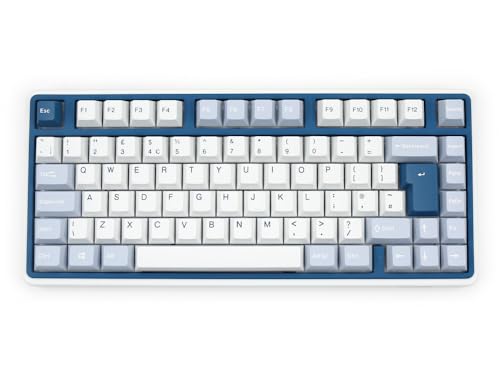
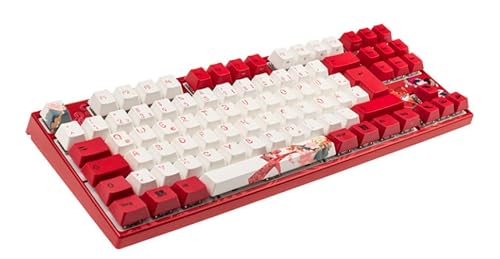
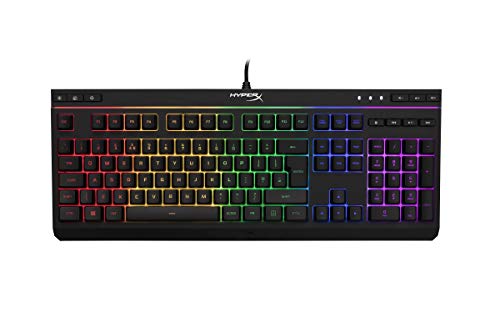
What makes a keyboard silent?
A keyboard is considered silent when its switch and build design are meant to reduce the sharp clack and bottom-out noise that many normal keyboards produce. In real buying terms, this usually means quieter switch internals, softer impact behavior, and case tuning that keeps the board from sounding harsh in a shared room.
That does not mean a silent keyboard is literally noiseless. Every keyboard still makes some sound from finger impact, key return, and the case itself, but a good silent model shifts that sound toward a lower, softer, and less distracting profile.
What switch types are quietest?
The quietest switch types are usually dedicated silent linear or silent tactile designs, because they are specifically built to soften impact and reduce return noise. In practice, silent linears often feel the smoothest and least noisy overall, while silent tactiles can stay relatively quiet while preserving more feedback.
Clicky switches are the opposite of this goal, since their sound is an intentional part of the design. Standard linears or tactiles can also be fairly moderate in noise depending on the case and keycaps, but a true silent keyboard normally depends on switches that were designed around acoustic reduction from the start.
Who should consider buying a silent keyboard?
A silent keyboard makes the most sense for buyers who work in shared offices, study in quiet rooms, type late at night, or simply dislike the sharper sound of many mechanical boards. It is also a strong fit for people who spend long hours typing and want a calmer, less distracting desk environment.
Silent keyboards can be especially useful when other people are close by, whether that means coworkers, roommates, partners, or children sleeping nearby. If sound matters more to you than maximum switch variety, loud tactile feedback, or competitive-gaming features, this type of keyboard is a practical niche to consider.
How much do the best silent keyboards cost?
The best silent keyboards often cost about £110-£170, which places them in a more premium band than many basic office or entry-level mechanical boards. That price level reflects the fact that quieter switch implementations are usually sold as a more specialized comfort-focused feature rather than as a mass-market default.
Paying in this range should buy more than a quieter headline. The better silent keyboards also justify the price with stronger build quality, better acoustics, and a typing feel that stays refined instead of merely muted. If a keyboard is only called quiet without offering that broader quality, the premium is harder to justify.
What should you consider while choosing a silent keyboard?
You should consider the following factors when choosing a silent keyboard:
- Switch design: The switch is the biggest source of noise control, so check whether the keyboard uses a genuinely silent switch rather than an ordinary linear or tactile switch with softer marketing language.
- Noise profile: Quiet does not always mean the same thing. Some boards mainly reduce bottom-out noise, while others also sound softer on key return and case resonance, so pay attention to the overall sound character.
- Typing feel: Some silent switches feel smooth and cushioned, while others can feel firmer or slightly muted. Make sure the quieter sound does not come at the cost of a feel you dislike during long typing sessions.
- Build tuning: Internal damping, plate design, stabilizer quality, and case construction all influence how quiet the keyboard feels in real use. A silent switch alone does not guarantee a refined result.
- Layout size: Silent keyboards still come with the usual layout trade-offs, so choose full-size, TKL, 75%, or compact formats based on your workflow first rather than treating silence as the only decision factor.
- Price level: Around £110-£170 is a realistic band for strong silent keyboards in the current stored market slice. If you are paying near the top of that range, the keyboard should also deliver strong build quality and comfort, not only quieter switches.
- Use environment: Shared offices, bedrooms, libraries, and late-night setups benefit most from quieter keyboards. Match the level of silence you need to the people and spaces around you instead of buying a specialty board without a real reason.