
Are Cherry keyboards good?
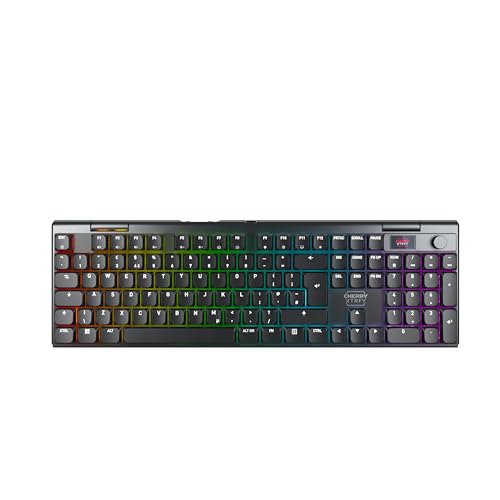
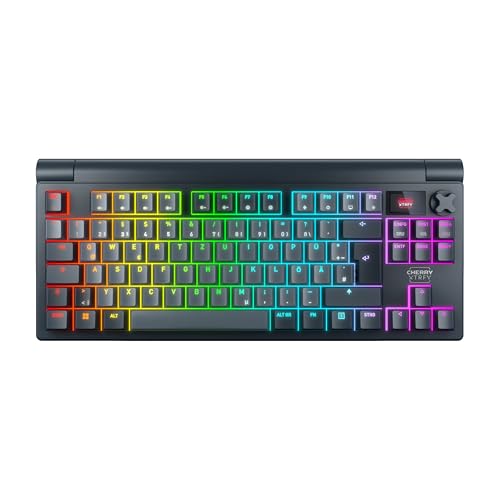
Cherry keyboards are good for premium gaming-focused buyers, but the current live category slice is too small for a meaningful brand ranking: it includes only two Cherry keyboards, which together average 8.58 in overall score and 7.05 in user ratings.
Cherry's main strengths are its strong switch heritage, premium positioning, and a live category slice that pairs mechanical switches with multi-mode wireless connectivity and gaming-oriented design. In practice, though, the current live slice is very narrow and consists of only two Cherry Xtrfy models.
The main tradeoff is limited breadth. There is no broad office lineup, no meaningful QMK or VIA depth, and only a small amount of layout and price variation in the current category slice. Compared with larger keyboard brands, Cherry gives buyers much less room to optimize around budget, mainstream productivity use, or broader ecosystem fit.
Cherry keyboards make the most sense for buyers who already value Cherry's mechanical identity and who want a premium gaming-style board rather than a full multi-tier keyboard range.
What are the main advantages of Cherry keyboards?
The main advantages of Cherry keyboards are as follows:
- Strong switch heritage: Cherry has unusually strong brand credibility around keyboard switches, which matters for buyers who specifically care about the feel and reputation of the underlying mechanical switch technology.
- Premium gaming positioning: The current live Cherry slice is clearly upscale rather than budget-first, which can appeal to buyers who want a more premium gaming board instead of a basic entry model.
- Good wireless flexibility: Both current Cherry keyboards here use USB, 2.4 GHz, and Bluetooth, which gives buyers more connection freedom than many wired-only gaming boards.
- Practical gaming layouts: The current lineup covers both full-size and TKL, which are two of the most mainstream gaming-friendly sizes for buyers who want a familiar board.
- Mechanical focus: Even though the slice is small, the live Cherry products here are fully mechanical and use named Cherry switch variants rather than generic office-style hardware.
What are the main disadvantages of Cherry keyboards?
The main disadvantages of Cherry keyboards are as follows:
- Extremely narrow lineup: Cherry currently has only two live keyboard products in this category, which makes the brand much less useful if you want real choice across prices, sizes, or use cases.
- High pricing: The current live range sits around £170-£260, which immediately pushes Cherry away from budget buyers and into a narrower premium-gaming audience.
- Weak firmware flexibility: The current slice has no meaningful QMK or VIA support, so the brand is much less attractive for buyers who want deeper remapping or enthusiast firmware control.
- Gaming-only skew: Cherry is represented here only by premium RGB gaming boards, which makes the brand much less relevant for office-first, ergonomic, or portable productivity buyers.
- Limited ecosystem breadth: Compared with broader brands, Cherry offers much less room here to move across multiple tiers, workflows, or platform-specific use cases.

Who makes Cherry keyboards?
Cherry keyboards are made by Cherry, the German company founded in 1953 and long known for computer input hardware and, especially, for its mechanical keyboard switches. The Cherry name carries unusual weight in keyboard culture because its switch families have shaped a large part of the modern mechanical-keyboard market.
For keyboards themselves, Cherry's identity spans more than just switches, but in enthusiast perception the brand is still strongly tied to switch technology and typing feel. In this live category slice, that broader legacy shows up in a smaller gaming-oriented Cherry Xtrfy lineup rather than in a broad office or enthusiast ecosystem.
Cherry's keyboard strategy therefore matters most to buyers who actively value switch heritage and mechanical credibility. That makes the brand attractive for keyboard-aware buyers, but less compelling for people who simply want wide product choice across many pricing and use-case tiers.
What are the main Cherry keyboard series?
The main Cherry keyboard series are as follows:
- Cherry Xtrfy gaming keyboards: This is the part of the Cherry keyboard identity most visible in the current live slice, focused on premium gaming boards rather than on entry-level office peripherals.
- Cherry mechanical and switch-led products more broadly: The brand is also strongly associated with the wider mechanical-keyboard world through its switch families, even when buyers first know Cherry by switch name rather than by complete keyboard lineup.
- Narrow current category offerings: In practice, Cherry's live keyboard presence here is small enough that the brand is better understood as a limited premium gaming line than as a deep many-series category ecosystem.
How much do Cherry keyboards cost?
Cherry keyboards currently sit in the premium gaming range in this category. The live Cherry keyboards here run about £170-£260, which places the brand well above mass-market entry gaming boards and closer to the expensive end of the mainstream gaming keyboard market.
That means Cherry is judged less on low-price value and more on whether its switch credibility, premium positioning, and wireless gaming feature set justify the higher spend. Paying more is a central part of the Cherry story here, because the current category slice is about upscale gaming hardware rather than about broad affordable keyboard coverage.
How do Cherry keyboards compare with Logitech models?
Cherry keyboards usually compare with Logitech models as the much narrower and more switch-heritage-oriented option, while Logitech is the far broader keyboard brand overall. Cherry is relevant here mainly if you want a premium gaming board with stronger mechanical-switch identity and are comfortable with a very small lineup, while Logitech covers a much wider spread across office, wireless, gaming, and more mainstream price tiers.
The practical difference is that Logitech gives buyers real choice across product families, while Cherry currently amounts to just two premium wireless RGB mechanical gaming boards in this category. In practice, Cherry makes more sense for switch-aware buyers who want a more specialized premium identity, while Logitech makes more sense for buyers who want flexibility and a deeper ecosystem.
What should you consider while choosing the best Cherry keyboard?
You should consider the following factors while choosing the best Cherry keyboard:
- Switch priorities: Cherry makes the most sense when switch identity and mechanical heritage are important to you, not just the outer design of the keyboard.
- Budget: The current live Cherry range here is expensive, so be honest about whether spending around £170-£260 matches your actual priorities.
- Need for choice: The current Cherry lineup here is very small, so check whether one premium full-size or one premium TKL option is enough for your needs.
- Gaming versus office use: The live Cherry slice is gaming-oriented, which makes it more relevant for premium gaming than for office-first or ergonomic productivity setups.
- Wireless needs: Both current Cherry keyboards here support USB, 2.4 GHz, and Bluetooth, so think about whether multi-mode wireless is one of the reasons you are paying premium-brand prices.
- Firmware expectations: If you expect QMK or VIA support, Cherry is usually not the right brand in this category right now.
- Long-term ecosystem fit: Buyers who want a broader path across multiple models, tiers, and workflows will usually find more room to grow with a larger keyboard brand.