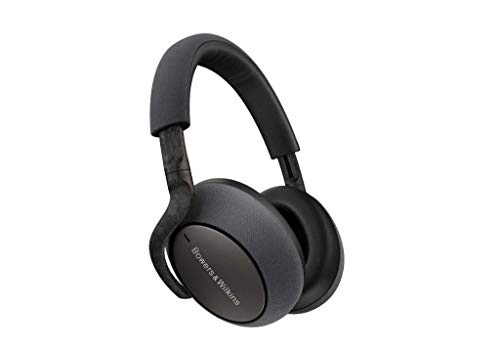
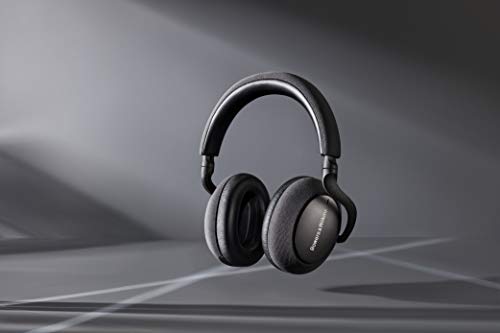
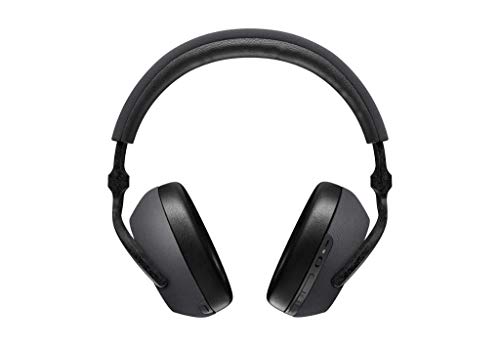
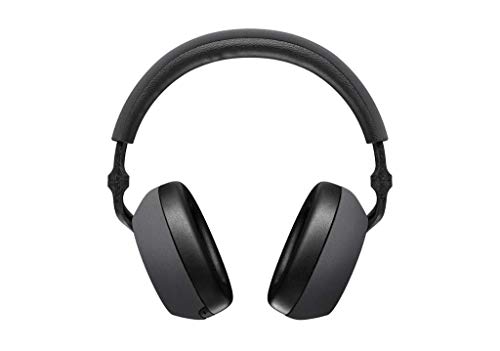
Bowers & Wilkins PX7 Review | 93 Data compared

double-arrow
  • Avg. price in UK: ~£350
  • Avg. price in US: ~$400
  • Form factor: over-ear
  • Connectivity: wireless
  • Battery life: 30 hours
  • Active noise cancellation (ANC): yes

Bowers & Wilkins PX7 review. Compare 93 technical specifications and user reviews to see how it ranks among headphones and if it is worth buying.

7.8

Overall score

What it is: An overall evaluation of the headphones' quality, based on technical analyses and user reviews.

When it matters: When you need a quick reference to identify the best headphones on the market.

Score components:

80.0%

7.8

Technical Score

20.0%

?

User score

Very good
7.8

Technical Score

What it is: An assessment of the headphones' technical performance, covering key areas such as sound quality, noise cancelling, microphone performance, battery life, comfort, connectivity, features, and build quality.

When it matters: When you want to compare headphones based on technical performance and available features.

Score components:

52.0%

9.2

Sound

20.0%

6.1

Features

10.0%

5.8

Design

8.0%

6.5

Connectivity

6.0%

6.0

Battery

4.0%

8.1

Calls & Controls

Very good
?

User score

What it is: A rating that combines user reviews and the total number of reviews received by the headphones.

When it matters: When you want to understand how headphones perform in real listening and how reliable they are in terms of comfort, audio quality, battery life, and long-term use.

Score components:

70.0%

?

User reviews

30.0%

?

Popularity

  • 9.2
    Gaming

    Score components:

    35.0%

    9.0

    Audio latency

    25.0%

    10

    Low-latency game mode

    20.0%

    10

    Can be used as a headset

    12.0%

    10

    Noise-canceling microphone

    8.0%

    4.8

    Battery life

  • 7.5
    Travel

    Score components:

    28.0%

    10

    Active noise cancellation (ANC)

    24.0%

    4.8

    Battery life

    18.0%

    2.9

    Weight

    16.0%

    10

    Multipoint support

    14.0%

    10

    Ambient sound mode

  • 9.2
    Calls

    Score components:

    28.0%

    10

    Noise-canceling microphone

    24.0%

    10

    Can be used as a headset

    18.0%

    10

    Multipoint support

    16.0%

    4.8

    Battery life

    14.0%

    10

    Companion app

  • 3.8
    Workout

    Score components:

    28.0%

    2.9

    Weight

    24.0%

    1.0

    Water resistance

    20.0%

    4.0

    IP rating

    16.0%

    4.8

    Battery life

    12.0%

    10

    Can be used as a headset

  • bowers-wilkins-px7
  • bowers-wilkins-px7
  • bowers-wilkins-px7
  • bowers-wilkins-px7
bowers-wilkins-px7
bowers-wilkins-px7
bowers-wilkins-px7
bowers-wilkins-px7

Best prices in UK

    N/A~ £350

Best rankings

?

Available: ranking among products currently available (including other versions of this product).
All: ranking among all products in the database.

Verdict

The Bowers & Wilkins PX7 is a premium over-ear wireless headphone featuring large 43.6mm custom drivers and a durable carbon fiber composite frame that maintains a lightweight 310g profile. It offers robust connectivity via Bluetooth 5.0 with support for high-resolution aptX Adaptive, aptX HD, and AAC codecs, alongside a 30-hour battery life that provides 5 hours of playback from a quick 15-minute USB-C charge. Main pros include its refined, wide soundstage with punchy bass, effective adaptive noise cancellation (ANC) with ambient pass-through, and convenient wear-detection sensors for auto-pausing music. However, some users note cons such as a slightly bulky non-folding design, average microphone performance for calls, and a sound profile that may feel overly bass-heavy or 'dark' to critical listeners.

Technical Specifications of Bowers & Wilkins PX7

Technical Score

What it is: An assessment of the headphones' technical performance, covering key areas such as sound quality, noise cancelling, microphone performance, battery life, comfort, connectivity, features, and build quality.

When it matters: When you want to compare headphones based on technical performance and available features.

Score components:

52.0%

?

Sound

20.0%

?

Features

10.0%

?

Design

8.0%

?

Connectivity

6.0%

?

Battery

4.0%

?

Calls & Controls

7.8
Bowers & Wilkins PX7 has a technical score of 7.81 points, which is higher than that of 92.4% of products in this category.
User score

What it is: A rating that combines user reviews and the total number of reviews received by the headphones.

When it matters: When you want to understand how headphones perform in real listening and how reliable they are in terms of comfort, audio quality, battery life, and long-term use.

Score components:

70.0%

0.0

User reviews

30.0%

1.0

Popularity

?
Popularity
What it is: An indicator based on the number of reviews received by the headphones.
When it matters: When you prefer headphones that have already been chosen and reviewed by many other users.
1.0
Bowers & Wilkins PX7 has a popularity of 1 points, which is lower than 72.7% of products in this category.
Ratio quality/price

What it is: An indicator that combines the headphones' overall rating with their cost.

When it matters: When you are looking for headphones that offer a strong balance of performance, features, and price.

Score components:

60.0%

7.8

Overall score

40.0%

8.7

Price

8.1
Bowers & Wilkins PX7 has a quality-to-price ratio of 8.1 points, which is higher than 87.3% of products in this category.
Active noise cancellation (ANC)
What it is: Reduces background noise using active technology
When it matters: When blocking office, travel, or aircraft noise is a priority.

Importance: HIGH

yes
Bowers & Wilkins PX7 supports active noise cancellation. 72.6% of headphones support active noise cancellation.
Driver type
What it is: Type of speaker driver technology used
When it matters: When the underlying sound character and driver technology matter to you.

Importance: MEDIUM

dynamic
Driver size
What it is: Diameter of the speaker driver unit
When it matters: When you want extra hardware context behind how the headphones may handle bass weight, scale, or overall presentation.

Importance: MEDIUM

43.6 mm
Bowers & Wilkins PX7 uses a driver size of 43.6 mm, larger driver size than 82.8% of headphones.
Number of drivers
What it is: Total number of speaker drivers per earcup
When it matters: When multi-driver designs are part of your buying criteria.

Importance: LOW

1
Bowers & Wilkins PX7 uses 1 drivers, equal to 96% of headphones.
Lowest frequency
What it is: Lowest audio frequency the headphones can reproduce
When it matters: When deeper bass extension matters for your music or movie listening.

Importance: MEDIUM

Good value: <=10 Hz

10 Hz
Bowers & Wilkins PX7 reaches a lowest frequency of 10 Hz, lower lowest frequency than 67.3% of headphones and equal to 12.5% of headphones.
Show more
Noise-canceling microphone
What it is: Built-in microphone reduces background noise during calls
When it matters: When you take calls in busy spaces and want your voice to stay clearer.

Importance: MEDIUM

yes
Bowers & Wilkins PX7 supports a noise-canceling microphone. 54.5% of headphones support noise-canceling microphones.
Can be used as a headset
What it is: Shows whether the headphones can handle voice chat and calls in addition to normal audio playback.
When it matters: When one pair needs to cover music, calls, meetings, and gaming chat.

Importance: MEDIUM

yes
Bowers & Wilkins PX7 is headset-ready, 84.7% is not. 15.3% of headphones can be used as headsets.
Number of microphones
What it is: Total number of built-in microphones
When it matters: When call pickup quality and beamforming support matter to you.

Importance: LOW

Good value: >=2

6
Bowers & Wilkins PX7 has 6 microphones, more microphones than 96.1% of headphones and equal to 2.4% of headphones.
Boom microphone
What it is: Includes detachable boom microphone for voice clarity
When it matters: When you need stronger voice clarity for gaming, streaming, or work calls.

Importance: LOW

no
Bowers & Wilkins PX7 does not include a boom microphone. 15.6% of headphones have a boom microphone.
Microphone SNR
What it is: Signal-to-noise ratio of the microphone
When it matters: When call clarity matters and you want your voice picked up more cleanly instead of buried in background hiss.

Importance: LOW

Good value: >80 dB

?
Show more
Connectivity
What it is: Available connection methods (wired, wireless, Bluetooth, etc.)
When it matters: When the headphones need to match how you listen across wired and wireless devices.

Importance: HIGH

wireless
Bowers & Wilkins PX7 supports wireless connectivity, more flexible connectivity than 52.6% of headphones and equal to 47.4% of headphones.
supports both wireless and wired connectivity.
Bluetooth version
What it is: Version of Bluetooth technology supported
When it matters: When wireless stability, efficiency, and feature support matter more than treating Bluetooth as a box-check spec.

Importance: MEDIUM

Good value: >=5.0

5.0
Bowers & Wilkins PX7 uses Bluetooth version 5.0, newer Bluetooth version than 70.9% of headphones and equal to 13% of headphones.
Maximum Bluetooth range
What it is: Maximum wireless operating distance from source device
When it matters: When you move around rooms and want fewer dropouts from your source device.

Importance: LOW

Good value: >=10 m

10 m
Bowers & Wilkins PX7 offers a Bluetooth range of 10 m, higher Bluetooth range than 2.6% of headphones and equal to 79.9% of headphones.
Audio latency
What it is: Delay between audio and video in wireless mode
When it matters: When you watch video or play games and need sound to stay in sync.

Importance: HIGH

Good value: <60 ms

?
Multipoint support
What it is: Supports simultaneous connections to multiple devices
When it matters: When you switch often between a phone and a laptop during the day.

Importance: MEDIUM

yes
Bowers & Wilkins PX7 supports multipoint. 35% of headphones support multipoint.
Show more
Ambient sound mode
What it is: Allows external sounds to pass through for awareness
When it matters: When you need to stay aware of traffic, voices, or announcements.

Importance: MEDIUM

yes
Bowers & Wilkins PX7 supports ambient sound mode. 23.2% of headphones support ambient sound mode.
EQ support
What it is: Allows customization of sound profile via equalizer
When it matters: When the stock tuning is not enough and you want to shape bass, mids, or treble to match your taste.

Importance: MEDIUM

no
Bowers & Wilkins PX7 does not support EQ customization. 23.3% of headphones support EQ.
Companion app
What it is: Dedicated mobile app for customization and updates
When it matters: When software customization, updates, and extra controls matter.

Importance: MEDIUM

yes
Bowers & Wilkins PX7 works with a companion app. 55.7% of headphones support companion apps.
Adjustable ANC levels
What it is: Allows adjustment of noise cancellation intensity levels
When it matters: When you move between quiet rooms, offices, streets, and public transport and do not want one ANC setting for every situation.

Importance: LOW

Good value: >=4

2
Bowers & Wilkins PX7 offers 2 adjustable ANC levels, more adjustable ANC levels than 92.6% of headphones and equal to 1.7% of headphones.
Voice assistant support
What it is: Compatible with voice assistants like Siri, Alexa, or Google Assistant
When it matters: When hands-free control is part of your daily routine.

Importance: LOW

yes
Bowers & Wilkins PX7 supports voice assistants. 39.2% of headphones support voice assistants.
Show more
Battery life
What it is: Playback time on a single charge
When it matters: When you commute, travel, or work long shifts and do not want charging breaks to interrupt listening.

Importance: HIGH

Good value: >45 hours

30 hours
Bowers & Wilkins PX7 offers battery life of 30 hours, higher battery life than 46% of headphones and equal to 10.5% of headphones.
Battery life with ANC
What it is: Playback time with active noise cancellation enabled
When it matters: When you plan to keep noise cancellation on for most of the day.

Importance: HIGH

Good value: >40 hours

30 hours
Bowers & Wilkins PX7 offers battery life with ANC of 30 hours, higher battery life with ANC than 43.2% of headphones and equal to 8.8% of headphones.
Charging time
What it is: Time required for a full battery charge
When it matters: When you often need the headphones ready again after short breaks.

Importance: MEDIUM

Good value: <=2 hours

3 hours
Bowers & Wilkins PX7 needs 3 hours to charge, higher charging time than 66% of headphones and equal to 21.3% of headphones.
Quick charge
What it is: Provides quick playback time with short charging period
When it matters: When a short top-up needs to deliver useful playback before you leave.

Importance: MEDIUM

yes
Bowers & Wilkins PX7 supports quick charge. 31% of headphones support quick charge.
Battery capacity
What it is: Total energy storage of the internal battery
When it matters: When you are estimating how much battery headroom the design may have before relying only on the official runtime claim.

Importance: MEDIUM

Good value: >=720 mAh

600 mAh
Bowers & Wilkins PX7 has a battery capacity of 600 mAh, higher battery capacity than 49.2% of headphones and equal to 7.7% of headphones.
Show more
Brand name
What it is: The manufacturer or brand of the product.
When it matters: When you prefer a specific ecosystem, support network, or design philosophy.

Importance: MEDIUM

Bowers & Wilkins
Form factor
What it is: Overall design type of the headphones (over-ear, on-ear, in-ear, etc.)
When it matters: When comfort, portability, and isolation depend on the overall headphone style.

Importance: HIGH

over-ear
Weight
What it is: Total weight of the headphones
When it matters: When long listening sessions make wearing comfort more important.

Importance: MEDIUM

Good value: <150 g

310 g
Bowers & Wilkins PX7 weighs 310 g, heavier than 83.3% of headphones and equal to 0.6% of headphones.
Acoustic design
What it is: Type of acoustic design (open-back, closed-back, semi-open)
When it matters: When you need the right balance of isolation, leakage, and soundstage.

Importance: HIGH

closed-back
Clamp force
What it is: Amount of clamping pressure applied to the head
When it matters: When comfort and fit security matter during long sessions.

Importance: MEDIUM

5.3
Bowers & Wilkins PX7 has a clamp force of 5.3, higher clamp force than 72.5% of headphones and equal to 6.4% of headphones.
Show more

Bowers & Wilkins PX7 vs the average headphone

  • Active noise cancellation
    Bowers & Wilkins PX7 supports active noise cancellation, the average headphone does not. 27.4% of headphones support active noise cancellation.
    What it is: Reduces background noise using active technology
    When it matters: When blocking office, travel, or aircraft noise is a priority.

    Importance: HIGH

    Bowers & Wilkins PX7 supports active noise cancellation, the average headphone does not. 27.4% of headphones support active noise cancellation.
  • Hi-Res Audio certification
    Bowers & Wilkins PX7 has Hi-Res Audio certification, the average headphone does not. 22.9% of headphones are Hi-Res Audio certified.
    What it is: Certified for high-resolution audio playback
    When it matters: When official support for high-resolution playback matters to you.

    Importance: LOW

    Bowers & Wilkins PX7 has Hi-Res Audio certification, the average headphone does not. 22.9% of headphones are Hi-Res Audio certified.
  • 3.6 mm larger driver size
    Bowers & Wilkins PX7 uses a larger driver size than the average headphone (43.6 mm vs 40 mm). The average headphones use a driver size of 40 mm.
    What it is: Diameter of the speaker driver unit
    When it matters: When you want extra hardware context behind how the headphones may handle bass weight, scale, or overall presentation.

    Importance: MEDIUM

    Bowers & Wilkins PX7 uses a larger driver size than the average headphone (43.6 mm vs 40 mm). The average headphones use a driver size of 40 mm.43.6 mm vs 40 mm
  • More flexible connectivity
    Bowers & Wilkins PX7 offers more flexible connectivity than the average headphone (wireless vs wired). The average headphones support wired connectivity.
    supports both wireless and wired connectivity.
    What it is: Available connection methods (wired, wireless, Bluetooth, etc.)
    When it matters: When the headphones need to match how you listen across wired and wireless devices.

    Importance: HIGH

    Bowers & Wilkins PX7 offers more flexible connectivity than the average headphone (wireless vs wired). The average headphones support wired connectivity.wireless vs wired
  • Clear call microphone
    Bowers & Wilkins PX7 offers a clear call microphone, while the average headphone does not. 45.6% of headphones support noise-canceling microphones.
    What it is: Built-in microphone reduces background noise during calls
    When it matters: When you take calls in busy spaces and want your voice to stay clearer.

    Importance: MEDIUM

    Bowers & Wilkins PX7 offers a clear call microphone, while the average headphone does not. 45.6% of headphones support noise-canceling microphones.
  • 8 Hz lower bass extension
    Bowers & Wilkins PX7 has a lower lowest frequency than the average headphone (10 Hz vs 18 Hz). The average headphones reach a lowest frequency of 18 Hz.
    What it is: Lowest audio frequency the headphones can reproduce
    When it matters: When deeper bass extension matters for your music or movie listening.

    Importance: MEDIUM

    Good value: <=10 Hz

    Bowers & Wilkins PX7 has a lower lowest frequency than the average headphone (10 Hz vs 18 Hz). The average headphones reach a lowest frequency of 18 Hz.10 Hz vs 18 Hz
  • On-device controls
    Bowers & Wilkins PX7 includes on-device controls, the average headphone does not. 46.8% of headphones support on-device controls.
    What it is: Physical controls available directly on headphones
    When it matters: When you need playback, volume, or call controls to be easy to reach without pulling out your phone.

    Importance: MEDIUM

    Bowers & Wilkins PX7 includes on-device controls, the average headphone does not. 46.8% of headphones support on-device controls.
  • 10,000 Hz higher treble extension
    Bowers & Wilkins PX7 has a higher highest frequency than the average headphone (30,000 Hz vs 20,000 Hz). The average headphones reach a highest frequency of 20,000 Hz.
    What it is: Highest audio frequency the headphones can reproduce
    When it matters: When treble extension and overall frequency reach matter to you.

    Importance: MEDIUM

    Good value: >=24000 Hz

    Bowers & Wilkins PX7 has a higher highest frequency than the average headphone (30,000 Hz vs 20,000 Hz). The average headphones reach a highest frequency of 20,000 Hz.30000 Hz vs 20000 Hz
  • Active noise cancellation
    Bowers & Wilkins PX7 supports active noise cancellation, the average headphone does not. 27.4% of headphones support active noise cancellation.
  • Hi-Res Audio certification
    Bowers & Wilkins PX7 has Hi-Res Audio certification, the average headphone does not. 22.9% of headphones are Hi-Res Audio certified.
  • 3.6 mm larger driver size
    Bowers & Wilkins PX7 uses a larger driver size than the average headphone (43.6 mm vs 40 mm). The average headphones use a driver size of 40 mm.
  • 8 Hz lower bass extension
    Bowers & Wilkins PX7 has a lower lowest frequency than the average headphone (10 Hz vs 18 Hz). The average headphones reach a lowest frequency of 18 Hz.
  • 10,000 Hz higher treble extension
    Bowers & Wilkins PX7 has a higher highest frequency than the average headphone (30,000 Hz vs 20,000 Hz). The average headphones reach a highest frequency of 20,000 Hz.
  • 0.2 % lower distortion
    Bowers & Wilkins PX7 has a lower total harmonic distortion than the average headphone (0.1 % vs 0.3 %). The average headphones have total harmonic distortion of 0.3 %.
  • USB-C charging
    Bowers & Wilkins PX7 uses USB-C charging, the average headphone does not. 29.4% of headphones use USB Type-C.
  • Rechargeable battery
    Bowers & Wilkins PX7 has a rechargeable battery, the average headphone does not. 47.9% of headphones have a rechargeable battery.
  • Play while charging
    Bowers & Wilkins PX7 can play while charging, the average headphone cannot. 55.9% of headphones support play while charging.
  • More flexible connectivity
    Bowers & Wilkins PX7 offers more flexible connectivity than the average headphone (wireless vs wired). The average headphones support wired connectivity.
  • Clear call microphone
    Bowers & Wilkins PX7 offers a clear call microphone, while the average headphone does not. 45.6% of headphones support noise-canceling microphones.
  • On-device controls
    Bowers & Wilkins PX7 includes on-device controls, the average headphone does not. 46.8% of headphones support on-device controls.
  • 5 more microphones
    Bowers & Wilkins PX7 has more microphones than the average headphone (6 vs 1). The average headphones have 1 microphones.
  • Sidetone support
    Bowers & Wilkins PX7 supports sidetone, the average headphone does not. 29.7% of headphones support sidetone.
  • Quick mic mute
    Bowers & Wilkins PX7 includes a quick mic mute, the average headphone does not. 33.5% of headphones support a mute function.
  • 42.2% higher weight
    Bowers & Wilkins PX7 is heavier than the average headphone (310 g vs 218 g). The average pair of headphones weighs 218 g.
  • 1 higher clamp force
    Bowers & Wilkins PX7 has a higher clamp force than the average headphone (5.3 vs 4.3). The average headphones have a clamp force of 4.3.
  • Tangle-prone cable
    Bowers & Wilkins PX7 uses a tangle-prone cable, while the average headphone is easier to manage. 64.2% of headphones use a tangle-free cable.
  • 1 hours longer charging time
    Bowers & Wilkins PX7 has a higher charging time than the average headphone (3 hours vs 2 hours). The average headphones need 2 hours to charge.
  • 1 hours longer charging time
    Bowers & Wilkins PX7 has a higher charging time than the average headphone (3 hours vs 2 hours). The average headphones need 2 hours to charge.
    What it is: Time required for a full battery charge
    When it matters: When you often need the headphones ready again after short breaks.

    Importance: MEDIUM

    Good value: <=2 hours

    Bowers & Wilkins PX7 has a higher charging time than the average headphone (3 hours vs 2 hours). The average headphones need 2 hours to charge.3 hours vs 2 hours
  • 42.2% higher weight
    Bowers & Wilkins PX7 is heavier than the average headphone (310 g vs 218 g). The average pair of headphones weighs 218 g.
    What it is: Total weight of the headphones
    When it matters: When long listening sessions make wearing comfort more important.

    Importance: MEDIUM

    Good value: <150 g

    Bowers & Wilkins PX7 is heavier than the average headphone (310 g vs 218 g). The average pair of headphones weighs 218 g.310 g vs 218 g
  • 3.89x more expensive
    Bowers & Wilkins PX7 is more expensive than the average headphone (£350 vs £90).
    Bowers & Wilkins PX7 is more expensive than the average headphone (£350 vs £90).£350 vs £90
  • 1 higher clamp force
    Bowers & Wilkins PX7 has a higher clamp force than the average headphone (5.3 vs 4.3). The average headphones have a clamp force of 4.3.
    What it is: Amount of clamping pressure applied to the head
    When it matters: When comfort and fit security matter during long sessions.

    Importance: MEDIUM

    Bowers & Wilkins PX7 has a higher clamp force than the average headphone (5.3 vs 4.3). The average headphones have a clamp force of 4.3.5.3 vs 4.3
  • 4.65x less popular
    Bowers & Wilkins PX7 is less popular than the average headphone (1.00 vs 4.646).
    What it is: An indicator based on the number of reviews received by the headphones.
    When it matters: When you prefer headphones that have already been chosen and reviewed by many other users.
    Bowers & Wilkins PX7 is less popular than the average headphone (1.00 vs 4.646).1 vs 4.65
  • Tangle-prone cable
    Bowers & Wilkins PX7 uses a tangle-prone cable, while the average headphone is easier to manage. 64.2% of headphones use a tangle-free cable.
    What it is: Cable designed to resist tangling
    When it matters: When you often carry wired headphones in a bag or pocket.

    Importance: LOW

    Bowers & Wilkins PX7 uses a tangle-prone cable, while the average headphone is easier to manage. 64.2% of headphones use a tangle-free cable.

Graphic comparison of Bowers & Wilkins PX7 and

Attribute category
Attribute
No results found

Third-party reviews

What customers like about Bowers & Wilkins PX7?

  • Excellent, detailed sound quality with powerful bass and crisp highs
  • Premium build quality utilizing solid, durable materials like carbon fibre composite
  • Elegant, luxurious, and visually appealing aesthetic design
  • Long-lasting battery life of up to 30 hours with convenient quick-charging capabilities
  • Comfortable fit suitable for long listening sessions with spacious earcups
  • Reliable physical control buttons and responsive wear-detection sensors

What customers dislike about Bowers & Wilkins PX7?

  • High premium price point compared to mass-market alternatives
  • Active Noise Cancellation (ANC) is decent but not quite best-in-class against competitors
  • Relatively bulky and heavy profile that only folds flat instead of collapsing completely
  • Microphone quality can be subpar or inconsistent for phone calls
  • Headphones cannot pass audio through a wired cable if the battery is completely dead
  • Earcups can exhibit a strong initial clamping force or top-of-head pressure for some users

Video reviews

Compare Bowers & Wilkins PX7 with

VS
VS

Compare