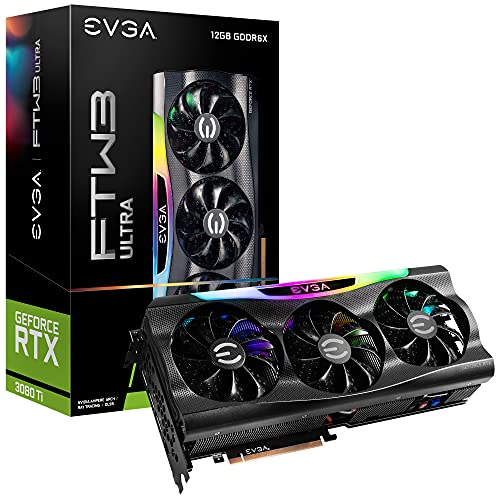
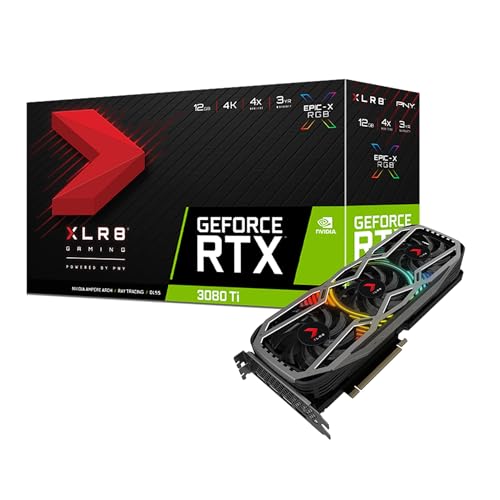
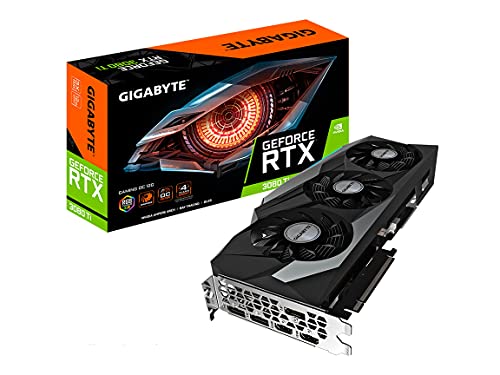
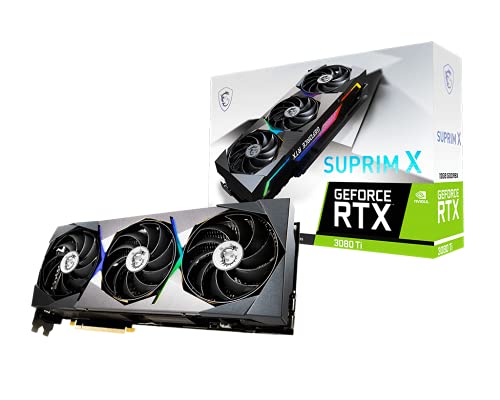
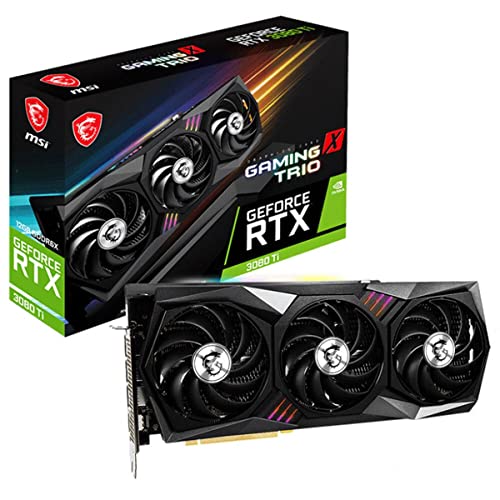
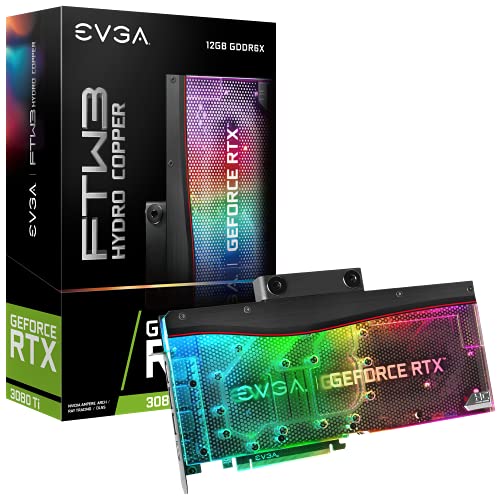
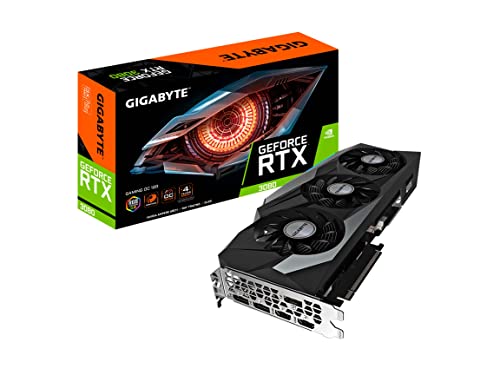
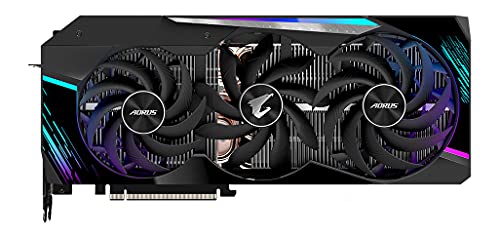
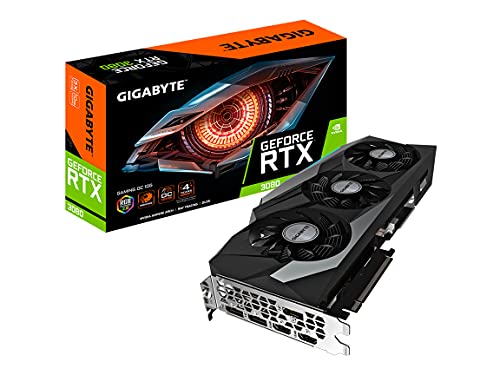
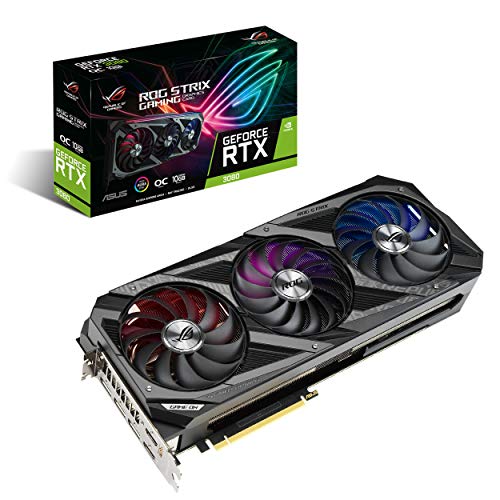
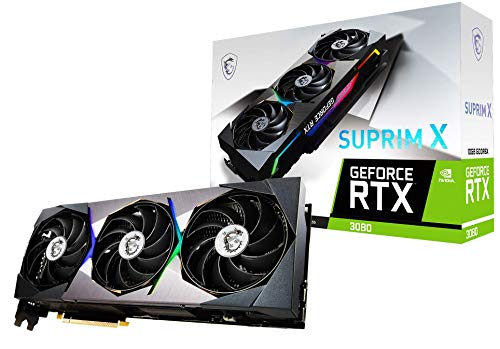
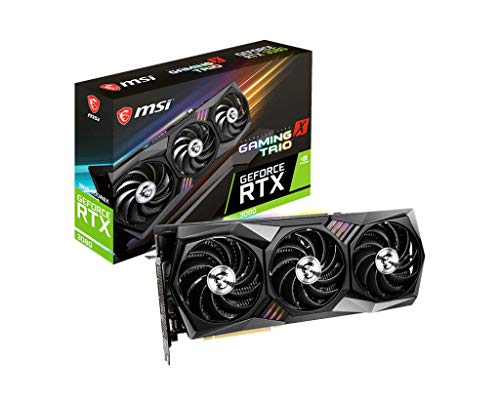
What is the RTX 3080?
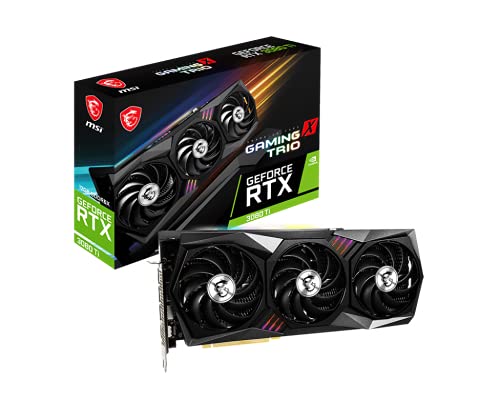
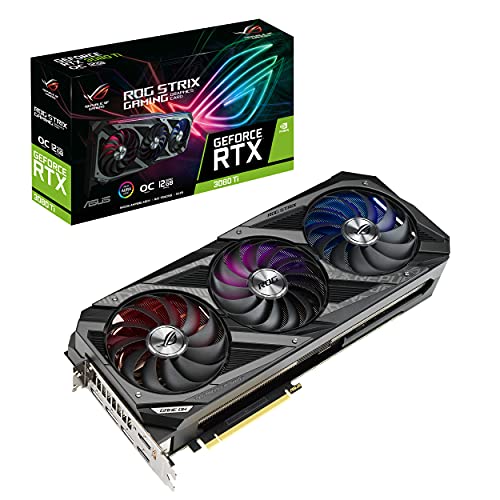
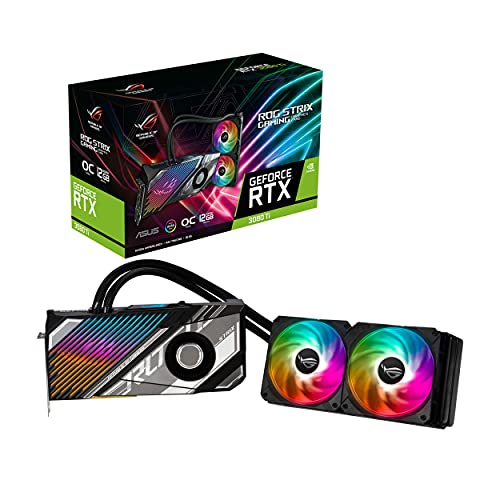
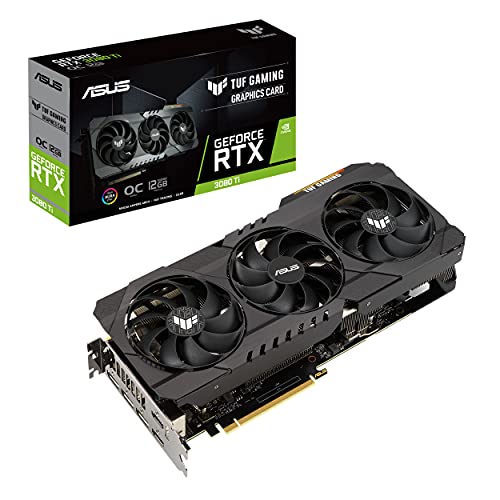
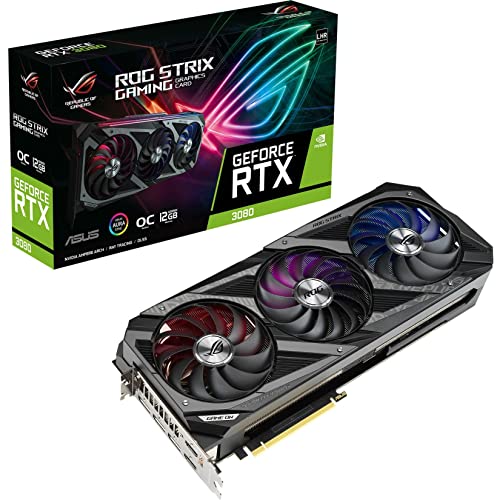
The RTX 3080 is a high-end Nvidia GeForce graphics card family built mainly on the Ampere architecture for enthusiast gaming and other demanding GPU workloads. In practical buying terms, it sits in the old-flagship class below the 3090 tier, offering ray tracing, DLSS, fast memory, and enough raw power for strong 1440p and many 4K gaming setups.
That makes the RTX 3080 a gaming-first high-end card rather than a memory-first specialty product. It is usually the choice for buyers who want very strong GeForce performance and premium partner options, but who do not specifically need the much larger VRAM profile that defines the 3090 family.
Who should buy the RTX 3080?
The RTX 3080 is best for buyers who want serious high-end gaming performance with DLSS, ray tracing, and stronger 1440p or 4K headroom than mainstream cards usually offer, but who do not specifically need the much larger VRAM profile of the RTX 3090. It is a strong fit when the goal is still gaming-first high-end performance rather than memory-first creator work.
It is a weaker fit for buyers who want maximum VRAM, lower power draw, or the cleanest possible value story, because the RTX 3080 is still an older enthusiast-tier card with a heavy power profile and a wider market that can include Ti variants. If efficiency, tighter budgets, or creator-memory headroom matter more, another tier usually makes more sense.
Is the RTX 3080 a good graphics card?
RTX 3080 graphics cards are still good old-flagship gaming GPUs when the price is right, especially for strong 1440p gaming and realistic 4K play with sensible settings.
The main appeal of the RTX 3080 is that it still offers serious 1440p and many realistic 4K gaming experiences with DLSS, ray tracing, and the wider Nvidia ecosystem, but without necessarily paying current flagship prices.
The main caution is that the RTX 3080 is now an older, higher-power card. Used condition, VRAM version, cooler quality, and price against newer RTX 4070-class alternatives matter more than the original flagship label.
The chart below compares RTX 3080 brands by average overall score.
[horizontal-chart-00743066269657758412167124462751471699761076721455]
What are the main advantages of the RTX 3080?
The main advantages of the RTX 3080 are as follows:
- Strong enthusiast gaming level: The RTX 3080 still sits well above ordinary mainstream cards for demanding 1440p play and can still make a credible 4K gaming card when settings are managed sensibly.
- Wide-bandwidth Ampere design: The model is known for its fast GDDR6X memory and relatively wide memory bus, which help it stay more convincing at higher resolutions than cheaper GPUs with narrower memory subsystems.
- Mature RTX and CUDA ecosystem: DLSS support, ray tracing, NVENC, and broad CUDA software compatibility keep the RTX 3080 relevant for mixed gaming, streaming, and creator use.
- Usually easier to justify than a 3090: For many buyers, the RTX 3080 captures most of the appeal of old high-end Ampere without forcing them into a 24 GB flagship card that may be unnecessary for the job.
- Plenty of partner options: There are many well-known RTX 3080 variants with different cooler sizes, factory clocks, and acoustics, so buyers can still shop for a version that better matches the rest of the system.
What are the main disadvantages of the RTX 3080?
The RTX 3080 has the following disadvantages:
- Power draw is still high: A typical RTX 3080 build still belongs in a 320 W class, and some versions run higher. It remains a hotter and heavier card than newer efficiency-led alternatives.
- VRAM is not uniform across versions: Some RTX 3080 cards use 10 GB, others use 12 GB, and buyers also run into 3080 Ti variants in the same broader search space. The exact version matters a lot.
- Not a true value-tier buy: Even as an older enthusiast GPU, the RTX 3080 still tends to sit above casual upgrade budgets. Buyers should treat it as a serious purchase, not as a cheap legacy shortcut.
- Older Nvidia generation: The RTX 3080 still belongs to the Ampere era, so it misses some of the newer Nvidia extras that make later cards easier to justify for upscaling, media, and efficiency.
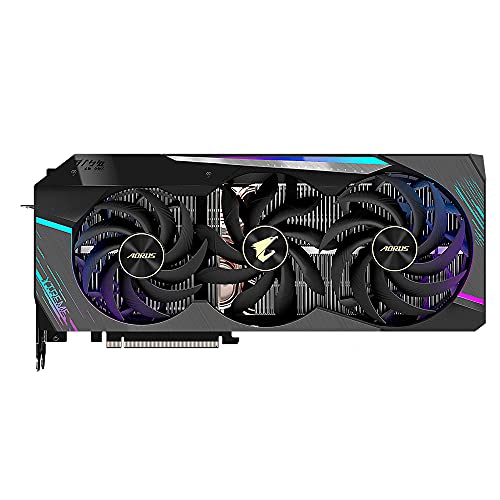
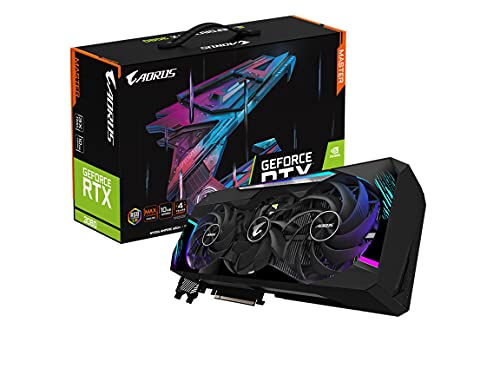
- Large coolers and case fit still matter: Many partner versions are long triple-fan cards, so the RTX 3080 still brings more size and airflow planning than ordinary midrange GPUs.
How much does the RTX 3080 cost?
RTX 3080 graphics cards usually cost about £300 to £2,300, with many realistic desktop cards sitting closer to roughly £600-£1,200.
That spread comes from the fact that the wider 3080 market can include standard desktop cards, Ti-class variants, and a mix of simpler and more prestige-oriented partner models. The smarter buys are usually the well-cooled desktop cards that still turn the 3080's old-flagship gaming performance into clear value instead of drifting too far upward in price.
This chart visualizes RTX 3080 graphics card prices.
[vertical-chart-03114592545992210352087290114408459918793824315580]
How does the RTX 3080 compare with the RTX 3070?
The RTX 3080 sits above the RTX 3070 as the more powerful and more premium old-flagship gaming tier rather than as a small incremental step. The main technical difference is that the RTX 3080 usually gives you a much heavier power class, more 4K headroom, and a broader premium-cooler market than the RTX 3070 class.
That matters most when you want stronger demanding-1440p performance or more credible 4K gaming and are willing to accept more heat, cost, and system burden in return. The RTX 3070 is usually the cleaner choice when you want a lighter, cheaper, and less extreme path into older high-end Nvidia hardware.
The RTX 3080 is the better fit when you deliberately want a more premium old-flagship GeForce card for gaming. The RTX 3070 is usually the smarter choice when price discipline, simpler system planning, and more moderate performance targets matter more.
What should you consider while choosing the RTX 3080?
You should consider the following factors when choosing the RTX 3080:
- Exact variant: Check whether the card is a standard RTX 3080 or an RTX 3080 Ti, because those versions do not sit in the same performance or price position even if they share the 3080 name.
- Resolution and workload target: The RTX 3080 makes the most sense for demanding 1440p gaming, many realistic 4K setups, and mixed gaming-plus-streaming use. If your target is lower, this tier can easily become more GPU than you need.
- VRAM and version differences: Some RTX 3080 cards use 10 GB, others use 12 GB, and the broader market can also surface Ti variants. Check the exact memory profile rather than treating every 3080 as the same product.
- Power, size, and thermals: RTX 3080-class cards usually sit in a heavy power band, often around 320-450 W depending on the exact version. Check PSU headroom, airflow, case clearance, and cooler bulk before buying.
- Cooler quality and acoustics: Two RTX 3080 cards can use the same GPU but behave quite differently in noise and temperatures. A better cooler often matters more than small factory-clock differences.
- Price discipline against nearby tiers: The RTX 3080 sits between the lighter RTX 3070 class and the more memory-heavy RTX 3090 family. If a specific 3080 drifts too high in price, compare carefully against those neighboring options instead of relying on the old flagship label alone.