
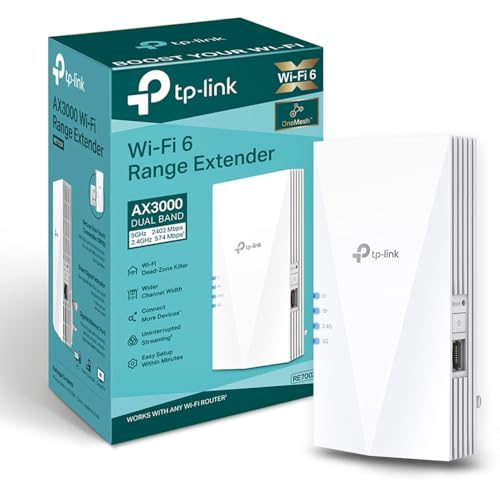
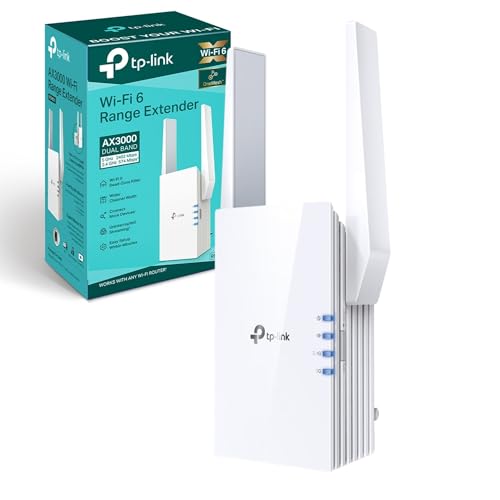
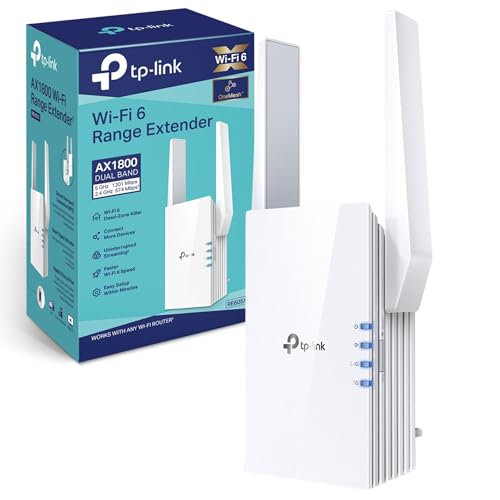
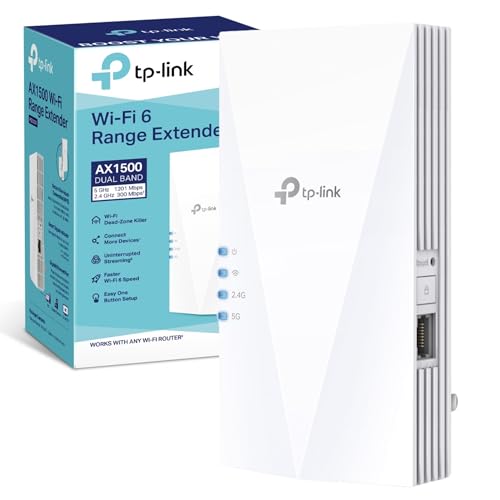
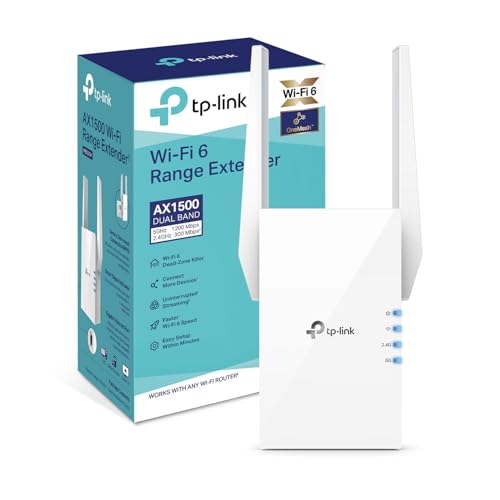
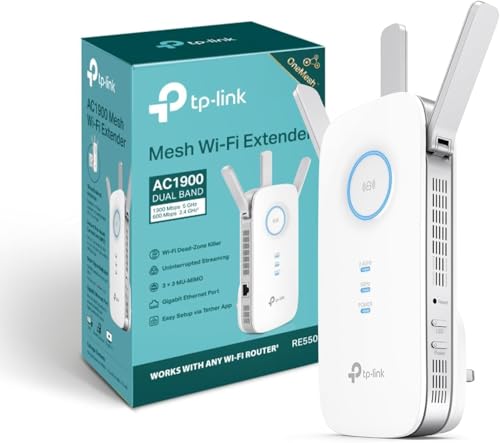
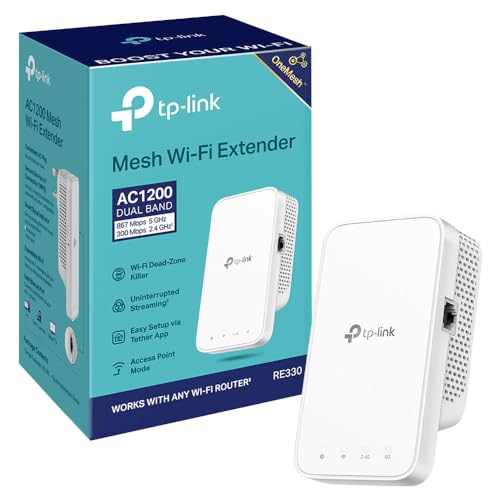
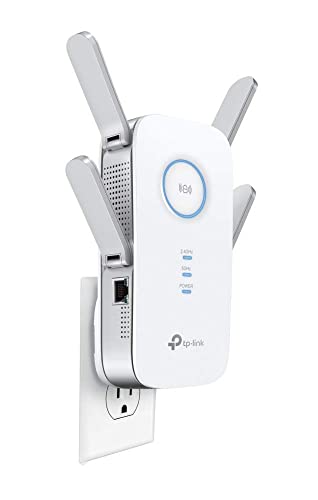

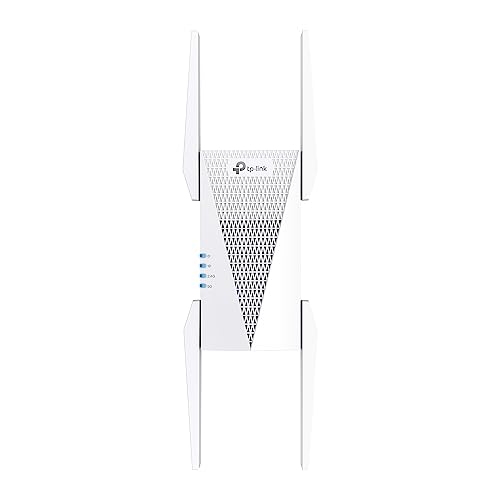
Are TP-Link mesh Wi-Fi extenders good?
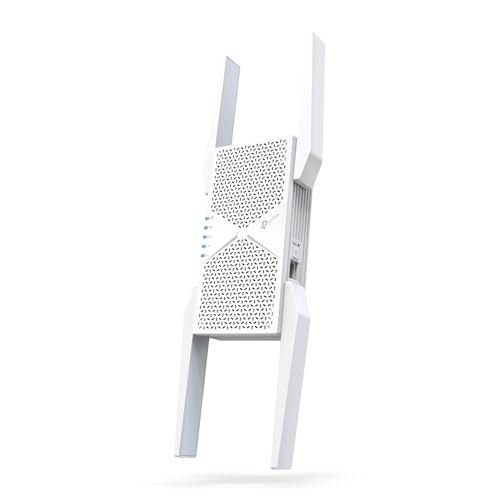
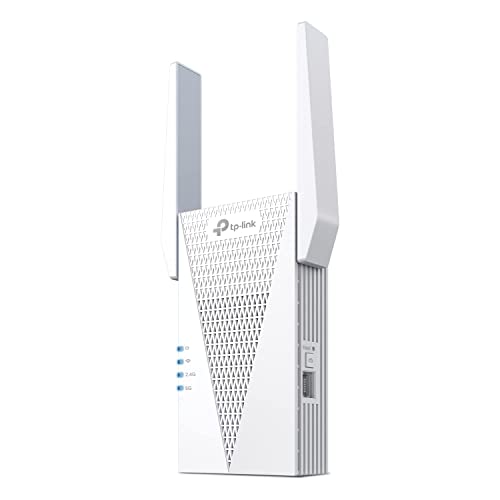
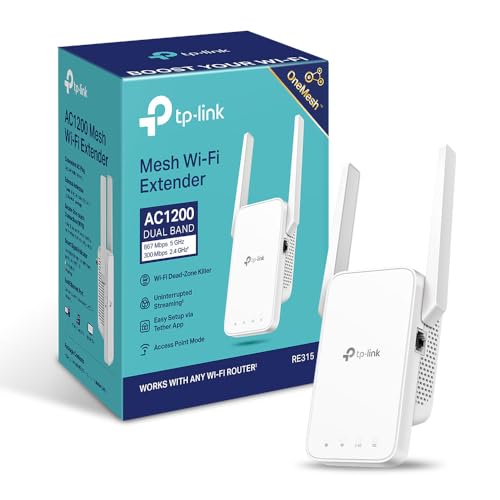
Yes, TP-Link mesh Wi-Fi extenders can be a good choice if you already use a compatible TP-Link router and want a simpler roaming upgrade than a full mesh-system replacement.
Their main strength is ecosystem fit. The right model can make a weak area feel more natural under one network name instead of acting like a disconnected stopgap.
The main limitation is that the mesh label only helps when the rest of the setup actually supports it, so buyers still need to check router compatibility, speed class, and placement carefully.
What are the main TP-Link mesh Wi-Fi extender series?
The main TP-Link mesh Wi-Fi extender series are as follows:
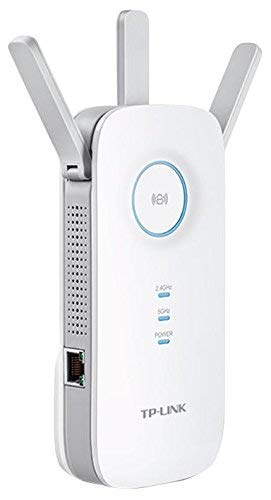
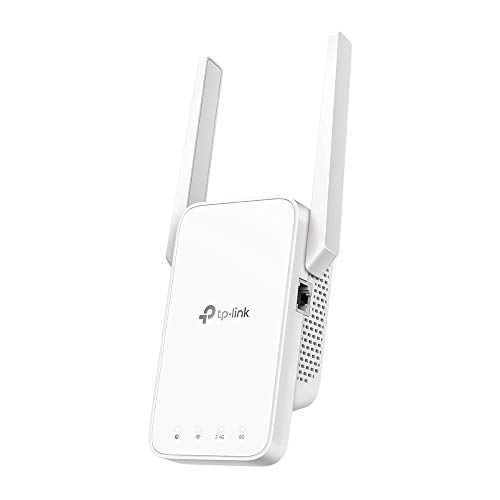
- RE family: This is the core TP-Link extender range and the main place to look for models that add OneMesh or EasyMesh support instead of acting only as basic repeaters.
- Older AC-class RE models: These are the simpler mesh-capable options that can still work on modest broadband and lighter home traffic.
- Wi-Fi 6 RE models: These are the stronger step-up choices for faster fibre, heavier traffic, and buyers who want a more future-proof mesh-capable extender.
- Entry-level non-mesh legacy models: These make less sense when roaming is the whole reason you are shopping, because they focus more on simple repeating than on cleaner whole-home handoff.
How much do TP-Link mesh Wi-Fi extenders cost?
TP-Link mesh Wi-Fi extenders usually cost between £30 and £105.
That keeps them in the middle of the market rather than in a premium-only tier. At the lower end, you may still get OneMesh or EasyMesh support, but usually with simpler AC-class hardware and less room for heavy multi-device use. Spend more, and you are more likely to get stronger AC1200 to AX3000-class models with smoother roaming and better backhaul behavior. Once the price gets too high, it is fair to compare them directly with a full system or a router upgrade.
The following chart shows TP-Link mesh Wi-Fi extender prices.
[vertical-chart-16984843766356376895176784442393096400701421679574]
How do TP-Link mesh Wi-Fi extenders compare with Netgear mesh models?
TP-Link mesh Wi-Fi extenders usually win on value and ecosystem simplicity, while Netgear mesh models are easier to justify as a more premium upgrade path.
TP-Link makes the strongest case when the goal is to improve a compatible TP-Link network cheaply and cleanly rather than to move toward a more ambitious high-end whole-home setup. Netgear usually makes more sense if you want broader premium mesh-style hardware choices or a stronger step-up path beyond the most compact mainstream extender answers.
In simple terms, TP-Link fits buyers who want the most straightforward router-plus-extender mesh fit, while Netgear fits buyers who want more premium headroom.
What should you consider while choosing a TP-Link mesh Wi-Fi extender?
The most important things to consider while choosing a TP-Link mesh Wi-Fi extender are as follows:
- OneMesh or EasyMesh support: First check whether your main router actually supports the TP-Link mesh system you expect to use. That matters more here than a small speed difference.
- Wi-Fi class: TP-Link mesh-capable extenders range from older AC1200-class hardware to stronger Wi-Fi 6 models such as AX1500 and above. Faster broadband and heavier traffic make the stronger end of the range easier to justify.
- Roaming quality: Not every mesh-capable extender feels equally seamless in daily use, so stable handoff can matter more than another small jump in maximum Mbps.
- Backhaul strength: A mesh-capable extender still needs a strong upstream link to the router, so placement is critical.
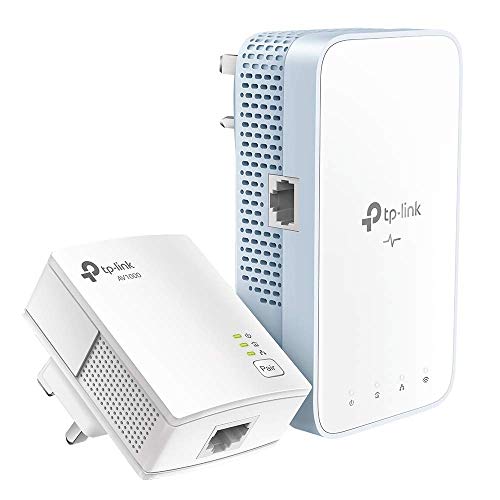
- Ethernet flexibility: Some TP-Link mesh extenders become much more useful if they also give you Gigabit Ethernet for a console, TV, or desktop.
- Placement and design: Compact plug-in units are convenient, but they do not always give the same antenna strength or placement freedom as larger desktop designs.