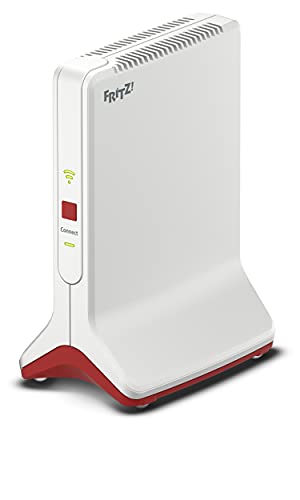
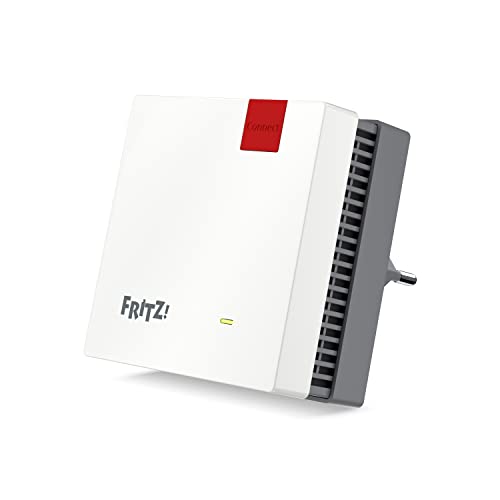
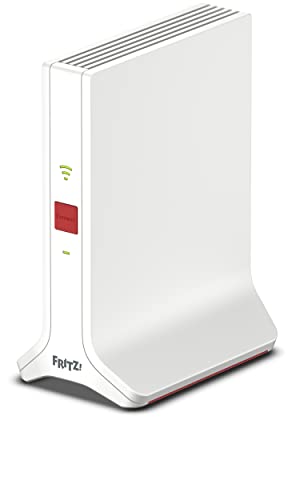
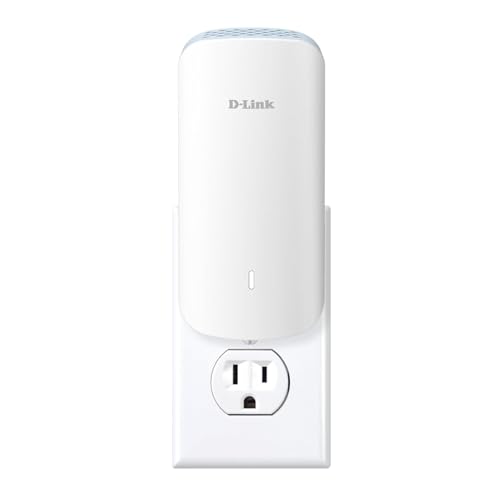
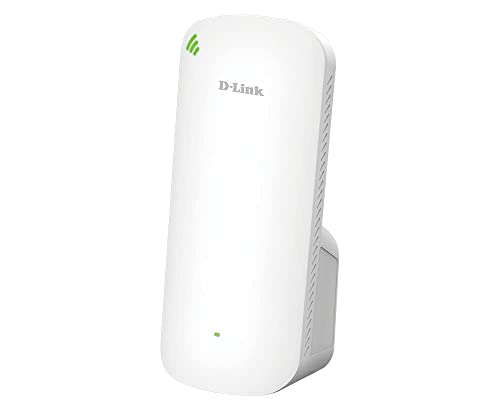
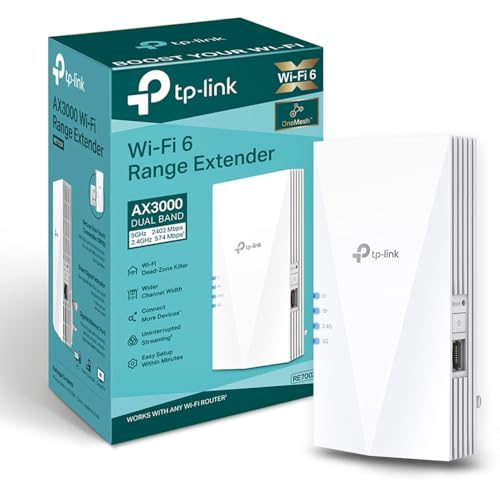
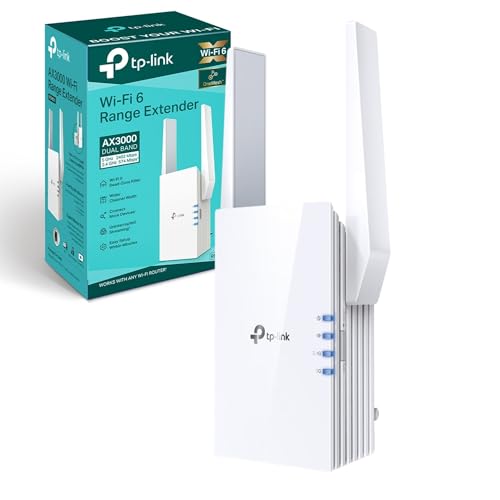
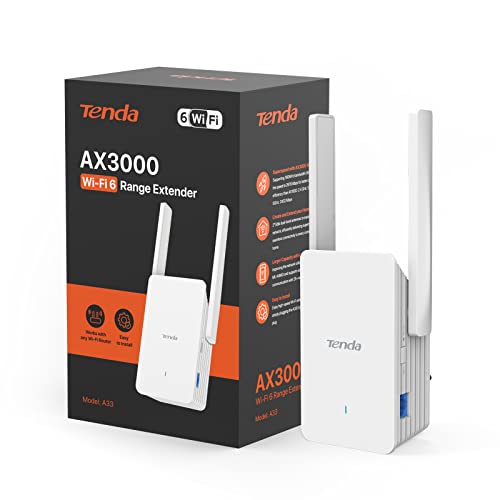
Which brands make the best mesh Wi-Fi extenders?
The best mesh Wi-Fi extender brands are as follows:
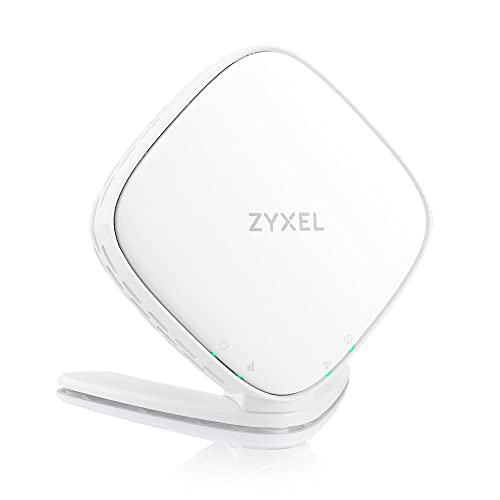
- Zyxel (Average overall score: 8.9)
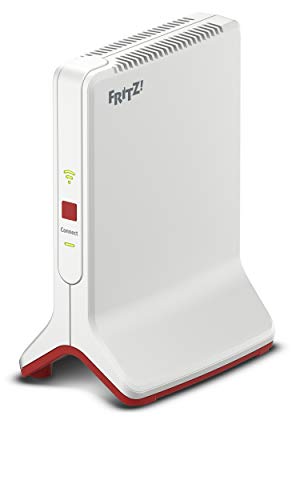
- AVM (Average overall score: 8.8)
- D-Link (Average overall score: 8.2)
- Tenda (Average overall score: 8.2)
The chart below ranks mesh Wi-Fi extender brands by average overall score.
[horizontal-chart-01826043990084347476058088355314359045911618598152]
What is a mesh Wi-Fi extender?
A mesh Wi-Fi extender is a Wi-Fi extender that works as part of a mesh-style network instead of acting like a separate repeater.
Its goal is to extend coverage while keeping the network feeling more unified. That usually means one network name, shared app control, and smoother handoff when devices move between rooms.
The key thing to check is that true mesh behavior is not universal. Some models only work fully inside their own brand ecosystem, while others support broader standards like EasyMesh.
How do mesh Wi-Fi extenders differ from standard Wi-Fi extenders?
A mesh Wi-Fi extender differs from a standard Wi-Fi extender mainly in how it works with the rest of the network.
A standard extender usually just repeats the signal, while a mesh-capable model is built to cooperate more closely with the main router or mesh nodes. That usually means better roaming behavior, one app, and less need to think about which access point a device is using.
Standard extenders can still be cheaper and perfectly fine for a single weak room, but mesh-capable models are the better fit when you want the network to behave like one system.
How seamless is roaming with mesh Wi-Fi extenders?
Roaming with a mesh Wi-Fi extender can feel almost seamless when the extender and router are built for the same ecosystem or mesh standard.
In real use, that means phones, tablets, and laptops are more likely to move to the stronger connection without obvious interruptions as you walk through the home. That matters most in larger homes, upstairs layouts, and spaces where the whole point is to stay connected while moving around.
The main limit is that roaming still depends on placement and compatibility. If the extender is badly placed or the router is old and limited, the handoff will feel less convincing.
How much do mesh Wi-Fi extenders cost?
Mesh Wi-Fi extenders usually cost between £35 and £130, with many models landing around £60 to £105.
Cheaper models can still work in a smaller home or for one awkward room, but they often cut back on speed, ports, or smoother roaming between nodes. In the middle of the range, you are more likely to get AC1200 to AX3000-class hardware with cleaner handoff and more stable backhaul behavior. Once the price gets much higher, it is worth comparing them with a full mesh kit instead of stretching the budget for a single extender.
This chart visualizes mesh Wi-Fi extender prices.
[vertical-chart-12453531028069080503056206718622846701160826777261]
What coverage can you expect from a mesh Wi-Fi extender?
A mesh Wi-Fi extender should improve coverage in the weak room and make the whole network feel more consistent as you move around the house.
In practice, its biggest advantage is often not raw distance, but smoother coverage spread and better roaming behavior. That can make the usable coverage feel better even when the printed range number is not especially dramatic.
Real results still depend heavily on placement, wall thickness, and how strong the upstream link is before the extender starts repeating the signal.
What compatibility should you check on a mesh Wi-Fi extender?
The main compatibility checks on a mesh Wi-Fi extender are as follows:
- Router ecosystem or mesh standard: Make sure the extender works with your existing router family or with the exact mesh standard it claims to support. Not every mesh feature works cleanly across brands.
- Roaming feature support: Look for support details around mesh handoff, one network name, and any brand-specific roaming system. That is what decides whether the setup actually feels unified in daily use.
- Wi-Fi generation and speed fit: The extender should not be dramatically weaker than your router or internet plan if you want the mesh setup to stay useful beyond basic browsing.

- Port and placement fit: Check whether you need Ethernet, wall-plug convenience, or a desktop-style unit, because the physical format can matter almost as much as the mesh label itself.