
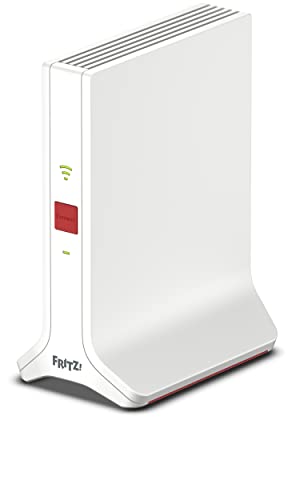
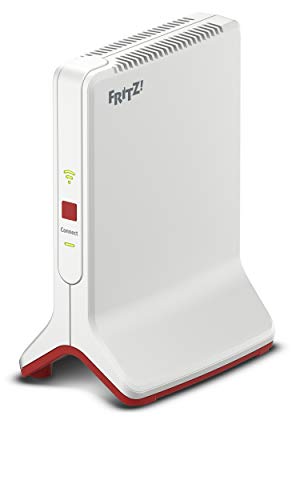
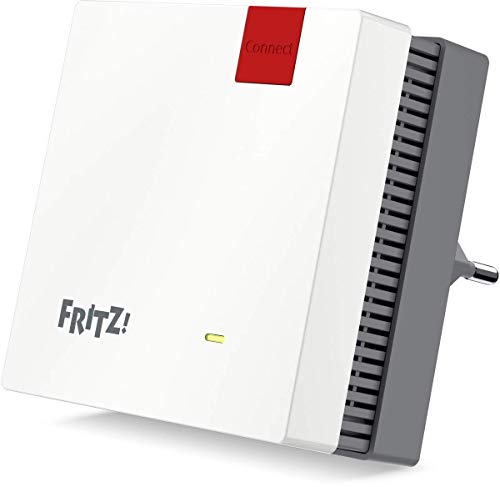
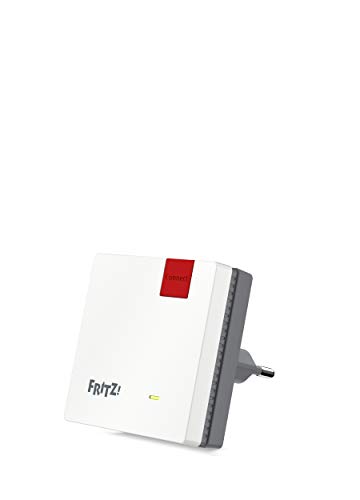
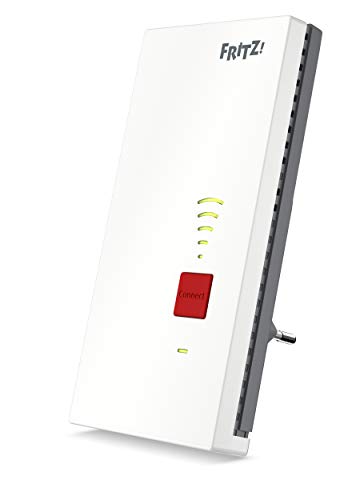


Are Fritzbox Wi-Fi extenders good?
Fritzbox Wi-Fi extenders have an average overall score of 8.6, ranking #2 among all Wi-Fi extender brands, and a user rating of 9.2, placing them at #1 based on user reviews.
FRITZ! repeaters are usually strongest when they are paired with a FRITZ!Box router and used as part of the broader AVM home-network platform. The brand suits buyers who want smoother roaming, tidy software, and a more integrated whole-home setup rather than just a one-off coverage fix.
The stronger FRITZ! models are easier to justify when buyers want both respectable speed and cleaner ecosystem behavior. Much of the value comes from how naturally the repeater fits into the rest of the AVM setup, not just from the specification sheet.
The tradeoff is that the ecosystem advantage matters much less in mixed-brand networks. If your main router is from another brand, cheaper cross-brand extenders can often look more compelling.
(Note: A total of 9 brands were evaluated in the comparison in the first paragraph. Only those with at least 4 Wi-Fi extenders in our database were included.)
The best Fritzbox Wi-Fi extenders are as follows:
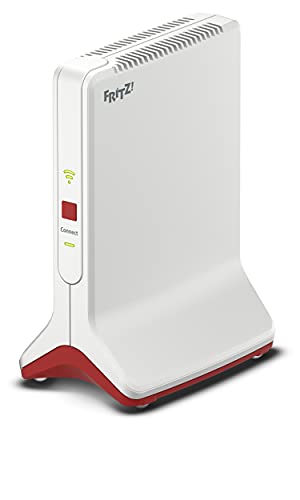
- AVM FRITZ!Repeater 6000 Overall score: 9.2
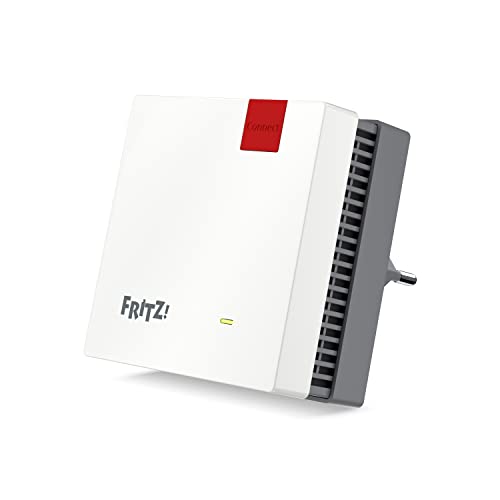
- AVM FRITZ!Repeater 1200 AX Overall score: 9.11
- AVM FRITZ!Repeater 3000 AX Overall score: 9.11
The chart below ranks Wi-Fi extender brands based on their overall scores.
[horizontal-chart-10142674921665018098172531868163716079840930872242]What are the main advantages of Fritzbox Wi-Fi extenders?
The main advantages of Fritzbox Wi-Fi extenders are as follows:
- Strong FRITZ! ecosystem fit: FRITZ! repeaters are especially attractive when the main router is already a FRITZ!Box.
- Good mesh-style roaming: One of the main strengths of FRITZ! repeaters is that they fit naturally into an AVM whole-home Wi-Fi setup.
- Reliable software environment: AVM usually has a good reputation for tidy interfaces, stable updates, and an ecosystem that feels coherent over time.
- Good fit for mainstream and demanding homes: FRITZ! repeaters can make sense both in normal family networks and in somewhat busier homes where stable whole-home Wi-Fi matters.
- Clearer model separation: The lineup usually gives buyers a cleaner split between simpler repeaters and stronger units for faster broadband or larger homes.
- Practical Ethernet flexibility: Some FRITZ! repeaters are more useful because they can also support a wired TV, desktop, console, or media corner through Ethernet.
What are the main disadvantages of Fritzbox Wi-Fi extenders?
The main disadvantages of Fritzbox Wi-Fi extenders are as follows:
- Best value depends on using AVM gear: Much of the brand's appeal comes from the FRITZ! ecosystem, so buyers with another router brand may not get the full benefit.
- Often less price-aggressive than value brands: FRITZ! hardware can be a sensible long-term buy, but it is not usually the cheapest way to solve a coverage problem.
- Ecosystem advantage matters less in mixed setups: If the network already mixes several brands, the clean AVM mesh story becomes less important.
- Placement still strongly affects performance: Even a well-integrated FRITZ! repeater can perform poorly if it is placed too far into the weak-signal zone.
- Not always the strongest value for simple one-room fixes: In small flats or very basic dead-zone cases, the broader AVM software and mesh benefits may be more than the buyer actually needs.
- Less appealing for buyers who want maximum brand flexibility: People who like to swap router brands freely or build around mixed networking hardware may see the FRITZ!-centric advantage as a limitation.