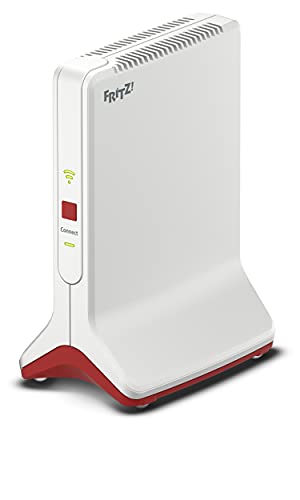
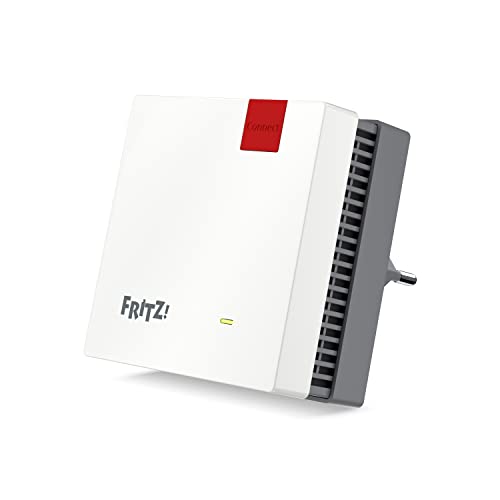
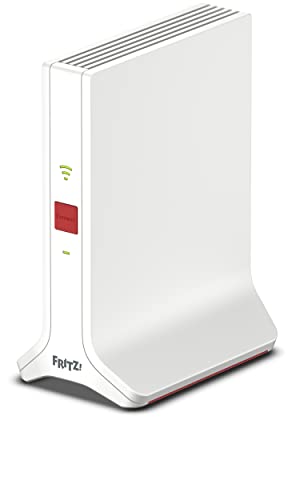
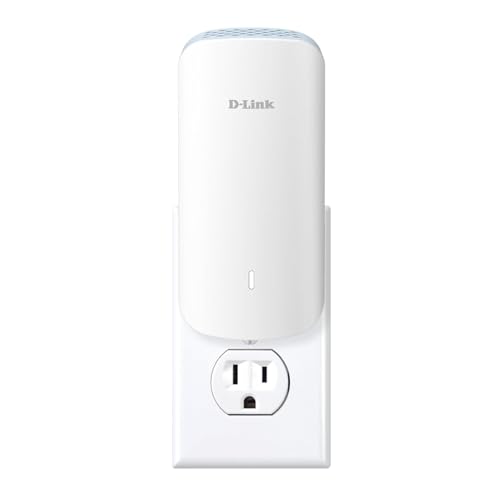
Which brands make the best Wi-Fi 6 extenders?
The best Wi-Fi 6 extender brands are as follows:
- AVM (Average overall score: 9.3)
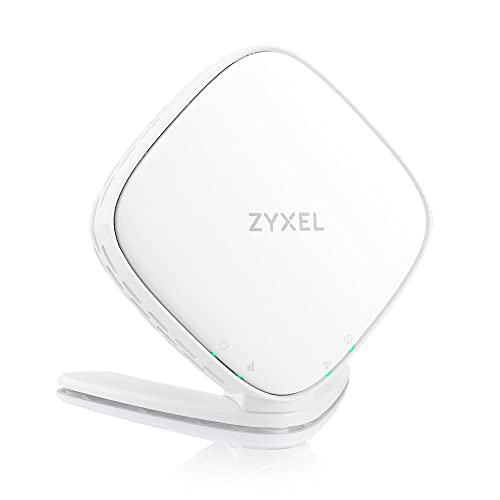
- Zyxel (Average overall score: 8.6)
- TRENDnet (Average overall score: 8.3)
The chart below ranks Wi-Fi 6 extender brands by average overall score.
[horizontal-chart-05666307817420055795049702858274798481653141830079]
What is a Wi-Fi 6 extender?
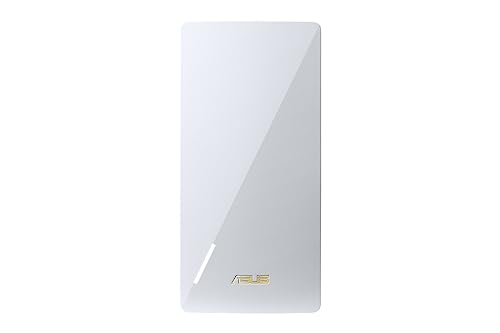
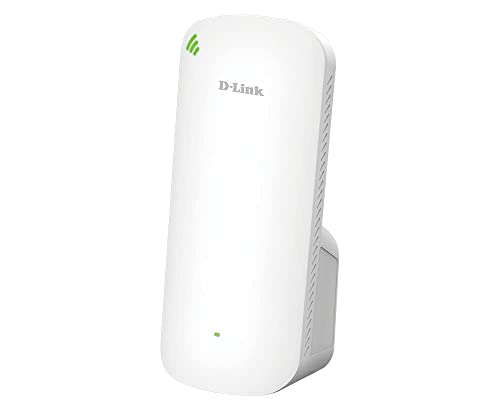
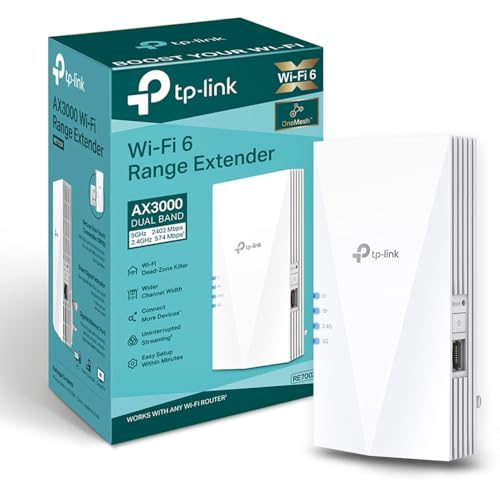
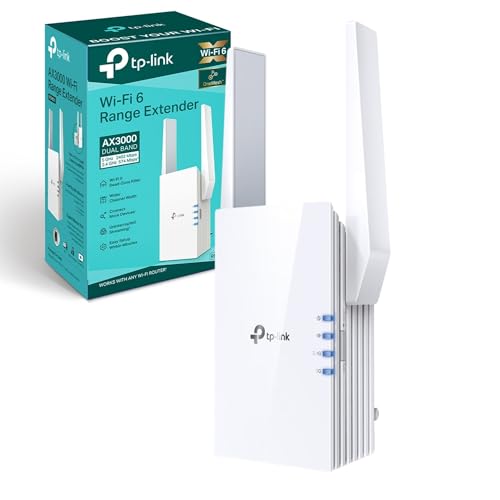
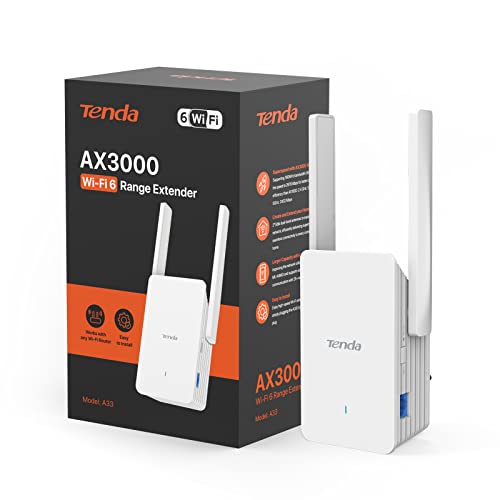
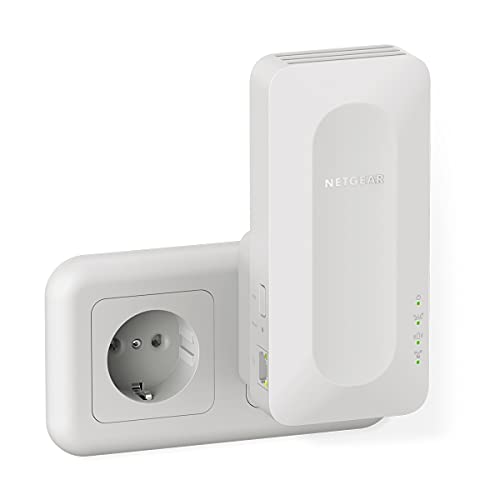
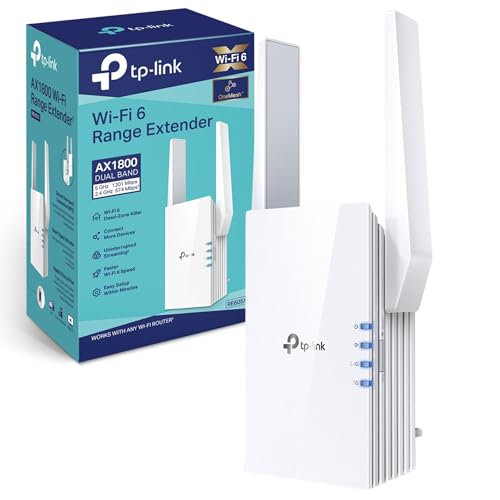
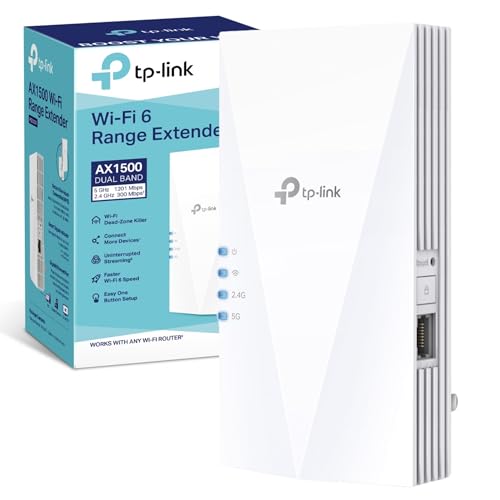
A Wi-Fi 6 extender is a Wi-Fi extender built around the Wi-Fi 6 standard, also known as 802.11ax.
Compared with older AC-class extenders, Wi-Fi 6 models are usually better at keeping several active devices running smoothly at the same time. They are often a better fit for faster broadband, busier homes, and networks where phones, laptops, TVs, consoles, and smart-home gear are all competing for airtime.
The key point is that Wi-Fi 6 is not only about higher headline speed. It is also about a more efficient and stable connection once the network starts getting busy.
How much faster are Wi-Fi 6 extenders in real use?
Wi-Fi 6 extenders can be about 1.5x to 3x faster in real use than older AC750 or AC1200 models, especially when the network is busy or the internet connection is faster.
The gain is not only about higher peak speed, but also about better efficiency and less congestion under load. In practice, the biggest benefit shows up in households where multiple people stream, work, browse, and use smart devices at the same time.
Wi-Fi 6 still does not cancel out bad placement or a weak link back to the router. It improves the ceiling and the handling of modern traffic, but the extender still needs a solid upstream connection to feel like a real upgrade.
Which devices benefit most from a Wi-Fi 6 extender?
The devices that benefit most from a Wi-Fi 6 extender are newer phones, laptops, tablets, smart TVs, consoles, and busy smart-home setups with many active devices at the same time.
The biggest gains usually appear when several newer devices share the same extender rather than when only one light-use device is connected. Homes with fast broadband also benefit more clearly, because Wi-Fi 6 extenders are better suited to preserving useful throughput than older low-end extenders are.
If most of your devices are older and the internet connection is modest, a Wi-Fi 6 extender can still work well, but the advantage over a cheaper AC-class model may be less dramatic.
How much do Wi-Fi 6 extenders cost?
Wi-Fi 6 extenders usually cost between £45 and £180, with many models sitting around £60 to £130.
The lower end can already make sense if you mainly want a newer standard and cleaner support for modern routers. In the middle of the range, you are more likely to get AX1800 to AX3000-class hardware, better radios, stronger Ethernet support, and steadier performance in a busier home. The most expensive models usually only make sense if you have fast broadband, several active devices, or a setup that can actually use that extra speed and backhaul headroom.
This chart visualizes Wi-Fi 6 extender prices.
[vertical-chart-05572137223087541986020240031755558518143641127150]
What range can you expect from a Wi-Fi 6 extender?
A Wi-Fi 6 extender usually gives you stronger usable coverage than a basic older extender, especially in medium-to-larger homes or busier rooms.
The biggest gain often comes from better efficiency and stronger hardware rather than from the Wi-Fi 6 label alone. In ordinary homes, Wi-Fi 6 extenders are a better fit for harder coverage problems than AC750 or weaker AC1200 models are, especially when the target room still has to support several active devices.
They are not magic long-distance tools, but they usually hold up better once network load increases. The realistic expectation is better usable coverage and stronger stability under load, not unlimited reach.
What compatibility should you check on a Wi-Fi 6 extender?
The main compatibility checks on a Wi-Fi 6 extender are as follows:
- Router generation: A Wi-Fi 6 extender also works with older routers, but the cleanest upgrade makes the most sense when the rest of the network can also benefit from newer wireless behavior.
- Ethernet needs: Many Wi-Fi 6 extenders include a LAN port, but the number and speed of ports still vary, so check whether the wired side matches your TV, console, desktop, or backhaul plans.
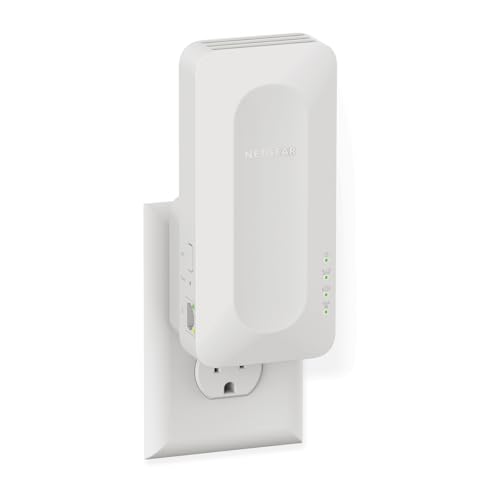
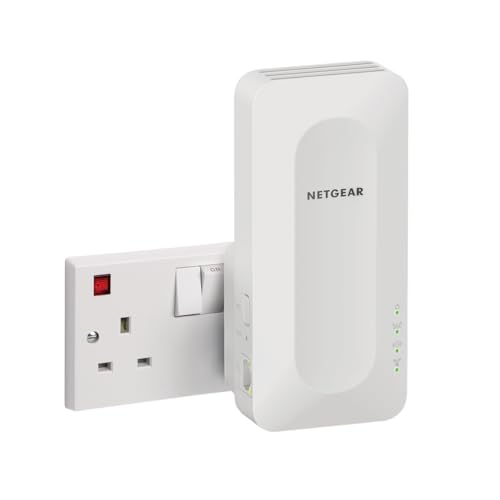
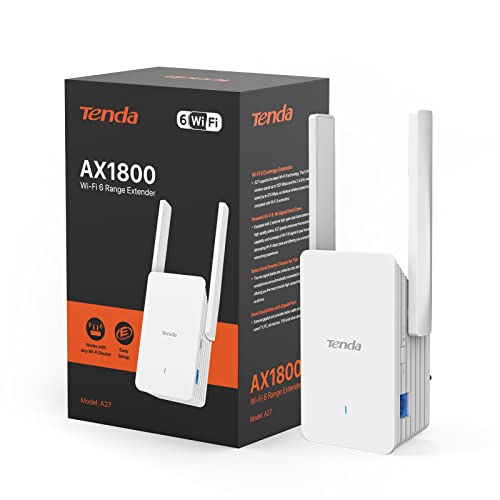
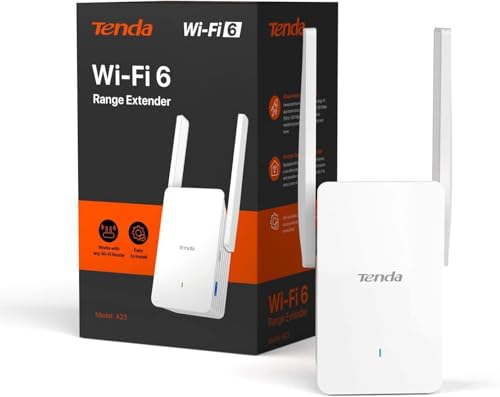
- Placement format: Some Wi-Fi 6 models are compact plug-in extenders, while others are larger desktop or access-point-style units, so make sure the form factor fits the intended room and socket position.
- Security and ecosystem features: Check the security standard and any brand-specific mesh or roaming features that matter if you want smoother whole-home behavior rather than only a basic range boost.
- Performance fit: Wi-Fi 6 makes the most sense when the broadband speed, device count, or household load is high enough to justify paying more than for an older AC-class extender.