
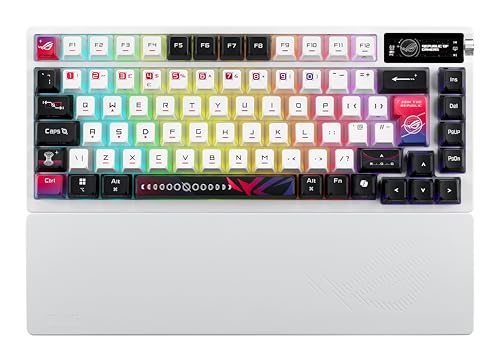
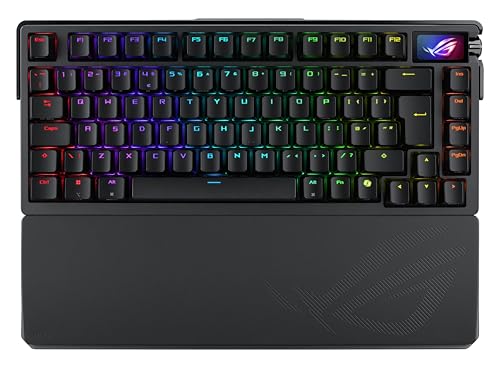
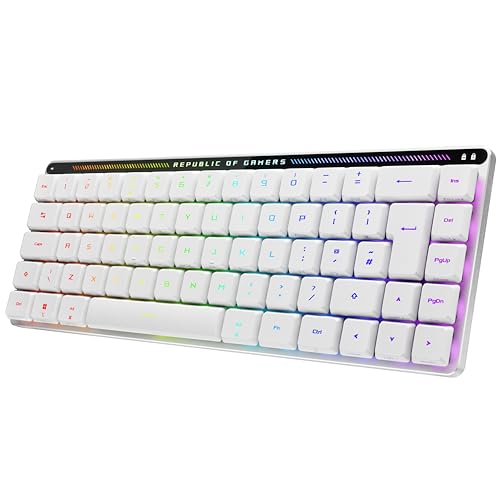
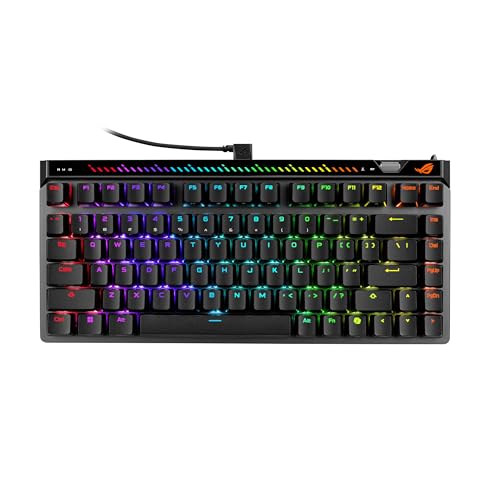
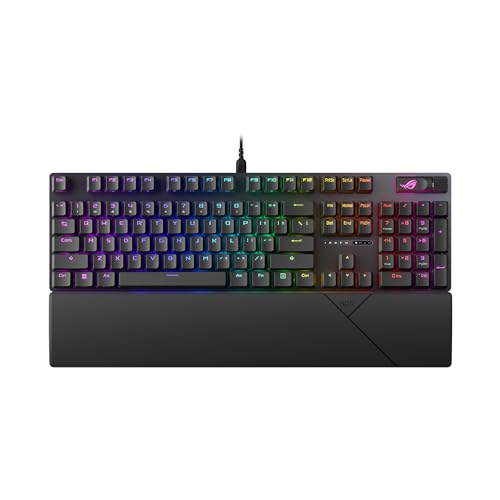
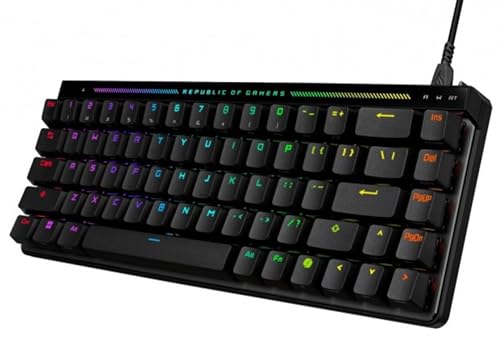
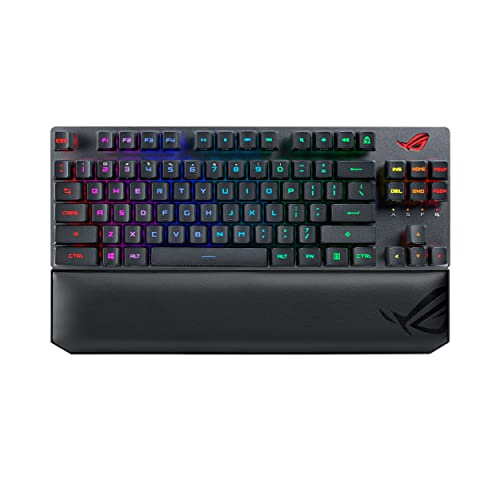
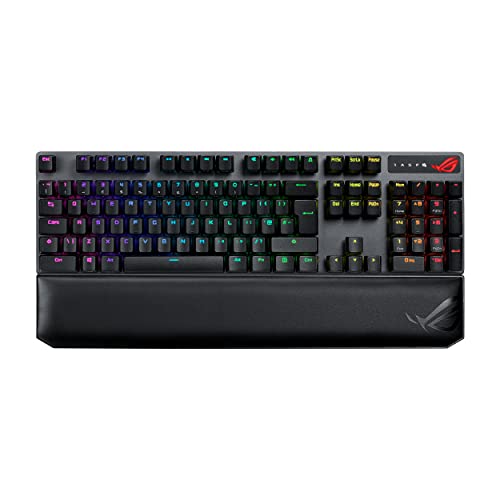
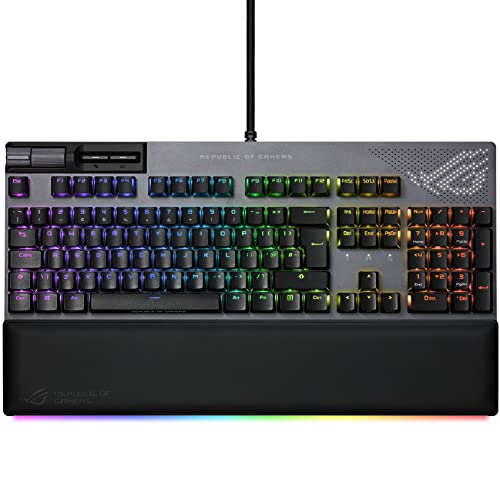
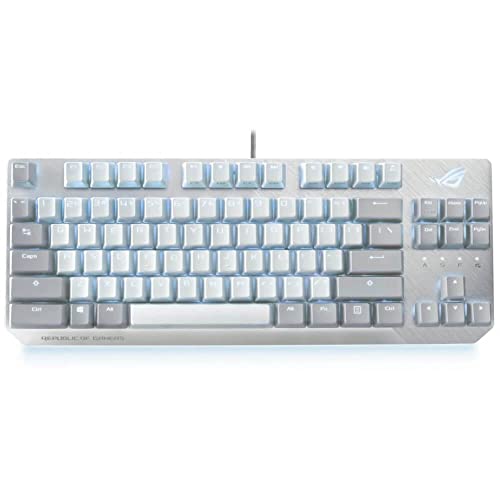
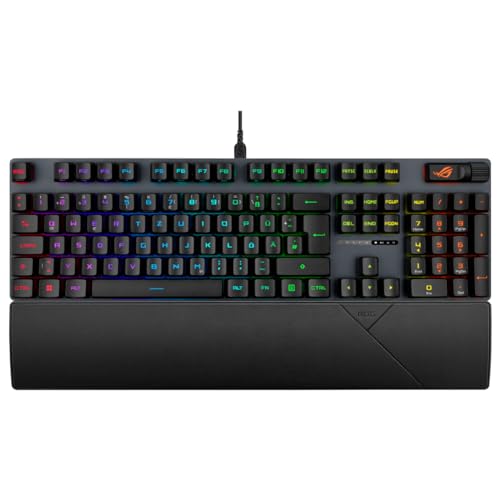
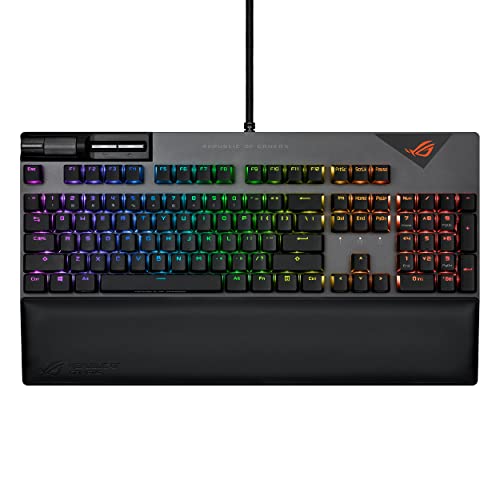
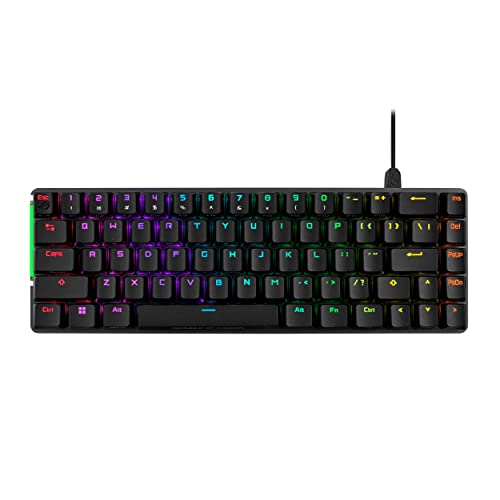
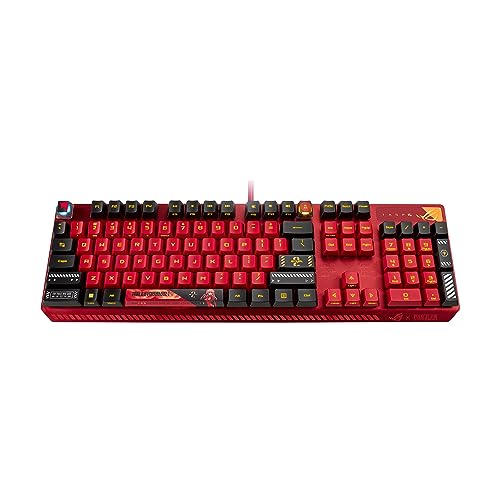
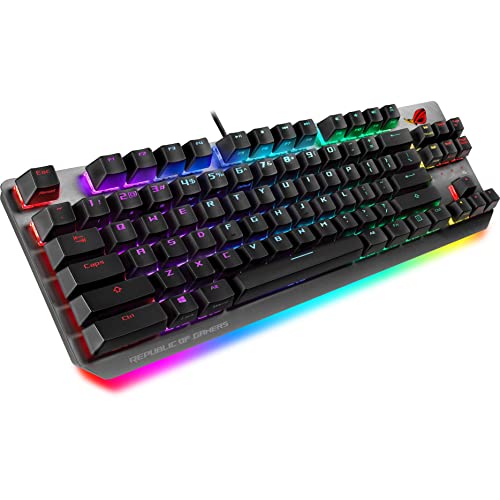
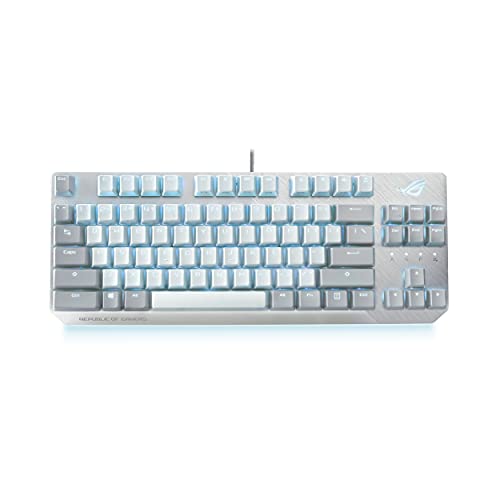
Are Asus keyboards good?
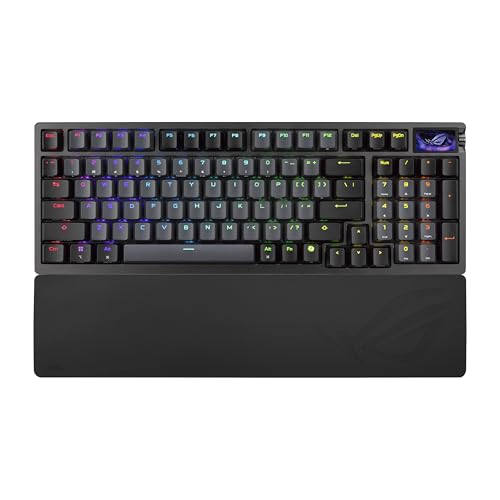
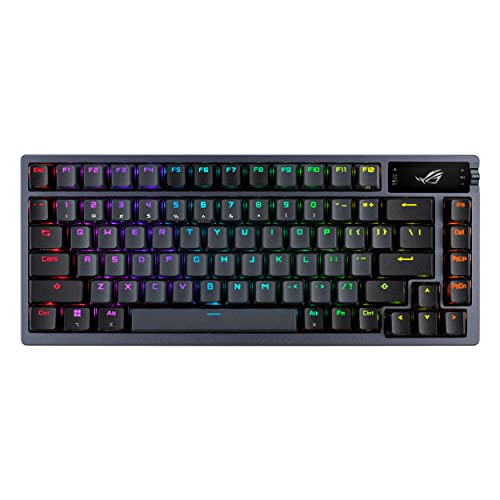
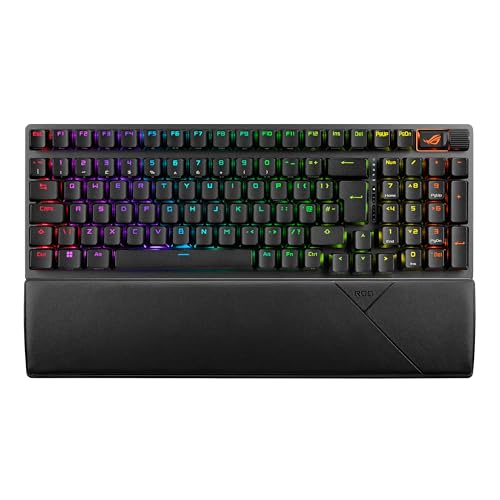
Asus keyboards are good overall: they average 7.5 in overall score (rank #3 among 16 comparable keyboard brands) and 9.2 in user ratings (rank #5).
Asus's main strengths are its fully gaming-focused lineup, unusually broad coverage of compact and near-compact sizes, and a strong mix of wired and triple-mode wireless options. The brand also offers more switch-tech diversity than many mainstream rivals, with mechanical, optical, and hall-effect boards all present in the current category slice.
The main tradeoff is that Asus is still narrow in firmware openness and office-first usability. In this category, the current Asus range has no real QMK or VIA support, all models are gaming-oriented, and the overall pricing leans well above entry-level mainstream boards.
Asus keyboards make the most sense for buyers who want a gaming-first board with stronger layout choice, modern wireless flexibility, and a more premium enthusiast-gaming feel than basic mass-market alternatives.
The best Asus keyboard models are as follows.
- ASUS ROG Falcata (Overall score: 8.77)
- ASUS ROG Azoth 96 HE (Overall score: 8.65)
- ASUS ROG Azoth (Overall score: 8.33)
The chart below compares keyboard brands by average overall score and shows where Asus sits in the broader market.
[horizontal-chart-11096085825026269987026381138769698273463165435091]
What are the main advantages of Asus keyboards?
The main advantages of Asus keyboards are as follows:
- Strong gaming focus: Every current Asus keyboard in this category is built around gaming, so the brand is consistently aligned with competitive play, enthusiast-gaming setups, and performance-led features rather than split office-and-gaming identity.
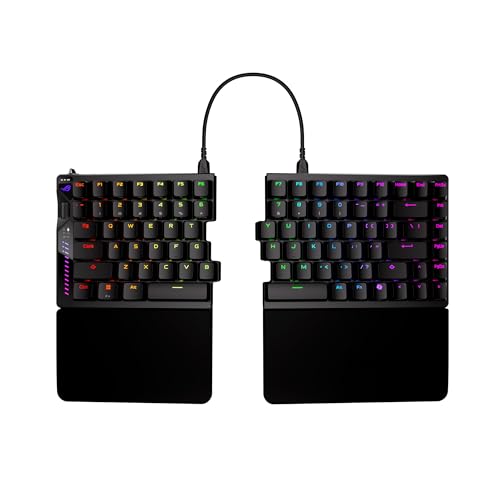
- Broader layout variety: Asus is unusually strong in compact and near-compact gaming sizes, with meaningful coverage across 65%, 75%, TKL, 1800-compact, and even one split option instead of relying mostly on only full-size boards.
- Good wireless depth: A large part of the current Asus lineup supports USB, 2.4 GHz, and Bluetooth, which gives buyers more flexibility than many gaming brands that stay more wired-heavy.
- More switch-tech diversity: Asus offers mechanical, optical, and hall-effect boards in this live slice, which gives buyers more ways to target a specific gaming feel or input style.
- Premium enthusiast-gaming identity: Asus does a good job of making its keyboards feel more enthusiast-leaning and feature-rich than simpler mass-market gaming boards, especially in the better-known ROG range.
What are the main disadvantages of Asus keyboards?
The main disadvantages of Asus keyboards are as follows:
- No real QMK or VIA support: Asus currently offers no meaningful QMK or VIA depth in this category, which makes the lineup less attractive for buyers who want open firmware flexibility or deeper remapping control.
- Strong gaming bias: Asus is excellent if you want gaming hardware, but that same consistency makes the brand less attractive for buyers who want quieter office boards, neutral aesthetics, or a work-first keyboard.
- Premium pricing pressure: The current Asus range starts above cheap mainstream levels and climbs very high at the flagship end, so buyers often pay enthusiast-gaming prices rather than broad-market value pricing.
- Weak office-platform balance: Even though some models support broader connectivity, the brand's identity and tuning are still much more gaming-centered than productivity-centered.
- Limited profile variety: Asus has only a very small low-profile tail here, so buyers who strongly prefer slimmer boards still get less choice than buyers who are comfortable with standard-profile gaming hardware.

Who makes Asus keyboards?
Asus keyboards are made by Asus, the Taiwanese technology company founded in 1989. The brand is broadly known for PCs, laptops, motherboards, graphics cards, and gaming hardware, and its keyboard identity is strongly tied to that larger gaming and PC-performance ecosystem.
For keyboards, Asus is especially associated with the ROG line, which pushes the brand toward enthusiast-gaming buyers rather than toward office-first or general-consumer accessory buyers. That shows up clearly in the live category slice, where all current Asus keyboards are gaming-oriented and heavily focused on premium features.
Asus's keyboard strategy today is less about broad office coverage and more about giving gaming buyers stronger hardware identity, more layout experimentation, and higher-end switch or wireless options. That makes the brand attractive for gaming-focused users, but less compelling for buyers who want calmer mainstream productivity boards.
What are the main Asus keyboard series?
The main Asus keyboard series are as follows:
- ROG Strix: This is Asus's broader mainstream premium gaming line, covering full-size, TKL, and several of the brand's more conventional high-end gaming boards.
- ROG Falchion: These models represent Asus's more compact gaming direction, especially for buyers who want 65%, 75%, or other smaller layouts without leaving the premium gaming lane.
- ROG Azoth: This part of the lineup pushes more enthusiast-leaning premium keyboard positioning, with stronger compact-focus identity and some of the most expensive Asus boards in the category.
- Other specialist ROG models: Asus also uses smaller specialist branches such as Falcata and edition variants to cover niche gaming layouts or premium enthusiast-gaming experiments.
How much do Asus keyboards cost?
Asus keyboards usually cost about £110-£490, with many of the more recognizable mainstream and premium models sitting around £130-£210. That is the band where Asus most often combines stronger gaming execution, broader layout experimentation, and better multi-mode wireless or higher-end switch options rather than only basic hardware.
The lower end of the range covers simpler ROG gaming boards, while the upper end includes more premium enthusiast-gaming models such as the stronger Azoth variants and other specialist flagships. Asus is therefore clearly not a budget-first brand here, but it does offer a wide premium-gaming span for buyers who want to scale up in features and price.
How do Asus keyboards compare with Logitech models?
Asus keyboards usually compare with Logitech models as the more layout-diverse and enthusiast-gaming-oriented option, while Logitech is typically the cleaner mainstream gaming brand. Both brands lean heavily toward gaming rather than open firmware, but Asus pushes harder on compact and near-compact layouts, broader switch-tech variety, and a more enthusiast-style premium gaming identity.
The technical split in the current market data is also clear. Asus has much stronger coverage of 65%, 75%, and 1800-compact layouts, more hall-effect presence, and a larger share of triple-mode wireless models, while Logitech stays more concentrated around conventional TKL and full-size boards with a simpler mainstream gaming profile. In practice, Asus makes more sense for buyers who want more specialized gaming hardware, while Logitech makes more sense for buyers who want a more familiar mainstream gaming peripheral brand.
What should you consider while choosing the best Asus keyboard?
You should consider the following factors while choosing the best Asus keyboard:
- Layout size: Asus is unusually strong in compact and near-compact gaming layouts, including 65%, 75%, TKL, and 1800-compact boards. Start by deciding whether you want a mainstream full-size layout or one of the smaller gaming-focused options where Asus is more distinctive.
- Wired or wireless use: A large part of the current Asus lineup supports USB, 2.4 GHz, and Bluetooth, while the rest is wired. Decide whether multi-mode flexibility is one of the features you are actually paying for.
- Switch technology: Asus splits its lineup across mechanical, optical, and hall-effect options. If you are buying for gaming feel, analog-style behavior, or a specific response profile, this is one of the most important technical differences to check.
- Gaming versus office balance: Asus is a gaming-first brand from top to bottom in this category. That is ideal for gaming setups, but buyers who mainly want quiet work hardware may find the lineup too gaming-centric.
- Budget: Around £130-£210 is the core range for Asus's more visible keyboards, but the full span reaches far higher. Paying more should buy a better layout, switch system, or stronger flagship execution rather than only a stronger ROG badge.
- Firmware expectations: Asus currently offers no real QMK or VIA depth here, so buyers who want open-ended remapping or custom firmware flexibility should factor that in before buying.
- Platform fit: Even when a model has broader wireless support, Asus's overall identity remains strongly gaming-PC-oriented rather than strongly office- or Mac-centered.