Scored using Headphones Methodology v1.0
Headphones Methodology v1.0
Mathematical & Unbiased Scoring
Products in this category are scored under Frontum Headphones Methodology v1.0: technical specifications plus authentic consumer ratings, with 0% commercial bias.
Explore Headphones Methodology v1.0

Kiwi Ears Ardor Review | 93 Data compared

Avg. price:~£80Form factor:over-earConnectivity:wirelessBattery life:140 hoursActive noise cancellation (ANC):yes

Kiwi Ears Ardor Review: Compare 93 technical specifications and user reviews to see how this product ranks in the Headphones category and whether it is worth buying.
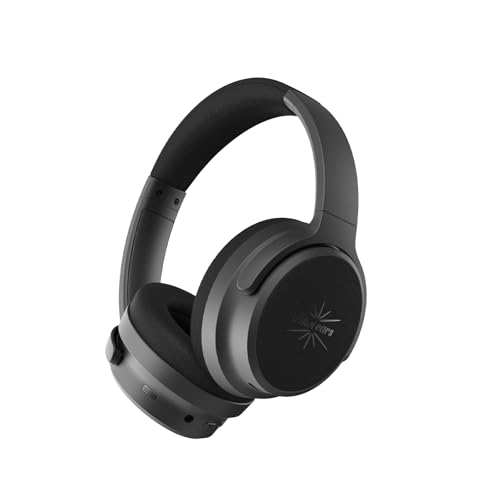
Kiwi Ears Ardor
7.7/10

Overall score

Score
7.7/ 10
✕
What it is
An overall evaluation of the headphones' quality, based on technical analyses and user reviews.
When it matters
When you need a quick reference to identify the best headphones on the market.
Score distribution
â–¼
<55-66-77-88-99-10
Score components

80%

7.7

Technical score

20%

7.7

User score

â–²Better than 86% of headphones
8.4

Value for money

Value for money
8.4/ 10
✕
What it is
An indicator that combines the headphones' overall rating with their cost.
When it matters
When you are looking for headphones that offer a strong balance of performance, features, and price.
Score distribution
â–¼
<55-66-77-88-99-10
Score components

70%

7.7

Overall score

30%

10

Price

â–²Better than 89%
7.7

Technical score

Technical score
7.7/ 10
✕
What it is
An assessment of technical performance for products in the Headphones category across these key areas: Sound, Calls & Controls, Connectivity, Features, Battery, Design.
When it matters
When you want to compare headphones based on technical performance and available features.
Score distribution
â–¼
<55-66-77-88-99-10
Score components

52%

8.7

Sound

20%

5.9

Features

10%

5.2

Design

8%

6.6

Connectivity

6%

9.8

Battery

4%

8.4

Calls & Controls

â–²Better than 87%
7.7

User score

User score
7.7/ 10
✕
What it is
A rating that combines user reviews and the total number of reviews received by the headphones.
When it matters
When you want to understand how headphones perform in real listening and how reliable they are in terms of comfort, audio quality, battery life, and long-term use.
Score distribution
â–¼
<55-66-77-88-99-10
Score components

70%

8.6

User ratings

30%

5.6

Number of reviews

Based on ratings from across the web.
â–¼Worse than 68%
Loading...
Loading category ranking...

Technical Specifications of pair of headphones Kiwi Ears Ardor

Technical score
Technical score
7.7/ 10
✕
What it is
An assessment of technical performance for products in the Headphones category across these key areas: Sound, Calls & Controls, Connectivity, Features, Battery, Design.
When it matters
When you want to compare headphones based on technical performance and available features.
Score distribution
â–¼
<55-66-77-88-99-10
Score components:

52%

8.7

Sound

20%

5.9

Features

10%

5.2

Design

8%

6.6

Connectivity

6%

9.8

Battery

4%

8.4

Calls & Controls

7.7
User score
User score
7.7/ 10
✕
What it is
A rating that combines user reviews and the total number of reviews received by the headphones.
When it matters
When you want to understand how headphones perform in real listening and how reliable they are in terms of comfort, audio quality, battery life, and long-term use.
Score distribution
â–¼
<55-66-77-88-99-10
Score components

70%

8.6

User ratings

30%

5.6

Number of reviews

Based on ratings from across the web.
7.7
Popularity
Popularity
5.6/ 10
✕
What it is
An indicator based on the number of reviews received by the headphones.
When it matters
When you prefer headphones that have already been chosen and reviewed by many other users.
Score distribution
â–¼
<55-66-77-88-99-10
Popularity:
Kiwi Ears Ardor has a popularity score of 5.6 points, which is lower than that of 52.4% of products in this category.
5.6
Value for money
Value for money
8.4/ 10
✕
What it is
An indicator that combines the headphones' overall rating with their cost.
When it matters
When you are looking for headphones that offer a strong balance of performance, features, and price.
Score distribution
â–¼
<55-66-77-88-99-10
Score components:

70%

7.7

Overall score

30%

10

Price

8.4
Active noise cancellation (ANC)
yes
This pair of headphones supports active noise cancellation. 72.6% of headphones support active noise cancellation.
Driver type
dynamic
Driver size
40 mm
This pair of headphones uses a driver size of 40 mm, larger driver size than 28.6% of headphones and equal to 53.3% of headphones.
Number of drivers
2
This pair of headphones uses 2 drivers, more drivers than 96% of headphones and equal to 2.5% of headphones.
Lowest frequency
20 Hz
This pair of headphones reaches a lowest frequency of 20 Hz, higher lowest frequency than 50.8% of headphones and equal to 47.3% of headphones.
Show more
Noise-canceling microphone
yes
This pair of headphones supports a noise-canceling microphone. 61.1% of headphones support noise-canceling microphones.
Can be used as a headset
yes
This pair of headphones is headset-ready, 84.8% is not. 15.2% of headphones can be used as headsets.
Number of microphones
5
This pair of headphones has 5 microphones, more microphones than 93.2% of headphones and equal to 2.8% of headphones.
Boom microphone
no
This pair of headphones does not include a boom microphone. 13.5% of headphones have a boom microphone.
Microphone SNR
?
Show more
Connectivity
wireless
This pair of headphones supports wireless connectivity, more flexible connectivity than 50.8% of headphones and equal to 49.2% of headphones.
Bluetooth version
5.4
This pair of headphones uses Bluetooth version 5.4, newer Bluetooth version than 95.2% of headphones and equal to 4.1% of headphones.
Maximum Bluetooth range
10 m
This pair of headphones offers a Bluetooth range of 10 m, higher Bluetooth range than 2.7% of headphones and equal to 80.6% of headphones.
Audio latency
?
Multipoint support
yes
This pair of headphones supports multipoint. 69.4% of headphones support multipoint.
Show more
Ambient sound mode
yes
This pair of headphones supports ambient sound mode. 75.2% of headphones support ambient sound mode.
EQ support
no
This pair of headphones does not support EQ customization. 23.2% of headphones support EQ.
Companion app
no
This pair of headphones does not work with a companion app. 21.6% of headphones support companion apps.
Adjustable ANC levels
N/A
Voice assistant support
yes
This pair of headphones supports voice assistants. 39.2% of headphones support voice assistants.
Show more
Battery life
140 hours
This pair of headphones offers battery life of 140 hours, higher battery life than 99.7% of headphones and equal to 0.1% of headphones.
Battery life with ANC
72 hours
This pair of headphones offers battery life with ANC of 72 hours, higher battery life with ANC than 97.7% of headphones and equal to 0.2% of headphones.
Charging time
2 hours
This pair of headphones needs 2 hours to charge, lower charging time than 47.8% of headphones and equal to 39% of headphones.
Quick charge
yes
This pair of headphones supports quick charge. 67% of headphones support quick charge.
Battery capacity
1,100 mAh
This pair of headphones has a battery capacity of 1,100 mAh, higher battery capacity than 92.9% of headphones and equal to 1.2% of headphones.
Show more
Brand name
Kiwi
Form factor
over-ear
Weight
287 g
This pair of headphones weighs 287 g, heavier than 76.6% of headphones and equal to 0.2% of headphones.
Acoustic design
closed-back
Clamp force
?
Show more

Kiwi Ears Ardor vs the average pair of headphones

246810TotalDesignSoundBatteryConnectivityCalls & ControlsFeatures
  • Active noise cancellation
    This pair of headphones supports active noise cancellation, the average pair of headphones does not. 27.5% of headphones support active noise cancellation.
  • Spatial audio support
    This pair of headphones supports spatial audio, the average pair of headphones does not. 15.9% of headphones support spatial audio.
  • Ambient sound mode
    This pair of headphones supports ambient sound mode, the average pair of headphones does not. 24.9% of headphones support ambient sound mode.
  • 110 hours longer battery life
    This pair of headphones has a higher battery life than the average pair of headphones (140 hours vs 30 hours). The average headphones offer battery life of 30 hours.
    140 hours vs 30 hours
  • 42 hours longer ANC battery life
    This pair of headphones has a higher battery life with ANC than the average pair of headphones (72 hours vs 30 hours). The average headphones offer battery life with ANC of 30 hours.
    72 hours vs 30 hours
  • Multipoint support
    This pair of headphones supports multipoint, the average pair of headphones does not. 30.6% of headphones support multipoint.
  • Wear detection
    This pair of headphones supports wear detection, the average pair of headphones does not. 8.6% of headphones support in/on-ear detection.
  • More flexible connectivity
    This pair of headphones offers more flexible connectivity than the average pair of headphones (wireless vs wired). The average headphones support wired connectivity.
    wireless vs wired
  • 15.4% better value for money
    Kiwi Ears Ardor has better value for money than the average pair of headphones (8.39 vs 7.3).
    8.39 vs 7.27
  • Foldable design
    This pair of headphones has a foldable design, the average pair of headphones does not. 48.3% of headphones are foldable.
  • Water resistance
    This pair of headphones is water resistant, the average pair of headphones is not. 20.2% of headphones are water resistant.
  • Better IP rating
    This pair of headphones has a better IP rating than the average pair of headphones (IPX5 vs none). The average headphones have an IP rating of none.
    IPX5 vs none
  • Active noise cancellation
    This pair of headphones supports active noise cancellation, the average pair of headphones does not. 27.5% of headphones support active noise cancellation.
  • Spatial audio support
    This pair of headphones supports spatial audio, the average pair of headphones does not. 15.9% of headphones support spatial audio.
  • 20,000 Hz higher treble extension
    This pair of headphones has a higher highest frequency than the average pair of headphones (40,000 Hz vs 20,000 Hz). The average headphones reach a highest frequency of 20,000 Hz.
    40,000 Hz vs 20,000 Hz
  • 1 more drivers
    This pair of headphones uses more drivers than the average pair of headphones (2 vs 1). The average headphones use 1 drivers.
    2 vs 1
  • 0.2 % lower distortion
    This pair of headphones has a lower total harmonic distortion than the average pair of headphones (0.1 % vs 0.3 %). The average headphones have total harmonic distortion of 0.3 %.
    0.1 % vs 0.3 %
  • 110 hours longer battery life
    This pair of headphones has a higher battery life than the average pair of headphones (140 hours vs 30 hours). The average headphones offer battery life of 30 hours.
    140 hours vs 30 hours
  • 42 hours longer ANC battery life
    This pair of headphones has a higher battery life with ANC than the average pair of headphones (72 hours vs 30 hours). The average headphones offer battery life with ANC of 30 hours.
    72 hours vs 30 hours
  • Quick charge support
    This pair of headphones supports quick charge, the average pair of headphones does not. 33% of headphones support quick charge.
  • 89.7% higher battery capacity
    This pair of headphones has a higher battery capacity than the average pair of headphones (1,100 mAh vs 580 mAh). The average headphones have a battery capacity of 580 mAh.
    1,100 mAh vs 580 mAh
  • USB-C charging
    This pair of headphones uses USB-C charging, the average pair of headphones does not. 29.5% of headphones use USB Type-C.
  • Play while charging
    This pair of headphones can play while charging, the average pair of headphones cannot. 29.1% of headphones support play while charging.
  • Rechargeable battery
    This pair of headphones has a rechargeable battery, the average pair of headphones does not. 47.9% of headphones have a rechargeable battery.
  • Multipoint support
    This pair of headphones supports multipoint, the average pair of headphones does not. 30.6% of headphones support multipoint.
  • More flexible connectivity
    This pair of headphones offers more flexible connectivity than the average pair of headphones (wireless vs wired). The average headphones support wired connectivity.
    wireless vs wired
  • AAC codec support
    This pair of headphones supports AAC, the average pair of headphones does not. 32.2% of headphones support AAC.
  • NFC pairing
    This pair of headphones supports NFC pairing, the average pair of headphones does not. 11.7% of headphones support NFC pairing.
  • Multipoint connections
    This pair of headphones supports multipoint connections, while the average pair of headphones does not. 30.2% of headphones support multipoint connections.
    supports multipoint for up to 2 devices.
  • Low-latency game mode
    This pair of headphones includes a low-latency game mode, the average pair of headphones does not. 21.2% of headphones support low-latency game mode.
  • Clear call microphone
    This pair of headphones offers a clear call microphone, while the average pair of headphones does not. 39% of headphones support noise-canceling microphones.
  • On-device controls
    This pair of headphones includes on-device controls, the average pair of headphones does not. 46.8% of headphones support on-device controls.
  • 4 more microphones
    This pair of headphones has more microphones than the average pair of headphones (5 vs 1). The average headphones have 1 microphones.
    5 vs 1
  • Sidetone support
    This pair of headphones supports sidetone, the average pair of headphones does not. 25.3% of headphones support sidetone.
  • Ambient sound mode
    This pair of headphones supports ambient sound mode, the average pair of headphones does not. 24.9% of headphones support ambient sound mode.
  • Wear detection
    This pair of headphones supports wear detection, the average pair of headphones does not. 8.6% of headphones support in/on-ear detection.
  • 9 newer release date
    This pair of headphones was released more recently than the average pair of headphones (2025 vs 2016). The average headphones were released in 2016.
    March 2025
    2025 vs 2016
  • Non-replaceable earpads
    This pair of headphones has non-replaceable earpads, while the average pair of headphones has replaceable ones. 75.6% of headphones have replaceable earpads.
  • 31.7% higher weight
    This pair of headphones is heavier than the average pair of headphones (287 g vs 218 g). The average pair of headphones weighs 218 g.
    287 g vs 218 g
  • 2 Hz weaker bass extension
    This pair of headphones has a higher lowest frequency than the average pair of headphones (20 Hz vs 18 Hz). The average headphones reach a lowest frequency of 18 Hz.
    20 Hz vs 18 Hz
  • 2 dB/mW lower sensitivity
    This pair of headphones has a lower sensitivity than the average pair of headphones (100 dB/mW vs 102 dB/mW). The average headphones have sensitivity of 102 dB/mW.
    100 dB/mW vs 102 dB/mW
  • 6 mm tighter earcup width
    This pair of headphones has tighter earcup width than the average pair of headphones (38 mm vs 44 mm). The average headphones offer an inner earcup width of 44 mm.
    38 mm vs 44 mm
  • No neodymium magnet
    This pair of headphones does not use neodymium magnets, the average pair of headphones does. 81.9% of headphones use neodymium magnets.
  • 3.8% lower user score
    User score
    7.7/ 10
    ✕
    What it is
    A rating that combines user reviews and the total number of reviews received by the headphones.
    When it matters
    When you want to understand how headphones perform in real listening and how reliable they are in terms of comfort, audio quality, battery life, and long-term use.
    Score distribution
    ▼▼
    <55-66-77-88-99-10
    Kiwi Ears Ardor
    the average pair of headphones
    Kiwi Ears Ardor has a lower user score than the average pair of headphones (7.71 vs 8).
    7.71 vs 8
  • 10 dB lower max SPL
    This pair of headphones has a lower max SPL than the average pair of headphones (100 dB vs 110 dB). The average headphones reach a max SPL of 110 dB.
    100 dB vs 110 dB
  • 3.8% lower user score
    User score
    7.7/ 10
    ✕
    What it is
    A rating that combines user reviews and the total number of reviews received by the headphones.
    When it matters
    When you want to understand how headphones perform in real listening and how reliable they are in terms of comfort, audio quality, battery life, and long-term use.
    Score distribution
    ▼▼
    <55-66-77-88-99-10
    Kiwi Ears Ardor
    the average pair of headphones
    Kiwi Ears Ardor has a lower user score than the average pair of headphones (7.71 vs 8).
    7.71 vs 8
  • Non-replaceable earpads
    This pair of headphones has non-replaceable earpads, while the average pair of headphones has replaceable ones. 75.6% of headphones have replaceable earpads.
  • 31.7% higher weight
    This pair of headphones is heavier than the average pair of headphones (287 g vs 218 g). The average pair of headphones weighs 218 g.
    287 g vs 218 g
  • 6 mm tighter earcup width
    This pair of headphones has tighter earcup width than the average pair of headphones (38 mm vs 44 mm). The average headphones offer an inner earcup width of 44 mm.
    38 mm vs 44 mm
  • 2 Hz weaker bass extension
    This pair of headphones has a higher lowest frequency than the average pair of headphones (20 Hz vs 18 Hz). The average headphones reach a lowest frequency of 18 Hz.
    20 Hz vs 18 Hz
  • 2 dB/mW lower sensitivity
    This pair of headphones has a lower sensitivity than the average pair of headphones (100 dB/mW vs 102 dB/mW). The average headphones have sensitivity of 102 dB/mW.
    100 dB/mW vs 102 dB/mW
  • No neodymium magnet
    This pair of headphones does not use neodymium magnets, the average pair of headphones does. 81.9% of headphones use neodymium magnets.
  • 10 dB lower max SPL
    This pair of headphones has a lower max SPL than the average pair of headphones (100 dB vs 110 dB). The average headphones reach a max SPL of 110 dB.
    100 dB vs 110 dB

Video reviews

Hands-on testing, unboxing, and real-world video evaluations

8.0
My Tech Gear
≈ estimated
06/12/2025
Hands-on review · mic test, ANC and battery
Verdict
Kiwi Ears Ardor is worth a look at this price if you can live without an app.
9.0
NorbReviews
≈ estimated
04/06/2025
Long-term review · sound, ANC, comfort and comparisons
Verdict
Kiwi Ears Ardor is fantastic for most people on a budget, though a treble peak may bother sensitive listeners.
9.0
MrYouWho
≈ estimated
17/05/2025
Hands-on review · battery, ANC and sound tests
Verdict
Kiwi Ears Ardor is a strong budget pick with excellent battery life and comfort, held back slightly by its plastic build.
8.0
askdrtk
≈ estimated
10/05/2025
Hands-on review · measurements, gaming and build tests
Verdict
Kiwi Ears Ardor is a pleasant all-rounder for listening and gaming, though its mids are recessed and studio work is harder.
8.0
Teoh on Tech
≈ estimated
13/04/2025
Hands-on review · sound, comfort and feature check
Verdict
Kiwi Ears Ardor is good value for the money if you accept the plasticky build and missing features.
8.0
Daryl Padlan
≈ estimated
01/06/2025
Hands-on review · one month of daily use
Verdict
Kiwi Ears Ardor is comfortable and sounds good for the price, despite a loose headband and no app.
9.0
TechToko
≈ estimated
02/05/2025
Hands-on review · battery, sound and controls tests
Verdict
Kiwi Ears Ardor is an excellent choice for buyers who want good sound, great battery life and comfort, though app support is missing.
Overview video
Brand video
Hands-on video, no verdict
Not graded
Shop video

Expert reviews

In-depth analysis and verdict from leading tech publications

pragmaticaudio.com
11/03/2025
Lab test · ANC headphones
Verdict
The Kiwi Ears Ardor is a comfortable ANC headphone with natural, well-tuned sound, best for listeners who dislike boomy bass, though some tracks have harsh treble.
digitalchumps.com
16/03/2025
Hands-on review · Noise cancelling headset
Verdict
The Kiwi Ears Ardor is an effective noise cancelling headset with clear vocals and long battery life, but its cups get uncomfortable after an hour or two.
hifioasis.com
15/04/2025
Hands-on review · Budget ANC headphones
Verdict
The Kiwi Ears Ardor is a comfortable Bluetooth headphone with good sound and excellent battery life, best for music and video, but its lag rules out competitive gaming.
majorhifi.com
29/04/2025
Hands-on review · Budget Bluetooth headphones
Verdict
The Kiwi Ears Ardor is a clear, roomy budget headphone with excellent battery life, best for casual listeners who accept limited codec support and no app.
hashbangcode.com
25/05/2025
Hands-on review · Everyday ANC headphones
Verdict
The Kiwi Ears Ardor is good value for commuting and travel, with effective noise cancelling and long battery life, but it is not waterproof.
homestudiobasics.com
04/06/2025
Listening test · Budget Bluetooth headphones
Verdict
The Kiwi Ears Ardor is a well-tuned budget headphone with very long battery life, but its soundstage feels closed in and a little claustrophobic.
gdgtme.com
09/07/2025
Daily use review · Budget ANC headphones
Verdict
The Kiwi Ears Ardor is an affordable, comfortable ANC headphone with excellent battery life for daily use, though its mids can sound thin.
root-nation.com
15/08/2025
Hands-on test · Over-ear headphones
Verdict
The Kiwi Ears Ardor is a flexible headphone with Bluetooth and wired modes and a roomy case, but its synthetic leather pads get sweaty in hot weather.
perrivanaudio.com
07/09/2025
Month-long test · Budget ANC headphones
Verdict
The Kiwi Ears Ardor is a comfortable, long-lasting commuter pair with punchy bass and solid noise cancelling, but its treble and transparency mode are weak.
mobileaudiophile.com
16/09/2025
Hands-on review · Foldable ANC headphones
Verdict
The Kiwi Ears Ardor is a versatile, warm-sounding pair with a large battery and wired or wireless use, but it gets hot in summer and has no app.
sypnotix.com
12/10/2025
Month-long test · Budget ANC headphones
Verdict
The Kiwi Ears Ardor is flexible and comfortable with decent noise cancelling, but the weak transparency mode, muffled mic and music dropouts fall short of its claims.
parkablogs.com
Not Dated
Budget-focused review · Wireless ANC headphones
Verdict
The Kiwi Ears Ardor is a budget pair with surprisingly good sound, long battery life and comfort, but it feels cheap and gets sticky in humid heat.
enostech.com
01/05/2025
Daily-use review · Dual-driver headphones
Verdict
The Kiwi Ears Ardor is a lightweight, well-built pair whose transparency mode and very long battery suit home and travel, though its earcup foam is thin.
mychooz.com
23/09/2026
Comfort-focused review · Travel headphones
Verdict
The Kiwi Ears Ardor is a light, long-lasting travel and movie headphone, but its basic sound and warm faux-leather pads make it a weak choice for audiophiles.
impulsegamer.com
21/05/2025
Hands-on review · Budget ANC headphones
Verdict
The Kiwi Ears Ardor ANC is a comfortable budget pair with punchy sound and very long battery life, but its noise cancelling falls short of high-end models.
C
cowcotland.com
03/04/2025
Summary of the review
fr.root-nation.com
15/08/2025
Hands-on test · Closed-back headphones
Verdict
The Kiwi Ears Ardor is a comfortable all-round headphone that connects by Bluetooth or cable for music, gaming and calls, though its leather pads get warm in heat.
Z
zeden.net
03/09/2025
Summary of the review
G
gamereactor.fr
24/03/2026
Summary of the review
leveltech.fr
05/12/2025
Hands-on test · Long-battery ANC headphones
Verdict
The Kiwi Ears Ardor is a balanced, comfortable pair with very long battery life and natural transparency, though its plastic creaks and it has no app.

Third-party reviews

Based on ratings from across the web.
Reviews last updated: November 2026 · How we calculate this

What customers like about Kiwi Ears Ardor

  • Industry-leading battery life (up to 140 hours without ANC)
  • Impressive midrange clarity and vocal detail for a budget model
  • Spacious and immersive soundstage with accurate imaging
  • High value-for-money with a comprehensive accessory kit (hard case included)
  • Stable Bluetooth 5.4 connection with multi-point support
  • Comfortable, lightweight design with soft padding
  • Effective hybrid ANC that successfully reduces common low-frequency hums

What customers don't like about Kiwi Ears Ardor

  • Limited codec support (SBC and AAC only; no LDAC or aptX)
  • No companion app for EQ customisation or ANC fine-tuning
  • Small earcups may feel cramped for users with larger ears
  • Volume steps are often too large, lacking granular control
  • No proximity sensor for auto-pause when removed
  • Plastic build can feel somewhat hollow or exhibit minor joint creaking
  • Pleather ear pads can cause sweating in warm or humid climates

Verdict

The Kiwi Ears Ardor are budget-friendly ($50-$100) Bluetooth 5.4 over-ear headphones featuring dual dynamic drivers (40mm + 10mm coaxial) that deliver a V-shaped, energetic sound with punchy bass and detailed mids, supported by up to 140 hours of battery life (72h with ANC on). Key features include hybrid Active Noise Cancellation (up to -35dB), USB-C high-fidelity wired mode with an internal DAC/AMP, and a lightweight, foldable design with soft vegan-leather pads. Pros include exceptional battery longevity, impressive soundstage, and strong build quality, while cons include limited codec support (only SBC/AAC), no companion app for EQ adjustment, and potentially tight clamping force for larger heads.

Compare Kiwi Ears Ardor with other products in the Headphones category

1Product to compare no. 1
VS
2Product to compare no. 2
VS
3Product to compare no. 3 (optional)

Graphic comparison of Kiwi Ears Ardor and other products in the Headphones category

No results found