Sony Xperia XZ2 (4GB + 64GB) review. Compare 197 technical specifications and user reviews to see how this product ranks in the Smartphones category and whether it is worth buying.
Overall score
What it is: An overall evaluation of the smartphone's quality, based on technical analyses and user reviews.
When it matters: When you need a quick reference to identify the best smartphones on the market.
Score components:
90.0%
Technical Score
10.0%
User score
Technical Score
What it is: An assessment of the smartphone's technical performance, covering eight key areas: performance & hardware, software, camera, connectivity, display, battery, audio, and design.
When it matters: When you want to compare smartphones based on technical performance and available features.
Score components:
25.0%
Performance & Hardware
18.0%
Camera
15.0%
Display
15.0%
Battery
10.0%
Software
10.0%
Connectivity
4.0%
Audio
3.0%
Design
User score
What it is: A rating that combines user reviews and the total number of reviews received by the smartphone
When it matters: When you want to know how a smartphone handles daily tasks and how reliable it remains over time according to user feedback.
Score components:
70.0%
User reviews
30.0%
Popularity
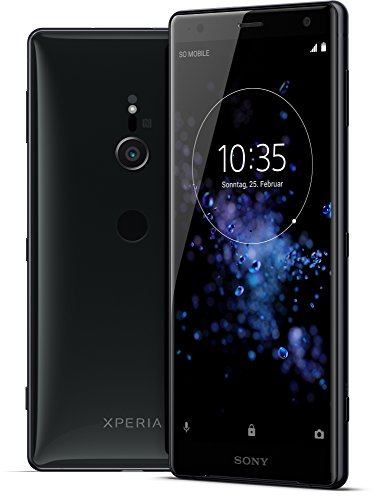
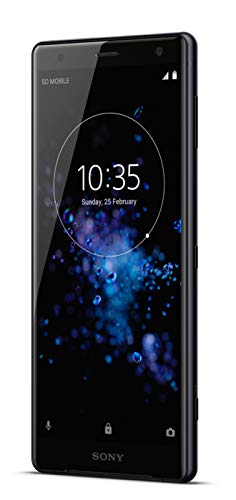
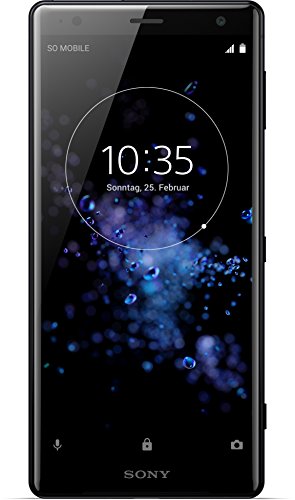
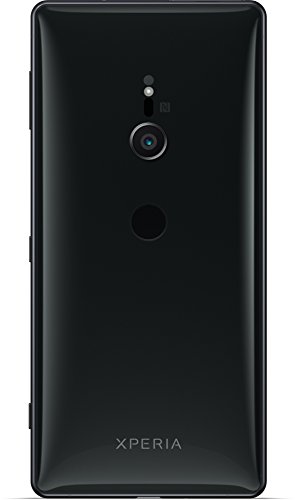

Available: ranking among products currently available (including other versions of this product).
All: ranking among all products in the database.
#30 in Best Sony Smartphones
#128 in Best Compact Smartphones
#1042 in Best NFC Smartphones
#1159 in Best Android Smartphones
#1201 in Best AI Smartphones
#1211 in Best Smartphones
What it is: An assessment of the smartphone's technical performance, covering eight key areas: performance & hardware, software, camera, connectivity, display, battery, audio, and design.
When it matters: When you want to compare smartphones based on technical performance and available features.
Score components:
25.0%
Performance & Hardware
18.0%
Camera
15.0%
Display
15.0%
Battery
10.0%
Software
10.0%
Connectivity
4.0%
Audio
3.0%
Design
What it is: A rating that combines user reviews and the total number of reviews received by the smartphone
When it matters: When you want to know how a smartphone handles daily tasks and how reliable it remains over time according to user feedback.
Score components:
70.0%
User reviews
30.0%
Popularity
What it is: An indicator that combines the smartphone's overall rating with its cost.
When it matters: When you are looking for a smartphone with a good balance between quality and price.
Score components:
60.0%
Overall score
40.0%
Price
Importance: LOW
Importance: HIGH
Importance: HIGH
Good value: >12 GB
Importance: MEDIUM
Good value: >256 GB
Importance: MEDIUM
Good value: >3.2 GHz
Importance: LOW
Importance: MEDIUM
Good value: >1500
Importance: LOW
Good value: >4000
Importance: LOW
Good value: 8+
Importance: LOW
Importance: LOW
Good value: >950 MHz
Importance: LOW
Good value: >700
Importance: LOW
Good value: >1000
Importance: LOW
Good value: >2500
Importance: MEDIUM
Good value: >6000
Importance: LOW
Good value: >8000
Importance: MEDIUM
Good value: >12000
Importance: LOW
Good value: >5000
Importance: LOW
Good value: >1800
Importance: LOW
Good value: >3200 MHz
Importance: LOW
Good value: 5
Importance: LOW
Good value: > 50 GB/s
Importance: LOW
Good value: 4
Importance: LOW
Good value: >16 GB
Importance: MEDIUM
Good value: <6 nm
Importance: MEDIUM
Good value: >9 W
Importance: LOW
Importance: LOW
Good value: >8192 KB
Importance: LOW
Good value: >2048 KB
Importance: LOW
Good value: >512 KB
Importance: LOW
Good value: >100000 million
Importance: LOW
Good value: 3.3
Importance: LOW
Good value: 3.2
Importance: LOW
Good value: 2.0/3.0
Importance: LOW
Importance: LOW
Importance: LOW
Importance: MEDIUM
Importance: LOW
Importance: LOW
Importance: LOW
Importance: LOW
Importance: LOW
Importance: LOW
Importance: LOW
Importance: LOW
Importance: LOW
Importance: LOW
Importance: LOW
Importance: LOW
Importance: LOW
Importance: LOW
Importance: LOW
Importance: LOW
Importance: LOW
Importance: LOW
Importance: LOW
Importance: LOW
Importance: LOW
Importance: LOW
Importance: LOW
Importance: LOW
Importance: LOW
Importance: LOW
Importance: LOW
Importance: LOW
Importance: LOW
Importance: LOW
Importance: LOW
Importance: LOW
Importance: LOW
Importance: MEDIUM
Good value: >50 MP
Importance: MEDIUM
Importance: HIGH
Good value: >60
Importance: LOW
Good value: ≥1.2 µm
Importance: MEDIUM
Good value: >2.5x
Importance: MEDIUM
Importance: LOW
Importance: LOW
Importance: LOW
Importance: LOW
Good value: ≥2
Importance: LOW
Importance: LOW
Importance: LOW
Importance: LOW
Good value: >16 MP
Importance: LOW
Importance: LOW
Importance: LOW
Importance: LOW
Importance: MEDIUM
Importance: LOW
Importance: LOW
Importance: LOW
Importance: LOW
Importance: LOW
Importance: LOW
Importance: LOW
Importance: LOW
Importance: LOW
Importance: LOW
Importance: LOW
Importance: LOW
Importance: LOW
Importance: LOW
Importance: LOW
Importance: LOW
Importance: LOW
Importance: LOW
Importance: LOW
Importance: LOW
Importance: LOW
Good value: >130
Importance: LOW
Good value: >120
Importance: LOW
Good value: ≥2
Importance: LOW
Importance: LOW
Importance: LOW
Importance: LOW
Importance: LOW
Importance: LOW
Good value: >5.2
Importance: LOW
Importance: LOW
Importance: LOW
Importance: LOW
Good value: 3.1/3.2
Importance: LOW
Importance: LOW
Importance: LOW
Good value: ≥2
Importance: LOW
Importance: LOW
Importance: LOW
Importance: LOW
Importance: LOW
Importance: LOW
Importance: LOW
Importance: LOW
Importance: LOW
Importance: LOW
Importance: LOW
Importance: LOW
Importance: LOW
Importance: LOW
Importance: LOW
Importance: LOW
Good value: ≥6.6 inches
Importance: MEDIUM
Importance: LOW
Good value: >400 ppi
Importance: MEDIUM
Importance: MEDIUM
Good value: ≥120 Hz
Importance: LOW
Importance: LOW
Good value: >300 Hz
Importance: LOW
Good value: >800 nits
Importance: LOW
Good value: >1300 nits
Importance: LOW
Good value: >1000 nits
Importance: LOW
Importance: LOW
Importance: LOW
Importance: LOW
Importance: LOW
Importance: LOW
Importance: LOW
Importance: LOW
Importance: HIGH
Good value: >5000 mAh
Importance: MEDIUM
Good value: >60 W
Importance: LOW
Importance: LOW
Good value: <45 min
Importance: LOW
Importance: LOW
Good value: >40 W
Importance: LOW
Importance: LOW
Good value: >10 W
Importance: LOW
Importance: LOW
Importance: MEDIUM
Importance: LOW
Good value: >800
Importance: LOW
Importance: LOW
Importance: LOW
Importance: LOW
Importance: LOW
Good value: ≥3
Importance: LOW
Importance: LOW
Importance: LOW
Importance: LOW
Importance: LOW
Importance: LOW
Importance: LOW
Good value: <162 mm
Importance: LOW
Good value: <75 mm
Importance: LOW
Good value: <8 mm
Importance: LOW
Good value: <190 g
Importance: LOW
Good value: <98cm³
Importance: LOW
Importance: LOW
Importance: LOW
Importance: LOW
Importance: LOW
Importance: LOW
Good value: ≥1.5 m
Importance: LOW
Importance: LOW
Good value: >8
Importance: LOW
Importance: LOW
Importance: LOW
Importance: LOW
Good value: ≥1.2 µm
Importance: LOW
Good value: >1800
Importance: MEDIUM
Good value: >9 W
Importance: LOW
Importance: LOW
Importance: LOW
Good value: 3.1/3.2
Importance: LOW
Importance: MEDIUM
Importance: MEDIUM
Importance: HIGH
Importance: MEDIUM
Good value: ≥120 Hz
Importance: MEDIUM
Good value: >256 GB
Importance: LOW
Importance: HIGH
Good value: >5000 mAh
Importance: LOW
Good value: ≥6.6 inches
(Reviews last updated: August 2026)
According to Android Central, the is a high-performance phone with processor, smooth software, MP camera with a useful physical shutter button. However, the device has significant drawbacks, including a "disastrously slippery" glass body, an unusually thick and heavy design, a dated camera app, and a lack of modern software features like face unlock. Ultimately, despite its strong internal components and unique features like the Dynamic Vibration Engine, the phone's design flaws, including awkward fingerprint sensor placement, led the reviewer to conclude it offered "too little value".
Wired reviewed the Sony Xperia XZ2, rating it 7/10, describing it as a speedy but somewhat awkward Android phone that struggles against competitors. While it has high-end specs and a redesigned curved glass back (a pro), its thickness, weight, slippery surface, and poorly placed fingerprint sensor are notable cons. Key pros include a good display without a notch, a powerful Snapdragon 845 processor, expandable storage, and a camera capable of 4K HDR video and 960fps slow-motion. Cons include the lack of a headphone jack, lower display resolution than some rivals, noisy low-light photos, and mediocre battery life without an included fast charger.
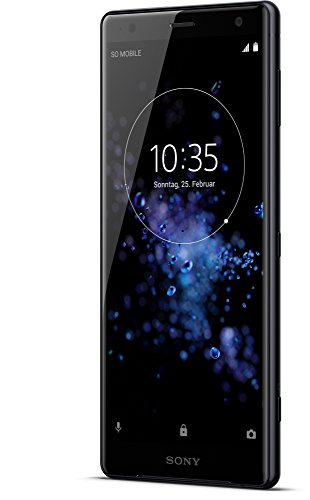
The Sony Xperia XZ2 features a new "Ambient Flow" design, departing from previous models with a curved glass build, but its arched back is slippery and the low fingerprint sensor placement is awkward. It boasts a rigid build, a vivid 5.7-inch HDR10 display, and a powerful Snapdragon 845 processor, but lacks a 3.5mm headphone jack and its highly reflective screen hinders outdoor visibility. The phone's camera offers world-first 4K HDR video and 1080p 960fps slow-motion recording with a dedicated button, yet the 5MP selfie camera is lackluster and the slow-motion feature is difficult to time.
According to CNET, the Sony Xperia XZ2 is a phone with powerful features like the Snapdragon 845 processor, a 5.7-inch HDR display, and advanced camera capabilities, but it suffers from a chunky design, poorly placed fingerprint sensor, disappointing battery life, and the absence of a headphone jack. While it offers unique features like 4K HDR video recording and a "Dynamic Vibration System," its flaws and high price point make it difficult to recommend over competitors such as the Samsung Galaxy S9 or Huawei P20 Pro.
PCMag describes the Sony Xperia XZ2 as a powerful phone with a new design direction but notes it is overshadowed by competitors due to feature omissions and design quirks. Pros include its waterproof design, fast processor, 4GB of RAM, and a 5.7-inch Full HD+ HDR display capable of upscaling content. Cons include its heavy and thick build, poorly placed fingerprint sensor, removal of the 3.5mm headphone jack, gimmicky 3D scanning, non-essential dynamic vibration system, and poor battery life.
TechRadar describes the Sony Xperia XZ2 as a powerful flagship phone with excellent multimedia capabilities, including the ability to record 4K HDR video and 1080p super slow-motion video, and a sharp 5.7-inch Full HD+ HDR display. However, the review notes several drawbacks, such as a polarizing "Ambient Flow" design that attracts fingerprints and still features noticeable bezels, the removal of the 3.5mm headphone jack, and awkwardly placed fingerprint sensor. These cons, despite high-end specs, make it a challenging competitor against other leading smartphones.
The Sony Xperia XZ2 debuts a curvier "Ambient Flow" design, offering a premium feel and a quality 5.7-inch HDR display, though the device is notably slippery and features an awkwardly placed fingerprint sensor. While the Snapdragon 845 processor provides exceptional, fast performance, the device lacks a 3.5mm headphone jack and features a questionable "Dynamic Vibration System". Despite solid battery life and good 4K HDR video, the camera suffers from a lack of OIS, resulting in inconsistent low-light performance.
The Sony Xperia XZ2 introduced a curvier "Ambient Flow" design, which improves ergonomics but results in a thick, heavy, and slippery device with a poorly placed fingerprint sensor. While it boasts a fast Snapdragon 845 processor and a solid, HDR-capable 5.7-inch display, the "Dynamic Vibration" feature is considered a gimmick. Camera performance is strong in video, offering 4K HDR and 960fps slow-motion, though it lacks top-tier still photo quality and the 3.5mm headphone jack.
The Sony Xperia XZ2 marks a significant design shift for the brand, replacing the "OmniBalance" look with a curved "Ambient Flow" aesthetic featuring 3D Gorilla Glass 5 and a modern 18:9, 5.7-inch display. While the design is a notable improvement, the device is heavy (198g), thick (11.1mm), and prone to sliding. Performance is top-tier, with the Snapdragon 845 chipset providing a fast experience, complemented by a sharp Full HD+ HDR display and improved stereo speakers. However, the device lacks a 3.5mm headphone jack, a major drawback noted in the review. Camera capabilities include 4K HDR recording and 960fps slow-motion, though low-light performance still lags behind competitors. The 3180mAh battery offers decent, if not market-leading, longevity.
The Sony Xperia XZ2, reviewed by Ubergizmo, features a significant design shift to a curved Gorilla Glass 5 body and a 5.7-inch Full HD+ IPS display that supports 4K HDR. Powered by a Snapdragon 845 processor with 4GB of RAM, the device delivers high-end performance for gaming and multitasking. Camera capabilities are a highlight, featuring 4K HDR video recording and 960FPS super slow-motion at 1080p, complemented by loud, clear dual front-facing speakers. UbergizmoDespite its strengths, the review notes drawbacks including the removal of the 3.5mm headphone jack and a rear fingerprint sensor placed too low, which often causes lens smudging. The 3,180 mAh battery charges slowly compared to competitors, and the curved back makes the device prone to sliding off surfaces. Overall, the XZ2 is deemed a multimedia-focused, albeit flawed, flagship. Ubergizmo
The Tom’s Guide review labels the Sony Xperia XZ2 as a significant design improvement, featuring a modern, thinner-bezel 5.7-inch 18:9 HDR display. Key pros include the stylish glass-and-aluminum build, the addition of Qi wireless charging, and top-tier performance from the Snapdragon 845 processor. Tom' However, cons include an awkward, low-positioned rear fingerprint sensor that often leads to smudged cameras, along with a "Dynamic Vibration" feature deemed a gimmick. Furthermore, the removal of the 3.5mm headphone jack is a drawback, especially given the phone's 11.1mm thickness. Tom' While the camera introduces advanced 4K HDR recording and 960 fps slow-motion, low-light performance remains weaker than competitors like the Pixel 2. Ultimately, the review concludes that despite being a strong contender, the XZ2 falls just short of the best Android devices of its time. Tom'
The Sony Xperia XZ2 debuts a curved "Ambient Flow" design, offering improved ergonomics over previous models, yet it suffers from a thick, heavy build (11.1mm, 198g) and a poorly positioned rear fingerprint scanner. While the Snapdragon 845 processor provides top-tier performance, this is marred by buggy software and an outdated user interface, although the battery life consistently lasts a full day with fast charging support. The camera stands out with 4K HDR video recording, but its software-driven bokeh mode is subpar and the app can be unstable.
The Sony Xperia XZ2 review by Tech Advisor notes the device's modern 18:9 aspect ratio and curved design but criticizes its thick (11.1mm) and heavy (198g) build. Key cons highlighted include the awkwardly placed fingerprint scanner, which often leads to smudging the camera lens, and the removal of the 3.5mm headphone jack despite the phone's size. Pros include its Snapdragon 845 processor for top performance, a 5.7-inch HDR display with Bravia TV HDR upscaling, loud front-facing stereo speakers, Qi wireless charging, and IP68 water resistance. However, the review finds the average battery life and slippery design make it less competitive than rivals.
According to a Gizmodo review, the Sony Xperia XZ2 represents a significant design shift with a curvy glass back and a powerful vibration motor that syncs with audio, though it remains somewhat chunky compared to competitors. The phone offers flagship-level performance with a Snapdragon 845 processor and a 5.7-inch HDR LCD display capable of 4K HDR video recording, but key cons include an awkwardly placed fingerprint reader and the removal of the headphone jack.
The Sony Xperia XZ2, featuring a curved glass "Ambient Flow" design, utilizes a 5.7-inch FHD+ HDR display, Snapdragon 845 processor, and IP65/68 water resistance. Key advantages include advanced 4K HDR video recording, 960 fps slow-motion, superior audio support, and a unique dynamic vibration system. Drawbacks highlighted in specifications include a heavy 11.1mm chassis, awkward rear fingerprint sensor placement, lack of a 3.5mm jack, and moderate battery capacity.
The Sony Xperia XZ2 debuts a curved "Ambient Flow" design with a 3D-glass body and a modern 18:9 aspect ratio, representing a significant shift from the previous "OmniBalance" style. It features the Snapdragon 845 chipset, premium build quality, and advanced multimedia capabilities like 4K HDR video and enhanced stereo speakers, though it is notably bulky and heavy. Performance is a key strength, driven by the Snapdragon 845, while the 19MP Motion Eye camera delivers strong results with 960fps super slow-motion in Full HD. However, the experience is hindered by the controversial removal of the 3.5mm headphone jack and an ergonomically flawed, low-placed fingerprint sensor. Pros include excellent build quality, top-tier performance, and unique video features, while cons center on the lack of optical image stabilization (OIS), the missing headphone jack, and substantial weight. Overall, it is considered a strong multimedia flagship that modernizes the Sony experience.
The GIGA review of the Sony Xperia XZ2 highlights a shift to a modern "Ambient Flow" design with high-gloss glass, offering a premium feel. While praised for its comfortable grip, the device is criticized for being extremely slippery and featuring a poorly placed, low-set fingerprint scanner that causes camera smudges. Performance is a strong point, driven by the Snapdragon 845 processor, alongside an immersive 5.7-inch HDR display and stereo speakers, although the Dynamic Vibration System is noted as a potential gimmick. Camera capabilities include 4K HDR video and 960fps slow-motion, yet the lack of optical image stabilization (OIS) and an dated UI are considered drawbacks. Despite these flaws, the XZ2 is presented as a capable, high-powered, though often overlooked, competitor to other 2018 flagships.
The Sony Xperia XZ2 introduced the "Ambient Flow" design, replacing the traditional boxy look with a more ergonomic, curved glass rear that is nevertheless 11.1mm thick and slippery. While offering a solid, IP68-rated build, the device faces ergonomic criticism, specifically regarding the awkwardly low placement of the rear fingerprint sensor. Performance is a strong point, driven by the Snapdragon 845 chipset, paired with a high-quality 5.7-inch HDR display and loud stereo speakers. The camera system excels in video, offering 4K HDR and 960fps slow-motion, though it lacks a dual-lens setup for dedicated optical zoom. Low-light photography performance is noted as a weakness compared to competitors. A notable drawback is the removal of the 3.5mm headphone jack. Overall, the device offers excellent, smooth performance but is hindered by its heavy design, poor ergonomics, and the absence of a headphone jack. The Dynamic Vibration system is generally considered a gimmick rather than a useful feature. Battery life is adequate, supporting both wireless and fast wired charging, but it does not lead the market in stamina.
The Sony Xperia XZ2 marks a significant design shift with its "Ambient Flow" look, replacing Sony’s traditional blocky aesthetic with a curved, comfortable, yet exceptionally slippery glass design. While the Snapdragon 845 processor delivers top-tier performance, the much-touted Dynamic Vibration System is deemed a gimmick. The phone features a vibrant 5.7-inch HDR display and excellent stereo speakers, making it strong in multimedia. SpiegelCamera capabilities are mixed, with 4K HDR recording and 960fps slow-motion offering high-end features, though low-light performance falls behind rivals due to the lack of optical image stabilization. The review highlights poor ergonomics, specifically the awkward placement of the fingerprint sensor, which leads to smudging the camera lens. Additionally, the omission of the 3.5mm headphone jack is noted as a downside. Spiegel
The Sony Xperia XZ2, as reviewed by Le Monde Numérique, features a major design shift to a rounded, glass "Ambient Flow" look. While the 5.7-inch 18:9 HDR display offers excellent contrast and color, the device is criticized for being thick and slippery. The review highlights a 19MP Motion Eye camera capable of 4K HDR recording and 960 fps slow-motion, though some software features are considered gimmicky. Powered by a Snapdragon 845 processor, the handset delivers top-tier performance, enhanced by improved stereo speakers and a unique, haptic-feedback "Dynamic Vibration System". However, significant drawbacks include the removal of the 3.5mm headphone jack and an awkwardly low placement of the rear fingerprint sensor. Despite these design compromises, the XZ2 is praised for its robust build quality and capable hardware. The review suggests it is a strong competitor, balancing powerful media capabilities with some ergonomic and functional trade-offs. YouTube
The Sony Xperia XZ2, featured on Voyage-Images www.voyage-images.com/test-sony-xperia-xz2, introduces a curved "Ambient Flow" design, departing from previous boxy models. While the 5.7-inch HDR display and Snapdragon 845 processor offer strong performance and visuals, the phone's glass body is notably slippery and the fingerprint sensor is positioned awkwardly low. Key features include 4K HDR video recording, 960fps slow-motion, and dual front-firing speakers, though the device lacks optical image stabilization and a 3.5mm headphone jack.
The Fnac Labo review highlights the Sony Xperia XZ2 as a significant design and multimedia overhaul, featuring a curved "Ambient Flow" body and a 5.7-inch HDR display with Bravia technology. Powered by a Snapdragon 845 processor, the device delivers high performance, complemented by unique, albeit divisive, features like the Dynamic Vibration System. While praised for its 4K HDR video capabilities, the phone is noted for being heavy and thick. L'É Key drawbacks identified by the lab include an awkward, low-placed fingerprint sensor prone to smudging the camera, and the removal of the 3.5mm headphone jack. Furthermore, while the battery offers solid performance, it lags behind top-tier competitors, and the screen-to-body ratio feels dated compared to modern flagships. Despite these ergonomic and design compromises, the device stands out for its high-performance, immersive media capabilities.
The Sony Xperia XZ2 debuts a comfortable, curved "Ambient Flow" design with high build quality, though the body is slippery, unstable on flat surfaces, and features an awkwardly placed fingerprint sensor. The device delivers fast performance via the Snapdragon 845 chipset, excellent battery life, and a clean Android 8.0 experience, despite a "Dynamic Vibration System" deemed a gimmick. While the 5.7-inch 18:9 HDR display is vibrant, it uses IPS LCD rather than OLED, and the 19MP camera—capable of 4K HDR—lacks optical image stabilization and is limited by software.
The Sony Xperia XZ2 debuts a redesigned "Ambient Flow" look, offering improved ergonomics and a premium, curved design, but brings added thickness (11.1mm), weight (198g), and a very slippery surface. While performance is excellent with a Snapdragon 845 processor and the display/sound quality is top-tier, the poorly placed, low-positioned fingerprint sensor is a notable ergonomic flaw. The camera excels in 4K HDR video and 960fps slow-motion, though it lacks OIS, and the "Dynamic Vibration System" is deemed a gimmick.
The Sony Xperia XZ2 debuts the ergonomic "Ambient Flow" curved glass design, moving away from traditional angular looks, but suffers from a slippery surface, a poorly positioned fingerprint sensor, and a heavy, thick form factor lacking a 3.5mm headphone jack. Internally, it features top-tier performance with the Snapdragon 845, a bright HDR display, and a controversial Dynamic Vibration system, though it misses out on an OLED panel. The 19MP Motion Eye camera excels with 4K HDR video and 960fps slow-motion, yet falls behind competitors in photo versatility due to the lack of optical image stabilization and a second lens.
The Sony Xperia XZ2, evaluated by Les Numériques, marks a transition to an "Ambient Flow" design, featuring a 5.7-inch 18:9 HDR display and the high-performance Snapdragon 845 chipset. Key advantages include its 19MP Motion Eye camera capable of 4K HDR video and 960 fps slow-motion, loud stereo speakers with haptic feedback, and robust IP68 water resistance. However, the device is hindered by a thick, curved design that rocks on surfaces, awkward rear fingerprint scanner placement, and the removal of the 3.5mm headphone jack.
The Sony Xperia XZ2 introduces a curved "Ambient Flow" design, offering excellent build quality and IP65/68 water resistance, though it is heavier and quite slippery. A major drawback is the low, awkward placement of the fingerprint sensor, which leads to frequent smudging of the camera lens. Despite these ergonomic issues, the device delivers high-end performance via the Snapdragon 845 and features a bright, HDR-capable 5.7-inch display. Camera capabilities include impressive 4K HDR recording and 960 fps slow-motion, yet the lack of OIS and the removal of the 3.5mm headphone jack are notable cons.
The Sony Xperia XZ2, reviewed in "A New Hope," marks a shift to the "Ambient Flow" design, offering improved ergonomics with a curved glass back, though at the cost of being thick, heavy, and very slippery. It boasts high-end performance via the Snapdragon 845 processor, along with a 5.7-inch HDR display and a unique Dynamic Vibration System for multimedia. However, notable drawbacks include an awkward, low-placed fingerprint sensor, the lack of a 3.5mm headphone jack, and average battery life.
After 30 days of use, the Xataka review indicates the Sony Xperia XZ2 abandons the "OmniBalance" design for a curved, comfortable "Ambient Flow" look, featuring a rigid build and a vibrant, accurate 5.7-inch HDR IPS display. While performance with the Snapdragon 845 chipset is exceptional and the display is a standout, the phone is quite slippery, and the low-placed rear fingerprint sensor frequently results in accidental camera lens smudges. The Dynamic Vibration System adds a unique haptic feature, though battery life, while reliable for a day, does not exceed competitors. The camera excels in 4K HDR video and 960 FPS slow-motion, yet overall, the camera performance is inconsistent with issues in low-light and occasional overexposure. Additionally, the lack of a 3.5mm headphone jack is noted as a recurring inconvenience.
The Sony Xperia XZ2 marks a significant design shift with its "Ambient Flow" curved glass back, offering a more ergonomic, albeit thicker and heavier, feel compared to previous models. It boasts top-tier performance with a Snapdragon 845 processor, a 5.7-inch HDR display, and a 19MP camera capable of 4K HDR recording and 960 fps slow-motion, complemented by Qi wireless charging and a unique "Dynamic Vibration System". Despite these advancements, key drawbacks include an awkwardly positioned rear fingerprint sensor, the removal of the 3.5mm headphone jack, and photo processing that occasionally struggles against competitors in low-light conditions.
The Sony Xperia XZ2, analyzed by El Androide Libre, introduces the "Ambient Flow" design with 3D curved glass, enhancing ergonomics over previous models. Pros include the Snapdragon 845's high-end performance, a vibrant 5.7-inch HDR display, and a unique Dynamic Vibration System for media, though the slippery, fingerprint-prone design is a notable con. Camera capabilities are strong with 4K HDR recording, but drawbacks include the misplaced rear fingerprint sensor and the removal of the 3.5mm headphone jack. El Españ
The Sony Xperia XZ2, reviewed by TuttoAndroid, features a modern "Ambient Flow" design with a curved back and 18:9 display, yet it feels thick, heavy, and features an awkwardly placed, low-set fingerprint sensor. Performance is a major strength due to the Snapdragon 845, alongside a quality 5.7-inch HDR display and loud stereo speakers, though it lacks a 3.5mm headphone jack. While the Motion Eye camera enables 4K HDR and 960fps, low-light performance lags behind competitors, despite generally good all-day battery life featuring wireless charging.
Andrea Galeazzi's review of the Sony Xperia XZ2 highlights a shift to a modern 18:9, curved glass design, though it is criticized for being thick, heavy, and slippery with a poorly placed, low-positioned fingerprint sensor. Performance is described as lightning-fast due to the Snapdragon 845, while the 5.7-inch IPS display offers strong HDR capabilities, and battery life consistently lasts through heavy usage with wireless charging support. While the camera shows improved algorithms and a physical shutter button is included, the removal of the 3.5mm headphone jack and ergonomic drawbacks make the smaller XZ2 Compact a more preferable, albeit compromised, option in the lineup. Andrea Galeazzi
The Sony Xperia XZ2 is characterized by a robust, redesigned metal and glass body featuring a more ergonomic "Ambient Flow" design, paired with reliable, high-performance capabilities. Key strengths include a vibrant 5.7-inch HDR display, loud stereo speakers, and a powerful Snapdragon 845 processor, though the high launch price made it less competitive. Despite advanced 960 fps slow-motion video, the camera underperforms in low light, the "Dynamic Vibration" feature is inconsistent, and battery life is merely satisfactory.
The Sony Xperia XZ2 introduces a curved "Ambient Flow" design with Gorilla Glass 5 and IP68 water resistance, shifting away from Sony's traditional blocky look. While featuring a vibrant 5.7-inch 18:9 HDR display, the device is criticized for being notably thick (11.1mm) and heavy, with a poorly positioned, low-sitting fingerprint sensor that causes frequent camera lens smudges. Performance is driven by the Snapdragon 845, delivering a smooth user experience, complemented by powerful dual front-facing speakers and a unique, though battery-draining, Dynamic Vibration System. However, the removal of the 3.5mm headphone jack and only average battery life, often failing to last a full day of heavy use, are significant drawbacks. The camera stands out for its 4K HDR video and 960fps slow-motion capabilities, producing high-detail, natural-colored images, although low-light performance shows more noise than competitors. Despite lacking optical image stabilization (OIS) and a secondary lens, the device features a useful dedicated camera button for quick, high-quality captures.
The Sony Xperia XZ2 debuts a modern design with curved Gorilla Glass 5 and a 5.7-inch 18:9 HDR display, abandoning the traditional "OmniBalance" look. Performance is driven by a top-tier Snapdragon 845, complemented by strong battery life and capable 4K HDR video recording, though the phone lacks a dual-lens camera system. Ergonomically, the device is criticized for being thick (11.1mm) and heavy (198g), paired with a poorly positioned, low-sitting fingerprint sensor that often leads to accidental camera smudges. Key drawbacks highlighted in the review include the absence of a 3.5mm headphone jack and the inclusion of the "Dynamic Vibration System," which is described as an unnecessary gimmick. Ultimately characterized as a "no-frills" flagship, the XZ2 prioritizes solid, functional performance over industry trends. While it offers clean software and high-quality multimedia capabilities, it faces challenges standing out against competitive 2018 flagships due to its bulky design and average low-light camera performance. For more details, visit Tom's Hardware.
The Sony Xperia XZ2, reviewed by Wired, marks a shift to the "Ambient Flow" design, featuring a curved back, 18:9 display, and high-performance Snapdragon 845, though its 11.1mm thickness makes it feel bulky. Key pros include a strong 19-megapixel "Motion Eye" camera with 4K HDR recording and a quality display, while cons involve poor ergonomics, specifically a low-placed fingerprint sensor and a slippery body. Despite featuring solid build quality and stereo speakers, the device's "Dynamic Vibration System" is deemed a gimmicky addition, and it lacks a headphone jack and a dual-lens camera system. For more details, visit WIRED.
The Sony Xperia XZ2 debuts a curvier "Ambient Flow" design with Gorilla Glass 5 and IP68 water resistance, shifting away from Sony's traditional boxy aesthetic. While the 5.7-inch 18:9 HDR display is a visual highlight, the device is criticized for being heavy, slippery, and featuring a poorly placed, low-set fingerprint sensor. Performance is top-tier thanks to the Snapdragon 845 processor, 4GB of RAM, and loud front-facing stereo speakers. The camera system utilizes a 19MP Motion Eye sensor capable of 4K HDR recording and improved 960fps super slow-motion in 1080p, though it lacks Optical Image Stabilization (OIS). Battery life is only adequate, often struggling to last through a full day of heavy use, while the removal of the 3.5mm headphone jack is a significant downside. The device also features a Dynamic Vibration System that provides haptic feedback, though this is often deemed a gimmick.
The Sony Xperia XZ2 represents a major design shift for the brand, replacing the traditional rectangular aesthetic with a curved "Ambient Flow" glass back. Powered by a Snapdragon 845 processor and 4GB of RAM, the device delivers high-end performance, though it is noticeably heavy and thick at 11.1mm. Key features include a 5.7-inch Full HD+ HDR display, dual front-facing speakers, and a unique, albeit gimmicky, Dynamic Vibration System. The 19MP "Motion Eye" camera supports 4K HDR video and 960fps super slow-motion, but lacks optical image stabilization for low-light shots. Major pros include the snappy performance, excellent display brightness, IP68 water resistance, and robust build. Conversely, cons focus on the awkward, low-placed fingerprint sensor, the lack of a headphone jack, weak 5MP selfies, and questionable added software features.
The Sony Xperia XZ2 debuts the "Ambient Flow" design with a premium, rounded glass build that feels ergonomic despite being relatively thick and heavy. Key highlights include a vibrant 5.7-inch HDR display, the powerful Snapdragon 845 chipset, and a unique Dynamic Vibration System for audio-synced haptics. While the device offers top-tier performance and a near-stock Android experience, it suffers from ergonomic flaws, specifically a low-placed rear fingerprint scanner that leads to smudged camera lenses, and the omission of a 3.5mm headphone jack. The 19-megapixel Motion Eye camera delivers excellent 4K HDR video and 960fps slow-motion, though low-light photography lags behind competitors. Overall, the XZ2 is a solid, modernized flagship, balancing impressive features with a few notable design compromises.
The Sony Xperia XZ2, reviewed on Tweakers, marks a departure from traditional design with a modern, curved glass aesthetic and high build quality, powered by a fast Snapdragon 845 chipset. Key strengths include a responsive user experience with minimal software bloat and a high-quality, vibrant 5.7-inch HDR display. However, the design introduces ergonomic challenges, most notably a poorly positioned rear fingerprint scanner that leads to accidental camera lens smudging. Additionally, the phone's arched back makes it prone to sliding off surfaces, and the exclusion of a 3.5mm headphone jack may disappoint users. For multimedia, the camera benefits from improved software processing for better low-light performance, alongside 4K HDR video capabilities. While the battery performs well for daily use, it may lag under heavy, continuous workloads.
The Focus Magazine review highlights the Sony Xperia XZ2's shift to an ergonomic "Ambient Flow" design and a 5.7-inch HDR-ready display utilizing Bravia TV technology. Key strengths include the Snapdragon 845 processor and a "Dynamic Vibration System" for enhanced media. Drawbacks feature the removal of the 3.5mm headphone jack and a bulky 11.1mm chassis. The 19MP Motion Eye camera is praised for pioneering 4K HDR video and 1080p super slow-motion. While the device is a "multimedia powerhouse" with intelligent Battery Care, its high-placed camera and low-placed fingerprint sensor are noted disadvantages. Ultimately, the XZ2 competes against the Samsung Galaxy S9 and Huawei P20. For more details, visit the Focus Magazine article /.
Hardware Info reviewed the 2018 Sony Xperia XZ2 and XZ2 Compact, highlighting a shift to "Ambient Flow" design with 18:9 displays. The XZ2 features a curved glass back, while the XZ2 Compact offers a more durable, easy-to-grip polycarbonate finish. Both devices feature the Snapdragon 845, 4GB RAM, and 19MP Motion Eye cameras capable of 4K HDR and 960fps, acting as compact powerhouses. Key drawbacks included the removal of the 3.5mm headphone jack, the "gimmick" Dynamic Vibration System, and poor, low-placed fingerprint sensor placement.
The Android Planet review of the Sony Xperia XZ2 and XZ2 Compact highlights a shift to a curved "Ambient Flow" design, resulting in improved comfort but increased thickness and weight. While praising the vibrant HDR displays and solid IP68 water resistance, the review notes a significant drawback in the low, awkward placement of the fingerprint scanner, which leads to smudging the camera lens. Both models offer flagship performance with the Snapdragon 845 processor and impressive battery life, often lasting up to two days. However, the removal of the 3.5mm headphone jack and the lack of wireless charging on the smaller model are cited as notable downsides. The camera captures high-quality 4K HDR video and 960fps slow-motion, though it lacks an automatic, user-friendly capture mode. Ultimately, the review finds that despite the high-performance hardware, the high launch price makes them hard to recommend over competitors.
The Sony Xperia XZ2 and XZ2 Compact adopt the "Ambient Flow" design, marking a move from flat-slab aesthetics to ergonomic curves, while utilizing the high-end Snapdragon 845 chipset for fast, fluid performance. Key advantages include improved 18:9 HDR displays and robust processing power, though a significant drawback is the removal of the 3.5mm headphone jack. The standard XZ2 features a glass-on-glass design with a haptic "Dynamic Vibration System" and 4K HDR/960fps video capabilities. However, it lacks a dual-camera setup compared to competitors and features a slippery, fingerprint-prone glass back. The XZ2 Compact offers a, powerful, 5.0-inch, one-handed form factor with a practical matte polycarbonate back. While it lacks wireless charging and the dynamic vibration motor, it is, arguably, a, better-designed, phone for, day-to-day, use, than, its, larger, counterpart.

Compare