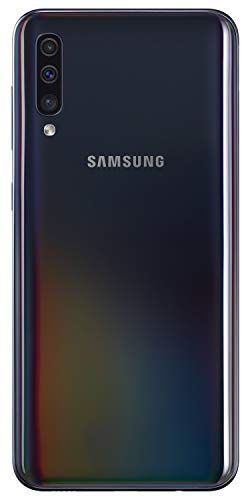
Samsung Galaxy A50 (4GB + 128GB) review. Compare 197 technical specifications and user reviews to see how this product ranks in the Smartphones category and whether it is worth buying.
Overall score
What it is: An overall evaluation of the smartphone's quality, based on technical analyses and user reviews.
When it matters: When you need a quick reference to identify the best smartphones on the market.
Score components:
90.0%
Technical Score
10.0%
User score
Technical Score
What it is: An assessment of the smartphone's technical performance, covering eight key areas: performance & hardware, software, camera, connectivity, display, battery, audio, and design.
When it matters: When you want to compare smartphones based on technical performance and available features.
Score components:
25.0%
Performance & Hardware
18.0%
Camera
15.0%
Display
15.0%
Battery
10.0%
Software
10.0%
Connectivity
4.0%
Audio
3.0%
Design
User score
What it is: A rating that combines user reviews and the total number of reviews received by the smartphone
When it matters: When you want to know how a smartphone handles daily tasks and how reliable it remains over time according to user feedback.
Score components:
70.0%
User reviews
30.0%
Popularity




Available: ranking among products currently available (including other versions of this product).
All: ranking among all products in the database.
#89 in Best Samsung Phones
#262 in Best Mid-Range Smartphones
#530 in Best Smartphones Under £400
#600 in Best Smartphones Under £500
#738 in Best NFC Smartphones
#767 in Best Android Smartphones
#805 in Best AI Smartphones
#808 in Best Smartphones
#884 in Best Value Smartphones
#906 in Best Battery Life Smartphones
What it is: An assessment of the smartphone's technical performance, covering eight key areas: performance & hardware, software, camera, connectivity, display, battery, audio, and design.
When it matters: When you want to compare smartphones based on technical performance and available features.
Score components:
25.0%
Performance & Hardware
18.0%
Camera
15.0%
Display
15.0%
Battery
10.0%
Software
10.0%
Connectivity
4.0%
Audio
3.0%
Design
What it is: A rating that combines user reviews and the total number of reviews received by the smartphone
When it matters: When you want to know how a smartphone handles daily tasks and how reliable it remains over time according to user feedback.
Score components:
70.0%
User reviews
30.0%
Popularity
What it is: An indicator that combines the smartphone's overall rating with its cost.
When it matters: When you are looking for a smartphone with a good balance between quality and price.
Score components:
60.0%
Overall score
40.0%
Price
Importance: LOW
Importance: HIGH
Importance: HIGH
Good value: >12 GB
Importance: MEDIUM
Good value: >256 GB
Importance: MEDIUM
Good value: >3.2 GHz
Importance: LOW
Importance: MEDIUM
Good value: >1500
Importance: LOW
Good value: >4000
Importance: LOW
Good value: 8+
Importance: LOW
Importance: LOW
Good value: >950 MHz
Importance: LOW
Good value: >700
Importance: LOW
Good value: >1000
Importance: LOW
Good value: >2500
Importance: MEDIUM
Good value: >6000
Importance: LOW
Good value: >8000
Importance: MEDIUM
Good value: >12000
Importance: LOW
Good value: >5000
Importance: LOW
Good value: >1800
Importance: LOW
Good value: >3200 MHz
Importance: LOW
Good value: 5
Importance: LOW
Good value: > 50 GB/s
Importance: LOW
Good value: 4
Importance: LOW
Good value: >16 GB
Importance: MEDIUM
Good value: <6 nm
Importance: MEDIUM
Good value: >9 W
Importance: LOW
Importance: LOW
Good value: >8192 KB
Importance: LOW
Good value: >2048 KB
Importance: LOW
Good value: >512 KB
Importance: LOW
Good value: >100000 million
Importance: LOW
Good value: 3.3
Importance: LOW
Good value: 3.2
Importance: LOW
Good value: 2.0/3.0
Importance: LOW
Importance: LOW
Importance: LOW
Importance: MEDIUM
Importance: LOW
Importance: LOW
Importance: LOW
Importance: LOW
Importance: LOW
Importance: LOW
Importance: LOW
Importance: LOW
Importance: LOW
Importance: LOW
Importance: LOW
Importance: LOW
Importance: LOW
Importance: LOW
Importance: LOW
Importance: LOW
Importance: LOW
Importance: LOW
Importance: LOW
Importance: LOW
Importance: LOW
Importance: LOW
Importance: LOW
Importance: LOW
Importance: LOW
Importance: LOW
Importance: LOW
Importance: LOW
Importance: LOW
Importance: LOW
Importance: LOW
Importance: LOW
Importance: LOW
Importance: MEDIUM
Good value: >50 MP
Importance: MEDIUM
Importance: HIGH
Good value: >60
Importance: LOW
Good value: ≥1.2 µm
Importance: MEDIUM
Good value: >2.5x
Importance: MEDIUM
Importance: LOW
Importance: LOW
Importance: LOW
Importance: LOW
Good value: ≥2
Importance: LOW
Importance: LOW
Importance: LOW
Importance: LOW
Good value: >16 MP
Importance: LOW
Importance: LOW
Importance: LOW
Importance: LOW
Importance: MEDIUM
Importance: LOW
Importance: LOW
Importance: LOW
Importance: LOW
Importance: LOW
Importance: LOW
Importance: LOW
Importance: LOW
Importance: LOW
Importance: LOW
Importance: LOW
Importance: LOW
Importance: LOW
Importance: LOW
Importance: LOW
Importance: LOW
Importance: LOW
Importance: LOW
Importance: LOW
Importance: LOW
Importance: LOW
Good value: >130
Importance: LOW
Good value: >120
Importance: LOW
Good value: ≥2
Importance: LOW
Importance: LOW
Importance: LOW
Importance: LOW
Importance: LOW
Importance: LOW
Good value: >5.2
Importance: LOW
Importance: LOW
Importance: LOW
Importance: LOW
Good value: 3.1/3.2
Importance: LOW
Importance: LOW
Importance: LOW
Good value: ≥2
Importance: LOW
Importance: LOW
Importance: LOW
Importance: LOW
Importance: LOW
Importance: LOW
Importance: LOW
Importance: LOW
Importance: LOW
Importance: LOW
Importance: LOW
Importance: LOW
Importance: LOW
Importance: LOW
Importance: LOW
Importance: LOW
Good value: ≥6.6 inches
Importance: MEDIUM
Importance: LOW
Good value: >400 ppi
Importance: MEDIUM
Importance: MEDIUM
Good value: ≥120 Hz
Importance: LOW
Importance: LOW
Good value: >300 Hz
Importance: LOW
Good value: >800 nits
Importance: LOW
Good value: >1300 nits
Importance: LOW
Good value: >1000 nits
Importance: LOW
Importance: LOW
Importance: LOW
Importance: LOW
Importance: LOW
Importance: LOW
Importance: LOW
Importance: LOW
Importance: HIGH
Good value: >5000 mAh
Importance: MEDIUM
Good value: >60 W
Importance: LOW
Importance: LOW
Good value: <45 min
Importance: LOW
Importance: LOW
Good value: >40 W
Importance: LOW
Importance: LOW
Good value: >10 W
Importance: LOW
Importance: LOW
Importance: MEDIUM
Importance: LOW
Good value: >800
Importance: LOW
Importance: LOW
Importance: LOW
Importance: LOW
Importance: LOW
Good value: ≥3
Importance: LOW
Importance: LOW
Importance: LOW
Importance: LOW
Importance: LOW
Importance: LOW
Importance: LOW
Good value: <162 mm
Importance: LOW
Good value: <75 mm
Importance: LOW
Good value: <8 mm
Importance: LOW
Good value: <190 g
Importance: LOW
Good value: <98cm³
Importance: LOW
Importance: LOW
Importance: LOW
Importance: LOW
Importance: LOW
Importance: LOW
Good value: ≥1.5 m
Importance: LOW
Importance: LOW
Good value: >8
Importance: LOW
Importance: LOW
Importance: LOW
Importance: LOW
Importance: LOW
Good value: 4
Importance: LOW
Importance: MEDIUM
Good value: >9 W
Importance: LOW
Importance: LOW
Good value: <190 g
Importance: LOW
Importance: HIGH
Importance: MEDIUM
Good value: ≥120 Hz
Importance: LOW
Importance: MEDIUM
Importance: HIGH
Good value: >60
Importance: LOW
Good value: >950 MHz
Importance: MEDIUM
Good value: >256 GB
Importance: HIGH
Good value: >12 GB
(Reviews last updated: August 2026)
(Reviews last updated: August 2026)
The Samsung Galaxy A50 is highlighted as a $299.99 "budget flagship" featuring a vibrant 6.4-inch FHD+ Super AMOLED display and a "Glasstic" design, though it lacks an IP rating for water resistance. Performance is driven by an Exynos 9610 processor and optimized One UI, providing a solid,, yet sometimes slow, in-display fingerprint scanner experience. While the triple-camera setup and 4,000mAh battery offer strong, long-lasting performance with 15W charging, the device suffers from weak, tinny speakers.
The Samsung Galaxy A50 delivers a "flagship-lite" experience, featuring a vibrant 6.4-inch Super AMOLED display and a stylish "Glasstic" design that is comfortable to hold, though it is prone to fingerprints. Performance is handled by the capable Exynos 9610 chipset, while the 4,000mAh battery provides excellent, all-day longevity. The device suffers from a notably sluggish and unreliable optical in-display fingerprint scanner, which serves as a major drawback compared to traditional sensors. Additionally, while the triple camera setup performs well in bright conditions, it struggles with low-light photography and produces overly processed images with a lack of fine detail. Despite the lack of an IP rating and subpar biometrics, the Galaxy A50 offers high value by bringing premium-style features to the mid-range segment. It represents a strong effort by Samsung to compete in the, then, increasingly competitive, mid-range market.
According to a Hardware Canucks review, the Samsung Galaxy A50 offers a premium feel at a lower price point, featuring a 6.4-inch Super AMOLED display and excellent battery life as key advantages. However, the phone's in-display fingerprint scanner is noted as slow and unreliable, the single mono speaker is described as mediocre, and multitasking performance can lag with only 4GB of RAM. While the triple-camera setup includes a useful wide-angle lens, image quality is inconsistent, lacking detail and performing poorly in low light conditions.
Consumer Reports rated the Samsung Galaxy A50 as a "Very Good" budget device, highlighting its excellent 34-hour battery life and sharp 6.4-inch Super AMOLED display as key advantages. The phone offers robust daily performance with its Exynos 9610 processor and includes practical features like a headphone jack and expandable storage. However, the device showed poor durability, with the display failing after 50 drops in the tumble test. Additional drawbacks included a slow, unreliable in-screen fingerprint sensor and camera performance lacking optical image stabilization.
The Samsung Galaxy A50 serves as a strong $350 contender in the budget market, highlighted by its impressive 6.4-inch Super AMOLED display and a sleek, lightweight "3D Glasstic" design. The device boasts a reliable 4,000 mAh battery, a versatile triple-camera system, and practical features like a headphone jack and microSD expansion. However, compromises include a finicky in-display fingerprint sensor, lack of water resistance, and occasional sluggish performance during heavy multitasking, according to the Gizmodo review.
The TechRadar review describes the Samsung Galaxy A50 as a stylish, budget-friendly device highlighted by an impressive AMOLED display, robust 4,000mAh battery life, and a premium design, making it a strong contender in the mid-range market. Performance is generally solid for daily tasks, yet the device faces limitations with a slow in-display fingerprint sensor and occasional lagging during heavy multitasking or gaming. While the camera excels in daylight, it struggles significantly in low-light conditions, and the, phone lacks IP-rated water resistance.
Consumer Reports rated the Samsung Galaxy A50 as a very good, low-cost mid-range smartphone with a strong blend of features and value, despite some notable drawbacks. Key pros include an excellent Super AMOLED display, exceptional 34-hour battery life in lab tests, good processor performance, a headphone jack, and expandable memory. However, major cons are poor durability (failing a tumble test), adequate but not top-tier camera performance lacking optical stabilization, a slow in-screen fingerprint sensor, and a weak single speaker.
The Samsung Galaxy A50 is presented as a midrange phone with a premium look, featuring a 6.4-inch Super AMOLED display as a highlight. While its Exynos 9610 processor and 4GB RAM offer average performance, its 4,000mAh battery provides excellent, all-day power. Key drawbacks include poor low-light camera performance, an unreliable in-display fingerprint sensor, and a mediocre single speaker.
Digital Trends reviewed the Samsung Galaxy A50 as a "value flagship," praising its 6.4-inch Super AMOLED screen, sleek design, all-day battery life, and versatile triple camera system. However, the review noted significant cons, including a slow in-display fingerprint sensor, a cheap-feeling "glastic" back without an IP rating, acceptable but occasionally laggy performance, and concerns about Samsung's historically slow software updates. The A50 is considered a strong budget option for Samsung fans but faces competition from alternatives like the Google Pixel 3a, which may offer better cameras and software support.
Tom's Guide reviewed the Samsung Galaxy A50, a mid-range smartphone praised for its vibrant 6.4-inch Super AMOLED display and sleek design at an affordable price. Pros included a reliable processor for daily tasks and features like an in-display fingerprint sensor, headphone jack, and expandable storage. Cons noted were a finicky fingerprint sensor, underwhelming battery life, lack of IP water resistance, and camera performance lagging in low light compared to competitors like the Pixel 3a.
CNET's review identifies the Samsung Galaxy A50 as a top budget phone on Verizon, praising its balance of features and price. The phone's strengths include its vibrant 6.4-inch AMOLED display, long-lasting 4,000 mAh battery, versatile triple-camera system with a wide-angle lens, in-screen fingerprint reader, headphone jack, expandable storage, and sleek design. However, weaknesses include occasional performance issues, a sometimes buggy in-screen fingerprint sensor, lack of water resistance, a subpar single speaker, no 4K video recording, and camera performance that is less detailed than flagships in low light.
The Heise Online review highlights the Samsung Galaxy A50 as a feature-rich mid-range smartphone, distinguished by its impressive 6.4-inch Super AMOLED display and long-lasting 4,000 mAh battery. While the triple-camera setup offers versatile shooting options, including a useful ultra-wide lens for daylight photography, it lacks optical image stabilization and is limited to 1080p video recording. Significant drawbacks identified in the review include an unreliable in-display fingerprint sensor, a prone-to-scratches "Glasstic" body, and mediocre audio performance.
The Giga.de review highlights the Samsung Galaxy A50 as a high-value mid-range alternative, emphasizing its premium 6.4-inch Super AMOLED display and sleek "Glasstic" design. Performance is driven by the Exynos 9610 chipset, suitable for daily multitasking, and a 4,000 mAh battery that easily lasts a full day. While the triple-camera setup produces detailed images in good lighting, the device lacks the consistency of flagship models. A significant drawback noted is the slow and unreliable in-display optical fingerprint sensor. Additional compromises include the absence of an IP rating for water resistance and missing wireless charging, along with lackluster, single-speaker audio. Despite these, the phone is recommended for its high-value, feature-rich, and ergonomic design.
The Smartzone review identifies the Samsung Galaxy A50 as a stylish mid-range device featuring a 6.4-inch Super AMOLED display with excellent brightness, though the "3D Glasstic" back is a major fingerprint magnet. While boasting a premium look, the phone lacks an IP rating for water or dust resistance. Performance is adequate for daily tasks, but the Exynos 9610 and 4GB of RAM can struggle under heavy multitasking, and the optical in-display fingerprint sensor is criticized as slow. Conversely, the 4,000 mAh battery is a strong point, providing up to two days of light use. The camera system offers good daylight performance, yet it suffers from significant noise in low-light conditions and lacks 4K video recording.
The AreaDVD review highlights the Samsung Galaxy A50 as a versatile mid-range smartphone featuring a vibrant 6.4-inch Super AMOLED display and a stylish "glasstic" back design. Powered by the Exynos 9610 chipset, the device delivers fluid daily performance and solid gaming capabilities. Key strengths include a long-lasting 4,000 mAh battery with fast charging and a capable triple-camera system that excels in daylight, according to the test. Conversely, the review notes several drawbacks, specifically criticizing the in-display fingerprint sensor for being slow and unreliable. While versatile, the camera struggles with noise in low-light conditions. Additionally, the device lacks an IP rating for water and dust resistance, and the single bottom-firing speaker is described as underwhelming. Overall, the Galaxy A50 is positioned as a feature-rich,,,1,2,11 competitive option for users prioritizing display quality and battery life in the mid-range segment. The combination of a strong processor and flexible camera setup outweighs its minor, mentioned deficiencies in this detailed evaluation.
The Samsung Galaxy A50 offers a convincing mid-range experience, highlighted by a bright 6.4-inch Super AMOLED display and an elegant, ergonomic design with a "Glasstic" finish. Powered by the Exynos 9610, it delivers solid performance, although minor, occasional system slowdowns were noted. Its 4,000 mAh battery provides excellent longevity, comfortably lasting a full day or more. Key drawbacks include an inconsistent, slow in-display fingerprint sensor and unreliable facial recognition, which often frustrate daily usage. The triple-camera system performs well in daylight but struggles significantly in low-light conditions. Furthermore, the device lacks 4K video recording, waterproofing, and stereo speakers, although it retains a 3.5mm headphone jack. Overall, the device is praised for its display, battery life, and lightweight design, while facing criticism for its biometric sensors and camera limitations.
The Samsung Galaxy A50 features an exceptional 6.4-inch Super AMOLED display and strong 4,000 mAh battery endurance, making it a standout in its class. Its lightweight "3D Glasstic" design offers a comfortable, modern aesthetic, paired with solid everyday performance from the Exynos 9610 chipset. However, the device struggles with aggressive, inconsistent photo processing and slow, unreliable in-display fingerprint authentication. Additionally, audio output via the 3.5mm jack falls short of expectations.
The CNET France review highlights the Samsung Galaxy A50 as a balanced mid-range device featuring a vibrant 6.4-inch Super AMOLED display and a lightweight "3D Glasstic" design. Key pros include the high-quality screen, decent Exynos 9610 performance, and solid battery life, though the in-display fingerprint sensor is noted as inconsistent. Drawbacks include weak low-light camera performance, lack of OIS, no 4K video, and a mono speaker.
The Phonandroid review identifies the Samsung Galaxy A50 as a balanced mid-range device featuring a slim, lightweight design and an excellent 6.4-inch Super AMOLED display. Key pros include the vibrant screen and solid performance, while cons include the absence of wireless charging, lack of water resistance, and a slow in-display fingerprint sensor. The 4,000mAh battery offers strong, multi-day endurance, though the camera struggles in low light and the single speaker provides poor audio quality.
The L'Eclaireur Fnac Labo review highlights the as a consistent mid-range -inch Super AMOLED display with excellent contrast. While the "Glasstic" design is lightweight, water resistance. Key, mAh hours, W fast charger that enables a full minutes. L'Éclaireur FnacEquipped GB of RAM, the device provides smooth daily navigation. However, performance dips during heavy gaming, and the in-display fingerprint sensor is noted as slower than traditional alternatives. The triple-camera system ( MP main, 8MP ultra-wide) is a weakness, often producing soft images lacking detail, MP selfie camera lacks consistency. L'Éclaireur Fnac +1Overall, is considered a solid, well-rounded, and attractive mid-range option, despite its mediocre photo capabilities. L'Éclaireur Fnac +1
The 2019 review from Le Progres describes the Samsung Galaxy A50 as a "convincing" mid-range contender that bridges the gap between budget and flagship experiences, featuring a sleek design and a vibrant 6.4-inch Super AMOLED Infinity-U display. Powered by the Exynos 9610 processor, the device offers smooth daily performance and includes a versatile triple-camera system, alongside a long-lasting 4,000mAh battery supporting 15W fast charging. However, the analysis notes limitations, including a sluggish, unreliable in-display fingerprint sensor and mediocre low-light camera performance with noticeable noise. Additionally, the phone features an all-plastic build that is prone to scratches and lacks premium features like IP-rated water resistance and stereo speakers.
The Samsung Galaxy A50 is a mid-range device offering an elegant, lightweight design with a "glasstic" finish, featuring a 6.4-inch Super AMOLED screen with great colors, though it suffers from asymmetrical, thick bottom bezels. While providing solid daily performance, the device is held back by a slow, inconsistent in-display fingerprint sensor and a single mono speaker. Despite a versatile triple-camera setup and good 4,000 mAh battery life, the camera struggles in low light and the ultra-wide lens lacks detail, according to the review at Frandroid.
The Samsung Galaxy A50 is highlighted as a compelling mid-range option, offering premium features like a vibrant 6.4-inch Super AMOLED display and a large 4,000mAh battery that provides reliable all-day performance. Its triple-camera system delivers excellent, high-contrast images in daylight, making it a strong choice for social media users, while the overall build is lightweight and ergonomic. However, the device suffers from a slow, inconsistent in-display fingerprint sensor and limited low-light camera capabilities. Performance is generally smooth for daily tasks, although the phone can struggle with heavy multitasking due to occasional stuttering, and it lacks 4K video recording, limiting its use for advanced videography. The "glasstic" construction is prone to scratches, and it lacks premium features found in higher-end models, such as water resistance and stereo speakers.
The Computer Hoy analysis highlights the Samsung Galaxy A50 as a strong 2019 mid-range contender, featuring an attractive "Glasstic" design and a vibrant 6.4-inch Super AMOLED display. Key pros include capable performance from the Exynos 9610 chipset and reliable battery life from the 4,000 mAh capacity. However, the review points out several cons, including an often slow or unreliable in-display fingerprint sensor and occasional lag during heavy multitasking. The triple-camera system performs well in daylight but struggles in low-light conditions, producing grainy images. Other limitations mentioned are the lack of official water resistance and a single, weak loudspeaker. Despite these drawbacks, the device is positioned as a solid, feature-rich option in its price bracket.
El Español's El Androide Libre reviewed the 2019 Samsung Galaxy A50, praising its 6.4-inch Super AMOLED display and premium-looking "Glasstic" design, which feels lightweight but is a fingerprint magnet. Performance is handled by the Exynos 9610 chipset with 128GB of storage, offering solid daily performance alongside a versatile triple-camera system that excels in daylight, plus a long-lasting 4,000 mAh battery. Key cons include a slow and unreliable in-display fingerprint sensor, lackluster low-light camera performance, and a disappointing single speaker, notes the review.
According to Tweakers.net, the Samsung Galaxy A50 is a compelling mid-range device featuring a high-quality 6.4-inch Super AMOLED display, solid 4,000 mAh battery life, and a comfortable, lightweight design. While the Exynos 9610 chipset handles daily tasks well, the phone is hindered by a slow in-display fingerprint scanner and a plastic build that feels less premium. Additionally, the camera lacks optical image stabilization (OIS), and the speaker quality is mediocre, though the overall package offers significant value for its price point.
The Tweakers review positions the Samsung Galaxy A50 as a high-value alternative to the S10, featuring a premium 6.4-inch Super AMOLED display, a reliable 4,000mAh battery, a headphone jack, and expandable storage. While the design is aesthetically pleasing, the "Glasstic" plastic build is susceptible to scratches, and the Exynos 9610 chipset can struggle with demanding tasks, notes the review. Additionally, the optical in-display fingerprint scanner is less responsive than competitors, though the camera performs well in daylight, despite weak low-light results and no 4K video recording.
The WANT review concludes that the Samsung Galaxy A50 is a "safe," reliable, and high-quality budget choice from a trusted brand. Key highlights include a stunning Super AMOLED display, a modern, nearly borderless design with an Infinity-U notch, and a versatile triple camera system. The device offers solid battery life for daily use. Despite its strengths, the review notes compromises, particularly the slower, less reliable in-display fingerprint scanner and the absence of water/dust resistance. Furthermore, the lack of an LED notification light, subpar low-light camera performance, and capped 1080p video recording are cited as drawbacks for more demanding users. Overall, the Galaxy A50 is presented as a strong, stylish, and balanced mid-range option for the average user.
The Android Planet review highlights the Samsung Galaxy A50 as a strong mid-range device featuring a vibrant 6.4-inch Super AMOLED display and a premium-looking "3D Glasstic" design. Powered by the Exynos 9610, it handles daily tasks efficiently and boasts a long-lasting 4,000mAh battery, though it suffers from a slow and inconsistent in-display fingerprint scanner. While the triple camera setup offers versatility, the review notes weaknesses in low-light, a lack of 4K video, and underwhelming mono speaker quality.
The Samsung Galaxy A50 is characterized as a strong, budget-friendly mid-range device featuring a premium 6.4-inch Super AMOLED display and a stylish "3D Glasstic" design. Performance is driven by an Exynos 9610 chipset with 4GB of RAM, capable of handling daily tasks and gaming, supported by a long-lasting 4,000 mAh battery. While the triple camera setup performs well in daylight, the device suffers from a sluggish in-display fingerprint scanner, mediocre audio quality from the single speaker, and a lack of 4K video recording.
The GalaxyClub.nl review characterizes the Samsung Galaxy A50 as a strong, premium-feeling mid-range device featuring a high-quality 6.4-inch Super AMOLED Infinity-U display and a modern "3D Glasstic" design. Key pros include excellent battery life from the 4,000 mAh cell, the user-friendly One UI software, and a versatile triple-camera system that delivers solid daylight performance. Notable cons highlighted are the slow in-display fingerprint sensor, lack of an IP rating for water resistance, and underwhelming low-light camera capabilities.
The AndroidWorld review highlights the Samsung Galaxy A50 as a compelling mid-range device, featuring a vibrant 6.4-inch Super AMOLED Infinity-U display and a stylish "3D Glasstic" design. Performance is driven by the Exynos 9610 chipset and a 4000 mAh battery, providing a fluid experience and reliable full-day usage. While the triple-camera setup performs well in bright conditions, the review identifies the slow in-display fingerprint scanner and lack of IP-rated water resistance as notable cons. Overall, the device is praised for bringing premium features to an affordable price point.

Compare