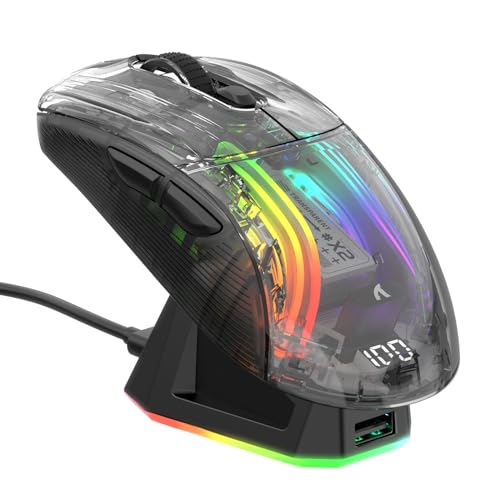
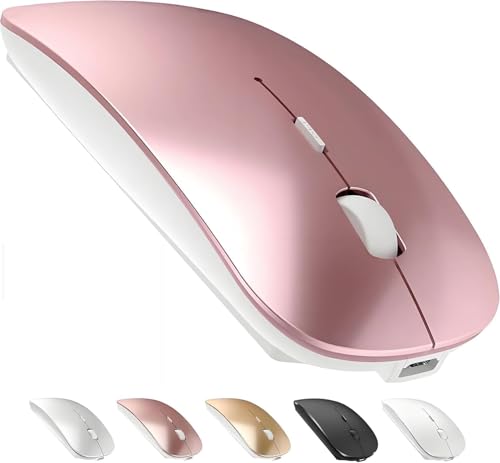
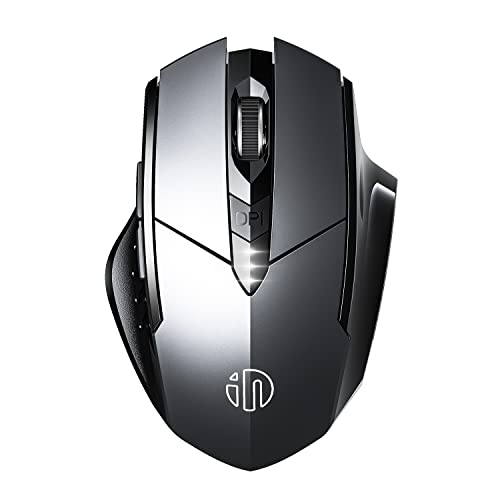
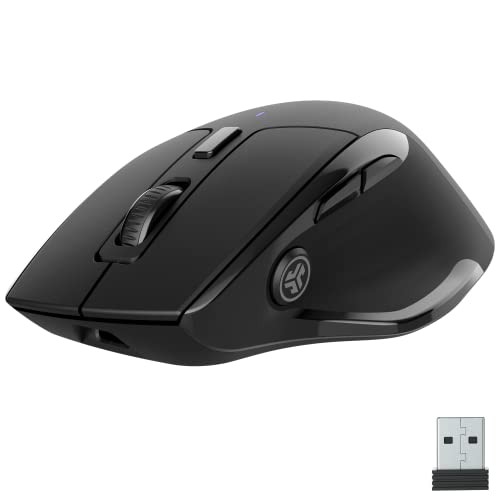
Which brands make the best silent mice?
The best silent mouse brands are as follows.
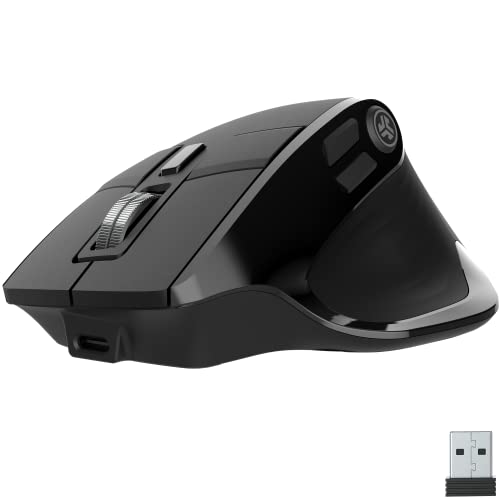
- JLab (Average overall score: 6.3)
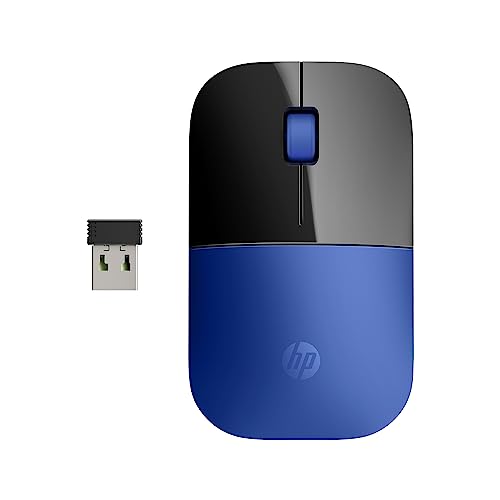
- HP (Average overall score: 5.8)
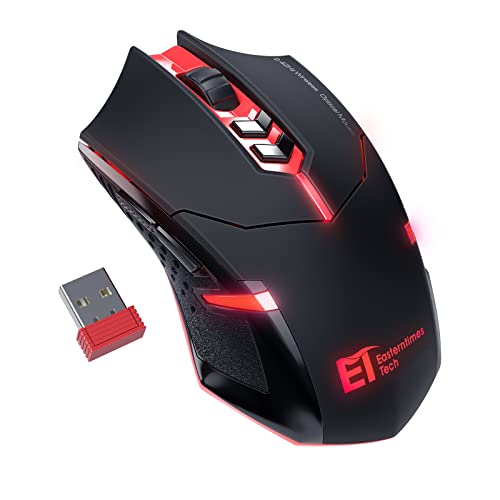
- Redragon (Average overall score: 5.8)
The chart below ranks silent mouse brands by average overall score.
[horizontal-chart-17226369215390080692001660032508330382443672418262]
What makes a mouse silent?
A mouse is silent mainly because its primary click switches are designed to reduce the sharp mechanical clicking sound you get from a standard mouse. The goal is not to remove every possible noise, but to make normal left and right clicking much less distracting in shared or quiet spaces.
Silent design usually changes the sound character more than the entire behavior of the mouse. Scroll wheels, side buttons, and surface contact can still make some noise, but the main click action becomes softer and less intrusive during repeated daily use.
A good silent mouse should still feel responsive and comfortable rather than merely quiet. Buyers generally want reduced noise without ending up with mushy clicks, weak build quality, or an awkward shape that makes long sessions less pleasant.
How quiet are silent mice in real use?
Silent mice are usually noticeably quieter in real use, but they are not completely noiseless. The main improvement is that left and right clicks lose the sharper snap of a conventional switch, which makes the mouse feel less intrusive over long sessions.
Real-world quietness depends on more than the switch label alone. Scroll wheels, side buttons, shell creaks, desk contact, and even how hard the user clicks can still add sound, so one silent mouse may feel much calmer than another even when both advertise quiet primary buttons.
Silent mice work best when the whole product is tuned around everyday comfort rather than just one marketing feature. A well-executed model keeps clicking subdued while still feeling precise, predictable, and normal enough that the lower noise does not come with a usability penalty.
How much do the best silent mice cost?
The best silent mice usually cost about 20-60+ €, although the wider silent-mouse market starts near £9 and stretches higher when brands add richer wireless features or more polished shapes. In practical terms, this is still mostly a budget-to-midrange category rather than a premium luxury segment.
Silent-mouse prices are driven mainly by connection flexibility, battery setup, shape quality, and whether the mouse adds productivity or light gaming ambitions on top of quiet clicks. Most buyers can get the core silent-switch benefit without spending much, while the upper end is usually about better convenience and refinement rather than a dramatic jump in raw performance.
This chart visualizes silent mouse prices.
[vertical-chart-08578747345794357781170971297498657271833518601090]
What should you consider while choosing a silent mouse?
The main technical criteria for a silent mouse are as follows.
- Primary-switch noise profile: The key requirement is low-noise left and right click behavior, because some models still keep a noticeable wheel or side-button sound signature. Some models only mute the left and right switches, while others also reduce wheel click and side-button noise, so the quietness target should match the environment you actually work in.
- Connection stack: Silent mice are mostly 2.4 GHz, Bluetooth / 2.4 GHz, or tri-mode designs, so desk setup and device-switching matter more than the silent label alone. In practice, 2.4 GHz-only designs suit fixed desktop use best, Bluetooth matters more for laptop and multi-device workflows, and mixed stacks are strongest when both jobs matter.
- Shell shape and handedness: Most silent mice are ambidextrous or right-handed everyday designs, making long-session comfort a more important filter than cosmetic extras. For shared-office or late-night use, a stable low-noise grip is often more important than chasing extra buttons or gaming-oriented shell traits that add little practical value.
- Sensor and DPI tier: The category ranges from simple 1000 DPI office tools to much faster 30000 DPI-class models, so the silent label alone says very little about technical ceiling. The useful distinction is whether the sensor remains in the basic office tier or moves into a cleaner higher-speed mainstream or gaming tier with better tracking headroom.
- Polling rate: Silent mice can stay at basic office response levels or move into higher-polling territory, but the category still leans more toward practical use than esports-first tuning. Around 125-250 Hz belongs to office-oriented response, 1,000 Hz is the practical modern gaming baseline, and higher tiers mainly matter when the rest of the setup can expose the latency difference.
- Button and wheel acoustics: Scroll-wheel texture, side-button sound, and switch consistency matter when the whole reason for buying the mouse is lower audible output. A louder wheel click, rattly wheel steps, or sharp side-button snap can undermine the main reason for buying the mouse even when the primary clicks are subdued.