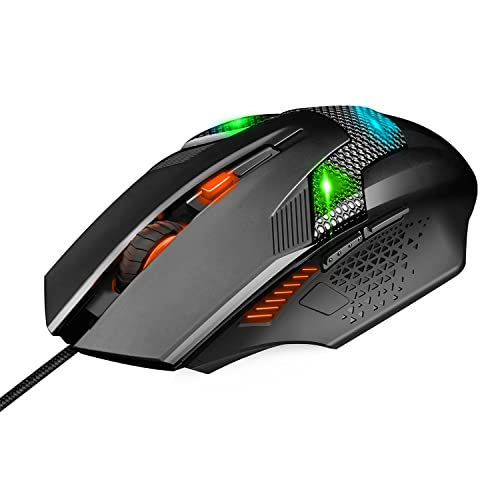

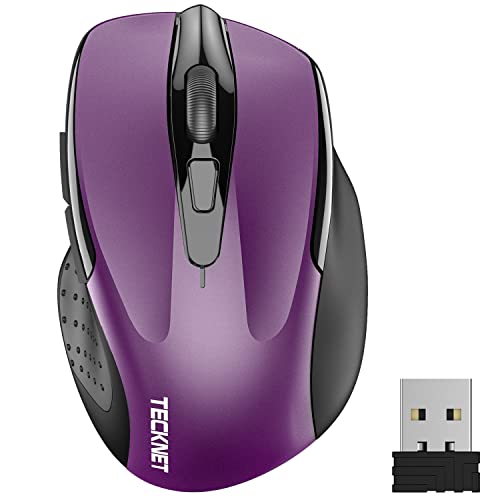


Are TeckNet mice good?
TeckNet mice are generally acceptable if you want a very budget-oriented wireless mouse and do not expect premium gaming performance, broad shape choice, or deep software features. The lineup is tiny, affordable, and functional, but it does not aim for the upper end of the mouse market.
TeckNet mice are strongest when your priorities are simple wireless use, low entry cost, and a basic feature step up from the cheapest generic office mice. The brand keeps things straightforward with right-handed shapes, moderate button counts, and easy-to-understand positioning.
The tradeoff is that TeckNet is far less ambitious than major mouse brands. With only a couple of models and modest technical targets, the best TeckNet mice win mainly on affordability and simplicity rather than on advanced sensors, broad lineup depth, or premium refinement.
What are the main advantages of TeckNet mice?
The main advantages of TeckNet mice are as follows.
- Low upfront cost: TeckNet sits at a very accessible price level, at about £20. That makes the brand easy to consider if budget is the first filter.
- Simple wireless positioning: Both listed TeckNet mice are wireless-capable, so the brand does offer cable-free use as a default rather than as a premium upgrade.
- Straightforward lineup: TeckNet has only a couple of mouse models, which makes the brand easy to understand. Buyers do not need to sort through dozens of overlapping versions.
- Practical right-handed shapes: The listed models are both right-handed, which suits many buyers who want a familiar ergonomic direction rather than experimental symmetry.
- Better than bare-minimum generic mice: With 6-8 buttons and adjustable DPI, TeckNet can offer a more usable feature set than the most basic no-name wireless mice.
The biggest advantage of TeckNet mice is that they keep expectations simple. The brand is most appealing when you want a cheap, functional wireless mouse with a bit more control than the lowest-end generic alternatives.
What are the main disadvantages of TeckNet mice?
The main disadvantages of TeckNet mice are as follows.
- Extremely small lineup: TeckNet has only a couple of mouse models in this guide scope. That leaves very little room for shape choice, feature tiers, or specialist options.
- Modest technical targets: The lineup tops out at 3,200 DPI and 500 Hz polling, which is far below what stronger gaming and enthusiast brands usually offer.
- No premium wireless extras: TeckNet's wireless approach is basic rather than advanced. The lineup does not show Bluetooth support, multi-device flexibility, or higher-end connectivity options.
- Limited design variety: Both listed mice are right-handed and fairly conventional, so TeckNet offers little for ambidextrous users or buyers who want a broader ergonomic spread.
- Lower ceiling for long-term buyers: TeckNet can work as an entry-level solution, but the brand does not provide a clear upgrade path inside its own mouse lineup if your needs grow.
The main weakness of TeckNet mice is that they solve a narrow budget problem and not much more. If your needs go beyond simple low-cost wireless use, the brand runs out of depth quickly.