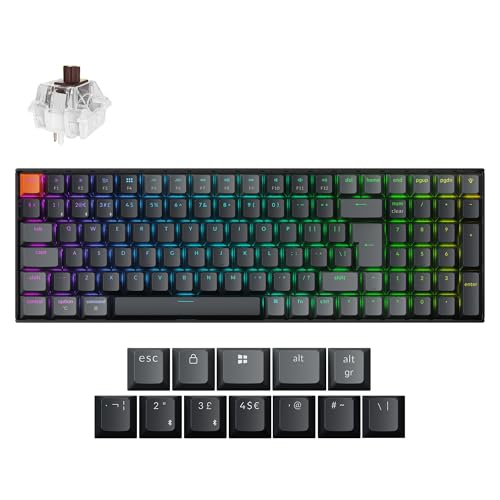
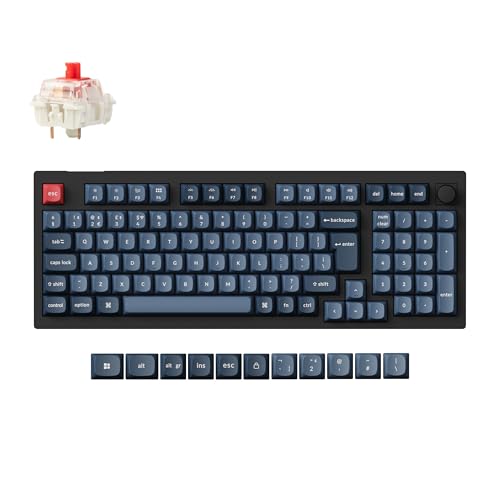
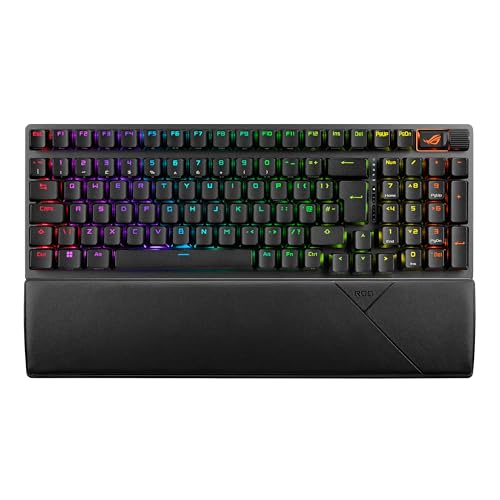
Epomaker Galaxy100 Lite Review | 64 Data compared

double-arrow
  • Avg. price in UK: ~£95
  • Avg. price in US: ~$110
  • Layout size: 1800-compact
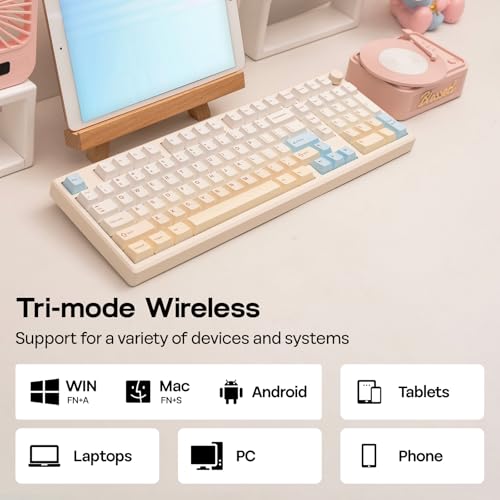
  • Connection type: USB / 2.4GHz / Bluetooth
  • Switch type: mechanical
  • Polling rate: 1,000 Hz

Epomaker Galaxy100 Lite review. Compare 64 technical specifications and user reviews to see how it ranks among keyboards and if it is worth buying.

7.5

Overall score

What it is: An overall evaluation of the keyboard's quality, based on technical analyses and user reviews.

When it matters: When you need a quick reference to identify the best keyboards on the market.

Score components:

80.0%

7.3

Technical Score

20.0%

8.3

User score

Very good
7.3

Technical Score

What it is: An assessment of the keyboard's technical performance, covering key areas such as switch feel, typing and gaming performance, layout and features, connectivity, build quality, backlighting, software, and comfort.

When it matters: When you want to compare keyboards based on technical performance and available features.

Score components:

34.0%

9.8

Connectivity & Power

28.0%

3.9

Switches

20.0%

7.4

Materials

12.0%

7.9

Features

6.0%

6.9

Design

Very good
8.3

User score

What it is: A rating that combines user reviews and the total number of reviews received by the keyboard.

When it matters: When you want to understand how a keyboard performs in daily use or gaming and how reliable it is in terms of typing feel, noise level, comfort, and long-term durability.

Score components:

70.0%

8.1

User reviews

30.0%

8.8

Popularity

User score:
United Kingdom
amazon
4.0
(94)
amazon
4.1
(80)
United States
Amazon_logo.png
4.0
(94)
Amazon_logo.png
4.1
(80)

(Reviews last updated: June 2026)

Excellent
  • 3.5
    Gaming

    Score components:

    28.0%

    1.0

    Polling rate

    24.0%

    1.0

    Rapid trigger

    20.0%

    1.0

    Adjustable actuation

    16.0%

    10

    Hot-swappable switches

    12.0%

    10

    Onboard memory

  • 4.8
    Typing

    Score components:

    28.0%

    4.0

    Wrist rest included

    24.0%

    9.0

    Legend method

    20.0%

    4.0

    Adjustable feet

    15.0%

    1.0

    Typing angle

    13.0%

    4.0

    Pre-lubed stabilizers

  • 10
    Programming

    Score components:

    30.0%

    10

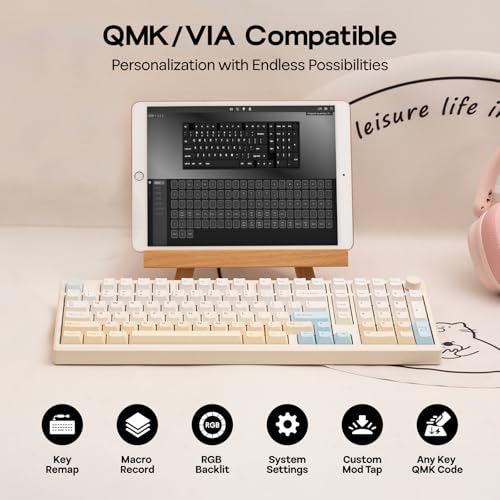
    QMK support

    26.0%

    10

    VIA support

    18.0%

    10

    Mac compatibility

    14.0%

    10

    Multi-device pairing

    12.0%

    10

    Connection type

  • epomaker-galaxy100-lite
  • epomaker-galaxy100-lite
  • epomaker-galaxy100-lite
  • epomaker-galaxy100-lite
  • epomaker-galaxy100-lite
  • epomaker-galaxy100-lite
  • epomaker-galaxy100-lite
  • epomaker-galaxy100-lite
  • epomaker-galaxy100-lite
epomaker-galaxy100-lite

Best prices in UK

Best rankings

?

Available: ranking among products currently available (including other versions of this product).
All: ranking among all products in the database.

Verdict

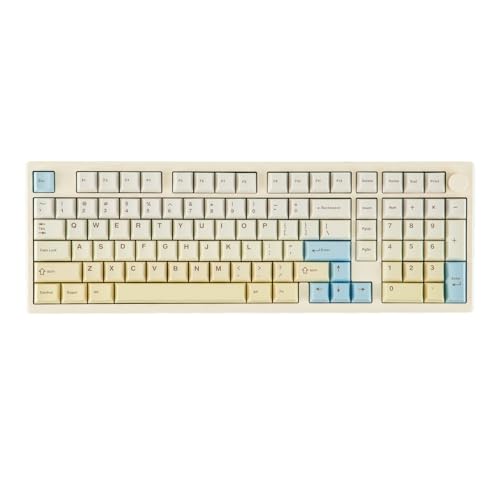
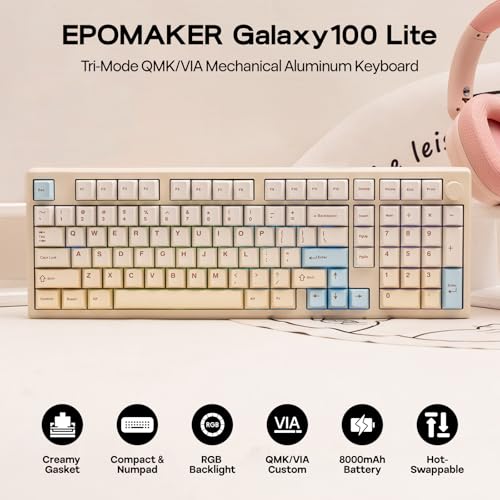
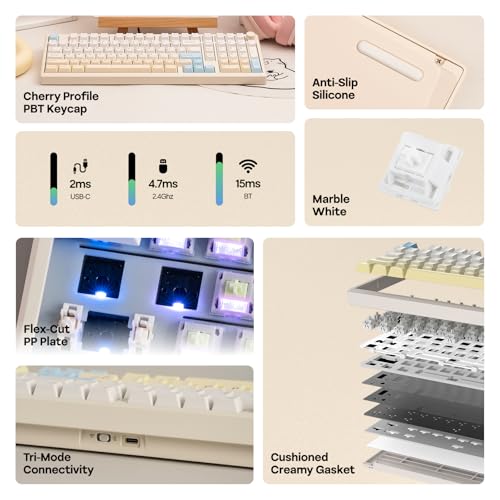
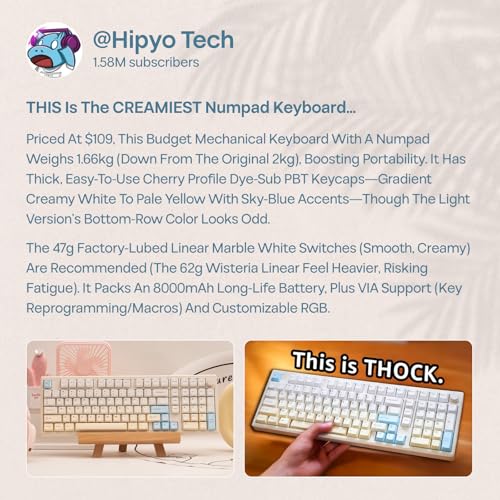
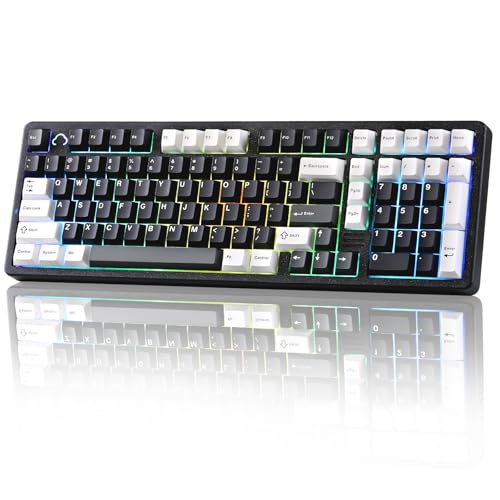
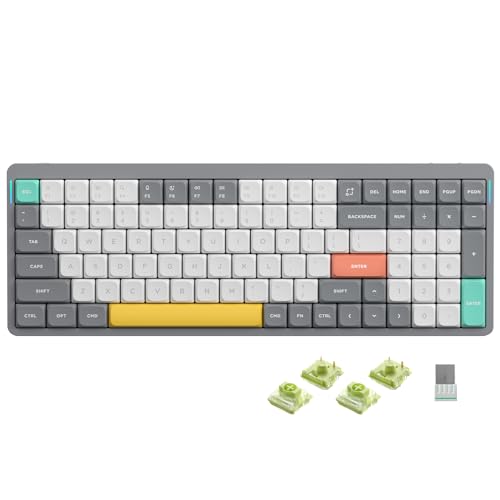
The Epomaker Galaxy100 Lite is a compact 96% (1800) layout mechanical keyboard featuring a premium CNC aluminum alloy case, a gasket-mount structure with five layers of sound-dampening foam, and a multi-functional rotary knob. It boasts versatile tri-mode connectivity (Bluetooth 5.0, 2.4GHz, and USB-C), a massive 8,000mAh battery for extended wireless use, and hot-swappable, factory-lubed linear switches (Feker Marble White or Wisteria V2) paired with dye-sub PBT keycaps. Main pros include its exceptionally solid 'thocky' typing sound, high-end build quality at an accessible price point, and full QMK/VIA customization support for remapping and macros. However, notable cons include its significant weight of 1.66kg which limits portability, a fixed 7-degree typing angle with no adjustable feet, and some users reporting a slow wake-up time from sleep mode when used wirelessly.

Technical Specifications of Epomaker Galaxy100 Lite

Technical Score

What it is: An assessment of the keyboard's technical performance, covering key areas such as switch feel, typing and gaming performance, layout and features, connectivity, build quality, backlighting, software, and comfort.

When it matters: When you want to compare keyboards based on technical performance and available features.

Score components:

34.0%

9.8

Connectivity & Power

28.0%

3.9

Switches

20.0%

7.4

Materials

12.0%

7.9

Features

6.0%

6.9

Design

7.3
Epomaker Galaxy100 Lite has a technical score of 7.3 points, which is higher than that of 75.1% of products in this category.
User score

What it is: A rating that combines user reviews and the total number of reviews received by the keyboard.

When it matters: When you want to understand how a keyboard performs in daily use or gaming and how reliable it is in terms of typing feel, noise level, comfort, and long-term durability.

Score components:

70.0%

8.1

User reviews

30.0%

8.8

Popularity

User score:
United Kingdom
amazon
4.0
(94)
amazon
4.1
(80)
United States
Amazon_logo.png
4.0
(94)
Amazon_logo.png
4.1
(80)

(Reviews last updated: June 2026)

8.3
Epomaker Galaxy100 Lite has a user score of 8.31 points, which is higher than that of 59.7% of products in this category.
Popularity
What it is: An indicator based on the number of reviews received by the keyboard.
When it matters: When you prefer a keyboard that has already been chosen and reviewed by many other users.
8.8
Epomaker Galaxy100 Lite has a popularity of 8.8 points, which is higher than 62.2% of products in this category.
Ratio quality/price

What it is: An indicator that combines the keyboard's overall rating with its cost.

When it matters: When you are looking for a keyboard that offers a strong balance of performance, features, and price.

Score components:

60.0%

7.5

Overall score

40.0%

10

Price

8.3
Epomaker Galaxy100 Lite has a quality-to-price ratio of 8.3 points, which is higher than 83.2% of products in this category.
Switch type
What it is: Identifies the switch technology used by the keyboard, such as mechanical, optical, or Hall effect.
When it matters: When you are choosing between different response technologies and their long-term behavior.

Importance: HIGH

mechanical
Switch feel
What it is: Describes the keypress character, such as linear, tactile, or clicky.
When it matters: When the sensation of each keypress changes comfort, control, and noise level for your use.

Importance: HIGH

linear
Switch name
What it is: States the specific switch model used by the keyboard.
When it matters: When the exact switch model matters because small tuning differences affect your preference.

Importance: MEDIUM

?
Actuation force
What it is: Measures how much force is needed to actuate a key.
When it matters: When finger fatigue, accidental presses, or key resistance matters to your typing style.

Importance: HIGH

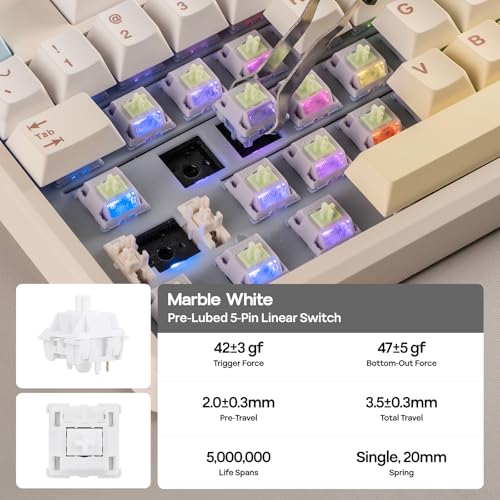
42 g
Min actuation distance
What it is: Measures the shortest key travel needed to register an input.
When it matters: When faster key response matters and you want the shortest possible trigger point under your fingers.

Importance: MEDIUM

2 mm
Epomaker Galaxy100 Lite has a minimum actuation distance of 2 mm, which is longer than 66.3% of keyboards and equal to 33.4% of keyboards.
Show more
Keyboard type
What it is: Identifies the keyboard technology, such as mechanical, membrane, optical, or Hall effect.
When it matters: When you need a keyboard built around a specific switch technology or feel profile.

Importance: HIGH

mechanical
Layout size
What it is: States the keyboard form factor and how much of the standard keyset it includes.
When it matters: When desk space, portability, or access to a full key set affects how you work or play.

Importance: HIGH

1800-compact
Layout standard
What it is: Specifies the regional layout standard, such as ANSI, ISO, or JIS.
When it matters: When you need a regional key layout that matches your language habits or keycap set.

Importance: MEDIUM

ANSI
N. of keys
What it is: States how many keys are present on the keyboard.
When it matters: When you need a certain number of keys for shortcuts, navigation, or a numpad.

Importance: MEDIUM

100
Epomaker Galaxy100 Lite has 100 keys, which is more than 70.5% of keyboards and equal to 2% of keyboards.
Profile
What it is: Describes whether the keyboard uses a low-profile or standard-height design.
When it matters: When key height changes your typing comfort, travel distance, or the overall desk setup.

Importance: MEDIUM

standard
Show more
Connection type
What it is: Specifies how the keyboard connects, such as USB, 2.4 GHz wireless, or Bluetooth.
When it matters: When latency, cable management, or wireless flexibility is part of your buying decision.

Importance: HIGH

USB / 2.4GHz / Bluetooth
Epomaker Galaxy100 Lite offers USB / 2.4GHz / Bluetooth connectivity, which is more versatile than 57.9% of keyboards and equal to 42.1% of keyboards.
Multi-device pairing
What it is: Shows whether the keyboard can stay paired with multiple devices for quicker switching.
When it matters: When you switch regularly between a laptop, tablet, and other devices on one desk.

Importance: HIGH

yes
Epomaker Galaxy100 Lite supports multi-device pairing. 4.5% of keyboards support multi-device pairing.
up to 5 devices.
Bluetooth version
What it is: States the Bluetooth generation supported for wireless pairing.
When it matters: When wireless stability, compatibility, and energy efficiency are part of what you compare.

Importance: MEDIUM

5.0
Epomaker Galaxy100 Lite uses Bluetooth 5, which is newer than 46.8% of keyboards and equal to 17.7% of keyboards.
Mac compatibility
What it is: Shows whether the keyboard is intended to work properly with macOS layouts, shortcuts, or legends.
When it matters: When you need the keyboard to work properly with macOS shortcuts and key mapping.

Importance: HIGH

yes
Epomaker Galaxy100 Lite is Mac compatible. 44.4% of keyboards are Mac compatible.
extra Mac keycaps included.
Battery life
What it is: Estimates how long the keyboard can run on a full charge.
When it matters: When the keyboard needs to last through workweeks, travel, or long gaming stretches without constant charging.

Importance: HIGH

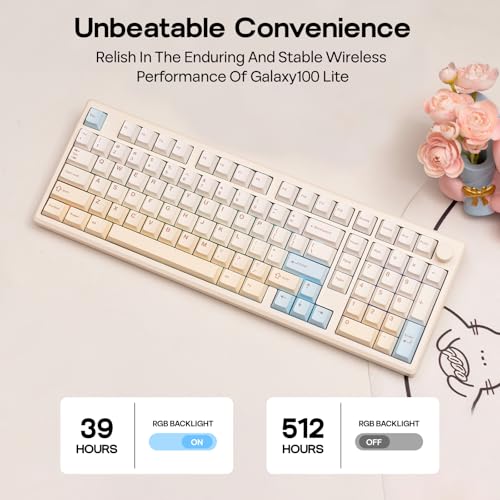
512 h
Epomaker Galaxy100 Lite lasts 512 h on a charge, which is longer than 90.2% of keyboards.
Show more
RGB lighting
What it is: Shows whether the keyboard includes customizable RGB lighting effects.
When it matters: When visual customization and desk aesthetics matter to your setup.

Importance: HIGH

yes
Epomaker Galaxy100 Lite has RGB lighting. 12.3% of keyboards have RGB lighting.
Per-key RGB
What it is: Shows whether each key can be lit and controlled independently instead of sharing one uniform lighting zone.
When it matters: When customizing each key individually matters for visuals, games, or shortcut visibility.

Importance: HIGH

yes
Epomaker Galaxy100 Lite has per-key RGB lighting. 23% of keyboards have per-key RGB lighting.
RGB zones
What it is: States how many RGB lighting zones can be controlled separately.
When it matters: When you want more lighting control than a simple all-at-once backlight can provide.

Importance: LOW

100
Epomaker Galaxy100 Lite has 100 RGB zones, which is more than 77.3% of keyboards and equal to 2.3% of keyboards.
Underglow / side lighting
What it is: Shows whether the case includes lighting around the underside or outer edges in addition to the keys themselves.
When it matters: When edge lighting is part of the visual style you want from the keyboard.

Importance: MEDIUM

no
Epomaker Galaxy100 Lite does not include underglow lighting. 31.7% of keyboards include underglow lighting.
Backlight direction
What it is: Specifies whether the switches use north-facing or south-facing backlighting.
When it matters: When you care about switch compatibility, keycap interference, or lighting placement.

Importance: LOW

south-facing
Show more
Case material
What it is: Describes the main material used for the keyboard case.
When it matters: When build feel, rigidity, and overall finish influence your sense of quality.

Importance: HIGH

aluminum
Plate material
What it is: Describes the material used for the mounting plate beneath the switches.
When it matters: When keyboard stiffness, sound profile, and bottom-out feel matter more than the switch spec sheet alone.

Importance: HIGH

polypropylene
Keycap material
What it is: Describes the material used to make the keycaps.
When it matters: When surface texture, wear resistance, and sound of the keycaps affect your choice.

Importance: HIGH

?
Keycap profile
What it is: Describes the shape and height profile of the keycaps.
When it matters: When key shape and sculpting affect comfort, wrist angle, and the sound of each press.

Importance: MEDIUM

Cherry
Legend method
What it is: Describes how the legends are applied to the keycaps, which affects durability and visibility.
When it matters: When you care about how long key legends stay readable after heavy use.

Importance: MEDIUM

dye-sub
Epomaker Galaxy100 Lite uses dye-sub legends, which are less durable than 74.4% of keyboards and equal to 11% of keyboards.
Show more

Epomaker Galaxy100 Lite vs the average keyboard

  • 346 h longer battery life
    Epomaker Galaxy100 Lite lasts longer on a charge than the average keyboard (512 h vs 166 h). The average keyboard lasts 166 h on a charge.
    What it is: Estimates how long the keyboard can run on a full charge.
    When it matters: When the keyboard needs to last through workweeks, travel, or long gaming stretches without constant charging.

    Importance: HIGH

    Epomaker Galaxy100 Lite lasts longer on a charge than the average keyboard (512 h vs 166 h). The average keyboard lasts 166 h on a charge.512 h vs 166 h
  • 0.4 mm shorter key travel
    Epomaker Galaxy100 Lite has 3.6 mm of total travel, while the average keyboard has 4 mm.
    What it is: Measures the full distance a key can move from top to bottom.
    When it matters: When full key movement changes comfort, speed, or the way the keyboard feels under your fingers.

    Importance: MEDIUM

    Epomaker Galaxy100 Lite has 3.6 mm of total travel, while the average keyboard has 4 mm.3.6 mm vs 4 mm
  • 2x larger battery capacity
    Epomaker Galaxy100 Lite has a larger battery than the average keyboard (8000 mAh vs 4000 mAh). The average keyboard has a battery capacity of 4000 mAh.
    What it is: Measures how much electric charge the battery can store, usually in mAh.
    When it matters: When you want rough battery context behind the runtime claim instead of trusting the advertised hours alone.

    Importance: HIGH

    Epomaker Galaxy100 Lite has a larger battery than the average keyboard (8000 mAh vs 4000 mAh). The average keyboard has a battery capacity of 4000 mAh.8000 mAh vs 4000 mAh
  • Volume control wheel
    Epomaker Galaxy100 Lite includes a volume wheel, the average keyboard does not. 38.8% of keyboards include a volume wheel.
    Metal volume wheel.
    What it is: Shows whether the keyboard includes a dedicated wheel or roller for hardware volume control.
    When it matters: When frequent hardware volume control matters enough that you do not want to rely on function-key shortcuts.

    Importance: MEDIUM

    Epomaker Galaxy100 Lite includes a volume wheel, the average keyboard does not. 38.8% of keyboards include a volume wheel.
  • Supports QMK
    Epomaker Galaxy100 Lite supports QMK, the average keyboard does not. 28.8% of keyboards support QMK.
    What it is: Shows whether the keyboard supports QMK firmware for deeper remapping and behavior customization.
    When it matters: When deep remapping, macros, and firmware-level customization matter to your workflow.

    Importance: HIGH

    Epomaker Galaxy100 Lite supports QMK, the average keyboard does not. 28.8% of keyboards support QMK.
  • 13 more keys
    Epomaker Galaxy100 Lite has more keys than the average keyboard (100 vs 87). The average keyboard has 87 keys.
    What it is: States how many keys are present on the keyboard.
    When it matters: When you need a certain number of keys for shortcuts, navigation, or a numpad.

    Importance: MEDIUM

    Epomaker Galaxy100 Lite has more keys than the average keyboard (100 vs 87). The average keyboard has 87 keys.100 vs 87
  • Supports VIA
    Epomaker Galaxy100 Lite supports VIA, the average keyboard does not. 27.1% of keyboards support VIA.
    VIA setup may require manual JSON import.
    What it is: Shows whether the keyboard supports VIA for live remapping and configuration without rebuilding firmware manually.
    When it matters: When quick live remapping without rebuilding firmware is important to you.

    Importance: HIGH

    Epomaker Galaxy100 Lite supports VIA, the average keyboard does not. 27.1% of keyboards support VIA.
  • 17 more RGB zones
    Epomaker Galaxy100 Lite has more RGB zones than the average keyboard (100 vs 83). The average keyboard has 83 RGB zones.
    What it is: States how many RGB lighting zones can be controlled separately.
    When it matters: When you want more lighting control than a simple all-at-once backlight can provide.

    Importance: LOW

    Epomaker Galaxy100 Lite has more RGB zones than the average keyboard (100 vs 83). The average keyboard has 83 RGB zones.100 vs 83
  • 13 more keys
    Epomaker Galaxy100 Lite has more keys than the average keyboard (100 vs 87). The average keyboard has 87 keys.
  • 6.2 mm lower keyboard height
    Epomaker Galaxy100 Lite is lower than the average keyboard (32.3 mm vs 38.5 mm). The average keyboard height is 38.5 mm.
  • 2 newer release date
    Epomaker Galaxy100 Lite is newer than the average keyboard (2025 vs 2023). The average keyboard was released in 2023.
  • 346 h longer battery life
    Epomaker Galaxy100 Lite lasts longer on a charge than the average keyboard (512 h vs 166 h). The average keyboard lasts 166 h on a charge.
  • 2x larger battery capacity
    Epomaker Galaxy100 Lite has a larger battery than the average keyboard (8000 mAh vs 4000 mAh). The average keyboard has a battery capacity of 4000 mAh.
  • 0.4 mm shorter key travel
    Epomaker Galaxy100 Lite has 3.6 mm of total travel, while the average keyboard has 4 mm.
  • Volume control wheel
    Epomaker Galaxy100 Lite includes a volume wheel, the average keyboard does not. 38.8% of keyboards include a volume wheel.
  • Supports QMK
    Epomaker Galaxy100 Lite supports QMK, the average keyboard does not. 28.8% of keyboards support QMK.
  • Supports VIA
    Epomaker Galaxy100 Lite supports VIA, the average keyboard does not. 27.1% of keyboards support VIA.
  • 17 more RGB zones
    Epomaker Galaxy100 Lite has more RGB zones than the average keyboard (100 vs 83). The average keyboard has 83 RGB zones.
  • 70.1% higher weight
    Epomaker Galaxy100 Lite weighs more than the average keyboard (1660 g vs 976 g). The average keyboard weighs 976 g.
  • No adjustable feet
    Epomaker Galaxy100 Lite does not have adjustable feet, the average keyboard does. 85.5% of keyboards have adjustable feet.
  • 2 ° higher typing angle
    Epomaker Galaxy100 Lite has a higher typing angle than the average keyboard (7 ° vs 5 °). The average keyboard has a typing angle of 5 °.
  • 50 mm wider width
    Epomaker Galaxy100 Lite is wider than the average keyboard (405 mm vs 355 mm). The average keyboard width is 355 mm.
  • Older Bluetooth version
    Epomaker Galaxy100 Lite uses an older Bluetooth version than the average keyboard (5 vs 5.2). The average keyboard uses Bluetooth 5.2.
  • 0.3 mm longer minimum actuation distance
    Epomaker Galaxy100 Lite has a longer minimum actuation distance than the average keyboard (2 mm vs 1.7 mm). The average keyboard has a minimum actuation distance of 1.7 mm.
  • Less durable legends
    Epomaker Galaxy100 Lite uses dye-sub legends, while the average keyboard uses double-shot.
  • Less durable legends
    Epomaker Galaxy100 Lite uses dye-sub legends, while the average keyboard uses double-shot.
    What it is: Describes how the legends are applied to the keycaps, which affects durability and visibility.
    When it matters: When you care about how long key legends stay readable after heavy use.

    Importance: MEDIUM

    Epomaker Galaxy100 Lite uses dye-sub legends, while the average keyboard uses double-shot.dye-sub vs double-shot
  • 0.3 mm longer minimum actuation distance
    Epomaker Galaxy100 Lite has a longer minimum actuation distance than the average keyboard (2 mm vs 1.7 mm). The average keyboard has a minimum actuation distance of 1.7 mm.
    What it is: Measures the shortest key travel needed to register an input.
    When it matters: When faster key response matters and you want the shortest possible trigger point under your fingers.

    Importance: MEDIUM

    Epomaker Galaxy100 Lite has a longer minimum actuation distance than the average keyboard (2 mm vs 1.7 mm). The average keyboard has a minimum actuation distance of 1.7 mm.2 mm vs 1.7 mm
  • 70.1% higher weight
    Epomaker Galaxy100 Lite weighs more than the average keyboard (1660 g vs 976 g). The average keyboard weighs 976 g.
    What it is: Measures the total mass of the keyboard.
    When it matters: When you care whether the keyboard feels easy to carry or heavy enough to stay planted on the desk.

    Importance: HIGH

    Epomaker Galaxy100 Lite weighs more than the average keyboard (1660 g vs 976 g). The average keyboard weighs 976 g.1660 g vs 976 g
  • Older Bluetooth version
    Epomaker Galaxy100 Lite uses an older Bluetooth version than the average keyboard (5 vs 5.2). The average keyboard uses Bluetooth 5.2.
    What it is: States the Bluetooth generation supported for wireless pairing.
    When it matters: When wireless stability, compatibility, and energy efficiency are part of what you compare.

    Importance: MEDIUM

    Epomaker Galaxy100 Lite uses an older Bluetooth version than the average keyboard (5 vs 5.2). The average keyboard uses Bluetooth 5.2.5.0 vs 5.2
  • 2 ° higher typing angle
    Epomaker Galaxy100 Lite has a higher typing angle than the average keyboard (7 ° vs 5 °). The average keyboard has a typing angle of 5 °.
    What it is: Measures the incline of the keyboard during use.
    When it matters: When wrist posture and typing comfort depend on how steeply the keyboard sits.

    Importance: MEDIUM

    Epomaker Galaxy100 Lite has a higher typing angle than the average keyboard (7 ° vs 5 °). The average keyboard has a typing angle of 5 °.7 ° vs 5 °
  • No adjustable feet
    Epomaker Galaxy100 Lite does not have adjustable feet, the average keyboard does. 85.5% of keyboards have adjustable feet.
    What it is: Shows whether the keyboard includes feet that let you raise or tilt the typing angle.
    When it matters: When your comfort depends on changing typing angle without buying a separate stand or wrist support.

    Importance: MEDIUM

    Epomaker Galaxy100 Lite does not have adjustable feet, the average keyboard does. 85.5% of keyboards have adjustable feet.
  • 50 mm wider width
    Epomaker Galaxy100 Lite is wider than the average keyboard (405 mm vs 355 mm). The average keyboard width is 355 mm.
    What it is: Measures the keyboard from side to side.
    When it matters: When the keyboard has to match limited desk width or fit inside a specific setup.

    Importance: MEDIUM

    Epomaker Galaxy100 Lite is wider than the average keyboard (405 mm vs 355 mm). The average keyboard width is 355 mm.405 mm vs 355 mm

Graphic comparison of Epomaker Galaxy100 Lite and

Attribute category
Attribute
No results found

Third-party reviews

(Reviews last updated: June 2026)

What customers like about Epomaker Galaxy100 Lite?

  • High-quality CNC aluminum alloy case provides a premium, heavy feel and excellent desk stability.
  • Satisfying 'creamy' or 'thocky' typing sound out of the box due to five layers of sound-dampening foam and a gasket-mount structure.
  • Exceptional battery life from an 8,000 mAh battery, reportedly lasting up to 512 hours with RGB off.
  • Full QMK/VIA support allows for extensive key remapping and macro customization.
  • Includes a convenient metal rotary knob for quick volume adjustments.
  • Hot-swappable PCB makes it easy to experiment with different 3-pin or 5-pin switches without soldering.

What customers dislike about Epomaker Galaxy100 Lite?

  • Slow Bluetooth wake-up time, with some users reporting a delay of up to 10 seconds before responding to input.
  • Reports of inconsistent quality control, including flickering RGB LEDs and uneven gasket mounts in some units.
  • Fixed typing angle (7 degrees) with no adjustable feet to change height.
  • Disassembly can be risky due to a 'knob trap' and delicate internal ribbon cables that are easily damaged.
  • Non-shine-through PBT keycaps mean RGB lighting is muted and doesn't illuminate legends in the dark.
  • Initial software setup via VIA can be tricky, requiring manual loading of JSON files.

Expert reviews

D
digitalchumps.com
29/10/2025
Summary of the review
S
sypnotix.com
26/01/2026
Summary of the review
W
wccftech.com
22/02/2026
Summary of the review
H
hothardware.com
10/03/2026
Summary of the review
P
pocketables.com
13/03/2026
Summary of the review
H
hwbusters.com
18/03/2026
Summary of the review
T
thephonograph.net
12/10/2025
Summary of the review
S
sypnotix.com
26/01/2026
Summary of the review
R
root-nation.com
02/10/2025
Summary of the review
N
notebookcheck.com
17. Januar 2025
Summary of the review
Z
zeden.net
26/01/2026
Summary of the review
F
fr.root-nation.com
02/10/2025
Summary of the review
E
es.root-nation.com
02/10/2025
Summary of the review
S
smartworld.it
09/04/2025
Summary of the review
I
it.root-nation.com
02/10/2025
Summary of the review
N
nl.root-nation.com
21/06/2025
Summary of the review
N
notebookcheck.nl
12/01/2025
Summary of the review
N
nl.root-nation.com
02/10/2025
Summary of the review

Video reviews

Compare Epomaker Galaxy100 Lite with

VS
VS

Compare