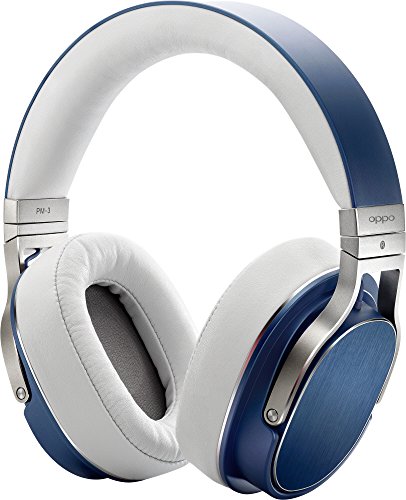

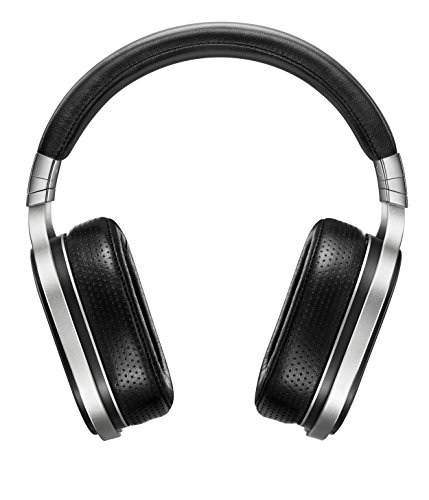
Are Oppo headphones good?
Oppo headphones are usually positioned as a small premium-leaning wireless brand rather than as a mass-market all-category headphone lineup.
The main limitation is range. Oppo does not give buyers the broad ladder of prices, form factors, and generations that larger headphone brands offer, so it is harder to compare several Oppo options within one budget.
In practical terms, Oppo makes the most sense for buyers already interested in the brand's design language or premium mobile-audio direction. It is a narrower brand choice, but the better Oppo models are usually trying to compete on polish rather than on sheer variety.
What are the main advantages of Oppo headphones?
The main advantages of Oppo headphones are as follows.
- Strong true wireless focus: Oppo is most useful for buyers who want compact Bluetooth earbuds with daily features rather than large home-listening headphones.
- Useful ANC and call features: The better Oppo earbuds usually compete well in commuting and work-call use, especially when microphone quality and transparency mode matter.
- Fast charging and easy carry: Small cases, quick charging, and lightweight buds make the brand convenient for phone-first users who listen in short daily sessions.
- Good mobile integration: Oppo headphones often make sense in Android-centered use where app controls, quick pairing, and mobile-oriented features matter more than wired audio tradition.
- Clean everyday design: The lineup is shaped around practical wireless portability rather than around bulky over-ear shells or desk-only equipment.
What are the main disadvantages of Oppo headphones?
The main disadvantages of Oppo headphones are as follows.
- Strong true wireless focus: Oppo is most useful for buyers who want compact Bluetooth earbuds with daily features rather than large home-listening headphones.
- Useful ANC and call features: The better Oppo earbuds usually compete well in commuting and work-call use, especially when microphone quality and transparency mode matter.
- Fast charging and easy carry: Small cases, quick charging, and lightweight buds make the brand convenient for phone-first users who listen in short daily sessions.
- Good mobile integration: Oppo headphones often make sense in Android-centered use where app controls, quick pairing, and mobile-oriented features matter more than wired audio tradition.
- Clean everyday design: The lineup is shaped around practical wireless portability rather than around bulky over-ear shells or desk-only equipment.

Who makes Oppo headphones?
Oppo makes Oppo headphones.
In practice, Oppo is a consumer-tech brand whose headphone presence leans toward the premium end rather than toward broad mass-market coverage. Here, the brand comes through more as a small upper-tier audio branch than as a full mainstream headphone lineup.
What are the main Oppo headphone series?
The main Oppo headphone series are as follows.
- PM: PM is the clearer premium headphone family and the best place to start if you want Oppo's more serious full-size listening direction. It is the branch that makes the brand feel more specialist and more upscale than an ordinary consumer-tech accessory line.
- Enco: Enco is the broader everyday wireless audio branch, covering more mainstream portable and rechargeable listening use. This is the family that explains Oppo's simpler mass-market convenience side rather than its premium full-size side.
- Smaller wireless side branches: Oppo also uses more product-name-led earphone sub-lines, which help fill out the consumer-tech side of the range. These matter more for casual wireless buyers than for people trying to understand the brand's premium full-size identity.
- Overall structure: The family tree is much smaller than on giant audio brands, so buyers are usually choosing between a premium full-size direction and a simpler mainstream wireless direction. That can make the brand easier to read, but it also means less internal variety once you move beyond those two main lanes.
- Premium-leaning identity: Even when the range is compact, Oppo still reads more upscale and specialist than a typical low-cost headphone brand. In practical terms, the series names matter less as a huge ladder and more as a signal of whether you want the premium audiophile-leaning side or the mainstream wireless side.
How much do Oppo headphones cost?
Oppo headphones sit at about £460 and £950 in the available range, which places the brand firmly in premium territory.
That makes Oppo relevant mostly to buyers who are already comfortable shopping high-end audio rather than to buyers looking for a gradual ladder from budget to mid-range.
How do Oppo headphones compare with Sony headphones?
Oppo headphones usually compare with Sony models as a much narrower and more premium-audio-oriented option, while Sony models offer far broader category depth across wireless, ANC, sport, in-ear, over-ear, budget, and flagship use cases.
Sony is generally the stronger benchmark if you want lineup breadth and easier cross-category comparison. Oppo is more relevant if you are specifically considering a small premium-audio niche rather than a wide consumer-audio range.
What should you consider while choosing Oppo headphones?
When you choose Oppo headphones, you should focus on the following key aspects:
- Form factor: Start by choosing the shape that fits how you will use the headphones. Oppo is centered far more on wireless earbuds than on large over-ear designs, so fit, seal, and case behavior are the real buying questions. If you want a premium full-size travel headphone, this is a much thinner brand than Sony or Bose.
- ANC quality: If you travel or work in noisy places, put ANC near the top of your list. ANC strength and transparency smoothness are key separators inside the Oppo line because the better earbuds are built for commuting and office use. Lower tiers can still be useful, but the step up in noise control is usually very noticeable.
- Codec support: Check whether your phone or laptop can actually use the better codecs on offer. Bluetooth codec handling, low-latency modes, and dual-device behavior matter because Oppo competes through mobile-first convenience. On Android, those extras can decide more of the experience than a small driver-spec difference.
- Battery life: Check the real battery figure for your kind of use, not just the best-case claim. Expect many Oppo earbuds to land roughly in the 5-9 hour range per charge, with the case extending total life much further. Since the brand is so earbud-heavy, case size and recharge speed deserve almost as much attention as the bud runtime itself.
- Call quality: Microphone beamforming and wind control should be checked directly if the earbuds will handle work calls or commuting calls. Oppo can be very practical here, but call performance is not identical across every earbud branch.