
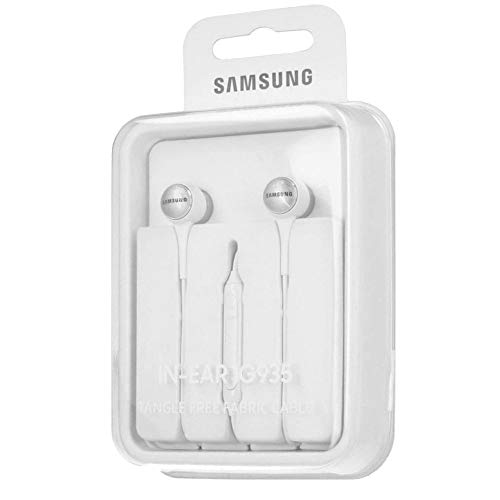
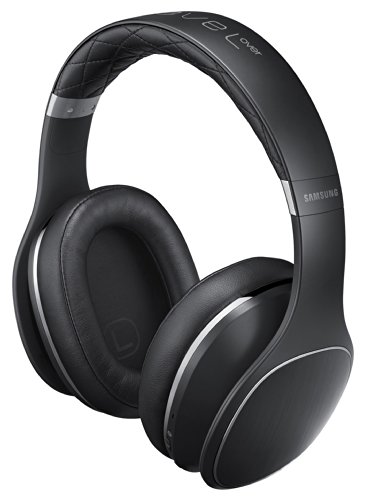
Are Samsung headphones good?
Samsung headphones are usually positioned as phone-friendly mainstream wireless headphones rather than as a deep specialist-audio lineup.
The limitation is that Samsung is still a relatively narrow headphone brand compared with bigger audio specialists. Buyers do not get a huge spread of generations, price points, or premium branches, so the brand is easier to browse but less complete.
In practical terms, Samsung works best for buyers who want simple wireless convenience and a shortlist that fits naturally alongside Samsung phones and tablets. Buyers chasing maximum choice will usually have more options elsewhere.
What are the main advantages of Samsung headphones?
The main advantages of Samsung headphones are as follows.
- Strong Galaxy ecosystem fit: Samsung headphones make a lot of sense when fast switching, wearable app control, and device integration are important across Galaxy phones and tablets.
- Good true wireless execution: The brand is especially relevant in compact wireless earbuds rather than in bulky over-ear designs, which helps daily portability.
- Useful ANC and ambient modes: The better Samsung earbuds offer solid commuting and office performance with modern transparency and call-oriented features.
- Convenient charging behavior: Small charging cases, easy everyday carry, and efficient wireless use make Samsung practical for phone-first listeners.
- Strong everyday call features: Microphone quality and general wireless convenience are good reasons to consider Samsung over simpler generic earbud brands.
What are the main disadvantages of Samsung headphones?
The main disadvantages of Samsung headphones are as follows.
- Strong Galaxy ecosystem fit: Samsung headphones make a lot of sense when fast switching, wearable app control, and device integration are important across Galaxy phones and tablets.
- Good true wireless execution: The brand is especially relevant in compact wireless earbuds rather than in bulky over-ear designs, which helps daily portability.
- Useful ANC and ambient modes: The better Samsung earbuds offer solid commuting and office performance with modern transparency and call-oriented features.
- Convenient charging behavior: Small charging cases, easy everyday carry, and efficient wireless use make Samsung practical for phone-first listeners.
- Strong everyday call features: Microphone quality and general wireless convenience are good reasons to consider Samsung over simpler generic earbud brands.
Who makes Samsung headphones?
Samsung headphones are made by Samsung, the South Korean electronics company best known for smartphones, TVs, wearables, and consumer devices across a very broad hardware ecosystem. That wider identity explains why Samsung's headphones feel more like an extension of its mobile-device strategy than a dedicated headphone-first business.
Samsung's approach here is centered on convenience and ecosystem fit rather than on building a huge standalone headphone catalog. The company has offered a compact Level family and a few simpler wired options, but its audio strategy is more closely tied to phones and mobile accessories than to specialist hi-fi branding.
In market terms, Samsung sits closer to big-tech convenience audio than to dedicated premium headphone makers. Buyers usually come to Samsung for brand familiarity, phone compatibility, and simplicity rather than for the deepest selection or the strongest headphone-specific heritage.
What are the main Samsung headphone series?
The main Samsung headphone series are as follows.
- Level In: Level In is Samsung's in-ear branch. It matters most for buyers who want a compact wireless or neckband-style Samsung listening option rather than a full-size design.
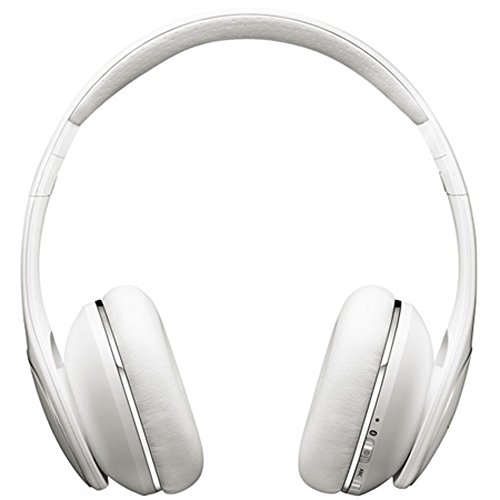
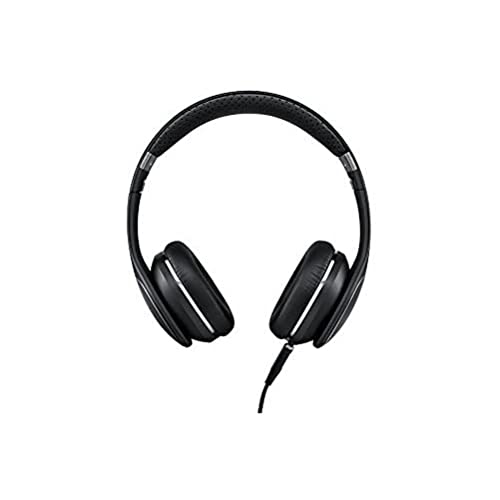
- Level On: Level On is the on-ear branch and the clearest place to look if you want a lighter portable Samsung headphone with more mainstream travel-friendly use.
- Level Over: Level Over is Samsung's full-size over-ear lane. This is the best fit for buyers who want the brand's largest headphone design and the strongest ANC-oriented branch in this slice.
- EHS and simpler wired models: These cover basic low-cost cable-first use rather than premium listening or travel features.
- Older ecosystem-focused audio lines: Samsung's headphone history here is relatively short and compact, which is why the Level family carries most of the brand identity instead of being split across many parallel series.
How much do Samsung headphones cost?
Samsung headphones usually cost about 10-£300, but most realistic buying choices in this brand sit much closer to 150-£300 than to the very bottom of the range. The single low-cost wired model is an outlier, while the main Level family occupies the mainstream wireless band.
Price differences inside Samsung mostly follow form factor and whether you are looking at a basic wired accessory or one of the wireless Level models. In-ear products sit lower, on-ear and wireless portable models fill the middle, and the Level Over branch reaches the highest price in this slice.
For most buyers, the meaningful Samsung buying zone is the middle rather than the extremes. The cheapest option is only for basic cable use, while the more relevant decisions are between Level In, Level On, and Level Over depending on how much size, ANC, and wireless convenience you want.
How do Samsung headphones compare with Sony headphones?
Samsung headphones usually compare with Sony headphones as the much smaller and more ecosystem-driven lineup, while Sony is the broader and more technically mature headphone brand. Samsung offers only a handful of models centered on the older Level family, whereas Sony spans everything from low-cost wired products to flagship ANC and high-end specialist designs.
Sony is usually the better choice if you want more price options, stronger battery life, deeper premium over-ear development, or a bigger spread of current wireless models. Samsung usually makes more sense only if you specifically want a small Samsung-friendly shortlist and are satisfied with a narrower, older set of mainstream wireless designs.
What should you consider while choosing Samsung headphones?
When you choose Samsung headphones, you should focus on the following key aspects:
- Ecosystem integration: Only pay for ecosystem features if you will actually use them. Samsung headphones make the most sense when Galaxy-device setup, wearable-app control, and quick switching fit the devices you already use. A big part of the value is tied to the broader Samsung mobile environment rather than to raw hardware alone.
- ANC support: If you travel or work in noisy places, put ANC near the top of your list. ANC and ambient mode quality are major separators inside the lineup, especially because Samsung is so earbud-focused. The stronger generations are much more serious for commuting and office use than the basic ones.
- Codec behavior: Check whether your phone or laptop can actually use the better codecs on offer. Samsung's wireless experience can be stronger inside Galaxy devices than outside them, so codec path and latency deserve attention if you also use Windows laptops, TVs, or non-Samsung phones. The same earbuds can feel more complete on one platform than another.
- Battery life: Check the real battery figure for your kind of use, not just the best-case claim. Most Samsung audio buying happens in the true wireless lane, so earbud endurance, case reserves, and charging speed matter more than over-ear runtime. Small differences in per-charge life become noticeable when you use earbuds for calls as well as music.
- Fit: If movement matters, start with fit. Open-fit and sealed-bud comfort vary a lot by generation, and fit directly changes bass response and passive isolation. On Samsung earbuds especially, the right shell shape can matter more than a small feature upgrade.