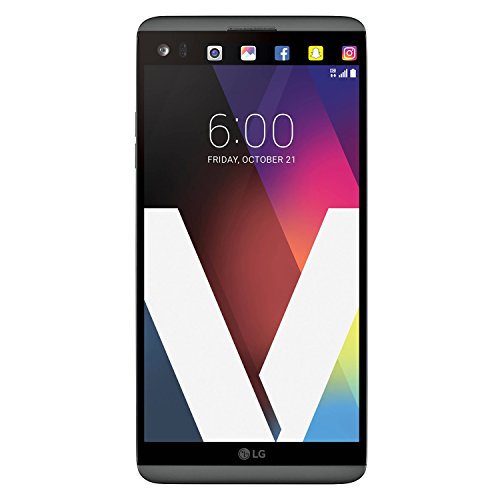
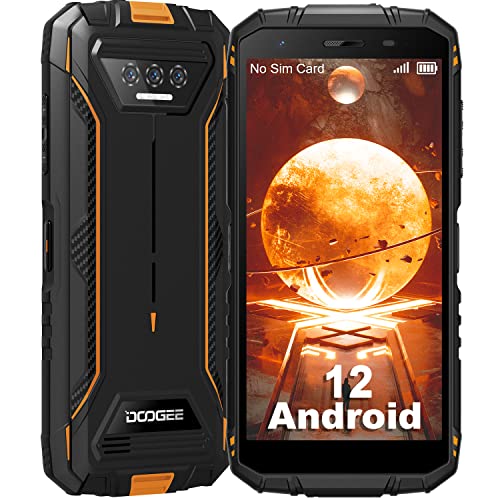
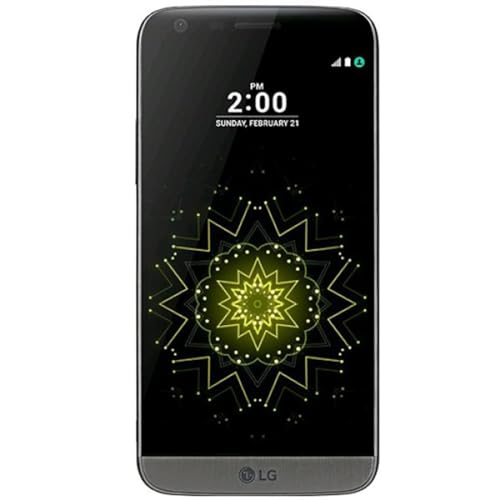
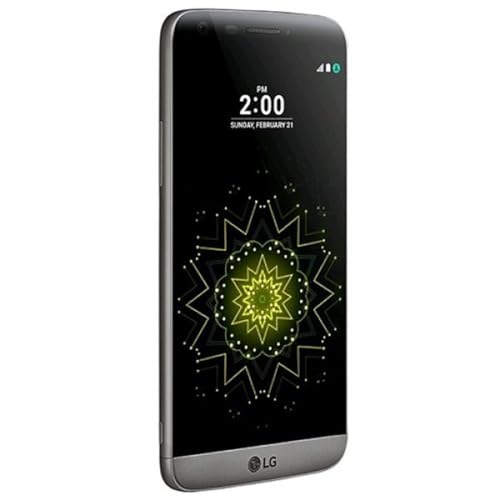
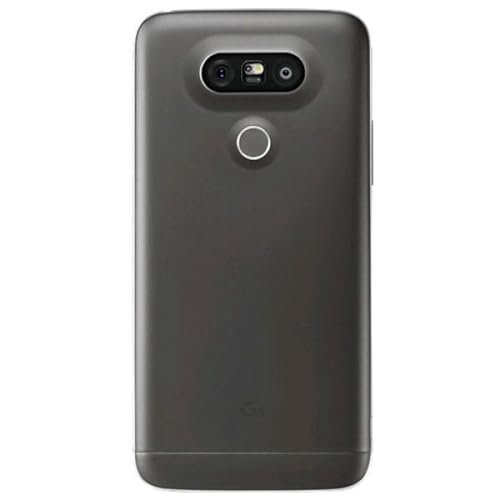
LG G5 (4GB + 32GB) review. Compare 197 technical specifications and user reviews to see how this product ranks in the Smartphones category and whether it is worth buying.
Overall score
What it is: An overall evaluation of the smartphone's quality, based on technical analyses and user reviews.
When it matters: When you need a quick reference to identify the best smartphones on the market.
Score components:
90.0%
Technical Score
10.0%
User score
Technical Score
What it is: An assessment of the smartphone's technical performance, covering eight key areas: performance & hardware, software, camera, connectivity, display, battery, audio, and design.
When it matters: When you want to compare smartphones based on technical performance and available features.
Score components:
25.0%
Performance & Hardware
18.0%
Camera
15.0%
Display
15.0%
Battery
10.0%
Software
10.0%
Connectivity
4.0%
Audio
3.0%
Design
User score
What it is: A rating that combines user reviews and the total number of reviews received by the smartphone
When it matters: When you want to know how a smartphone handles daily tasks and how reliable it remains over time according to user feedback.
Score components:
70.0%
User reviews
30.0%
Popularity
Available: ranking among products currently available (including other versions of this product).
All: ranking among all products in the database.
#17 in Best LG Smartphones
#148 in Best Compact Smartphones
#514 in Best Smartphones Under £200
#670 in Best Smartphones Under £250
#780 in Best Smartphones Under £300
#928 in Best Smartphones Under £400
#1004 in Best Smartphones Under £500
#1064 in Best NFC Smartphones
#1200 in Best Android Smartphones
#1252 in Best Smartphones
What it is: An assessment of the smartphone's technical performance, covering eight key areas: performance & hardware, software, camera, connectivity, display, battery, audio, and design.
When it matters: When you want to compare smartphones based on technical performance and available features.
Score components:
25.0%
Performance & Hardware
18.0%
Camera
15.0%
Display
15.0%
Battery
10.0%
Software
10.0%
Connectivity
4.0%
Audio
3.0%
Design
What it is: A rating that combines user reviews and the total number of reviews received by the smartphone
When it matters: When you want to know how a smartphone handles daily tasks and how reliable it remains over time according to user feedback.
Score components:
70.0%
User reviews
30.0%
Popularity
What it is: An indicator that combines the smartphone's overall rating with its cost.
When it matters: When you are looking for a smartphone with a good balance between quality and price.
Score components:
60.0%
Overall score
40.0%
Price
Importance: LOW
Importance: HIGH
Importance: HIGH
Good value: >12 GB
Importance: MEDIUM
Good value: >256 GB
Importance: MEDIUM
Good value: >3.2 GHz
Importance: LOW
Importance: MEDIUM
Good value: >1500
Importance: LOW
Good value: >4000
Importance: LOW
Good value: 8+
Importance: LOW
Importance: LOW
Good value: >950 MHz
Importance: LOW
Good value: >700
Importance: LOW
Good value: >1000
Importance: LOW
Good value: >2500
Importance: MEDIUM
Good value: >6000
Importance: LOW
Good value: >8000
Importance: MEDIUM
Good value: >12000
Importance: LOW
Good value: >5000
Importance: LOW
Good value: >1800
Importance: LOW
Good value: >3200 MHz
Importance: LOW
Good value: 5
Importance: LOW
Good value: > 50 GB/s
Importance: LOW
Good value: 4
Importance: LOW
Good value: >16 GB
Importance: MEDIUM
Good value: <6 nm
Importance: MEDIUM
Good value: >9 W
Importance: LOW
Importance: LOW
Good value: >8192 KB
Importance: LOW
Good value: >2048 KB
Importance: LOW
Good value: >512 KB
Importance: LOW
Good value: >100000 million
Importance: LOW
Good value: 3.3
Importance: LOW
Good value: 3.2
Importance: LOW
Good value: 2.0/3.0
Importance: LOW
Importance: LOW
Importance: LOW
Importance: MEDIUM
Importance: LOW
Importance: LOW
Importance: LOW
Importance: LOW
Importance: LOW
Importance: LOW
Importance: LOW
Importance: LOW
Importance: LOW
Importance: LOW
Importance: LOW
Importance: LOW
Importance: LOW
Importance: LOW
Importance: LOW
Importance: LOW
Importance: LOW
Importance: LOW
Importance: LOW
Importance: LOW
Importance: LOW
Importance: LOW
Importance: LOW
Importance: LOW
Importance: LOW
Importance: LOW
Importance: LOW
Importance: LOW
Importance: LOW
Importance: LOW
Importance: LOW
Importance: LOW
Importance: LOW
Importance: MEDIUM
Good value: >50 MP
Importance: MEDIUM
Importance: HIGH
Good value: >60
Importance: LOW
Good value: ≥1.2 µm
Importance: MEDIUM
Good value: >2.5x
Importance: MEDIUM
Importance: LOW
Importance: LOW
Importance: LOW
Importance: LOW
Good value: ≥2
Importance: LOW
Importance: LOW
Importance: LOW
Importance: LOW
Good value: >16 MP
Importance: LOW
Importance: LOW
Importance: LOW
Importance: LOW
Importance: MEDIUM
Importance: LOW
Importance: LOW
Importance: LOW
Importance: LOW
Importance: LOW
Importance: LOW
Importance: LOW
Importance: LOW
Importance: LOW
Importance: LOW
Importance: LOW
Importance: LOW
Importance: LOW
Importance: LOW
Importance: LOW
Importance: LOW
Importance: LOW
Importance: LOW
Importance: LOW
Importance: LOW
Importance: LOW
Good value: >130
Importance: LOW
Good value: >120
Importance: LOW
Good value: ≥2
Importance: LOW
Importance: LOW
Importance: LOW
Importance: LOW
Importance: LOW
Importance: LOW
Good value: >5.2
Importance: LOW
Importance: LOW
Importance: LOW
Importance: LOW
Good value: 3.1/3.2
Importance: LOW
Importance: LOW
Importance: LOW
Good value: ≥2
Importance: LOW
Importance: LOW
Importance: LOW
Importance: LOW
Importance: LOW
Importance: LOW
Importance: LOW
Importance: LOW
Importance: LOW
Importance: LOW
Importance: LOW
Importance: LOW
Importance: LOW
Importance: LOW
Importance: LOW
Importance: LOW
Good value: ≥6.6 inches
Importance: MEDIUM
Importance: LOW
Good value: >400 ppi
Importance: MEDIUM
Importance: MEDIUM
Good value: ≥120 Hz
Importance: LOW
Importance: LOW
Good value: >300 Hz
Importance: LOW
Good value: >800 nits
Importance: LOW
Good value: >1300 nits
Importance: LOW
Good value: >1000 nits
Importance: LOW
Importance: LOW
Importance: LOW
Importance: LOW
Importance: LOW
Importance: LOW
Importance: LOW
Importance: LOW
Importance: HIGH
Good value: >5000 mAh
Importance: MEDIUM
Good value: >60 W
Importance: LOW
Importance: LOW
Good value: <45 min
Importance: LOW
Importance: LOW
Good value: >40 W
Importance: LOW
Importance: LOW
Good value: >10 W
Importance: LOW
Importance: LOW
Importance: MEDIUM
Importance: LOW
Good value: >800
Importance: LOW
Importance: LOW
Importance: LOW
Importance: LOW
Importance: LOW
Good value: ≥3
Importance: LOW
Importance: LOW
Importance: LOW
Importance: LOW
Importance: LOW
Importance: LOW
Importance: LOW
Good value: <162 mm
Importance: LOW
Good value: <75 mm
Importance: LOW
Good value: <8 mm
Importance: LOW
Good value: <190 g
Importance: LOW
Good value: <98cm³
Importance: LOW
Importance: LOW
Importance: LOW
Importance: LOW
Importance: LOW
Importance: LOW
Good value: ≥1.5 m
Importance: LOW
Importance: LOW
Good value: >8
Importance: LOW
Importance: LOW
Importance: MEDIUM
Importance: LOW
Good value: >400 ppi
Importance: MEDIUM
Importance: LOW
Good value: ≥1.2 µm
Importance: LOW
Importance: LOW
Importance: LOW
Importance: LOW
Importance: HIGH
Importance: MEDIUM
Importance: MEDIUM
Good value: ≥120 Hz
Importance: MEDIUM
Good value: >256 GB
Importance: LOW
Importance: MEDIUM
Importance: MEDIUM
Good value: <6 nm
Importance: HIGH
Good value: >5000 mAh
(Reviews last updated: August 2026)
The IT Pro review describes the LG G5 as a bold, modular smartphone featuring a "Magic Slot" that allows for a removable 2,800mAh battery and specialized accessory attachments. Key advantages include top-tier performance from the Snapdragon 820 processor and a versatile dual-camera setup, featuring a 135-degree wide-angle lens for expansive shots. However, the, design feels unpolished with visible gaps, and the "micro-dicing" paint makes the metal chassis feel plastic-like, while the initial modular accessories, such as the 360-degree camera, are criticized for being "half-baked".
Ars Technica's review describes the LG G5 as a fundamentally flawed device where a promising modular concept was undermined by poor manufacturing, resembling a "rushed engineering prototype" despite high-end 2016 specifications like a Snapdragon 820 and 4GB of RAM. Critical "cons" included uneven, gap-prone modular construction, sharp, uncomfortable edges, a thick, cheap-feeling paint over the metal, and the disabling of Android’s adoptable storage feature. While the removable battery and versatile dual-camera system were notable pros, the overall, shoddy build quality led to a conclusion that superior rivals existed, making the device hard to recommend.
The Tom's Guide review of the LG G5, published in April 2016, highlights the device as an ambitious but flawed attempt to revolutionize the smartphone market through its unique modular "Magic Slot" design. While praising the phone's innovative approach, high-end performance, and versatile dual-camera system, the review notes the overall implementation feels rushed and unpolished. Tom' Key pros highlighted include the capable dual-camera setup with an 8-megapixel wide-angle lens, the powerful Snapdragon 820 processor with 4GB of RAM, and the practical inclusion of a removable battery and an always-on display. Conversely, the primary cons focused on short battery life—averaging only 7 hours and 57 minutes—along with a less-than-premium design and a lack of useful modular "Friends" at launch. Tom' Ultimately, the reviewer concluded that the G5's modular concept did not live up to its potential, often forcing users to compromise on design and battery efficiency. Tom's Guide
The LG G5 features a unique modular design allowing for a replaceable battery and optional accessories, powered by a fast Snapdragon 820 processor. While the dual-camera system with a wide-angle lens is highlighted as a pro, the overall modular concept is viewed as an unfinished, niche feature. Key cons include a less-premium build quality compared to competitors and the sacrifice of water resistance to accommodate the modular functionality.
Consumer Reports found the LG G5 to be durable and perform well in core functions, earning an "excellent" rating for durability after 50 drop tests. The phone's 16MP rear camera and 8MP selfie camera delivered high-quality, color-accurate stills, while the Snapdragon 820 processor offered smooth daily performance. A key advantage is the modular design allowing easy battery swaps, better ergonomics with a side volume rocker, and versatile shooting with dual rear cameras. However, the review noted cons, including modules that are difficult to remove despite being easy to insert. The 5.3-inch display was criticized for being too dim for outdoor use and lacking the crispness of top screens. Other issues included a jumpy transition when zooming between cameras and the removal of the standard Android app drawer.
HotHardware's review describes the LG G5 as an ambitious but ultimately unrefined "premium prototype" with a standout modular design allowing for swappable batteries and accessories, though the execution is criticized as cumbersome. The phone features a Snapdragon 820 processor, 4GB of RAM, and a bright 5.3-inch IPS Quantum display but suffers from disappointing battery life and lacks the polish of competitors. Key pros include its performance, display visibility, dual-lens camera (despite some wide-angle lens issues), removable battery, and microSD slot, while cons encompass the clunky modularity, poor battery life, perceived build quality issues, and the LCD display's limitations.
According to Reviewed's analysis, the LG G5 is a powerful smartphone featuring a dual-camera system with a wide-angle lens and a rare removable battery in a metal body. However, the review criticizes its poorly executed modular "Friends" ecosystem, which requires shutting down the phone to swap components and has an inelegant physical fit. While the phone performs well, its primary camera lacks speed and low-light capability compared to rivals, and the display can be too dim outdoors.
PCMag describes the LG G5 as a bold, experimental flagship featuring a modular design with a "Magic Slot" for a removable battery or accessories. While praising the innovative risk and performance, the review highlights drawbacks including unpolished modularity, mediocre battery life, and heavily skinned software. Despite a versatile dual-lens camera, the G5 ultimately falls short of competitors like the Samsung Galaxy S7 as a polished, "one-stop solution".
The LG G5 is described as an experimental flagship featuring stunning sloped glass and a flawless fingerprint sensor, but its modular system is criticized as an unrefined "modular mess". While the dual-camera system, including an 8MP ultra-wide lens, and the durable metal unibody with a removable battery are considered strengths, significant drawbacks include disappointing build quality with visible gaps and average or poor battery life compared to competitors. Software issues, such as the initial removal of the app drawer, also detracted from the user experience for Android purists.
The LG G5, as reviewed by CNET, is characterized as a bold, modular smartphone featuring a removable battery, expandable storage, and a versatile dual-camera system with a 135-degree wide-angle lens. Performance is driven by a Snapdragon 820 processor, delivering fast operation and competitive 12.5-hour video playback in tests. However, the phone's "Friends" modular accessories are criticized for being cumbersome to swap, requiring a device restart, and having limited, uncompelling options. Additionally, the software design lacks an app drawer, and the Always-on display is less refined than competitor offerings. CNETUltimately, CNET concludes the G5 falls short of its potential compared to the Samsung Galaxy S7 due to a lack of water resistance and inferior battery/processing performance. While recommended for users prioritizing a removable battery, most consumers are advised to look toward the Samsung S7 or Google Nexus 6P. CNET
According to The Verge review, the LG G5 is a radical reinvention prioritizing innovation with a modular design. Pros include a fast Snapdragon 820 processor, 4GB RAM, a flexible dual-camera system, and a 5.3-inch Quad HD "always-on" display. However, the review notes significant cons such as "half-baked" modular "Friend" accessories, an "unrefined" "fake metal" feel to the aluminum body, sharp edges, and accidental screen shut-offs from the power button/fingerprint sensor. The Verge concludes that the LG G5 is a bold experiment that offers power-user strengths like a removable battery and expandable storage but lacks the polish and cohesive design of competitors like the Samsung Galaxy S7.
The LG G5, as reviewed by lte-anbieter.info, stands out for its unique modular design, allowing for a swappable 2,800mAh battery and specialized "Friends" accessories like the Cam Plus, though the build feels slightly unpolished and the accessories are limited. Technically, the device is a top performer featuring a Snapdragon 820, 4GB of RAM, and a bright, 5.3-inch Quad HD display, despite some criticism regarding screen brightness and software bloat. The camera system, featuring a dual-lens setup with a 135-degree wide-angle option, is a major highlight, though the phone falls short due to average battery life, a non-premium finish, and lack of water resistance.
The LG G5, as reviewed by Techtest.org, introduces a bold, modular "Magic Slot" design, transitioning to a premium metal unibody that allows for a removable battery and various accessory modules. While innovative, the modular mechanism feels slightly unrefined, and the build quality raises concerns regarding long-term durability. Performance is a key strength, with the Snapdragon 820 and 4GB RAM providing top-tier speed, complemented by a sharp 5.3-inch QHD display featuring "Always-on" and "Daylight Mode" capabilities. Furthermore, the dual-camera system, offering a standard and a wide-angle lens, is lauded for its unique perspective and quality. Conversely, the 2800mAh battery delivers merely average life, and the device lacks water resistance, limiting its practical appeal compared to competitors. While swappable, the battery mechanism is deemed less convenient than a standard power bank, with the overall design feeling somewhat rushed.
Der Spiegel characterizes the LG G5 as an ambitious but ultimately flawed experiment in modularity, highlighting the "Friends" accessories as more of a gimmick than a practical necessity. While the metal body offers a premium feel, the review critiques the build quality, noting a plastic-like coating and gaps where the removable "chin" connects to the frame. SpiegelOn the positive side, the G5 features an innovative dual-camera system with a 16-megapixel sensor and an 8-megapixel wide-angle lens, which is highly effective for landscapes. Performance is deemed excellent thanks to the Snapdragon 820 processor and 4GB of RAM, and the inclusion of a removable battery and microSD slot are praised for usability. SpiegelHowever, significant drawbacks include underwhelming battery life from the 2800 mAh cell and an "Always-on" display that is too dim in daylight. The review concludes that while it is a powerful device, the incomplete modular concept and physical design compromises make it a "hard sell" compared to competitors. Spiegel
The LG G5, as reviewed by PC-WELT, stands out for its unique modular "Magic Slot" design, which enables hardware add-ons like the Cam Plus grip or Hi-Fi Plus DAC, though the mechanism is reported to be somewhat clunky. A key advantage is the versatile dual-camera system featuring a 16MP main lens and a 135-degree 8MP wide-angle lens, offering, along with a bright 5.3-inch QHD display, exceptional photo flexibility. Despite powerful performance from its Snapdragon 820 processor, the device suffers from a mediocre build quality that feels less premium than its metal construction suggests, and the rear-mounted fingerprint sensor is noted as less refined. Furthermore, the modular design, while facilitating a user-removable battery, results in a smaller 2800mAh capacity and a less seamless experience compared to rivals like the Samsung Galaxy S7.
The ChannelPartner.de review highlights the LG G5 as a bold, modular smartphone delivering top-tier performance with its Snapdragon 820 processor, though it notes some browser-based inconsistencies. Key advantages include the innovative modular design for battery swapping, a versatile dual-camera system, and a bright 5.3-inch Quad HD display. However, the device suffers from a underwhelming metal casing that feels plastic, visible gaps in the build, and only average battery life.
The LG G5 (2025) introduces a Primary RGB Tandem OLED panel, delivering a significant brightness boost with peaks between 2,000 and 3,000 nits, which enhances color volume to challenge high-end competitors. It features the α11 AI Processor Gen2 for superior upscaling, a 165Hz refresh rate for gaming, and a minimalist design suitable for flush wall mounting. While offering impressive performance, the TV's drawbacks include a redesigned, less intuitive Magic Remote and average sound quality that necessitates an external soundbar for deep bass.
The Heise Bestenlisten review characterizes the LG G5 as a bold but flawed attempt at modularity, with the "Magic Slot" enabling battery swaps while the "LG Friends" ecosystem was limited and expensive. The device shines with its high-performance Snapdragon 820 processor, 5.3-inch Quad HD display, and a creative 16MP/8MP dual-camera system featuring a unique wide-angle lens. Despite its innovations, the review highlights significant drawbacks, including a plastic-feeling metal body with poor fit, lack of water resistance, and an uncomfortable "fisheye" effect on wide-angle shots.
The Cloudmagazin review highlights the 2016 LG G5 as an elegant, modular smartphone featuring a unique "Magic Slot" for swapping hardware modules and a 5.3-inch QHD display with an Always-on feature. The device's primary pros include its robust metal/glass build, excellent camera versatility with a wide-angle lens, and top-tier performance. However, notable cons include the limited selection of "Friends" modules, the necessity to restart the device when swapping accessories, and, with official support having long ended, it is now deemed a device for enthusiasts.
The Moto G5 features an aluminium back and a 5-inch Full HD display (441 ppi), offering a premium design and sharp, accurate screen, along with a near-stock Android 7.0 experience. However, the Snapdragon 430 processor delivers mediocre performance, the screen struggles with brightness in direct sunlight, and it lacks NFC. While the 2800mAh battery is removable, it offers only average battery life, and the camera, though decent in good light, struggles with noise and lack of stabilization in low light. Les Numé
The LG G5 features an innovative modular design allowing for a removable 2,800 mAh battery and specialized "Friends" accessories, though its aluminum body has a less premium, plastic-like feel. While the 5.3-inch Quad HD display and Snapdragon 820 processor deliver top-tier performance, the LG UX 5.0 interface's lack of a default app drawer is a drawback. The dual-camera system, featuring a versatile 135-degree wide-angle lens, is a major pro, yet the device is hindered by average battery life and a somewhat cumbersome modular swapping process.
The LG G5 review by Presse-citron highlights the device's innovative "Magic Slot" design, which allows for a removable battery and swappable "Friends" modules, though with some unpolished execution. It features high-end performance with a Snapdragon 820 processor and a standout 135-degree wide-angle camera. Ultimately, the G5 is portrayed as a pioneering but flawed device, balancing powerful specs against a lackluster, "primered" metal finish and a limited module ecosystem.
The NextPit review characterizes the LG G5 as an innovative, high-performance flagship featuring a Snapdragon 820 processor, a 5.3-inch Quad HD display with accurate colors, and a unique, removable 2,800 mAh battery. While praising the 8MP wide-angle camera and improved software, the review notes significant cons, including a 2,800 mAh battery that struggles to last a full day and a design that feels unfinished due to gaps in the modular, or "Friends," system. Ultimately, the device is deemed a "creative" power-user's phone, balancing modular flexibility against a less polished build and uncertain future accessory compatibility.
The LG G5 features a modular "Magic Slot" design allowing for accessory swapping and a removable battery, though its metal chassis with "microdizing" paint feels less premium than competitors. It boasts a 5.3-inch Quad HD display and a versatile dual-camera system, including a 135-degree wide-angle lens, which is highlighted as a significant, creative advantage. However, the device suffers from below-average battery life due to a 2,800 mAh cell, making it a powerful, specialized choice for photo enthusiasts rather than an all-day device.
The LG G5 features a bold, metal unibody design with a modular "Magic Slot" allowing for a removable 2,800 mAh battery and specialized hardware modules, though the paint coating feels less premium and a slight gap can exist at the seam. It boasts high-end performance with a Snapdragon 820 processor and a sharp 5.3-inch QHD display, though the "Always-On" feature is dim in sunlight. The camera system stands out with a unique 16-megapixel main lens and an 8-megapixel wide-angle lens, providing excellent daytime, but only decent low-light performance. Key pros include the innovative modularity, fast performance, and superior wide-angle camera, while cons include average battery life, a non-premium finish, and a lack of an app drawer by default. For more details, visit Top-for-Phone.fr.
The LG G5 features a bold, modular "Magic Slot" design with an aluminum unibody, allowing for hot-swappable batteries and accessories like the Cam Plus, though the construction feels less premium than competitors. Its 5.3-inch Quad HD display is functional, yet the standout feature is the versatile dual-camera system, which includes a 16MP main sensor and an 8MP 135-degree wide-angle lens for unique, expansive photography. While powered by the top-tier Snapdragon 820 processor, the device is hindered by mediocre battery life from its 2800mAh cell, ultimately positioning the phone as a high-performance, experimental device with mixed build quality.
The Labo Fnac review characterizes the LG G5 as a high-performance smartphone whose core features, such as the 5.3-inch Quad HD display and powerful Snapdragon 820 processor, overshadow its modular capabilities. Key strengths include a premium build, excellent photo quality from the dual-camera system, and smooth overall performance. Conversely, the 2800mAh battery offers weak endurance, and the device's GPS reliability is noted as a potential downside. L'É
Les Numériques highlights the LG G5's innovative dual-camera system, featuring a 16MP main sensor and an 8MP ultra-wide-angle lens with a 135-degree field of view, as a major technical success for creative photography. The device boasts one of the most contrasting mobile LCD screens available, paired with excellent overall speed and responsiveness. Les Numé However, laboratory testing reveals that the G5 underperforms compared to its predecessor in low-light, with significant image noise at high ISO and less-sharp wide-angle shots. Additionally, the phone's modular "Friends" concept is considered underdeveloped at launch, while the build includes a flimsy, hard-to-use nano-SIM/microSD tray. Les Numé Ultimately, the G5 is characterized as a powerful "nomadic multimedia" device featuring great screen quality and a versatile camera, despite having a sub-par low-light performance compared to the LG G4. Les Numé
The 01net review highlights the LG G5 as an innovative, modular alternative to the Samsung Galaxy S7, featuring a "Magic Slot" for a removable battery and swappable accessories. Key advantages include a unique dual-camera system with a versatile 8MP wide-angle lens, though the device suffers from shorter battery life (2,800mAh) and a less premium, "hollow" metal feel compared to the S7. Unlike the S7, the G5 lacks IP68 water resistance and wireless charging, making it a niche choice for enthusiasts rather than a superior all-arounder.
The Frandroid review of the LG G5 outlines a bold, modular smartphone featuring a "Magic Slot" for swapping accessories like a camera grip or Hi-Fi DAC, combined with a removable battery. While powered by the Snapdragon 820 with 4GB of RAM for top-tier performance, the device suffers from inconsistent build quality, where the metal chassis feels plasticky and the modular connections appear unrefined. Despite these flaws, the G5 shines with its unique dual-camera system, offering a versatile 16MP main lens alongside an 8MP 135-degree wide-angle lens for unique photography. Key strengths include the innovative modularity, excellent camera flexibility, and a high-resolution display with a "Daylight Mode" for superior outdoor visibility. However, the device is held back by average battery life, significant software bloat, and a metallic coating prone to chipping.
The LG G5, as reviewed by Computer Hoy, is a bold, modular smartphone featuring a unique metal design, strong performance, and an innovative "Always-on" display. Pros include a versatile dual-lens camera system, a "Friends" modular ecosystem for add-ons, and practical features like a removable battery and microSD card slot. However, the device suffers from a 2,800 mAh battery that offers only average life and a, metal chassis that feels plasticky due to thick paint, alongside potential durability concerns with the modular mechanism.
The April 2016 review from El Español (El Androide Libre) highlights the LG G5 as a compact, metal-bodied smartphone featuring a unique modular "Magic Slot" design. While praising its comfortable handling and premium materials, the review notes larger bezels compared to the G4 and a special coating that masks the metallic feel. Performance is a key strength, driven by a Snapdragon 820 processor and 4GB of RAM, enabling robust multitasking. The camera system is highly regarded, particularly the 8MP wide-angle lens, along with a bright QHD display and a responsive rear fingerprint sensor. However, the modular design is a primary drawback, with critics citing uneven, non-premium gaps in the construction. Further cons include mediocre battery life from the 2,800mAh cell and a software interface that initially lacked an app drawer. For more details, visit El Español.
The Xataka review defines the LG G5 as a pioneering, daring smartphone featuring a metal unibody and a "Magic Slot" for modular accessories like the Cam Plus, though these modules often feel unrefined. Performance is driven by a Snapdragon 820 with 4GB of RAM, and the 5.3-inch QHD display is praised for its quality alongside a versatile dual-camera system, which includes a unique 135-degree wide-angle lens. Key drawbacks include a small 2,800 mAh battery with mediocre life, a subpar Always-On display, and an overall feel that suggests a "rushed" product, despite the convenience of a swappable battery. For the full, detailed analysis, visit Xataka.
The LG OLED evo G5 marks a major advancement in display technology, utilizing a four-layer "tandem" emissive architecture and the Alpha 11 Gen 2 AI processor to achieve significantly higher light efficiency. This TV offers extreme brightness, reaching peaks of 2350–2500 nits, which rivals mini-LED sets while preserving OLED's signature "perfect" black levels. Enhanced processing delivers superior AI upscaling and a smoother webOS interface, complemented by a 165Hz refresh rate for high-end gaming. DDay.itKey pros include exceptional brightness suitable for bright rooms, excellent motion handling, and a sleek design suitable for wall mounting. However, cons include poor, thin audio quality, minor artifacts when viewing highly compressed streaming content, and slight navigation lag in deep settings.
The LG G5 is highlighted by TuttoAndroid as an innovative, modular flagship featuring a high-quality 5.3-inch QHD display and strong performance from the Snapdragon 820 processor and 4GB of RAM. Pros include a unique 135-degree wide-angle camera, excellent 16MP primary image quality, and a faster, less cluttered user interface, alongside the convenience of a swappable battery. However, the review notes significant cons, specifically the inconsistent build quality with visible gaps in the modular construction and unsatisfactory battery life.
Andrea Galeazzi describes the LG G5 as a disruptive and innovative, yet experimental, device featuring a modular design that allows for a removable bottom chin and battery. While praised for its 5.3-inch IPS display and the unique 135-degree wide-angle dual-camera system, the phone is criticized for a slight gap in the chassis and a limited "Friends" ecosystem. Despite being a "power-user's friend" with a USB-C port and microSD slot, the, LG G5 is deemed a bold, but incomplete,,, experiment due to its,,,,,, limited, 2800 mAh, battery, and,, sharp,,,,, build,,,, lines.
The RTL.nl review characterizes the LG G5 as an ambitious but unrefined attempt at a modular smartphone, breaking industry design norms with its "Magic Slot" system. While the phone offers top-tier performance via the Snapdragon 820 processor and a versatile, high-quality dual-camera system, the execution falls short of a premium experience. Cons include mediocre battery life, a "half-baked" modular ecosystem, and build quality issues like visible gaps in the modular "chin" and a cheap-feeling metal finish.
The Techzine review positions the LG G5 as a pioneering, yet unpolished, modular smartphone featuring a removable "chin" for swapping batteries and accessories like the LG Cam Plus. While highlighting the innovative, high-performance hardware—including a Snapdragon 820 chip, 4GB of RAM, and a versatile dual-camera system with a 135-degree wide-angle lens—the analysis notes that the,,modular mechanism is finicky and leaves a visible gap. Despite the premium specs, the device suffers from a "plastic-like" metal texture, mediocre battery life, and a controversial software interface that removes the traditional app drawer.
The LG G5 features the Qualcomm Snapdragon 820 chipset and 4GB of RAM, providing top-tier benchmark performance alongside a sharp 5.3-inch Quad HD display, though the "Always-on" feature affects battery life. Its standout feature is the modular "Magic Slot," allowing for a removable 2800mAh battery and specialized accessories, yet this design suffers from inconsistent build quality, featuring a metallic body that feels plastic-like due to its coating and non-flush seams. While the dual-camera system, offering a unique 8MP wide-angle lens, is a significant pro, the software experience is marred by the omission of a default app drawer, making the device a powerful, albeit flawed, experimental flagship.
The AndroidPlanet.nl review (April 2016) highlights the LG G5 as a bold, experimental flagship featuring a unique, removable modular design, allowing for battery swaps and "Friends" accessory attachments. While praised for its innovation, the device receives criticism for its build quality, which feels less premium and "plastic-like" compared to competitors, despite using an all-metal unibody. On the positive side, the G5 excels with an innovative dual-camera system—featuring a 16MP main sensor and a 135-degree wide-angle lens—and provides top-tier, "buttery" performance powered by the Snapdragon 820 chipset. However, the review notes significant drawbacks, including a dim Always-On display that is hard to read outdoors and a 2800mAh battery that struggles to last through heavy daily usage. Ultimately, the analysis describes the LG G5 as a pioneering but somewhat unfinished product, with software changes like the initially removed app drawer creating a polarizing user experience. Despite its pros, such as an IR blaster and expandable storage, the high price and compromised build quality are noted as major cons.
The Androidworld.nl review characterizes the LG G5 as a bold but flawed experiment in modularity, praising its innovative "Magic Slot" for battery replacement and "Friends" modules while noting build quality compromises like a noticeable gap. Hardware highlights include a versatile dual-camera setup with a game-changing 16MP main and 8MP wide-angle lens, along with a sharp 5.3-inch Quad HD display and top-tier Snapdragon 820 performance. Ultimately, the device offers a highly innovative, modular design with a strong camera, but suffers from a plastic-feeling metal coating, average battery life, and a missing app drawer.
The LG G5, reviewed by Tweakers, is defined by its innovative modular design, featuring a removable aluminum bottom chin for battery access and specialized functional modules. Performance is a major pro, with the Snapdragon 820 chipset and 4GB of RAM delivering a very fast and smooth user experience. Additionally, the device features a high-quality 5.3-inch QHD IPS display and a practical dual-camera setup, including a unique wide-angle lens. Despite these strengths, the G5 has notable cons, specifically in its build quality, where the modular construction creates visible seams and a less premium feel. Furthermore, the initial modules were deemed somewhat niche, and battery life proved disappointing, featuring a small capacity that falls short of expectations for a 2016 flagship.

Compare