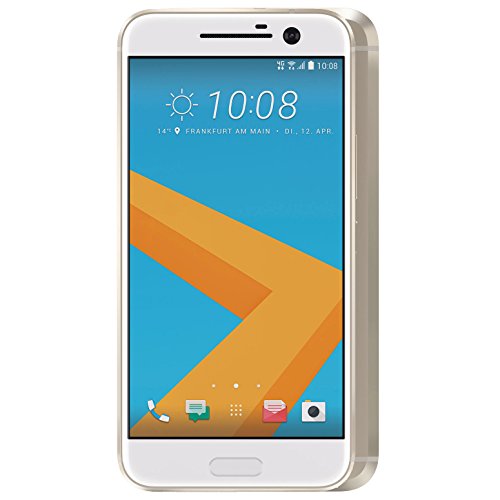
HTC 10 (4GB + 32GB) review. Compare 197 technical specifications and user reviews to see how this product ranks in the Smartphones category and whether it is worth buying.
Overall score
What it is: An overall evaluation of the smartphone's quality, based on technical analyses and user reviews.
When it matters: When you need a quick reference to identify the best smartphones on the market.
Score components:
90.0%
Technical Score
10.0%
User score
Technical Score
What it is: An assessment of the smartphone's technical performance, covering eight key areas: performance & hardware, software, camera, connectivity, display, battery, audio, and design.
When it matters: When you want to compare smartphones based on technical performance and available features.
Score components:
25.0%
Performance & Hardware
18.0%
Camera
15.0%
Display
15.0%
Battery
10.0%
Software
10.0%
Connectivity
4.0%
Audio
3.0%
Design
User score
What it is: A rating that combines user reviews and the total number of reviews received by the smartphone
When it matters: When you want to know how a smartphone handles daily tasks and how reliable it remains over time according to user feedback.
Score components:
70.0%
User reviews
30.0%
Popularity
Available: ranking among products currently available (including other versions of this product).
All: ranking among all products in the database.
#7 in Best 5-Inch Smartphones
#9 in Best HTC Smartphones
#99 in Best Compact Smartphones
#989 in Best NFC Smartphones
#1083 in Best Android Smartphones
#1128 in Best AI Smartphones
#1134 in Best Smartphones
What it is: An assessment of the smartphone's technical performance, covering eight key areas: performance & hardware, software, camera, connectivity, display, battery, audio, and design.
When it matters: When you want to compare smartphones based on technical performance and available features.
Score components:
25.0%
Performance & Hardware
18.0%
Camera
15.0%
Display
15.0%
Battery
10.0%
Software
10.0%
Connectivity
4.0%
Audio
3.0%
Design
What it is: A rating that combines user reviews and the total number of reviews received by the smartphone
When it matters: When you want to know how a smartphone handles daily tasks and how reliable it remains over time according to user feedback.
Score components:
70.0%
User reviews
30.0%
Popularity
What it is: An indicator that combines the smartphone's overall rating with its cost.
When it matters: When you are looking for a smartphone with a good balance between quality and price.
Score components:
60.0%
Overall score
40.0%
Price
Importance: LOW
Importance: HIGH
Importance: HIGH
Good value: >12 GB
Importance: MEDIUM
Good value: >256 GB
Importance: MEDIUM
Good value: >3.2 GHz
Importance: LOW
Importance: MEDIUM
Good value: >1500
Importance: LOW
Good value: >4000
Importance: LOW
Good value: 8+
Importance: LOW
Importance: LOW
Good value: >950 MHz
Importance: LOW
Good value: >700
Importance: LOW
Good value: >1000
Importance: LOW
Good value: >2500
Importance: MEDIUM
Good value: >6000
Importance: LOW
Good value: >8000
Importance: MEDIUM
Good value: >12000
Importance: LOW
Good value: >5000
Importance: LOW
Good value: >1800
Importance: LOW
Good value: >3200 MHz
Importance: LOW
Good value: 5
Importance: LOW
Good value: > 50 GB/s
Importance: LOW
Good value: 4
Importance: LOW
Good value: >16 GB
Importance: MEDIUM
Good value: <6 nm
Importance: MEDIUM
Good value: >9 W
Importance: LOW
Importance: LOW
Good value: >8192 KB
Importance: LOW
Good value: >2048 KB
Importance: LOW
Good value: >512 KB
Importance: LOW
Good value: >100000 million
Importance: LOW
Good value: 3.3
Importance: LOW
Good value: 3.2
Importance: LOW
Good value: 2.0/3.0
Importance: LOW
Importance: LOW
Importance: LOW
Importance: MEDIUM
Importance: LOW
Importance: LOW
Importance: LOW
Importance: LOW
Importance: LOW
Importance: LOW
Importance: LOW
Importance: LOW
Importance: LOW
Importance: LOW
Importance: LOW
Importance: LOW
Importance: LOW
Importance: LOW
Importance: LOW
Importance: LOW
Importance: LOW
Importance: LOW
Importance: LOW
Importance: LOW
Importance: LOW
Importance: LOW
Importance: LOW
Importance: LOW
Importance: LOW
Importance: LOW
Importance: LOW
Importance: LOW
Importance: LOW
Importance: LOW
Importance: LOW
Importance: LOW
Importance: LOW
Importance: MEDIUM
Good value: >50 MP
Importance: MEDIUM
Importance: HIGH
Good value: >60
Importance: LOW
Good value: ≥1.2 µm
Importance: MEDIUM
Good value: >2.5x
Importance: MEDIUM
Importance: LOW
Importance: LOW
Importance: LOW
Importance: LOW
Good value: ≥2
Importance: LOW
Importance: LOW
Importance: LOW
Importance: LOW
Good value: >16 MP
Importance: LOW
Importance: LOW
Importance: LOW
Importance: LOW
Importance: MEDIUM
Importance: LOW
Importance: LOW
Importance: LOW
Importance: LOW
Importance: LOW
Importance: LOW
Importance: LOW
Importance: LOW
Importance: LOW
Importance: LOW
Importance: LOW
Importance: LOW
Importance: LOW
Importance: LOW
Importance: LOW
Importance: LOW
Importance: LOW
Importance: LOW
Importance: LOW
Importance: LOW
Importance: LOW
Good value: >130
Importance: LOW
Good value: >120
Importance: LOW
Good value: ≥2
Importance: LOW
Importance: LOW
Importance: LOW
Importance: LOW
Importance: LOW
Importance: LOW
Good value: >5.2
Importance: LOW
Importance: LOW
Importance: LOW
Importance: LOW
Good value: 3.1/3.2
Importance: LOW
Importance: LOW
Importance: LOW
Good value: ≥2
Importance: LOW
Importance: LOW
Importance: LOW
Importance: LOW
Importance: LOW
Importance: LOW
Importance: LOW
Importance: LOW
Importance: LOW
Importance: LOW
Importance: LOW
Importance: LOW
Importance: LOW
Importance: LOW
Importance: LOW
Importance: LOW
Good value: ≥6.6 inches
Importance: MEDIUM
Importance: LOW
Good value: >400 ppi
Importance: MEDIUM
Importance: MEDIUM
Good value: ≥120 Hz
Importance: LOW
Importance: LOW
Good value: >300 Hz
Importance: LOW
Good value: >800 nits
Importance: LOW
Good value: >1300 nits
Importance: LOW
Good value: >1000 nits
Importance: LOW
Importance: LOW
Importance: LOW
Importance: LOW
Importance: LOW
Importance: LOW
Importance: LOW
Importance: LOW
Importance: HIGH
Good value: >5000 mAh
Importance: MEDIUM
Good value: >60 W
Importance: LOW
Importance: LOW
Good value: <45 min
Importance: LOW
Importance: LOW
Good value: >40 W
Importance: LOW
Importance: LOW
Good value: >10 W
Importance: LOW
Importance: LOW
Importance: MEDIUM
Importance: LOW
Good value: >800
Importance: LOW
Importance: LOW
Importance: LOW
Importance: LOW
Importance: LOW
Good value: ≥3
Importance: LOW
Importance: LOW
Importance: LOW
Importance: LOW
Importance: LOW
Importance: LOW
Importance: LOW
Good value: <162 mm
Importance: LOW
Good value: <75 mm
Importance: LOW
Good value: <8 mm
Importance: LOW
Good value: <190 g
Importance: LOW
Good value: <98cm³
Importance: LOW
Importance: LOW
Importance: LOW
Importance: LOW
Importance: LOW
Importance: LOW
Good value: ≥1.5 m
Importance: LOW
Importance: LOW
Good value: >8
Importance: LOW
Importance: LOW
Importance: MEDIUM
Importance: LOW
Good value: ≥1.2 µm
Importance: LOW
Good value: >400 ppi
Importance: MEDIUM
Importance: LOW
Importance: LOW
Importance: LOW
Importance: LOW
Good value: ≥3
Importance: HIGH
Importance: MEDIUM
Importance: MEDIUM
Good value: ≥120 Hz
Importance: MEDIUM
Good value: >256 GB
Importance: LOW
Importance: MEDIUM
Importance: MEDIUM
Importance: MEDIUM
Good value: <6 nm
(Reviews last updated: August 2026)
The HTC 10 is considered a significant "return to form," featuring a robust aluminium unibody, a sharp 5.2-inch QHD display, and a bloat-free software experience. Powered by a Snapdragon 820 and 4GB of RAM, the device offers fast performance, complemented by high-fidelity audio and improved "UltraPixel 2" cameras with optical image stabilisation. However, the phone is held back by average battery life, a display that lacks the vibrancy of AMOLED rivals, and a camera that can struggle with bright lighting, placing it slightly behind 2016 flagship competitors.
The GSMArena review describes the HTC 10 as a "proper flagship" featuring a premium all-metal design, a 5.2-inch QHD Super LCD5 display, and top-tier performance from the Snapdragon 820 chipset. Key pros include a highly responsive fingerprint scanner, a clean version of Sense UI, and the world's first dual OIS system on both the 12MP rear and 5MP front cameras. Audio capabilities are a standout, with a 24-bit Hi-Res system and refined However, the phone lacks water or dust resistance, which was becoming a standard feature among competitors. While supporting Quick Charge 3.0, the 3,000mAh battery delivers an average 66h endurance rating, trailing rivals like the Samsung Galaxy S7. Additionally, the display's maximum brightness and sunlight legibility were noted as being lower than some contemporary OLED panels. Overall, the review positions the HTC 10 as a significant return to form for the brand, balancing high-end hardware with a refined software experience. The device offers a compelling, albeit not perfect, alternative to other 2016 flagships.
The TechRadar review praises the HTC 10 as a premium, fast, and slick device featuring a durable metal design and a streamlined, bloatware-free Android interface. Key advantages include top-tier, 24-bit audio performance with high-quality in-box earbuds, though the revamped BoomSound speaker setup can sound less coherent than previous models. While the 5.2-inch QHD display is lauded for color accuracy, it falls short on brightness in direct sunlight compared to competitors. Featuring quick charging and a 12MP camera, the phone is deemed a "fantastic" but slightly expensive option.
The HTC 10 is described as a high-end smartphone with a premium build and an impressive spec sheet that includes a fast processor and a stunning display. One of its standout features is the audio experience, highlighted by "Boom Sound" speakers with a dedicated tweeter and subwoofer, and the ability to create custom audio profiles for headphones. Additionally, the software is praised for its cleanliness, as HTC worked with Google to eliminate duplicate apps and allowed for unique home screen customizations using stickers. Despite these strengths, the review notes significant drawbacks, particularly with the camera and battery life. Although the 12 MP camera features optical image stabilization on both front and back lenses—a first for smartphones—the automatic mode often produces "blown out" images with muted colors. The 3,000 mAh battery is also labeled as disappointing, requiring more frequent charging than other flagship competitors, though the inclusion of a fast-charging USB Type-C port provides some convenience. Ultimately, the reviewer concludes that the HTC 10's $699 price tag is difficult to justify when compared to its peers. While it is a solid...
The HTC 10 is praised by Fortune as a refined, premium all-metal device with a 5.2-inch QHD display and satisfying, clicky physical buttons. It delivers strong, top-tier audio and camera performance, featuring a 12-megapixel "UltraPixel 2" sensor and the first front-facing camera with optical image stabilization. Despite being the best phone HTC has made, it lacks industry-standard waterproofing and native mobile payment features, with a camera that falls just short of the Galaxy S7 in low light.
The MobileSyrup review characterizes the HTC 10 as a "back to basics" flagship that prioritizes core functionality through a refined, chamfered aluminum unibody design. Key pros highlighted include a vastly improved camera, clean software, and solid performance, which address shortcomings of previous models. However, the device suffers from a slippery build and a lack of standout features compared to competitors, which may cause it to be overlooked.
The Guardian’s review of the 2016 HTC 10 highlights a robust, all-metal flagship that effectively restores the brand's reputation with a "no-frills" approach. Key features include a fast, bloat-free experience with the Snapdragon 820 processor, a 5.2-inch Quad HD screen, and significantly improved 12MP rear camera, alongside the first front-facing camera with optical image stabilization. While praised for its solid build and performance, the device is noted for a slightly plain design and "good, not great" battery life compared to rivals like the Samsung Galaxy S7. The Guardian
The Silicon Republic review characterizes the HTC 10 as a "solid and familiar" flagship with a refined metal unibody and a sharp 5.2-inch Quad HD display. It highlights superior performance from the Snapdragon 820 processor, 4GB of RAM, and a much-improved 12MP "UltraPixel 2" camera with OIS. Key cons include a poorly designed, crowded button layout on the side and underwhelming auto-brightness performance in direct sunlight. While the 3,000mAh battery provides mixed results depending on usage, the device is praised for its exceptionally fast USB-C charging. Ultimately, the review describes the device as a "no-frills" competitor that excels in audio with its BoomSound Hi-Fi speakers and dedicated amplifier, yet lacks a headline-grabbing feature.
The HTC 10 is praised for its refined, robust aluminum design and a superior 5.2-inch Quad HD Super LCD 5 screen that delivers natural, sharp visuals. Performance is exceptionally smooth due to a clean UI, while audio capabilities are top-tier, featuring high-res support and an impressive BoomSound system. Although the 12MP camera is capable, it lacks the low-light superiority of some rivals, and the device misses features like wireless charging.
Lisa Eadicicco’s review in Time describes the HTC 10 as a "solid bet" and a reliable, premium Android device that avoids unnecessary software bloatware. Key advantages include a durable all-metal unibody with an ergonomic design, a fast fingerprint scanner, and high-quality audio through its BoomSound speakers. While the 5.2-inch Quad HD display is sharp, the review highlights that the device lacks the groundbreaking, industry-pushing innovation seen in competing 2016 flagship phones. Furthermore, the 12-megapixel camera, while satisfactory for casual use, falls short of the Samsung Galaxy S7 and iPhone 6s Plus in low-light performance and can sometimes produce a yellow tint. Ultimately, the HTC 10 is praised for prioritizing a clean, refined, and snappy user experience over gimmicks.
The HTC 10 is a well-crafted, all-aluminum flagship featuring a 5.2-inch Quad HD display, a Snapdragon 820 processor, and a cleaner user interface that reduces bloatware. Standout features include superior 24-bit Hi-Res audio (BoomSound Hi-Fi), a fast fingerprint sensor, and a front-facing camera with optical image stabilization. However, the device faces tough competition due to a 3,000mAh battery that lags behind the Samsung Galaxy S7, a lack of water resistance, and a rear camera that can suffer from inconsistent lighting.
The Verge review characterizes the HTC 10 as the company's best, most refined smartphone, featuring a premium all-metal build and a clean Android experience. While it succeeds in performance and audio quality, it ultimately struggles to differentiate itself from 2016's competitive landscape, with the review noting that high-quality, safe choices were insufficient against competitors like Samsung and Apple. Key strengths include an exceptional build, high-quality audio output, and a fast, clean software experience. The device boasts solid performance from the Snapdragon 820, reliable battery life, and fast charging via USB-C, making it a functional, well-rounded device. Conversely, the 12-megapixel camera is considered a weak point compared to the Samsung Galaxy S7, often overexposing images and losing detail. Furthermore, the lack of standout features like wireless charging and a high $699 launch price make it a hard sell despite its overall quality.
The Zeit Online review characterizes the HTC 10 as a "no-frills" flagship focusing on core functionality with a sturdy, premium aluminium unibody and distinctive, ergonomic 45-degree chamfered edges. Performance is driven by a Snapdragon 820 processor and 4GB of RAM for a fluid experience, complemented by high-fidelity audio with a specialized tweeter-and-woofer system. Key software improvements include a cleaner Android interface that removes bloatware, though the device lacks While the Super LCD screen offers good brightness, it falls short of OLED rivals in contrast and depth, and the camera's low-light and video performance remains inconsistent. The phone's relatively high launch price made it a difficult sell against more visually exciting competitors, despite its solid build quality.
The HTC 10 is described as a high-end, well-constructed smartphone featuring a premium metal unibody and a highly accurate 5.2-inch Super LCD5 display, despite being slightly thicker than competitors. Performance is driven by a Snapdragon 820 processor and 4GB of RAM, complemented by a refined, bloat-free Android experience and a standout audio system featuring BoomSound Hi-Fi and a powerful headphone amp. While the 12-megapixel UltraPixel 2 camera excels in low light and the 3,000mAh battery supports rapid charging, the camera can struggle with dynamic range, and battery life is inconsistent compared to top rivals. Pros include top-tier build quality and audio, while cons include a lack of waterproofing and inconsistent battery performance.
The Heise.de review characterizes the HTC 10 as a superior "first-class restart," praising its robust aluminum unibody, high-quality 5.2-inch QHD display, and top-tier performance driven by the Snapdragon 820 processor and 4GB of RAM. Key strengths highlighted include the streamlined Sense UI and exceptional audio capabilities, featuring BoomSound Hi-Fi speakers and a 24-bit DAC. While the 12-megapixel UltraPixel 2 camera offers significant improvements with OIS on both cameras, the review notes inconsistent low-light performance compared to rivals. Additionally, the device lacks full waterproofing and an "Always-On" display feature. Overall, the review positions the device as a strong competitor in the flagship market.
The Verivox review positions the HTC 10 as a strong, high-quality metal unibody comeback, featuring a 5.2-inch Quad HD display. It boasts impressive performance with a Snapdragon 820 processor, 4GB of RAM, and improved audio capabilities. However, the camera struggles with overexposure in bright light and the device lacks modern features like waterproofing and wireless charging.
The Caschys Blog review praises the HTC 10 as a "strong flagship" featuring a high-quality metal unibody and excellent 5.2-inch QHD display. Performance is driven by a Snapdragon 820 processor, 4GB of RAM, and a refined interface, with standout features including premium audio and a rapid fingerprint scanner. While the device offers significant improvements, the camera falls short of top rivals in low light, and the battery provides only average stamina.
The HTC 10 features a premium aluminum unibody, a sharp 5.2-inch Quad HD screen, and a fast fingerprint sensor, making it a robust device despite only offering basic splash resistance rather than full waterproofing. Driven by a Snapdragon 820 processor, the smartphone delivers lightning-fast performance for gaming and multitasking, with the added benefit of fast LTE Category 9 connectivity. Camera capabilities are highlighted by a 12MP "UltraPixel 2" main sensor and an OIS-equipped front camera for high-quality photos, complemented by strong, long-lasting battery performance, though the battery is non-removable.
The HTC 10 is reviewed as a premium "all-rounder" featuring a high-quality metal unibody and a sharp 5.2-inch Quad-HD display. It delivers strong performance via the Snapdragon 820 processor, alongside improved camera capabilities with optical image stabilization (OIS) and high-fidelity audio. Despite these strengths, the device lacks full waterproofing and wireless charging, features a camera that occasionally struggles with color balance, and was considered expensive at launch.
The HTC 10 is reviewed as a strong, premium metal smartphone featuring a high-quality 5.2-inch QHD display with excellent color accuracy. Driven by a Snapdragon 820 processor, the device offers fast, fluid performance and a clean user interface, though it lacks standout features like waterproofing or wireless charging. The camera, boasting 12MP and OIS, performs well in daylight but faces limitations in challenging lighting, while the audio experience, although Hi-Res capable, is considered less impressive than previous BoomSound iterations. For more details, visit Les Numériques.
The Frandroid review hails the HTC 10 as a successful redesign, featuring a robust metal body and a high-quality 5.2-inch Super LCD 5 display. Driven by a Snapdragon 820 processor and 4GB of RAM, the device provides exceptional performance, though it can experience minor heating during intense use. Key strengths include a "clean" software experience with HTC Sense 8 and superior audio, offering a 24-bit DAC and a unique, loud speaker setup. The 12MP "UltraPixel 2" camera with OIS is a significant improvement, although it can still struggle with overexposure in high-contrast scenes. Overall, the HTC 10 is praised for its, design, display, and audio, but hindered by lack of full waterproofing (IP53) and average battery life. CPR
The Digitec review highlights the HTC 10 as a robust, "bulky but powerful" device with a high 4.8/5 customer rating, featuring a sturdy metal unibody and a nearly stock Android experience driven by a Snapdragon 820 processor. Key pros include exceptional low-light camera performance and best-in-class audio quality, driven by a dedicated DAC, while the screen is praised for its quality despite some color intensity criticisms. Cons noted are a major, nearly unreadable "rainbow effect" on the screen when using polarized sunglasses and underwhelming, limited-feature BoomSound speakers.
In a July 2016 review, Journal du Geek readers praised the HTC 10 for its premium, all-metal unibody design and sturdy build quality. The device was lauded for a fast, responsive, and clean software experience, featuring a sharp Quad HD display, powerful BoomSound audio, and a robust camera system. However, the verdict identified some "cons," including battery life that lagged behind competitors and a camera that could be inconsistent in certain conditions.
The L'Eclaireur Fnac review characterizes the HTC 10 as a "giant with feet of clay," praising its premium, robust industrial design featuring a solid aluminum unibody, while highlighting its sharp 5.2-inch QHD display that unfortunately struggles with brightness in direct sunlight. Key strengths include exceptional 24-bit BoomSound audio, a clean, near-stock Android software experience, and high-end performance from the Snapdragon 820 processor,. However, the device is held back by inconsistent camera performance, average battery life, and a lack of modern features like water resistance, making it a "challenger" rather than a market leader.
The HTC 10 is described as a refined, all-metal flagship that focuses on polishing features rather than revolutionizing them, featuring a 5.2-inch Quad HD Super LCD 5 display and a comfortable, chamfered edge design. Performance is driven by a Snapdragon 820 processor and 4GB of RAM, complemented by a simplified HTC Sense UI that offers a clean, near-stock experience with excellent BoomSound audio capabilities. While the 12MP UltraPixel 2 camera offers significant improvements in low light with OIS, the device falls short of being perfect due to average battery life, lack of water resistance, and slightly less consistent photo quality compared to rivals.
The 01net review highlights the HTC 10 as a strong, all-metal contender to the Galaxy S7, featuring a durable design and exceptional audio performance via a 24-bit DAC and redesigned speakers. It offers a fluid experience with a Snapdragon 820 processor and a cleaner interface, though it lacks full waterproofing (IP53 only) and has limited screen brightness in direct sunlight. While boasting a high-quality 12MP camera with dual OIS, the device delivers only average battery life, despite supporting Quick Charge 3.0. What Hi-Fi? +1
The Phonandroid review portrays the HTC 10 as a premium, all-metal smartphone featuring a 5.2-inch Quad HD display and a Snapdragon 820 processor with 4GB of RAM. Key strengths include exceptional 24-bit audio quality, a fast fingerprint sensor, and an improved 12MP camera with OIS. While praised for its performance, the device is criticized for average battery life and display visibility in direct sunlight, along with a high price point compared to competitors like the Samsung Galaxy S7.
The HTC 10 represents a return to core fundamentals for the company, featuring a premium all-metal unibody design, a 5.2-inch Super LCD5 Quad HD display, and a high-performance Snapdragon 820 processor. Software is a major pro, offering a clean, minimal, and fluid experience with little bloatware. Key strengths include superior audio capabilities with BoomSound speakers and 24-bit Hi-Res support, alongside a 12MP UltraPixel 2 camera with Optical Image Stabilisation (OIS) on both sensors. The camera delivers excellent low-light performance, making it one of the top devices for photography and multimedia at the time of its release. However, the device faces cons such as a camera that can struggle with overexposure and inconsistent focusing in certain lighting. Additionally, the battery life often falls short of two-day claims, and the display, while high-quality, lacks extreme brightness for direct sunlight.
The Xataka México review describes the HTC 10 as a significant, well-built, all-metal flagship with a sharp 5.2-inch Quad HD Super LCD5 display. Performance is a major highlight, driven by a Snapdragon 820 processor, 4GB of RAM, and a cleaner, less bloated version of HTC Sense. While praised for its superior audio via BoomSound Hi-Fi, the device falls slightly short in battery endurance, described as good but not great, and its 12MP camera, while improved, sometimes struggles with exposure consistency.
The Gadgerss review of the HTC 10 praises its refined metal design, powerful Snapdragon 820 performance, and high-quality 24-bit audio via the BoomSound Hi-Fi system. Key strengths include the 12MP "UltraPixel 2" camera, which features Optical Image Stabilisation on both front and rear sensors, and a cleaner, near-stock Android software experience. Despite these improvements, the review notes the device lacks IP-rated water resistance and wireless charging, while battery life can struggle to last a full day under heavy usage.
The 2016 HTC 10 review from El Androide Libre positions the device as a high-quality, "return to form" flagship featuring a premium, ergonomic aluminum unibody design. It is powered by a Snapdragon 820 processor and 4GB of RAM, delivering a fast, fluid user experience comparable to stock Android, complemented by a sharp Super LCD 5 display. Key pros include exceptional audio quality with BoomSound Hi-Fi and a dedicated DAC, along with a clean, de-duplicated software interface. The camera setup is notable for featuring Optical Image Stabilisation (OIS) on both the front and rear, while Quick Charge 3.0 via USB-C provides fast charging. Conversely, cons include slightly lower camera performance in low-light conditions compared to the Samsung Galaxy S7 and a display that can be too dim in direct sunlight. Additionally, the device lacks full waterproofing (offering only IP53) and wireless charging, while the overall design is considered conservative.
The review from Tecnovortex characterizes the HTC 10 as a "no-frills" flagship that balances high-end performance with a refined, bloat-free software experience. It features a premium all-metal unibody design with a 5.2-inch QHD display, powered by a Snapdragon 820 processor and 4GB of RAM. Key pros include exceptional audio performance, including a high-res "BoomSound" system, and a 12MP camera with optical image stabilization on both front and back sensors. Despite these strengths, the device has cons, such as a camera that struggles with overexposure compared to competitors and a design deemed somewhat plain. Additionally, it lacks features like water resistance and wireless charging.
The Xataka Android review highlights the HTC 10 as a premium comeback featuring a 5.2-inch Quad HD Super LCD5 display, Snapdragon 820 processor, and 4GB of RAM. Key pros include exceptional BoomSound Hi-Fi audio, a refined metal unibody design, and the world's first OIS on a front-facing camera. However, the review notes cons such as inconsistent, overexposed camera performance and mediocre battery life compared to competitors.
The HTC 10 represents a return to premium, all-metal unibody design, featuring a 5.2-inch Quad HD Super LCD 5 display and high-performance Snapdragon 820 processor. Pros include exceptional audio quality via a 24-bit DAC, a 12MP "UltraPixel 2" camera with OIS, and the inclusion of front-camera OIS. Cons focus on the lack of proper waterproofing, no wireless charging, and battery life that often falls short of the two-day claim.
The TechPulse review characterizes the HTC 10 as a "saltless resurrection," representing a solid return to form with a premium metal design, yet lacking the innovation to fully disrupt the market. Performance is a highlight, driven by a Snapdragon 820 processor and 4GB of RAM, while the 5.2-inch Quad HD display and BoomSound audio system deliver high-quality multimedia experiences. Key advantages include improved software through a cleaner Sense UI and excellent However, the device faces challenges, including inconsistent camera autofocus and overexposure issues, despite the inclusion of optical image stabilization. Battery life often fails to meet marketing claims, typically providing only one day of usage. Additionally, the high price point and lack of features like wireless charging make it difficult to compete with other flagships.
The Tweakers review characterizes the HTC 10 as a high-quality, reliable all-rounder that fails to stand out with a "killer feature". It highlights excellent build quality, a cleaner Android experience, and significant camera improvements over the M9. Key pros include the sturdy metal design, high-quality audio with BoomSound, and a sharp, accurate 5.2-inch display. Cons include a lack of competitive features like high-level waterproofing (only IP53) and an uninspired design compared to rivals. The camera can struggle with dynamic range, and the capacitive buttons are placed slightly too low for optimal ergonomics.
The Techzine.nl review highlights the HTC 10 as a 2016 flagship aimed at music lovers, featuring specialized BoomSound Hi-Fi speakers and 24-bit/192kHz audio support. Housed in a durable metal unibody, the device features a 5.2-inch Quad HD display, a fast Snapdragon 820 processor, and a highly responsive A key strength is the camera system, which introduced optical image stabilization (OIS) to both front and rear cameras, delivering strong low-light performance and stable video. The phone also offers expandable storage up to 2TB, a significant advantage for media-heavy users, although it faces competition in battery longevity compared Cons identified include, at the time of release, average battery life compared to the Samsung Galaxy S7 and the lack of waterproof certification. Furthermore, some users may find the 9mm thickness a bit bulky, while the camera can occasionally struggle with exposure inconsistencies.
The HTC 10 is a high-end, all-metal smartphone featuring a 5.2-inch Quad HD display and robust performance powered by a Snapdragon 820 processor and 4GB of RAM. Pros include world-first dual optical image stabilization, high-fidelity BoomSound speakers, and fast charging, though it lacks significant water resistance and standout design elements. While offering a clean, streamlined Android experience, the device's battery life is inconsistent, and the display lacks the extreme, direct-sunlight brightness found in competitors.
The HTC 10 is positioned as a powerful, premium Android 6.0 flagship, featuring a robust all-metal design, a sharp 5.2-inch QHD display, and a streamlined "Sense" interface. Performance is driven by a Snapdragon 820 processor and 4GB of RAM, while audio is boosted by the "BoomSound Hi-Fi edition" system. Enhanced cameras, including the "UltraPixel 2" sensor and dual OIS, along with a lightning-fast fingerprint scanner, are However, the device faces competition with only average battery life compared to rivals like the Galaxy S7. Camera performance can falter in complex lighting, and the device lacks significant water resistance. The metal casing is also noted for being somewhat slippery.
The RTL Tech review concludes that while the HTC 10 is a high-quality device, it fails to stand out enough to challenge competitors like the Samsung Galaxy S7, notes. It boasts excellent build quality with a metal unibody and a capable 5.2-inch Quad HD screen, though the display is less vibrant in sunlight than some competitors. Performance is a key strength, driven by a fast, clean version of Android that provides a smooth user experience, though it lacks standout, exclusive features. The camera system, featuring dual-OIS, is detailed and stable, but it sometimes struggles with color balance and dynamic range compared Audio quality is a major highlight, with high-res 24-bit sound and an innovative speaker system that delivers strong performance. What Hi-Fi? +1
The Tweakers review of the HTC 10 characterizes the device as a focused, high-quality return to form for the manufacturer, prioritizing a sturdy metal unibody design, a refined "sober" software experience, and a fast, responsive user interface. Key pros include a significantly improved 12-megapixel "UltraPixel 2" camera that rivals top competitors in low-light, superior audio quality via a 24-bit DAC, and a bright, sharp 5.2-inch Quad HD display. While generally a robust performer, the phone faces criticism for only average battery life, sometimes inconsistent Wi-Fi performance, and a conservative aesthetic that makes it a difficult sell against flashier competition at its high price point.
The ID.nl review highlights the HTC 10 as a high-end, premium-built smartphone featuring a sturdy aluminum body, a 5.2-inch Quad HD screen, and strong performance via the Snapdragon 820 processor. Key pros include excellent audio quality via 24-bit DAC and simplified software, though the device faces cons such as average 3,000 mAh battery life and a camera that, despite improvements, struggles with dynamic range. Ultimately, the review finds that a lack of standout features like waterproofing makes it hard to recommend against competitors, despite its high-quality construction.

Compare