Bowers & Wilkins P7 Wireless Review | 93 Data compared

double-arrow
  • Avg. price in UK: ~£350
  • Avg. price in US: ~$400
  • Form factor: over-ear
  • Connectivity: wireless
  • Battery life: 17 hours
  • Active noise cancellation (ANC): no

Bowers & Wilkins P7 Wireless review. Compare 93 technical specifications and user reviews to see how it ranks among headphones and if it is worth buying.

4.5

Overall score

What it is: An overall evaluation of the headphones' quality, based on technical analyses and user reviews.

When it matters: When you need a quick reference to identify the best headphones on the market.

Score components:

80.0%

4.5

Technical Score

20.0%

?

User score

Poor
4.5

Technical Score

What it is: An assessment of the headphones' technical performance, covering key areas such as sound quality, noise cancelling, microphone performance, battery life, comfort, connectivity, features, and build quality.

When it matters: When you want to compare headphones based on technical performance and available features.

Score components:

52.0%

5.0

Sound

20.0%

2.7

Features

10.0%

5.9

Design

8.0%

3.1

Connectivity

6.0%

3.7

Battery

4.0%

8.6

Calls & Controls

Poor
?

User score

What it is: A rating that combines user reviews and the total number of reviews received by the headphones.

When it matters: When you want to understand how headphones perform in real listening and how reliable they are in terms of comfort, audio quality, battery life, and long-term use.

Score components:

70.0%

?

User reviews

30.0%

?

Popularity

  • 7.2
    Gaming

    Score components:

    35.0%

    3.6

    Audio latency

    25.0%

    10

    Low-latency game mode

    20.0%

    10

    Can be used as a headset

    12.0%

    10

    Noise-canceling microphone

    8.0%

    2.6

    Battery life

  • 1.5
    Travel

    Score components:

    28.0%

    1.0

    Active noise cancellation (ANC)

    24.0%

    2.6

    Battery life

    18.0%

    2.6

    Weight

    16.0%

    1.0

    Multipoint support

    14.0%

    0.0

    Ambient sound mode

  • 5.9
    Calls

    Score components:

    28.0%

    10

    Noise-canceling microphone

    24.0%

    10

    Can be used as a headset

    18.0%

    1.0

    Multipoint support

    16.0%

    2.6

    Battery life

    14.0%

    1.0

    Companion app

  • 3.4
    Workout

    Score components:

    28.0%

    2.6

    Weight

    24.0%

    1.0

    Water resistance

    20.0%

    4.0

    IP rating

    16.0%

    2.6

    Battery life

    12.0%

    10

    Can be used as a headset

  • bowers-wilkins-p7-wireless
  • bowers-wilkins-p7-wireless
  • bowers-wilkins-p7-wireless
  • bowers-wilkins-p7-wireless
  • bowers-wilkins-p7-wireless
  • bowers-wilkins-p7-wireless
  • bowers-wilkins-p7-wireless
  • bowers-wilkins-p7-wireless
  • bowers-wilkins-p7-wireless
  • bowers-wilkins-p7-wireless
  • bowers-wilkins-p7-wireless
bowers-wilkins-p7-wireless

Best prices in UK

    N/A~ £350

Best rankings

?

Available: ranking among products currently available (including other versions of this product).
All: ranking among all products in the database.

Verdict

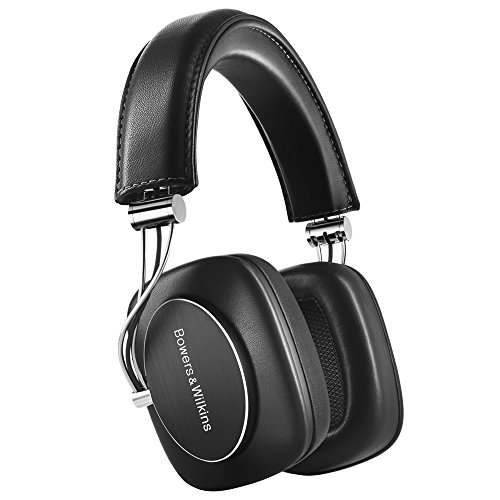
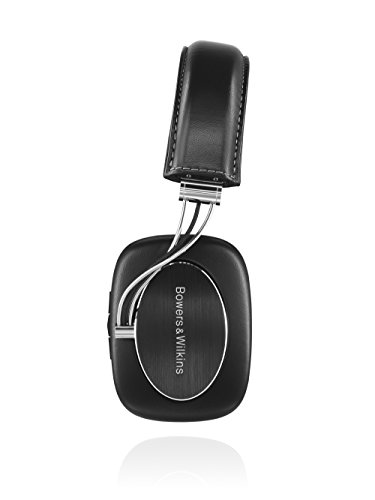
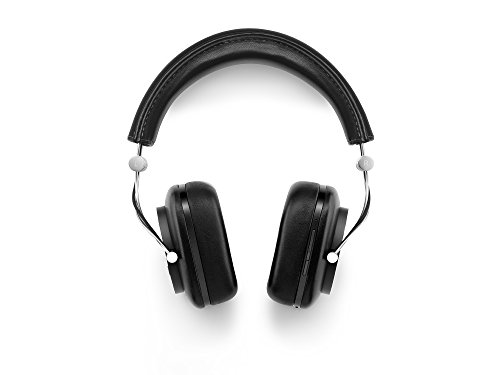
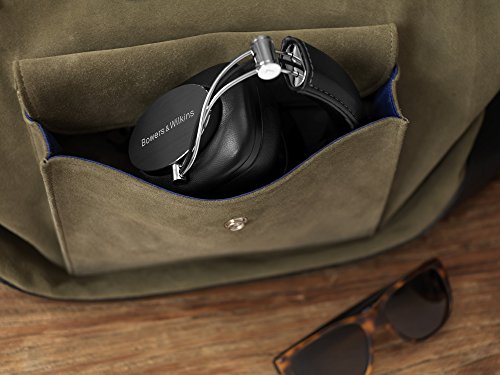
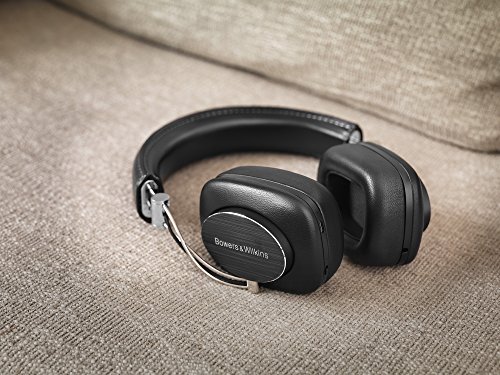
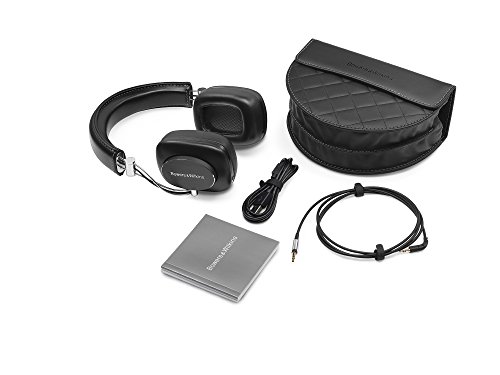
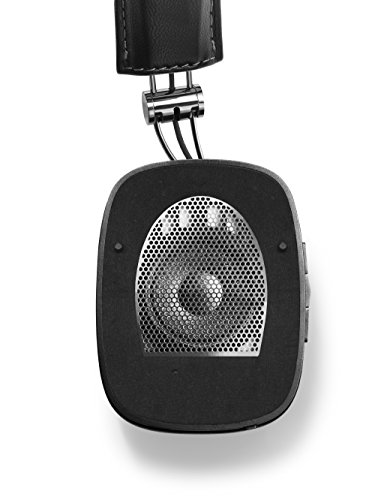
The Bowers & Wilkins P7 Wireless is a premium over-ear headphone featuring 40mm full-range dynamic drivers with a frequency response of 10Hz to 20kHz and a sensitivity of 111dB. Built with luxurious materials like sheepskin leather and brushed aluminum, it offers Bluetooth 4.1 connectivity supporting aptX, AAC, and SBC codecs for high-fidelity wireless audio. Its main characteristics include a foldable industrial design, a signature warm sound profile with punchy bass, and up to 17 hours of battery life. Pros include exceptional build quality, clear vocal reproduction, and the versatility of a detachable 3.5mm cable for passive wired listening. Cons include a lack of active noise cancellation, a weight of 323g that some may find heavy, and a relatively tight clamping force that can cause discomfort during long sessions.

Technical Specifications of Bowers & Wilkins P7 Wireless

Technical Score

What it is: An assessment of the headphones' technical performance, covering key areas such as sound quality, noise cancelling, microphone performance, battery life, comfort, connectivity, features, and build quality.

When it matters: When you want to compare headphones based on technical performance and available features.

Score components:

52.0%

?

Sound

20.0%

?

Features

10.0%

?

Design

8.0%

?

Connectivity

6.0%

?

Battery

4.0%

?

Calls & Controls

4.5
Bowers & Wilkins P7 Wireless has a technical score of 4.53 points, which is lower than that of 70.4% of products in this category.
User score

What it is: A rating that combines user reviews and the total number of reviews received by the headphones.

When it matters: When you want to understand how headphones perform in real listening and how reliable they are in terms of comfort, audio quality, battery life, and long-term use.

Score components:

70.0%

0.0

User reviews

30.0%

1.0

Popularity

?
Popularity
What it is: An indicator based on the number of reviews received by the headphones.
When it matters: When you prefer headphones that have already been chosen and reviewed by many other users.
1.0
Bowers & Wilkins P7 Wireless has a popularity of 1 points, which is lower than 72.7% of products in this category.
Ratio quality/price

What it is: An indicator that combines the headphones' overall rating with their cost.

When it matters: When you are looking for headphones that offer a strong balance of performance, features, and price.

Score components:

60.0%

4.5

Overall score

40.0%

8.7

Price

5.8
Bowers & Wilkins P7 Wireless has a quality-to-price ratio of 5.8 points, which is lower than 88% of products in this category.
Active noise cancellation (ANC)
What it is: Reduces background noise using active technology
When it matters: When blocking office, travel, or aircraft noise is a priority.

Importance: HIGH

no
Bowers & Wilkins P7 Wireless does not support active noise cancellation. 27.4% of headphones support active noise cancellation.
Driver type
What it is: Type of speaker driver technology used
When it matters: When the underlying sound character and driver technology matter to you.

Importance: MEDIUM

dynamic
Driver size
What it is: Diameter of the speaker driver unit
When it matters: When you want extra hardware context behind how the headphones may handle bass weight, scale, or overall presentation.

Importance: MEDIUM

40 mm
Bowers & Wilkins P7 Wireless uses a driver size of 40 mm, larger driver size than 28.2% of headphones and equal to 53.6% of headphones.
Number of drivers
What it is: Total number of speaker drivers per earcup
When it matters: When multi-driver designs are part of your buying criteria.

Importance: LOW

1
Bowers & Wilkins P7 Wireless uses 1 drivers, equal to 96% of headphones.
Lowest frequency
What it is: Lowest audio frequency the headphones can reproduce
When it matters: When deeper bass extension matters for your music or movie listening.

Importance: MEDIUM

Good value: <=10 Hz

10 Hz
Bowers & Wilkins P7 Wireless reaches a lowest frequency of 10 Hz, lower lowest frequency than 67.3% of headphones and equal to 12.5% of headphones.
Show more
Noise-canceling microphone
What it is: Built-in microphone reduces background noise during calls
When it matters: When you take calls in busy spaces and want your voice to stay clearer.

Importance: MEDIUM

yes
Bowers & Wilkins P7 Wireless supports a noise-canceling microphone. 54.5% of headphones support noise-canceling microphones.
Can be used as a headset
What it is: Shows whether the headphones can handle voice chat and calls in addition to normal audio playback.
When it matters: When one pair needs to cover music, calls, meetings, and gaming chat.

Importance: MEDIUM

yes
Bowers & Wilkins P7 Wireless is headset-ready, 84.7% is not. 15.3% of headphones can be used as headsets.
Number of microphones
What it is: Total number of built-in microphones
When it matters: When call pickup quality and beamforming support matter to you.

Importance: LOW

Good value: >=2

2
Bowers & Wilkins P7 Wireless has 2 microphones, more microphones than 78.2% of headphones and equal to 8.8% of headphones.
Boom microphone
What it is: Includes detachable boom microphone for voice clarity
When it matters: When you need stronger voice clarity for gaming, streaming, or work calls.

Importance: LOW

no
Bowers & Wilkins P7 Wireless does not include a boom microphone. 15.6% of headphones have a boom microphone.
Microphone SNR
What it is: Signal-to-noise ratio of the microphone
When it matters: When call clarity matters and you want your voice picked up more cleanly instead of buried in background hiss.

Importance: LOW

Good value: >80 dB

?
Show more
Connectivity
What it is: Available connection methods (wired, wireless, Bluetooth, etc.)
When it matters: When the headphones need to match how you listen across wired and wireless devices.

Importance: HIGH

wireless
Bowers & Wilkins P7 Wireless supports wireless connectivity, more flexible connectivity than 52.6% of headphones and equal to 47.4% of headphones.
supports both wireless and wired connectivity.
Bluetooth version
What it is: Version of Bluetooth technology supported
When it matters: When wireless stability, efficiency, and feature support matter more than treating Bluetooth as a box-check spec.

Importance: MEDIUM

Good value: >=5.0

4.1
Bowers & Wilkins P7 Wireless uses Bluetooth version 4.1, newer Bluetooth version than 62.2% of headphones and equal to 5.3% of headphones.
Maximum Bluetooth range
What it is: Maximum wireless operating distance from source device
When it matters: When you move around rooms and want fewer dropouts from your source device.

Importance: LOW

Good value: >=10 m

10 m
Bowers & Wilkins P7 Wireless offers a Bluetooth range of 10 m, higher Bluetooth range than 2.6% of headphones and equal to 79.9% of headphones.
Audio latency
What it is: Delay between audio and video in wireless mode
When it matters: When you watch video or play games and need sound to stay in sync.

Importance: HIGH

Good value: <60 ms

190 ms
Bowers & Wilkins P7 Wireless has audio latency of 190 ms, higher audio latency than 69.2% of headphones and equal to 1.2% of headphones.
Multipoint support
What it is: Supports simultaneous connections to multiple devices
When it matters: When you switch often between a phone and a laptop during the day.

Importance: MEDIUM

no
Bowers & Wilkins P7 Wireless does not support multipoint. 65.1% of headphones support multipoint.
Show more
Ambient sound mode
What it is: Allows external sounds to pass through for awareness
When it matters: When you need to stay aware of traffic, voices, or announcements.

Importance: MEDIUM

N/A
EQ support
What it is: Allows customization of sound profile via equalizer
When it matters: When the stock tuning is not enough and you want to shape bass, mids, or treble to match your taste.

Importance: MEDIUM

no
Bowers & Wilkins P7 Wireless does not support EQ customization. 23.3% of headphones support EQ.
Companion app
What it is: Dedicated mobile app for customization and updates
When it matters: When software customization, updates, and extra controls matter.

Importance: MEDIUM

no
Bowers & Wilkins P7 Wireless does not work with a companion app. 44.4% of headphones support companion apps.
Adjustable ANC levels
What it is: Allows adjustment of noise cancellation intensity levels
When it matters: When you move between quiet rooms, offices, streets, and public transport and do not want one ANC setting for every situation.

Importance: LOW

Good value: >=4

N/A
Voice assistant support
What it is: Compatible with voice assistants like Siri, Alexa, or Google Assistant
When it matters: When hands-free control is part of your daily routine.

Importance: LOW

yes
Bowers & Wilkins P7 Wireless supports voice assistants. 39.2% of headphones support voice assistants.
Show more
Battery life
What it is: Playback time on a single charge
When it matters: When you commute, travel, or work long shifts and do not want charging breaks to interrupt listening.

Importance: HIGH

Good value: >45 hours

17 hours
Bowers & Wilkins P7 Wireless offers battery life of 17 hours, lower battery life than 76.3% of headphones and equal to 0.8% of headphones.
Battery life with ANC
What it is: Playback time with active noise cancellation enabled
When it matters: When you plan to keep noise cancellation on for most of the day.

Importance: HIGH

Good value: >40 hours

N/A
Charging time
What it is: Time required for a full battery charge
When it matters: When you often need the headphones ready again after short breaks.

Importance: MEDIUM

Good value: <=2 hours

3 hours
Bowers & Wilkins P7 Wireless needs 3 hours to charge, higher charging time than 66% of headphones and equal to 21.3% of headphones.
Quick charge
What it is: Provides quick playback time with short charging period
When it matters: When a short top-up needs to deliver useful playback before you leave.

Importance: MEDIUM

no
Bowers & Wilkins P7 Wireless does not support quick charging. 69.1% of headphones support quick charge.
Battery capacity
What it is: Total energy storage of the internal battery
When it matters: When you are estimating how much battery headroom the design may have before relying only on the official runtime claim.

Importance: MEDIUM

Good value: >=720 mAh

370 mAh
Bowers & Wilkins P7 Wireless has a battery capacity of 370 mAh, lower battery capacity than 79.9% of headphones and equal to 0.3% of headphones.
Show more
Brand name
What it is: The manufacturer or brand of the product.
When it matters: When you prefer a specific ecosystem, support network, or design philosophy.

Importance: MEDIUM

Bowers & Wilkins
Form factor
What it is: Overall design type of the headphones (over-ear, on-ear, in-ear, etc.)
When it matters: When comfort, portability, and isolation depend on the overall headphone style.

Importance: HIGH

over-ear
Weight
What it is: Total weight of the headphones
When it matters: When long listening sessions make wearing comfort more important.

Importance: MEDIUM

Good value: <150 g

323 g
Bowers & Wilkins P7 Wireless weighs 323 g, heavier than 86.5% of headphones and equal to 0.2% of headphones.
Acoustic design
What it is: Type of acoustic design (open-back, closed-back, semi-open)
When it matters: When you need the right balance of isolation, leakage, and soundstage.

Importance: HIGH

closed-back
Clamp force
What it is: Amount of clamping pressure applied to the head
When it matters: When comfort and fit security matter during long sessions.

Importance: MEDIUM

4.9
Bowers & Wilkins P7 Wireless has a clamp force of 4.9, higher clamp force than 59.5% of headphones and equal to 8.8% of headphones.
Show more

Bowers & Wilkins P7 Wireless vs the average headphone

  • More flexible connectivity
    Bowers & Wilkins P7 Wireless offers more flexible connectivity than the average headphone (wireless vs wired). The average headphones support wired connectivity.
    supports both wireless and wired connectivity.
    What it is: Available connection methods (wired, wireless, Bluetooth, etc.)
    When it matters: When the headphones need to match how you listen across wired and wireless devices.

    Importance: HIGH

    Bowers & Wilkins P7 Wireless offers more flexible connectivity than the average headphone (wireless vs wired). The average headphones support wired connectivity.wireless vs wired
  • 9 dB/mW higher sensitivity
    Bowers & Wilkins P7 Wireless has a higher sensitivity than the average headphone (111 dB/mW vs 102 dB/mW). The average headphones have sensitivity of 102 dB/mW.
    What it is: Sound pressure output level per unit of input power
    When it matters: When you plan to use weaker sources like phones, handhelds, or entry-level dongles and still want enough volume.

    Importance: MEDIUM

    Good value: >=106 dB/mW

    Bowers & Wilkins P7 Wireless has a higher sensitivity than the average headphone (111 dB/mW vs 102 dB/mW). The average headphones have sensitivity of 102 dB/mW.111 dB/mW vs 102 dB/mW
  • Clear call microphone
    Bowers & Wilkins P7 Wireless offers a clear call microphone, while the average headphone does not. 45.6% of headphones support noise-canceling microphones.
    What it is: Built-in microphone reduces background noise during calls
    When it matters: When you take calls in busy spaces and want your voice to stay clearer.

    Importance: MEDIUM

    Bowers & Wilkins P7 Wireless offers a clear call microphone, while the average headphone does not. 45.6% of headphones support noise-canceling microphones.
  • 8 Hz lower bass extension
    Bowers & Wilkins P7 Wireless has a lower lowest frequency than the average headphone (10 Hz vs 18 Hz). The average headphones reach a lowest frequency of 18 Hz.
    What it is: Lowest audio frequency the headphones can reproduce
    When it matters: When deeper bass extension matters for your music or movie listening.

    Importance: MEDIUM

    Good value: <=10 Hz

    Bowers & Wilkins P7 Wireless has a lower lowest frequency than the average headphone (10 Hz vs 18 Hz). The average headphones reach a lowest frequency of 18 Hz.10 Hz vs 18 Hz
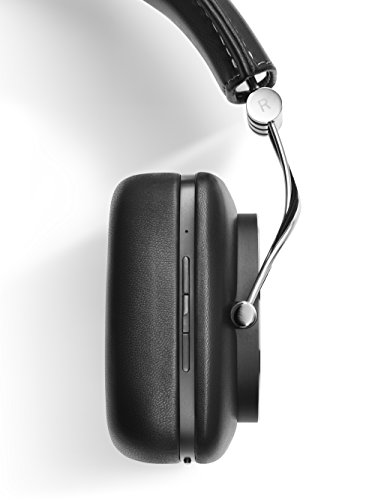
  • On-device controls
    Bowers & Wilkins P7 Wireless includes on-device controls, the average headphone does not. 46.8% of headphones support on-device controls.
    What it is: Physical controls available directly on headphones
    When it matters: When you need playback, volume, or call controls to be easy to reach without pulling out your phone.

    Importance: MEDIUM

    Bowers & Wilkins P7 Wireless includes on-device controls, the average headphone does not. 46.8% of headphones support on-device controls.
  • Wind noise reduction
    Bowers & Wilkins P7 Wireless reduces wind noise, the average headphone does not. 34.1% of headphones support wind noise reduction.
    What it is: Reduces wind interference for clearer outdoor calls
    When it matters: When you take calls outdoors while walking, cycling, or commuting.

    Importance: LOW

    Bowers & Wilkins P7 Wireless reduces wind noise, the average headphone does not. 34.1% of headphones support wind noise reduction.
  • Foldable design
    Bowers & Wilkins P7 Wireless has a foldable design, the average headphone does not. 61% of headphones are foldable.
    What it is: Earcups or headband can fold for compact storage
    When it matters: When you travel often and want easier storage in a bag.

    Importance: LOW

    Bowers & Wilkins P7 Wireless has a foldable design, the average headphone does not. 61% of headphones are foldable.
  • 1 more microphones
    Bowers & Wilkins P7 Wireless has more microphones than the average headphone (2 vs 1). The average headphones have 1 microphones.
    What it is: Total number of built-in microphones
    When it matters: When call pickup quality and beamforming support matter to you.

    Importance: LOW

    Good value: >=2

    Bowers & Wilkins P7 Wireless has more microphones than the average headphone (2 vs 1). The average headphones have 1 microphones.2 vs 1
  • Foldable design
    Bowers & Wilkins P7 Wireless has a foldable design, the average headphone does not. 61% of headphones are foldable.
  • 9 dB/mW higher sensitivity
    Bowers & Wilkins P7 Wireless has a higher sensitivity than the average headphone (111 dB/mW vs 102 dB/mW). The average headphones have sensitivity of 102 dB/mW.
  • 8 Hz lower bass extension
    Bowers & Wilkins P7 Wireless has a lower lowest frequency than the average headphone (10 Hz vs 18 Hz). The average headphones reach a lowest frequency of 18 Hz.
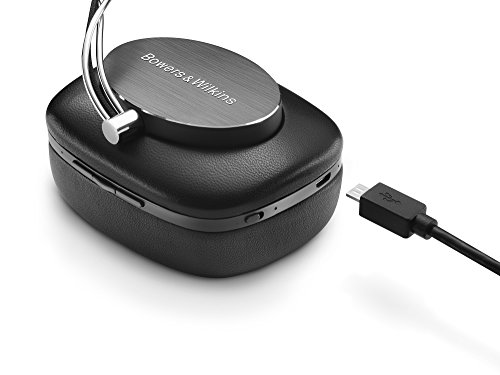
  • Rechargeable battery
    Bowers & Wilkins P7 Wireless has a rechargeable battery, the average headphone does not. 47.9% of headphones have a rechargeable battery.
  • Play while charging
    Bowers & Wilkins P7 Wireless can play while charging, the average headphone cannot. 55.9% of headphones support play while charging.
  • More flexible connectivity
    Bowers & Wilkins P7 Wireless offers more flexible connectivity than the average headphone (wireless vs wired). The average headphones support wired connectivity.
  • Clear call microphone
    Bowers & Wilkins P7 Wireless offers a clear call microphone, while the average headphone does not. 45.6% of headphones support noise-canceling microphones.
  • On-device controls
    Bowers & Wilkins P7 Wireless includes on-device controls, the average headphone does not. 46.8% of headphones support on-device controls.
  • Wind noise reduction
    Bowers & Wilkins P7 Wireless reduces wind noise, the average headphone does not. 34.1% of headphones support wind noise reduction.
  • 1 more microphones
    Bowers & Wilkins P7 Wireless has more microphones than the average headphone (2 vs 1). The average headphones have 1 microphones.
  • Sidetone support
    Bowers & Wilkins P7 Wireless supports sidetone, the average headphone does not. 29.7% of headphones support sidetone.
  • 48.2% higher weight
    Bowers & Wilkins P7 Wireless is heavier than the average headphone (323 g vs 218 g). The average pair of headphones weighs 218 g.
  • 8 mm tighter earcup width
    Bowers & Wilkins P7 Wireless has tighter earcup width than the average headphone (35 mm vs 43 mm). The average headphones offer an inner earcup width of 43 mm.
  • Tangle-prone cable
    Bowers & Wilkins P7 Wireless uses a tangle-prone cable, while the average headphone is easier to manage. 64.2% of headphones use a tangle-free cable.
    no tangle-free listening cable is present or specified.
  • 0.6 higher clamp force
    Bowers & Wilkins P7 Wireless has a higher clamp force than the average headphone (4.9 vs 4.3). The average headphones have a clamp force of 4.3.
  • 4 mm tighter earcup height
    Bowers & Wilkins P7 Wireless has tighter earcup height than the average headphone (56 mm vs 60 mm). The average headphones offer an inner earcup height of 60 mm.
  • 1 hours longer charging time
    Bowers & Wilkins P7 Wireless has a higher charging time than the average headphone (3 hours vs 2 hours). The average headphones need 2 hours to charge.
  • 13 hours shorter battery life
    Bowers & Wilkins P7 Wireless has a lower battery life than the average headphone (17 hours vs 30 hours). The average headphones offer battery life of 30 hours.
  • 38.3% lower battery capacity
    Bowers & Wilkins P7 Wireless has a lower battery capacity than the average headphone (370 mAh vs 600 mAh). The average headphones have a battery capacity of 600 mAh.
  • 62.5 ms higher audio latency
    Bowers & Wilkins P7 Wireless has a higher audio latency than the average headphone (190 ms vs 127.5 ms). The average headphones have audio latency of 127.5 ms.
  • 48.2% higher weight
    Bowers & Wilkins P7 Wireless is heavier than the average headphone (323 g vs 218 g). The average pair of headphones weighs 218 g.
    What it is: Total weight of the headphones
    When it matters: When long listening sessions make wearing comfort more important.

    Importance: MEDIUM

    Good value: <150 g

    Bowers & Wilkins P7 Wireless is heavier than the average headphone (323 g vs 218 g). The average pair of headphones weighs 218 g.323 g vs 218 g
  • 1 hours longer charging time
    Bowers & Wilkins P7 Wireless has a higher charging time than the average headphone (3 hours vs 2 hours). The average headphones need 2 hours to charge.
    What it is: Time required for a full battery charge
    When it matters: When you often need the headphones ready again after short breaks.

    Importance: MEDIUM

    Good value: <=2 hours

    Bowers & Wilkins P7 Wireless has a higher charging time than the average headphone (3 hours vs 2 hours). The average headphones need 2 hours to charge.3 hours vs 2 hours
  • 62.5 ms higher audio latency
    Bowers & Wilkins P7 Wireless has a higher audio latency than the average headphone (190 ms vs 127.5 ms). The average headphones have audio latency of 127.5 ms.
    What it is: Delay between audio and video in wireless mode
    When it matters: When you watch video or play games and need sound to stay in sync.

    Importance: HIGH

    Good value: <60 ms

    Bowers & Wilkins P7 Wireless has a higher audio latency than the average headphone (190 ms vs 127.5 ms). The average headphones have audio latency of 127.5 ms.190 ms vs 127.5 ms
  • 13 hours shorter battery life
    Bowers & Wilkins P7 Wireless has a lower battery life than the average headphone (17 hours vs 30 hours). The average headphones offer battery life of 30 hours.
    What it is: Playback time on a single charge
    When it matters: When you commute, travel, or work long shifts and do not want charging breaks to interrupt listening.

    Importance: HIGH

    Good value: >45 hours

    Bowers & Wilkins P7 Wireless has a lower battery life than the average headphone (17 hours vs 30 hours). The average headphones offer battery life of 30 hours.17 hours vs 30 hours
  • 38.3% lower battery capacity
    Bowers & Wilkins P7 Wireless has a lower battery capacity than the average headphone (370 mAh vs 600 mAh). The average headphones have a battery capacity of 600 mAh.
    What it is: Total energy storage of the internal battery
    When it matters: When you are estimating how much battery headroom the design may have before relying only on the official runtime claim.

    Importance: MEDIUM

    Good value: >=720 mAh

    Bowers & Wilkins P7 Wireless has a lower battery capacity than the average headphone (370 mAh vs 600 mAh). The average headphones have a battery capacity of 600 mAh.370 mAh vs 600 mAh
  • 8 mm tighter earcup width
    Bowers & Wilkins P7 Wireless has tighter earcup width than the average headphone (35 mm vs 43 mm). The average headphones offer an inner earcup width of 43 mm.
    What it is: Internal width of the earcup cavity
    When it matters: When earcup fit affects comfort and pressure around your ears.

    Importance: MEDIUM

    Bowers & Wilkins P7 Wireless has tighter earcup width than the average headphone (35 mm vs 43 mm). The average headphones offer an inner earcup width of 43 mm.35 mm vs 43 mm
  • 3.89x more expensive
    Bowers & Wilkins P7 Wireless is more expensive than the average headphone (£350 vs £90).
    Bowers & Wilkins P7 Wireless is more expensive than the average headphone (£350 vs £90).£350 vs £90
  • 4.65x less popular
    Bowers & Wilkins P7 Wireless is less popular than the average headphone (1.00 vs 4.646).
    What it is: An indicator based on the number of reviews received by the headphones.
    When it matters: When you prefer headphones that have already been chosen and reviewed by many other users.
    Bowers & Wilkins P7 Wireless is less popular than the average headphone (1.00 vs 4.646).1 vs 4.65

Graphic comparison of Bowers & Wilkins P7 Wireless and

Attribute category
Attribute
No results found

Third-party reviews

What customers like about Bowers & Wilkins P7 Wireless?

  • High-fidelity sound quality with exceptional detail, clarity, and depth
  • Powerful, rich, and well-extended bass response
  • Premium build quality using luxurious leather and brushed metal materials
  • Fast and highly reliable Bluetooth connectivity with aptX support
  • Solid 17-hour battery life on a single charge
  • Clever magnetic ear pads that hide the wired backup cable connection
  • Folds down easily into a relatively compact shape for storage

What customers dislike about Bowers & Wilkins P7 Wireless?

  • High price tag, making them a significant financial investment
  • Strong clamp force out of the box that requires a break-in period
  • Lack of active noise cancellation (ANC) features
  • Headband and ear cups can cause discomfort or get hot during long listening sessions
  • The ear cups do not rotate to fold completely flat around the neck
  • Slight audio lag/latency when watching videos over Bluetooth
  • Sound signature is heavily sculpted towards the lower frequencies, which may not appeal to purists seeking a flat, neutral response

Video reviews

Compare Bowers & Wilkins P7 Wireless with

VS
VS

Compare