
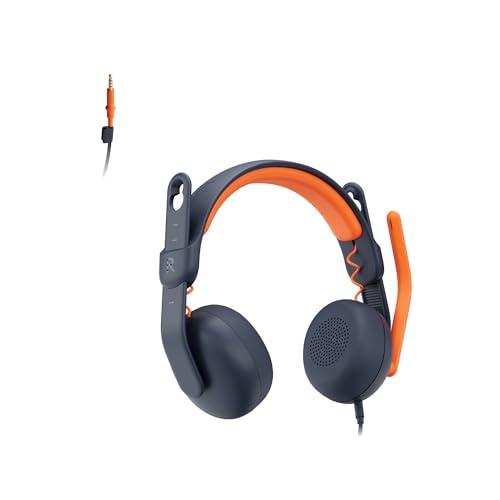
Are Logitech headphones good?
Logitech headphones have an average overall score of 6.5, ranking #23 among all headphone brands, and a user rating of 8.3, placing them at #42 based on user reviews.
Logitech's main strengths in this category are communication-focused design, a practical mix of wired and wireless headset-ready models, and a lineup that is especially useful for office calls, hybrid work, and general everyday use rather than only for music listening.
The main tradeoff is that Logitech is narrower than the biggest mainstream audio brands in pure headphone breadth and premium listening focus. Across the lineup, the brand leans more toward headset-capable work and mixed-use models than toward deep ANC travel specialization or audiophile-style refinement.
Logitech headphones make the most sense for buyers who want a reliable mainstream headset-oriented brand with strong day-to-day usability, especially if voice calls and multi-purpose listening matter as much as music quality.
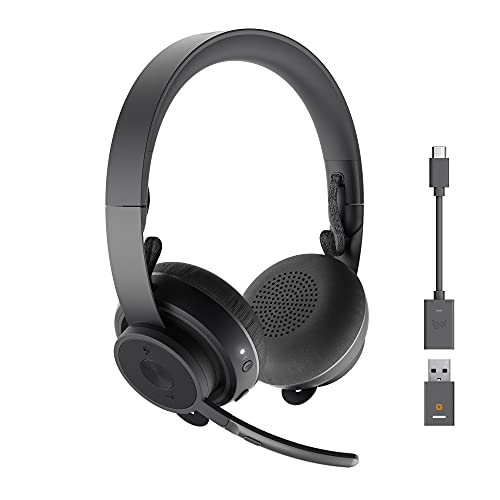
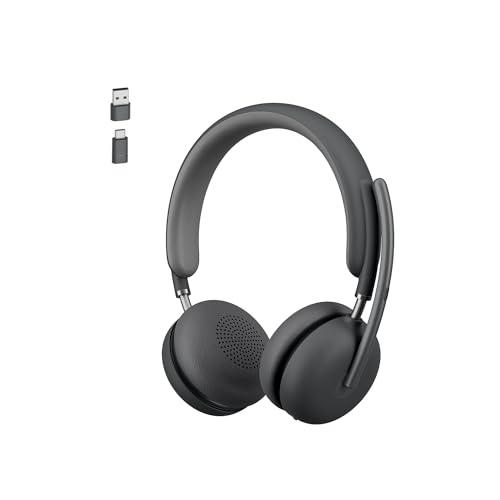
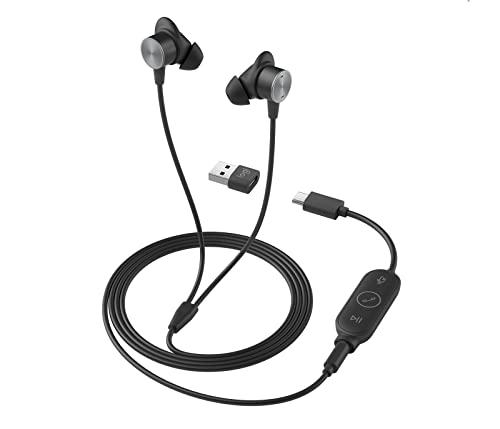
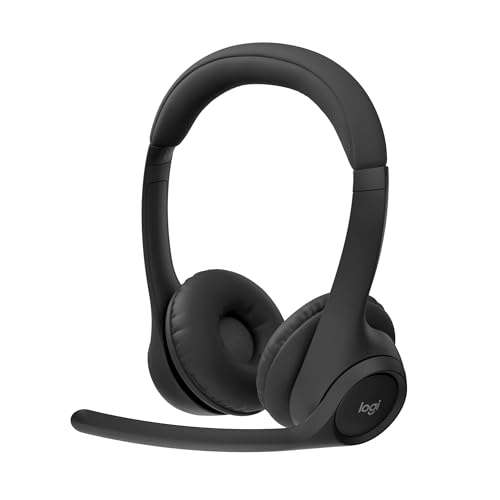
The best Logitech headphones are as follows:
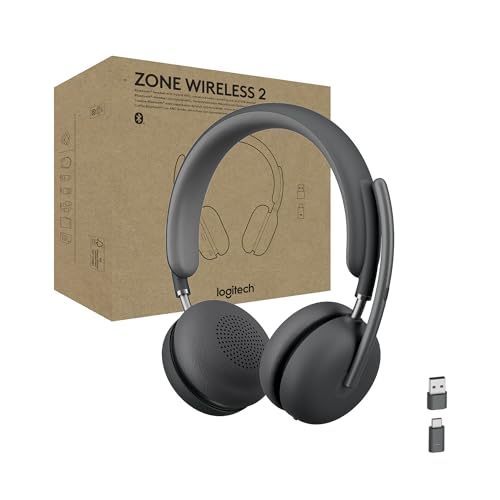
- Logitech Zone Wireless 2 (Overall score: 7.52)
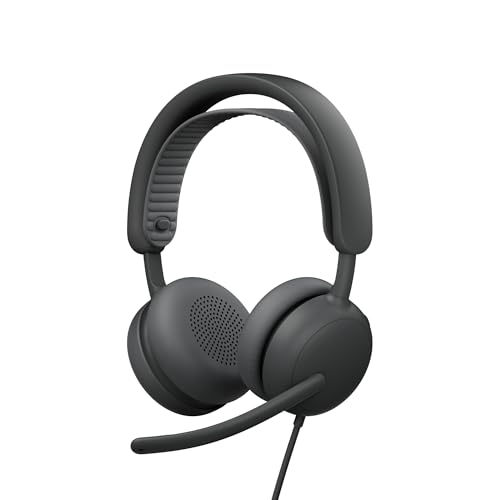
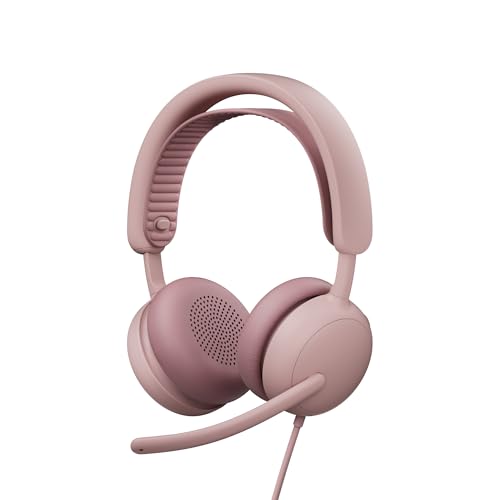
- Logitech Zone Wired 2 (Overall score: 7.52)
- Logitech Zone Wired Earbuds (Overall score: 7.36)
The chart below ranks headphone brands by average overall score and shows where Logitech stands.
[horizontal-chart-07651949361052647855064281883428571797840542035701]
What are the main advantages of Logitech headphones?
The main advantages of Logitech headphones are as follows.
- Strong PC and gaming focus: Logitech is useful if your headphone buying sits around PC gaming, work calls, or desktop communication rather than around pure music listening.
- Reliable microphone features: Boom mics, mute controls, sidetone, and chat-oriented tuning are more central here than on many consumer audio brands.
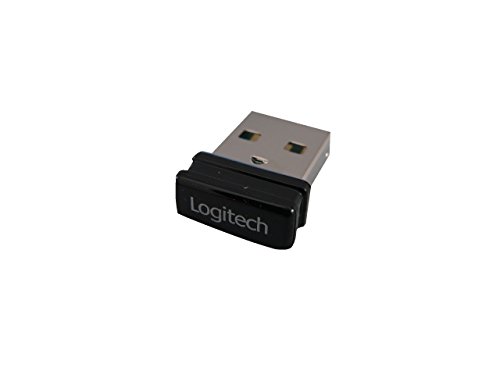
- Low-latency connection options: USB receiver-based wireless and wired headset branches make Logitech practical for gaming and voice use where Bluetooth delay is not acceptable.
- Comfortable headset designs: The better Logitech models are often shaped for long sessions with softer pads and more stable headbands, especially in office and gaming use.
- Useful platform support: The brand usually makes more sense than audio-first brands when the headset needs to move between PC, console, and daily communication duties.

What are the main disadvantages of Logitech headphones?
The main disadvantages of Logitech headphones are as follows.
- Strong PC and gaming focus: Logitech is useful if your headphone buying sits around PC gaming, work calls, or desktop communication rather than around pure music listening.
- Reliable microphone features: Boom mics, mute controls, sidetone, and chat-oriented tuning are more central here than on many consumer audio brands.
- Low-latency connection options: USB receiver-based wireless and wired headset branches make Logitech practical for gaming and voice use where Bluetooth delay is not acceptable.
- Comfortable headset designs: The better Logitech models are often shaped for long sessions with softer pads and more stable headbands, especially in office and gaming use.
- Useful platform support: The brand usually makes more sense than audio-first brands when the headset needs to move between PC, console, and daily communication duties.

Who makes Logitech headphones?
Logitech makes Logitech headphones.
In practice, Logitech is a large peripherals and consumer hardware company whose audio products often sit closest to PC accessories, conferencing gear, gaming ecosystems, and mixed work-from-home use rather than only to traditional hi-fi headphone brands.
What are the main Logitech headphone series?
The main Logitech headphone series are as follows.
- Zone: Zone is Logitech's main work-and-communication line and the best place to start for calls, conferencing, and hybrid-work use. This is the branch that best reflects the brand's present headphone identity, because microphones, comfort for desk use, and simple everyday productivity matter more here than pure audio prestige.
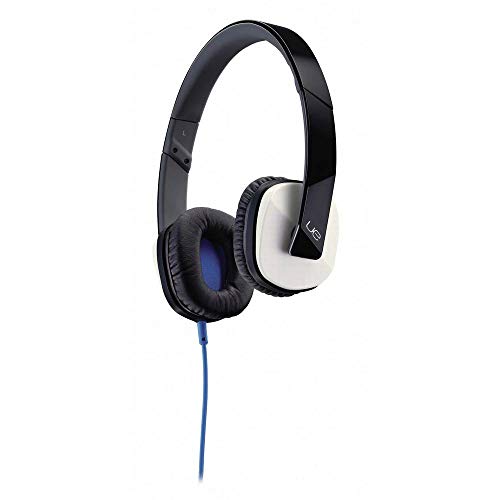
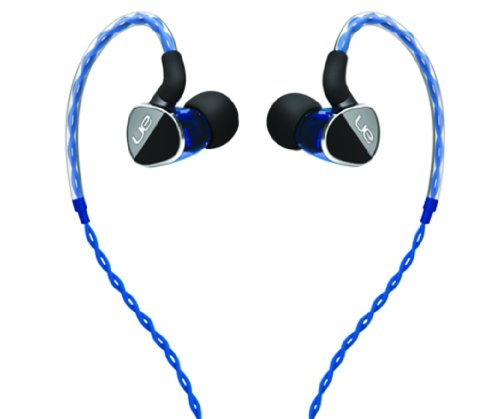
- UE: UE models in this slice represent the older listening-oriented side of Logitech's audio presence. They matter for buyers who want in-ear or more casual-use products that sit outside the brand's newer productivity-first direction.
- Simpler wired branches: Logitech also has basic cable-first products that matter more for straightforward desk use, work calls, or low-friction everyday setup than for premium travel listening. These are practical products rather than the place to look for the brand's strongest full-size consumer-audio identity.
- Portable everyday side models: Some smaller Logitech headphones and earphones sit between casual listening and communications use instead of building one giant modern music-first family. That middle ground is part of why the lineup feels more utility-led than strongly lifestyle-led.
- Overall structure: In practical shopping terms, Logitech makes the most sense when read as productivity-first with a secondary older everyday-listening branch. Buyers looking for a deep pure-audio catalog usually need to understand that this is not the same kind of family ladder offered by Sony, Sennheiser, or Bose.
How much do Logitech headphones cost?
Logitech headphones usually cost about 40-£340, with much of the current range sitting in the 60-£260 band.
The lower end mainly covers simpler wired, in-ear, or entry on-ear options, while the mid-range is where more of the current work-friendly wireless Zone products sit. The upper end is much smaller and reflects a few older higher-priced Logitech models rather than a huge flagship-heavy premium range.
How do Logitech headphones compare with Sony headphones?
Logitech headphones usually compete with Sony by offering more communication- and work-oriented headset value, while Sony models more often lead on premium listening depth, travel ANC maturity, and broader consumer-audio range.
Sony is generally the stronger benchmark if you want richer high-end choice across in-ear, over-ear, and flagship ANC categories. Logitech is usually the better fit if your priority is a practical headset-ready product for calls, hybrid work, and everyday mixed use rather than a pure listening-first headphone lineup.
What should you consider while choosing Logitech headphones?
When you choose Logitech headphones, you should focus on the following key aspects:
- Product family: Start with the series or branch that fits your use. Logitech buying usually splits between office-oriented wireless headsets and gaming-focused G-series products. That divide changes the microphone tuning, control layout, and latency profile before sound quality even becomes the main differentiator.
- Connection type: Check how the headphones connect before you compare anything else. USB receiver wireless, Bluetooth, USB audio, and 3.5 mm analog each appear in different Logitech branches. If the headset needs to move between work laptop, gaming PC, console, and phone, the connection stack is usually the most important spec on the page.
- Microphone system: If calls or chat matter, treat the microphone as a core spec. Logitech is often bought for voice use, so boom placement, mute behavior, sidetone, and background-noise reduction deserve as much attention as the speaker drivers. A model that sounds good for music can still be the wrong choice if the mic path is weak.
- Battery life: Check the real battery figure for your kind of use, not just the best-case claim. Wireless office models often aim for lighter weight and long endurance, while gaming branches may trade some runtime for fuller cups, stronger wireless stability, or added lighting. Expect meaningful spreads from roughly 20 hours into much longer office-headset territory.
- Platform fit: Make sure the model fits the devices you actually use. Logitech is strongest around PC desks, work calls, and gaming setups. If your use is mainly music-first, travel-first, or enthusiast home listening, the brand usually loses ground to broader audio specialists.