
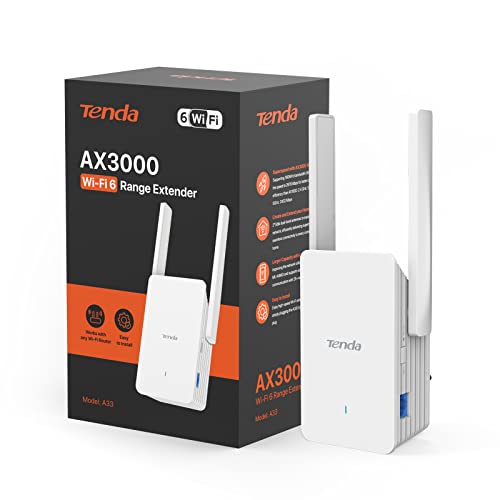
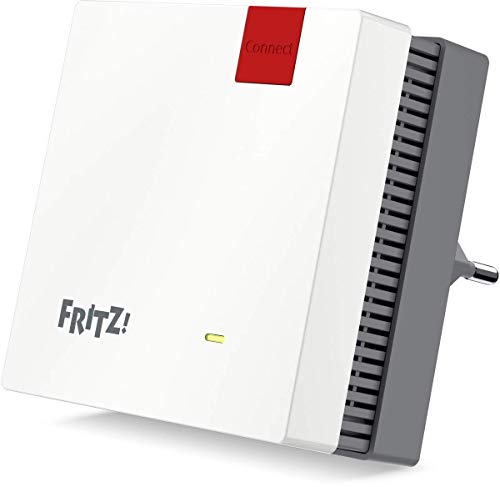
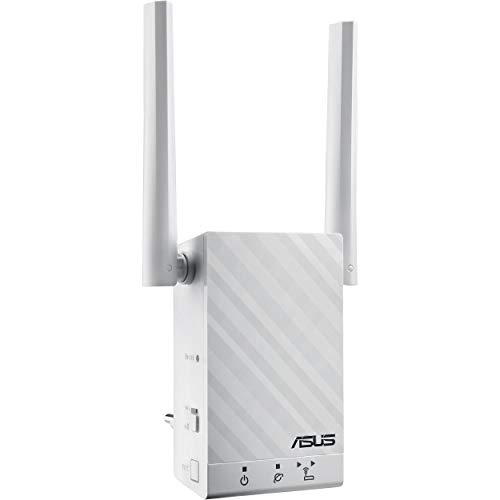
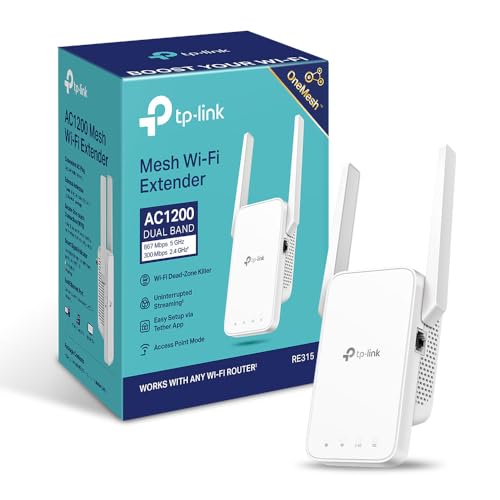
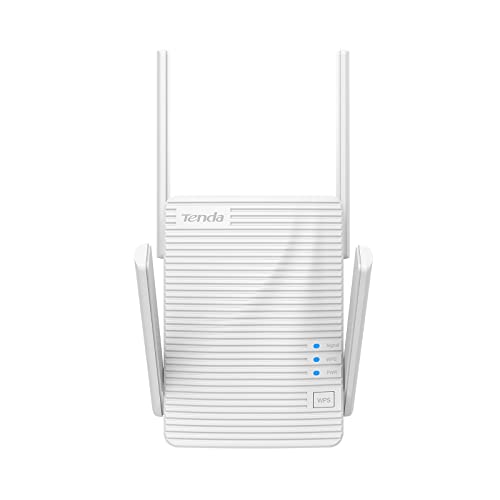
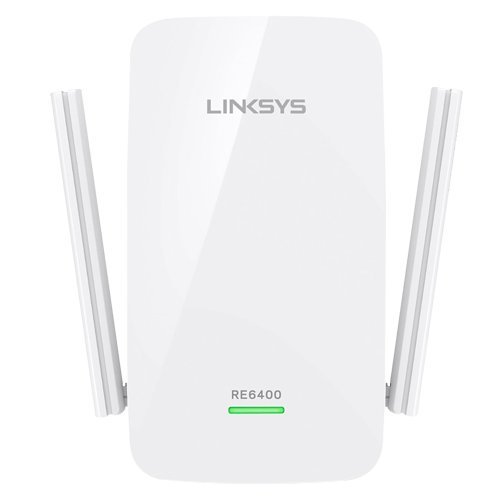
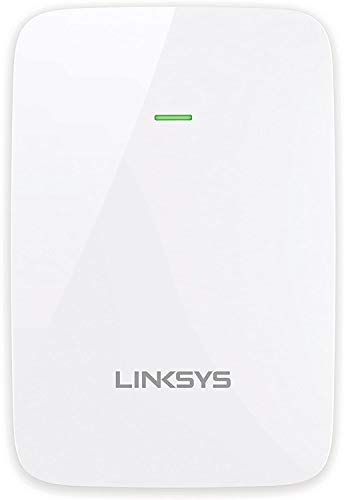
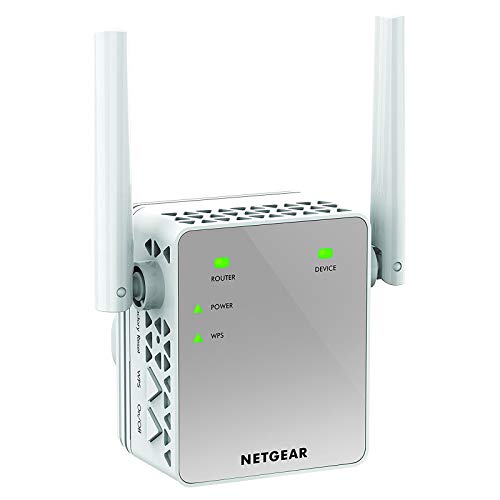
What makes a Wi-Fi extender suitable for camping?
A Wi-Fi extender is suitable for camping when it is small, easy to carry, and simple to run from the kind of power and space limits that travel setups usually have.
Camping use rewards compact hardware much more than oversized desktop extenders that expect a fixed shelf, a strong wall outlet position, and a permanent home-style placement. Setup simplicity matters just as much, because temporary networks are usually more awkward than home ones.
The best camping extenders are the ones that improve a weak hotspot, campsite router, or cabin connection cleanly enough for ordinary online use without turning the setup into a larger networking project.
How portable are Wi-Fi extenders for camping?
Wi-Fi extenders for camping should be as portable as possible.
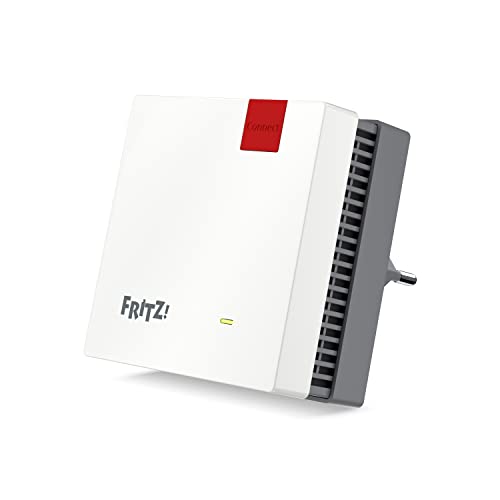
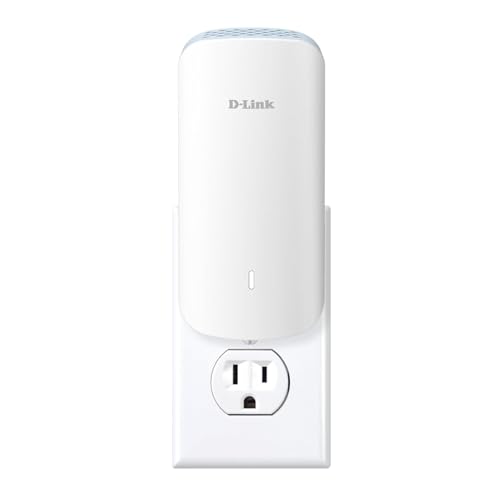
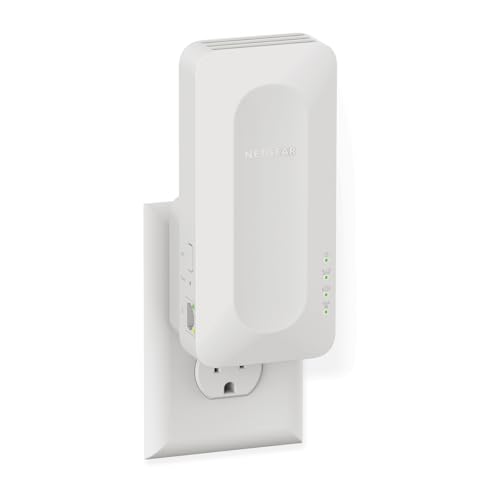
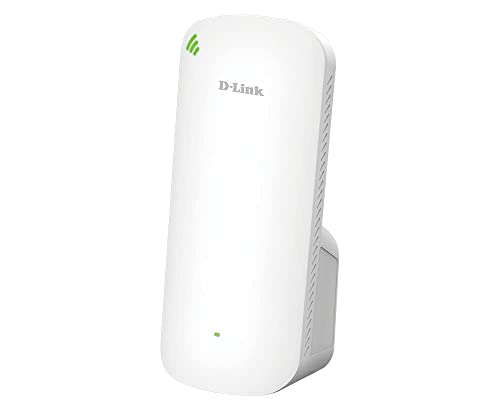
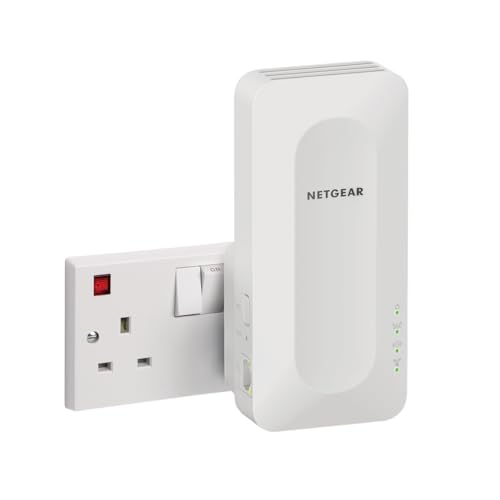
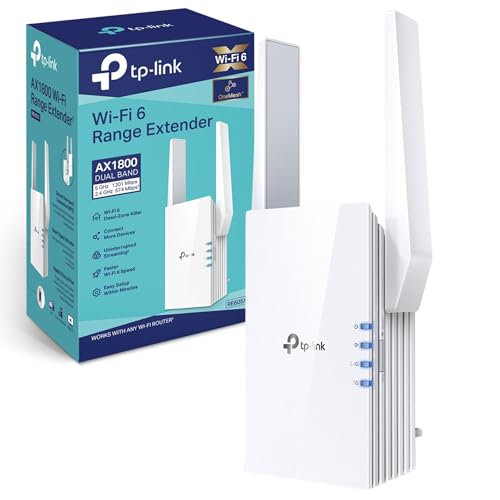
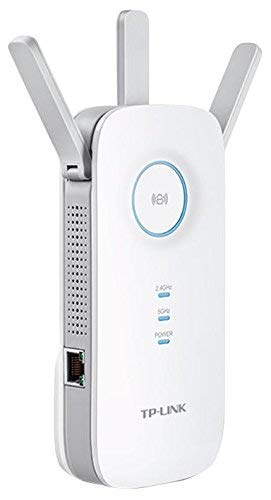
A small plug-in unit or another light compact design is usually easier to live with than a heavier desktop extender with separate antennas and cables. Portability is not only about size, but also about how easily the extender fits into a bag, how much extra power hardware it needs, and how quickly it can be deployed in a temporary spot.
A slightly slower extender that is genuinely easy to carry can be more useful for camping than a faster model that feels inconvenient every time you move.
How much do Wi-Fi extenders for camping cost?
Wi-Fi extenders for camping usually cost between £20 and £70.
Most people will be fine with a small budget or mid-range model, because camping use is usually more about portability and quick setup than about high-end networking hardware. At the lower end, you are usually looking at simple 300 or 750 Mbps-class units that are fine for messaging, light browsing, and basic streaming. Spend more, and you may get AC1200-class hardware, better portability features, or an easier fit for dual use at home and on the road.
The following chart shows camping-friendly Wi-Fi extender prices.
[vertical-chart-00209574153489526408179100776169324811170079795835]
How fast are Wi-Fi extenders for camping in real use?
Wi-Fi extenders for camping are usually small 300, 750, or 1200-class models, and in real use they often only need to support something like 10-100 Mbps to feel perfectly adequate. In this kind of setup, the internet source itself is often the real bottleneck long before the extender hardware is.
That means the practical target is a stable connection for browsing, messaging, calls, light work, and moderate streaming around the place where you actually sit or sleep. For camping use, consistency in a small area matters much more than trying to chase a headline speed number.
What compatibility should you check on a Wi-Fi extender for camping?
The compatibility checks that matter most on a Wi-Fi extender for camping are as follows:
- Power setup: Check whether the extender can be powered cleanly in the temporary space you actually use.
- Physical size: A camping-friendly extender should fit easily into a travel bag and into the available outlet or surface space.
- Router flexibility: Make sure the extender can work with the kind of temporary source you really expect, such as a campsite router, cabin network, or travel hotspot.
- Setup simplicity: WPS, app pairing, and web setup should be straightforward enough to repeat on the move.
- Placement freedom: Check whether the extender needs a wall outlet, a desk, or a more fixed position.
- Real expectations: Make sure the extender matches a realistic camping goal such as improving one small area or one weak corner.