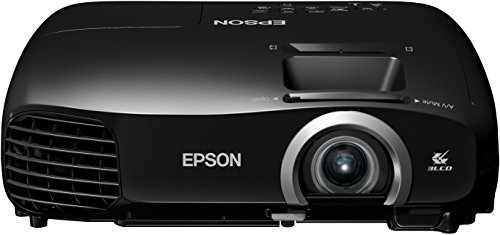
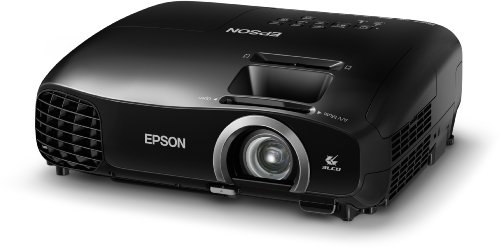
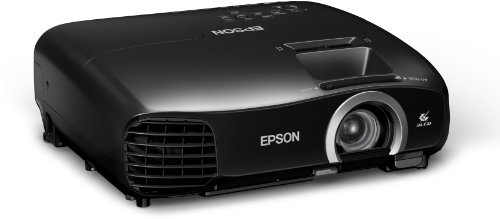
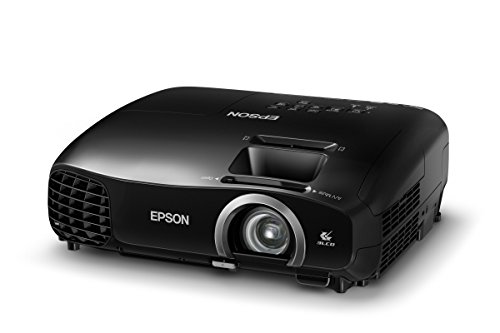
Epson PowerLite Home Cinema 2030 Review | 85 Data compared

double-arrow
  • Avg. price in UK: ~£790
  • Avg. price in US: ~$1,000
  • ANSI lumens: 2000
  • Native panel resolution: 1920x1080
  • Throw ratio: 1.22-1.47:1

Epson PowerLite Home Cinema 2030 review. Compare 85 technical specifications and user reviews to see how it ranks among projectors and if it is worth buying.

5.3

Overall score

What it is: An overall evaluation of the projector's quality, based on technical analyses and user reviews.

When it matters: When you need a quick reference to identify the best projectors on the market.

Score components:

90.0%

5.1

Technical Score

10.0%

7.6

User score

Good
5.1

Technical Score

What it is: An assessment of the projector's technical performance, covering eight key areas: image quality, brightness, contrast, connectivity, gaming features, smart features, audio, and design.

When it matters: When you want to compare projectors based on technical performance and available features.

Score components:

42.0%

6.2

Image Quality

22.0%

4.9

Projection & Lens

12.0%

4.0

HDMI & Gaming

10.0%

4.4

Audio & Features

8.0%

3.5

Connectivity

6.0%

3.5

Design & Power

Good
7.6

User score

What it is: A rating that combines user reviews and the total number of reviews received by the projector.

When it matters: When you want to know how a projector performs in real use and how reliable it remains over time according to user feedback.

Score components:

70.0%

8.2

User reviews

30.0%

6.4

Popularity

User score:
United Kingdom
amazon
4.1
(87)

(Reviews last updated: June 2026)

Very good
  • 5.7
    Gaming

    Score components:

    35.0%

    7.3

    Input lag

    25.0%

    4.8

    Refresh rate

    20.0%

    8.6

    Output Resolution

    10.0%

    1.0

    HDR10 support

    10.0%

    1.0

    Audio output power

  • 5.2
    Portable

    Score components:

    35.0%

    8.9

    Weight

    20.0%

    ?

    Has A Built-In Speaker

    15.0%

    1.0

    Bluetooth connectivity

    15.0%

    1.0

    Wi-Fi connectivity

    15.0%

    1.0

    Smart TV features

  • 4.1
    Home theatre

    Score components:

    30.0%

    8.6

    Output Resolution

    25.0%

    1.0

    HDR10 support

    20.0%

    1.0

    Dolby Vision support

    15.0%

    5.6

    ANSI lumens

    10.0%

    2.4

    Audible noise

  • epson-powerlite-home-cinema-2030
  • epson-powerlite-home-cinema-2030
  • epson-powerlite-home-cinema-2030
  • epson-powerlite-home-cinema-2030
  • epson-powerlite-home-cinema-2030
  • epson-powerlite-home-cinema-2030
  • epson-powerlite-home-cinema-2030
  • epson-powerlite-home-cinema-2030
  • epson-powerlite-home-cinema-2030
epson-powerlite-home-cinema-2030

Best prices in UK

Best rankings

?

Available: ranking among products currently available (including other versions of this product).
All: ranking among all products in the database.

Verdict

The Epson PowerLite Home Cinema 2030 is a versatile 3LCD projector featuring native 1080p resolution and a brightness of 2,000 lumens for both color and white light. It delivers vibrant, high-definition images up to 300 inches and supports full 3D content alongside MHL connectivity for easy streaming via smartphones or tablets. Key advantages include its impressive out-of-the-box color accuracy, a long lamp life of up to 6,000 hours in Eco mode, and the elimination of 'rainbow effect' artifacts common in DLP models. However, it lacks manual lens shift for easier placement and exhibits relatively weak black levels and mediocre contrast compared to high-end home theater models.

Technical Specifications of Epson PowerLite Home Cinema 2030

Technical Score

What it is: An assessment of the projector's technical performance, covering eight key areas: image quality, brightness, contrast, connectivity, gaming features, smart features, audio, and design.

When it matters: When you want to compare projectors based on technical performance and available features.

Score components:

42.0%

6.2

Image Quality

22.0%

4.9

Projection & Lens

12.0%

4.0

HDMI & Gaming

10.0%

4.4

Audio & Features

8.0%

3.5

Connectivity

6.0%

3.5

Design & Power

5.1
Epson PowerLite Home Cinema 2030 has a technical score of 5.08 points, which is lower than 80.5% of projectors.
User score

What it is: A rating that combines user reviews and the total number of reviews received by the projector.

When it matters: When you want to know how a projector performs in real use and how reliable it remains over time according to user feedback.

Score components:

70.0%

8.2

User reviews

30.0%

6.4

Popularity

User score:
United Kingdom
amazon
4.1
(87)

(Reviews last updated: June 2026)

7.6
Epson PowerLite Home Cinema 2030 has a user score of 7.65 points, which is lower than 67.5% of projectors.
Popularity
What it is: An indicator based on the number of reviews received by the projector.
When it matters: When you prefer to buy a product chosen and reviewed by many other consumers.
6.4
Epson PowerLite Home Cinema 2030 has a popularity of 6.4 points, which is higher than 74.3% of products in this category.
Ratio quality/price

What it is: An indicator that combines the projector's overall rating with its cost.

When it matters: When you are looking for a projector with a good balance between quality and price.

Score components:

60.0%

5.3

Overall score

40.0%

6.3

Price

5.6
Epson PowerLite Home Cinema 2030 has a quality-to-price ratio of 5.6 points, which is lower than 66.7% of products in this category.
ANSI lumens
What it is: Brightness output measured in ANSI lumens.
When it matters: When you watch with ambient light or on a large screen, higher brightness matters.

Importance: HIGH

2000
Epson PowerLite Home Cinema 2030 reaches 2000 ANSI lumens, dimmer than 54.5% of projectors and equal to 5.2% of projectors.
Contrast ratio
What it is: Ratio of brightest white to darkest black displayed by the projector.
When it matters: When you watch movies in a dark room, stronger contrast matters.

Importance: HIGH

15,000:1
Epson PowerLite Home Cinema 2030 has a contrast ratio of 15000:1, higher than 55.1% of projectors and equal to 2.3% of projectors.
Dynamic contrast ratio.
Native panel resolution
What it is: Native resolution of the display panel or imaging device.
When it matters: When picture sharpness matters enough that you want to know the projector's true native imaging resolution, not just supported input formats.

Importance: HIGH

1920x1080
Epson PowerLite Home Cinema 2030 uses a native resolution of 1920x1080, higher than 26.2% of projectors and equal to 60.1% of projectors.
Output Resolution
What it is: The resolution the projector can actually display through its imaging system.
When it matters: When you want to know the actual image detail the projector can put on screen rather than just the source format it accepts.

Importance: HIGH

1920x1080
Epson PowerLite Home Cinema 2030 supports output resolution up to 1920x1080, higher than 24.9% of projectors and equal to 41% of projectors.
Projection technology
What it is: Projection imaging technology used by the projector.
When it matters: When color character, contrast behavior, and overall image personality matter before you compare brightness alone.

Importance: MEDIUM

3LCD
Show more
Throw ratio
What it is: Ratio between projection distance and image width.
When it matters: When room size and screen size have to match properly instead of guessing whether the projector will fit the space.

Importance: MEDIUM

1.22-1.47:1
Min throw distance
What it is: Minimum distance required between projector and screen.
When it matters: When room depth is limited and you still need a large image from a short placement distance.

Importance: MEDIUM

0.84 m
Epson PowerLite Home Cinema 2030 needs a minimum throw distance of 0.84 m, shorter than 68.5% of projectors and equal to 0.6% of projectors.
Max projection size
What it is: Maximum supported image size for projection, measured diagonally.
When it matters: When you want a cinema-size picture, maximum projection size matters.

Importance: MEDIUM

328 inch
Epson PowerLite Home Cinema 2030 supports projection sizes up to 328 inch, larger than 95% of projectors and equal to 0.1% of projectors.
Zoom ratio
What it is: Optical zoom capability expressed as a ratio.
When it matters: When projector placement is not ideal and you need optical zoom to frame the image correctly.

Importance: MEDIUM

1.2
Epson PowerLite Home Cinema 2030 offers a zoom ratio of 1.2, narrower than 63.1% of projectors and equal to 22.1% of projectors.
Motorized zoom
What it is: Motorized control of the optical zoom function.
When it matters: When the projector position is fixed but screen size or framing still needs to be adjusted from a distance.

Importance: LOW

no
Epson PowerLite Home Cinema 2030 does not have motorized zoom. 16.3% of projectors have motorized zoom.
Show more
Input lag
What it is: Time delay between input signal and displayed image, measured in milliseconds.
When it matters: When gaming responsiveness matters and you want controls to feel more immediate on fast titles.

Importance: MEDIUM

34 ms
Epson PowerLite Home Cinema 2030 has input lag of 34 ms, higher than 57.9% of projectors and equal to 1.5% of projectors.
In Fast Mode.
Auto low latency mode (ALLM)
What it is: Automatically reduces input lag when gaming.
When it matters: When you play fast games, lower latency matters.

Importance: LOW

no
Epson PowerLite Home Cinema 2030 does not support ALLM. 20.3% of projectors support ALLM.
Variable refresh rate (VRR)
What it is: Support for variable refresh rate to reduce screen tearing.
When it matters: When gaming matters and you want the projector to handle variable frame rates with less tearing or stutter.

Importance: LOW

no
Epson PowerLite Home Cinema 2030 does not support VRR. 1.9% of projectors support VRR.
HDMI version
What it is: Version of the HDMI standard supported.
When it matters: When source devices push newer HDMI features, refresh rates, or bandwidth levels that older ports may limit.

Importance: LOW

1.4
Epson PowerLite Home Cinema 2030 supports HDMI 1.4, older than 54.6% of projectors and equal to 34.1% of projectors.
Max HDMI bandwidth
What it is: Maximum bandwidth supported by HDMI inputs, measured in Gbps.
When it matters: When newer consoles, gaming PCs, or media boxes need more HDMI throughput than older projectors can handle.

Importance: LOW

10.2 Gbps
Epson PowerLite Home Cinema 2030 supports HDMI bandwidth up to 10.2 Gbps, lower than 52.1% of projectors and equal to 45.4% of projectors.
Show more
N. of HDMI ports
What it is: Number of available HDMI input ports.
When it matters: When you need a console, streamer, set-top box, and another source connected at the same time without swapping cables.

Importance: LOW

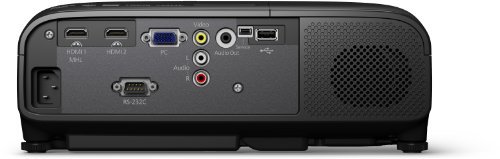
2
Epson PowerLite Home Cinema 2030 has 2 HDMI port/s, more than 45.5% of projectors and equal to 47% of projectors.
Wi-Fi connectivity
What it is: Support for Wi-Fi network connectivity.
When it matters: When the projector should handle network features, updates, or streaming functions without needing wired Ethernet only.

Importance: LOW

no
Epson PowerLite Home Cinema 2030 does not support Wi-Fi. 52.7% of projectors support Wi-Fi.
Wi-Fi version
What it is: Supported Wi-Fi standard version.
When it matters: When wireless stability and throughput matter for streaming, updates, or projector ecosystem features.

Importance: LOW

N/A
Bluetooth connectivity
What it is: Support for Bluetooth wireless connectivity.
When it matters: When you plan to pair wireless speakers, headphones, remotes, or other accessories directly with the projector.

Importance: LOW

no
Epson PowerLite Home Cinema 2030 does not support Bluetooth. 50% of projectors support Bluetooth.
Bluetooth version
What it is: Supported Bluetooth version.
When it matters: When wireless accessory compatibility and connection quality matter beyond Bluetooth being a simple checkbox.

Importance: LOW

N/A
Show more
Smart TV features
What it is: Includes built-in Smart TV functions or operating system.
When it matters: When you prefer built-in apps and streaming convenience instead of adding an external media stick or box.

Importance: LOW

no
Epson PowerLite Home Cinema 2030 does not have smart TV features. 43.8% of projectors have smart TV features.
Operating system
What it is: The built-in software platform that runs the projector interface, streaming apps, and smart features.
When it matters: When you care about which apps are available, how modern the smart interface feels, and whether the projector includes a built-in streaming platform.

Importance: LOW

none
Android OS

Importance: MEDIUM

no
Dedicated smartphone app
What it is: Availability of a dedicated smartphone control app.
When it matters: When you want setup, input switching, or basic control handled from your phone without always reaching for a remote.

Importance: LOW

yes
Epson PowerLite Home Cinema 2030 comes with a dedicated smartphone app. 64.5% of projectors come with a dedicated smartphone app.
Epson iProjection app.
Remote control
What it is: Comes with a dedicated remote control for operation.
When it matters: When you want easier everyday control without extra gear, built-in convenience features matter.

Importance: LOW

yes
Epson PowerLite Home Cinema 2030 includes a remote control. 1.6% of projectors include a remote control.
Show more
Light source type
What it is: Type of light source used by the projector.
When it matters: When maintenance expectations, startup behavior, brightness stability, and long-term running costs all matter in the buying decision.

Importance: LOW

lamp
Epson PowerLite Home Cinema 2030 uses lamp light source technology, less advanced than 67.1% of projectors and equal to 33% of projectors.
Laser Light Source
What it is: Whether the projector uses a laser light source instead of a traditional lamp.
When it matters: When lower maintenance, faster startup, and a lamp-free light engine matter over the long term.

Importance: LOW

no
Epson PowerLite Home Cinema 2030 does not use a laser light source. 28.1% of projectors use a laser light source.
Lamp life
What it is: Expected operational lifespan of the lamp in standard mode, measured in hours.
When it matters: When you care about running costs and maintenance intervals, light-source lifespan matters.

Importance: LOW

5,000 hours
Epson PowerLite Home Cinema 2030 offers lamp life of 5000 hours, longer than 70.3% of projectors and equal to 3.6% of projectors.
Lamp life (eco mode)
What it is: Expected operational lifespan of the lamp in eco mode, measured in hours.
When it matters: When you care about running costs and maintenance intervals, light-source lifespan matters.

Importance: LOW

6,000 hours
Epson PowerLite Home Cinema 2030 offers eco-mode lamp life of 6000 hours, longer than 79.5% of projectors and equal to 7% of projectors.
Operating power consumption
What it is: Average power consumption during normal operation.
When it matters: When electricity use and heat output matter because the projector runs for long sessions or frequent daily use.

Importance: LOW

283 W
Epson PowerLite Home Cinema 2030 uses 283 W of power, more than 61.9% of projectors and equal to 1.1% of projectors.
Normal mode power draw.
Show more

Epson PowerLite Home Cinema 2030 vs the average projector

  • 78 inch larger image size
    Epson PowerLite Home Cinema 2030 has a higher projection size than the average projector (328 inch vs 250 inch). The average projector has 250 inch of projection size.
    What it is: Maximum supported image size for projection, measured diagonally.
    When it matters: When you want a cinema-size picture, maximum projection size matters.

    Importance: MEDIUM

    Epson PowerLite Home Cinema 2030 has a higher projection size than the average projector (328 inch vs 250 inch). The average projector has 250 inch of projection size.328 inch vs 250 inch
  • Smartphone app support
    Epson PowerLite Home Cinema 2030 supports smartphone app control, while the average projector does not. 35.6% of projectors support smartphone app control.
    Epson iProjection app.
    What it is: Availability of a dedicated smartphone control app.
    When it matters: When you want setup, input switching, or basic control handled from your phone without always reaching for a remote.

    Importance: LOW

    Epson PowerLite Home Cinema 2030 supports smartphone app control, while the average projector does not. 35.6% of projectors support smartphone app control.
  • 1 more audio input ports
    Epson PowerLite Home Cinema 2030 has more audio input ports than the average projector (1 vs 0). The average projector has 0 audio input ports.
    What it is: Number of analog audio input ports available.
    When it matters: When you connect several devices at the same time, port count matters.

    Importance: LOW

    Epson PowerLite Home Cinema 2030 has more audio input ports than the average projector (1 vs 0). The average projector has 0 audio input ports.1 vs 0
  • 0.22 m shorter throw distance
    Epson PowerLite Home Cinema 2030 has a lower throw distance than the average projector (0.8 m vs 1.06 m). The average projector has 1.06 m of throw distance.
    What it is: Minimum distance required between projector and screen.
    When it matters: When room depth is limited and you still need a large image from a short placement distance.

    Importance: MEDIUM

    Epson PowerLite Home Cinema 2030 has a lower throw distance than the average projector (0.8 m vs 1.06 m). The average projector has 1.06 m of throw distance.0.84 m vs 1.06 m
  • Higher contrast ratio
    Epson PowerLite Home Cinema 2030 has a higher contrast ratio than the average projector (15000:1 vs 10000:1). The average projector has 10000:1 of contrast ratio.
    Dynamic contrast ratio.
    What it is: Ratio of brightest white to darkest black displayed by the projector.
    When it matters: When you watch movies in a dark room, stronger contrast matters.

    Importance: HIGH

    Epson PowerLite Home Cinema 2030 has a higher contrast ratio than the average projector (15000:1 vs 10000:1). The average projector has 10000:1 of contrast ratio.15,000:1 vs 10,000:1
  • Includes memory card slot
    Epson PowerLite Home Cinema 2030 includes an external memory slot, while the average projector does not. 34.9% of projectors include an external memory slot.
    What it is: Slot for external memory devices such as USB drives or SD cards.
    When it matters: When you want to play stored media directly from removable storage instead of always connecting another playback device.

    Importance: LOW

    Epson PowerLite Home Cinema 2030 includes an external memory slot, while the average projector does not. 34.9% of projectors include an external memory slot.
  • Includes VGA
    Epson PowerLite Home Cinema 2030 includes VGA input, while the average projector does not. 43.1% of projectors include VGA input.
    What it is: Presence of a VGA connector for analog video input.
    When it matters: When older laptops, PCs, or legacy AV hardware still need an analog video input path.

    Importance: LOW

    Epson PowerLite Home Cinema 2030 includes VGA input, while the average projector does not. 43.1% of projectors include VGA input.
  • 0.14 W lower standby power
    Epson PowerLite Home Cinema 2030 uses less standby power than the average projector (0.4 W vs 0.5 W). The average projector uses 0.5 W of standby power.
    What it is: Power consumption while in standby mode.
    When it matters: When the projector spends lots of time idle and you still care about background power draw.

    Importance: LOW

    Epson PowerLite Home Cinema 2030 uses less standby power than the average projector (0.4 W vs 0.5 W). The average projector uses 0.5 W of standby power.0.36 W vs 0.5 W
  • Higher contrast ratio
    Epson PowerLite Home Cinema 2030 has a higher contrast ratio than the average projector (15000:1 vs 10000:1). The average projector has 10000:1 of contrast ratio.
  • 78 inch larger image size
    Epson PowerLite Home Cinema 2030 has a higher projection size than the average projector (328 inch vs 250 inch). The average projector has 250 inch of projection size.
  • 0.22 m shorter throw distance
    Epson PowerLite Home Cinema 2030 has a lower throw distance than the average projector (0.8 m vs 1.06 m). The average projector has 1.06 m of throw distance.
  • Includes memory card slot
    Epson PowerLite Home Cinema 2030 includes an external memory slot, while the average projector does not. 34.9% of projectors include an external memory slot.
  • Includes VGA
    Epson PowerLite Home Cinema 2030 includes VGA input, while the average projector does not. 43.1% of projectors include VGA input.
  • Smartphone app support
    Epson PowerLite Home Cinema 2030 supports smartphone app control, while the average projector does not. 35.6% of projectors support smartphone app control.
  • 1 more audio input ports
    Epson PowerLite Home Cinema 2030 has more audio input ports than the average projector (1 vs 0). The average projector has 0 audio input ports.
  • 0.14 W lower standby power
    Epson PowerLite Home Cinema 2030 uses less standby power than the average projector (0.4 W vs 0.5 W). The average projector uses 0.5 W of standby power.
  • No HDR10 support
    Epson PowerLite Home Cinema 2030 does not support HDR10, while the average projector does. 56.3% of projectors support HDR10.
  • 9.1% dimmer image
    Epson PowerLite Home Cinema 2030 has lower ANSI lumens than the average projector (2,000 vs 2,200). The average projector has 2,200 ANSI lumens.
  • 0.1 2x narrower zoom range
    Epson PowerLite Home Cinema 2030 has a lower zoom ratio than the average projector (1.2 vs 1.3). The average projector has 1.3 of zoom ratio.
  • Limited HDMI format
    Epson PowerLite Home Cinema 2030 supports a less capable max HDMI input format than the average projector (1080p/60Hz vs 4K/120Hz). The average projector supports a max HDMI input format of 4K/120Hz.
  • 43.3% lower HDMI bandwidth
    Epson PowerLite Home Cinema 2030 has a lower HDMI bandwidth than the average projector (10.2 Gbps vs 18 Gbps). The average projector has 18 Gbps of HDMI bandwidth.
  • Older HDMI version
    Epson PowerLite Home Cinema 2030 has Old HDMI standard than the average projector (1.4 vs 2.0). The average projector supports HDMI 2.0.
  • Old HDCP version
    Epson PowerLite Home Cinema 2030 has Old HDCP version than the average projector (1.4 vs 2.2). The average projector supports HDCP 2.2.
  • 7 ms higher input lag
    Epson PowerLite Home Cinema 2030 has a higher input lag than the average projector (34 ms vs 27 ms). The average projector has 27 ms of input lag.
    In Fast Mode.
  • No Wi-Fi support
    Epson PowerLite Home Cinema 2030 does not support Wi-Fi, while the average projector does. 52.6% of projectors support Wi-Fi.
  • 80% weaker audio output
    Epson PowerLite Home Cinema 2030 has a lower audio output power than the average projector (2 W vs 10 W). The average projector has 10 W of audio output power.
  • No sleep timer
    Epson PowerLite Home Cinema 2030 does not have a sleep timer, while the average projector does. 80.8% of projectors have a sleep timer.
  • Basic light source
    Epson PowerLite Home Cinema 2030 has Basic light source than the average projector (lamp vs laser). The average projector uses a laser light source.
  • 7 dB louder operation
    Epson PowerLite Home Cinema 2030 has a higher audible noise than the average projector (37 dB vs 30 dB). The average projector has 30 dB of audible noise.
  • 15,000 hours shorter lamp life
    Epson PowerLite Home Cinema 2030 has a lower lamp life than the average projector (5,000 hours vs 20,000 hours). The average projector has 20,000 hours of lamp life.
  • 14,000 hours shorter eco lamp life
    Epson PowerLite Home Cinema 2030 has a lower lamp life in eco mode than the average projector (6,000 hours vs 20,000 hours). The average projector has 20,000 hours of lamp life in eco mode.
  • 1 dB louder eco mode
    Epson PowerLite Home Cinema 2030 has a higher audible noise in eco mode than the average projector (29 dB vs 28 dB). The average projector has 28 dB of audible noise in eco mode.
  • 8 older model
    Epson PowerLite Home Cinema 2030 was released earlier than the average projector (2,013 vs 2,021). The average projector was released in 2,021.
    September 2013
  • 101 mm thicker body
    Epson PowerLite Home Cinema 2030 is thicker than the average projector (246 mm vs 145 mm). The average projector has a thickness of 145 mm.
  • 49.1 W higher power use
    Epson PowerLite Home Cinema 2030 uses more power than the average projector (283 W vs 233.9 W). The average projector uses 233.9 W of power.
    Normal mode power draw.
  • No HDR10 support
    Epson PowerLite Home Cinema 2030 does not support HDR10, while the average projector does. 56.3% of projectors support HDR10.
    What it is: Support for HDR10 high dynamic range standard.
    When it matters: When you want the projector to handle mainstream HDR movie and streaming content instead of standard dynamic range only.

    Importance: MEDIUM

    Epson PowerLite Home Cinema 2030 does not support HDR10, while the average projector does. 56.3% of projectors support HDR10.
  • Limited HDMI format
    Epson PowerLite Home Cinema 2030 supports a less capable max HDMI input format than the average projector (1080p/60Hz vs 4K/120Hz). The average projector supports a max HDMI input format of 4K/120Hz.
    What it is: Highest HDMI input format supported by the projector.
    When it matters: When you want to confirm the exact signal format the projector can accept from high-end modern sources.

    Importance: MEDIUM

    Epson PowerLite Home Cinema 2030 supports a less capable max HDMI input format than the average projector (1080p/60Hz vs 4K/120Hz). The average projector supports a max HDMI input format of 4K/120Hz.1080p/60Hz vs 4K/120Hz
  • Basic light source
    Epson PowerLite Home Cinema 2030 has Basic light source than the average projector (lamp vs laser). The average projector uses a laser light source.
    What it is: Type of light source used by the projector.
    When it matters: When maintenance expectations, startup behavior, brightness stability, and long-term running costs all matter in the buying decision.

    Importance: LOW

    Epson PowerLite Home Cinema 2030 has Basic light source than the average projector (lamp vs laser). The average projector uses a laser light source.lamp vs laser
  • 43.3% lower HDMI bandwidth
    Epson PowerLite Home Cinema 2030 has a lower HDMI bandwidth than the average projector (10.2 Gbps vs 18 Gbps). The average projector has 18 Gbps of HDMI bandwidth.
    What it is: Maximum bandwidth supported by HDMI inputs, measured in Gbps.
    When it matters: When newer consoles, gaming PCs, or media boxes need more HDMI throughput than older projectors can handle.

    Importance: LOW

    Epson PowerLite Home Cinema 2030 has a lower HDMI bandwidth than the average projector (10.2 Gbps vs 18 Gbps). The average projector has 18 Gbps of HDMI bandwidth.10.2 Gbps vs 18 Gbps
  • No Wi-Fi support
    Epson PowerLite Home Cinema 2030 does not support Wi-Fi, while the average projector does. 52.6% of projectors support Wi-Fi.
    What it is: Support for Wi-Fi network connectivity.
    When it matters: When the projector should handle network features, updates, or streaming functions without needing wired Ethernet only.

    Importance: LOW

    Epson PowerLite Home Cinema 2030 does not support Wi-Fi, while the average projector does. 52.6% of projectors support Wi-Fi.
  • 7 dB louder operation
    Epson PowerLite Home Cinema 2030 has a higher audible noise than the average projector (37 dB vs 30 dB). The average projector has 30 dB of audible noise.
    What it is: Sound level produced during operation, measured in decibels.
    When it matters: When you watch in a quiet room close to the projector, lower noise matters.

    Importance: LOW

    Epson PowerLite Home Cinema 2030 has a higher audible noise than the average projector (37 dB vs 30 dB). The average projector has 30 dB of audible noise.37 dB vs 30 dB
  • Older HDMI version
    Epson PowerLite Home Cinema 2030 has Old HDMI standard than the average projector (1.4 vs 2.0). The average projector supports HDMI 2.0.
    What it is: Version of the HDMI standard supported.
    When it matters: When source devices push newer HDMI features, refresh rates, or bandwidth levels that older ports may limit.

    Importance: LOW

    Epson PowerLite Home Cinema 2030 has Old HDMI standard than the average projector (1.4 vs 2.0). The average projector supports HDMI 2.0.1.4 vs 2.0
  • 80% weaker audio output
    Epson PowerLite Home Cinema 2030 has a lower audio output power than the average projector (2 W vs 10 W). The average projector has 10 W of audio output power.
    What it is: Total audio output power of built-in speakers, in watts.
    When it matters: When you use the projector without external speakers, built-in audio matters.

    Importance: LOW

    Epson PowerLite Home Cinema 2030 has a lower audio output power than the average projector (2 W vs 10 W). The average projector has 10 W of audio output power.2 W vs 10 W

Graphic comparison of Epson PowerLite Home Cinema 2030 and

Attribute category
Attribute
No results found

Third-party reviews

United Kingdom

(Reviews last updated: June 2026)

What customers like about Epson PowerLite Home Cinema 2030?

  • High brightness (2000 lumens) suitable for rooms with ambient light
  • Excellent value for a 1080p native 3D-capable projector
  • Long lamp life (up to 6,000 hours in Eco mode) with affordable replacements
  • No 'rainbow effect' artifacts due to 3LCD technology
  • Compact and lightweight design, making it highly portable
  • Fast 3D glasses recharging (3 minutes for a full movie)
  • Wide connectivity options including dual HDMI and MHL support

What customers dislike about Epson PowerLite Home Cinema 2030?

  • Poor black level and contrast performance compared to more expensive models
  • Noticeable fan noise, especially in 'Normal' brightness mode
  • Lack of lens shift for more flexible ceiling mounting
  • Weak internal 2W mono speaker system
  • 3D glasses are sold separately and can be expensive
  • No 'Creative Frame Interpolation' (CFI) for smoother motion in sports
  • Mediocre color accuracy out of the box requiring manual adjustment

Expert reviews

P
projectorreviews.com
07/10/2013

However, the projector comes with several entry-level trade-offs. The primary pros include its exceptional light output, low-cost genuine replacement lamps ($299), rapid 3D glasses charging, and an integrated top image adjustment slide bar for fast, flexible setup. Conversely, the cons involve a limited 1.2:1 zoom lens that offers very restricted front-to-back room placement...Read more

U
uk.pcmag.com
20/01/2014

The Epson PowerLite Home Cinema 2030 is a highly capable 1080p home entertainment projector that serves as an excellent, low-cost substitute or supplement for a standard living room television. It stands out by utilizing a three-chip LCD engine type, which guarantees high-quality, crisp 2D and 3D images entirely free of distracting single-chip DLP rainbow artifacts. Rated at a...Read more

P
pcmag.com
21/01/2014

The PCMag review designates the Epson PowerLite Home Cinema 2030 as an Editors' Choice budget home entertainment projector, featuring 3LCD technology for crisp 1080p images without rainbow artifacts. It boasts 2,000-lumen brightness for ambient light environments, dual HDMI ports with MHL support, and capable built-in audio. Key compromises to reach a low price point include the...Read more

S
soundandvision.com
30/01/2014

The Sound & Vision review of the Epson PowerLite Home Cinema 2030 highlights excellent 3D performance with minimal crosstalk and good color. However, the projector exhibits high, sub-par input lag for gaming, and utilizing "Fast" mode to mitigate this significantly reduces picture quality. Additional drawbacks include weak black levels that appear light gray, resulting in a...Read more

C
cnet.com
07/03/2014

The Epson PowerLite Home Cinema 2030 is a highly affordable 1080p 3LCD projector that delivers a decent image and an impressive suite of features for its price point. Noteworthy pros include its excellent 3D playback with minimal crosstalk, its capability to reach a high maximum light output of 64.2 lumens (making it watchable in dimly lit rooms), and its robust feature set. It is...Read more

H
hometheaterhifi.com
28/04/2014

The Epson Home Cinema 2030 is a highly portable, budget-friendly three-chip LCD projector designed for ease of use and versatility rather than high-performance dedicated home theatres. Priced at $899.99 USD, it weighs just 6.4 pounds and delivers an impressive 2,000 lumens of brightness, making it ideal for casual viewing in various environments, even with ambient light. It stands...Read more

P
projectorcentral.com
27/08/2013

The Epson PowerLite Home Cinema 2030 is a 1080p 3LCD video projector designed for living room use that offers strong brightness and color saturation at an affordable sub-$1,000 price point. Among its primary advantages are full HD 3D compatibility with internal radio-frequency (RF) glasses synchronization, a long lamp life of up to 6,000 hours in Eco mode, and an incredibly...Read more

P
projectorreviews.com
27/08/2013

Epson Home Cinema 2030 Review Summary The Epson Home Cinema 2030 is a highly capable 1080p Full HD home entertainment projector that offers outstanding, hassle-free performance right out of the box. Priced at a street value of $999, it stands out as the first 3LCD projector with native 1080p resolution to break the sub-$1,000 price barrier, making it an impressive value proposition....Read more

G
geardiary.com
24/08/2014

The Epson PowerLite Home Cinema 2030 is characterized as a high-value, entry-level 1080p projector featuring 2,000 lumens of brightness, easy setup, and versatile connectivity, including MHL support. The device delivers impressive 2D and 3D picture quality, with a surprisingly decent built-in speaker, making it ideal for home entertainment and large-screen viewing. However, the...Read more

P
projectorreviews.com
30/08/2013

The Epson Home Cinema 2030 is an exceptionally bright 1080p home theater projector that offers remarkable value, breaking the $1,000 price barrier at $999. It is highly praised for its out-of-the-box color quality, easy calibration, and impressive lamp life spanning up to 6,000 hours in eco-mode. Ideal for family rooms and sports enthusiasts, it features smart functionality via Roku...Read more

P
projectorreviews.com
30/08/2013

The Epson Home Cinema 2030 is a highly capable 3LCD home entertainment projector that earned the site's Hot Product Award for its excellent value under $1,000. Classified as a home entertainment unit rather than a strict home theater projector, it shines in multi-purpose living spaces thanks to its exceptional brightness, which measures just over 2,000 lumens out of the box. A major...Read more

P
projectorreviews.com
30/08/2013

The Epson Home Cinema 2030 is an entry-level 1080p home theater projector priced around $1,000 that delivers highly impressive out-of-the-box picture quality. Designed for families and casual viewers who want a big, bright, and plug-and-play viewing experience, it functions much like a standard LCD TV. The reviewer notes that its various preset modes—such as Dynamic, Living Room,...Read more

P
projectorreviews.com
07/10/2013

A major benefit of this projector is its user-friendly physical design, which includes an easily accessible top-loading lamp compartment that eliminates the need to unmount the unit during maintenance. It boasts notable pros such as a long-lasting lamp life of 4,000 hours at full power, complete Blu-ray 3D support, quick power-down capabilities taking only a couple of seconds, and a...Read more

P
projectorreviews.com
30/08/2013

The Epson Home Cinema 2030 is a well-converged 3-chip projector that delivers a very sharp and crisp image for its price tier, aided by a limited zoom lens that helps maintain optical clarity. In terms of performance pros, it exhibits exceptional light control with virtually no stray light leakage from its lens or exhaust vent. It also provides superior image noise management...Read more

C
connect-living.de
27/05/2015

The connect-living review of the Epson EH-TW5200 positions this 800-Euro device as a well-balanced, all-rounder home cinema projector that serves as a relief for users sensitive to the "rainbow effect" of DLP alternatives. Utilizing a 3-panel transmissonal LCD system, it simultaneously generates three primary colors to deliver a calm, highly saturated, and "analog-feeling" image...Read more

H
heimkinoraum.de
28/10/2013

The Heimkinoraum video review highlights the Epson EH-TW5200 as a highly compact, lightweight, and budget-friendly 3D Full HD entry-level projector designed for home cinema setups costing under €1,000. On the positive side, the reviewer praises its impressive brightness of 2,000 lumens and strong contrast, delivering an excellent, vibrant picture for its price range. Its portability...Read more

G
geeksandcom.com
02/03/2014

Epson PowerLite Home Cinema 2030 Review Summary The Epson PowerLite Home Cinema 2030 is a compact, budget-friendly Full HD projector designed to deliver a high-quality home cinema experience even in non-ideal environments like a bright living room. Out of the box, it impresses with natural colours, strong brightness, and highly customizable image settings. It supports 3D viewing...Read more

0
01net.com
05/03/2014

The Epson EH-TW5200 is a compact, lightweight Full HD projector designed to deliver an immersive large-screen experience for gamers and movie enthusiasts alike on a budget of 900 euros. Running on Tri-LCD technology with a traditional lamp light source, it outputs 2000 ANSI Lumens, has a native 1920 x 1080 definition, and yields a great out-of-the-box colorimetry. When tested with...Read more

P
proyectoresok.com
21/01/2014

The Epson EH-TW5200 is an excellent, budget-friendly Full HD 1080p home cinema projector that offers great value for money. It is highly praised for its bright, vivid colours, crisp details, and smooth motion handling, making it a fantastic choice for watching football, viewing movies, and immersive gaming with systems like the PlayStation or Xbox. A standout feature is its real 3D...Read more

T
tech4u.it
26/11/2014

The Epson EH-TW5200 is an entry-level, budget-friendly 3LCD projector designed specifically for low-cost home theatre and gaming setups. Priced around €800, this highly portable and versatile machine features a native Full HD resolution of 1920 x 1080 pixels via 0.61-inch panels. It provides a highly capable performance within its budget category, easily projecting crisp,...Read more

I
id.nl
14/06/2014

The ID.nl review identifies the Epson EH-TW5200 as a high-value, entry-level 3LCD projector featuring vibrant, high-brightness (2,000 ANSI lumens) visuals suitable for daytime gaming and casual home cinema. Key strengths include a dedicated fast-processing mode to eliminate lag and strong 3D performance, though the 2W internal speaker is underwhelming. Conversely, the unit suffers...Read more

I
id.nl
28/01/2014

The Epson EH-TW5200 is characterized as an affordable, compact Full HD 3D projector, ideal for beginners and gamers due to its 2,000-lumen brightness, 3LCD color accuracy, and dedicated low-latency "fast mode". The unit is noted for delivering vivid, bright images suitable for rooms with ambient light, avoiding the "rainbow effect" found in DLP competitors. YouTube ·visunext /...Read more

H
htforum.nl
25/09/2013

Based on the forum review, the Epson EH-TW5200 is positioned as an affordable, all-round entry-level 3LCD projector under the €1,000 threshold, packaged in a sleek, compact, glossy black chassis. In terms of performance, the reviewer highlights that while out-of-the-box settings are mediocre, a professional calibration delivers a respectable grayscale, decent color accuracy, and an...Read more

Video reviews

Compare Epson PowerLite Home Cinema 2030 with

VS
VS

Compare