Which brands make the best outdoor projectors?
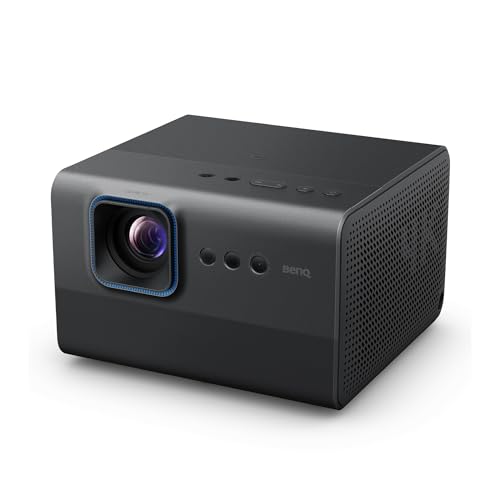
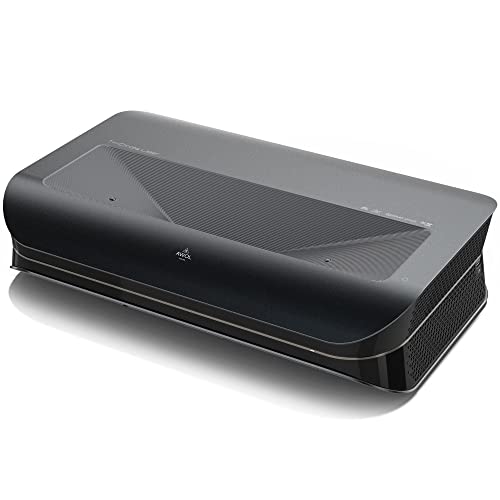
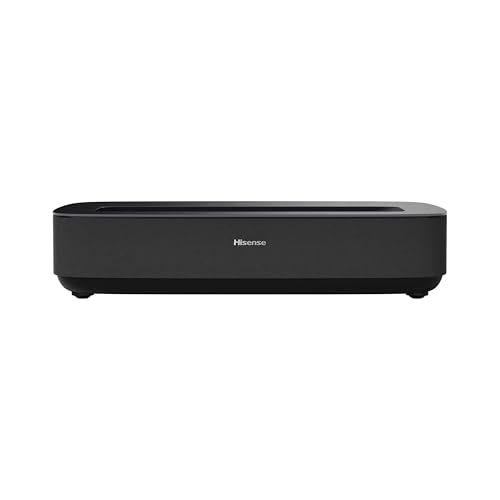
The best outdoor projector brands are as follows.
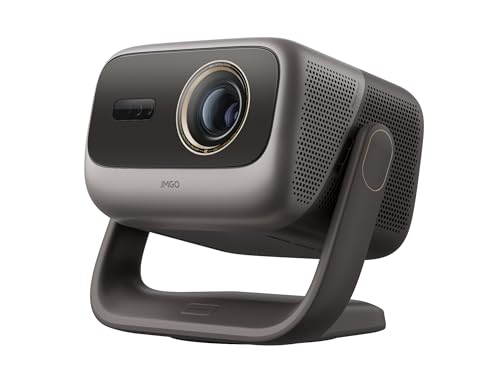
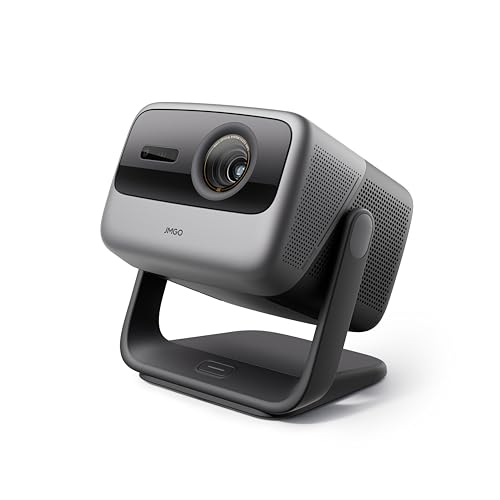
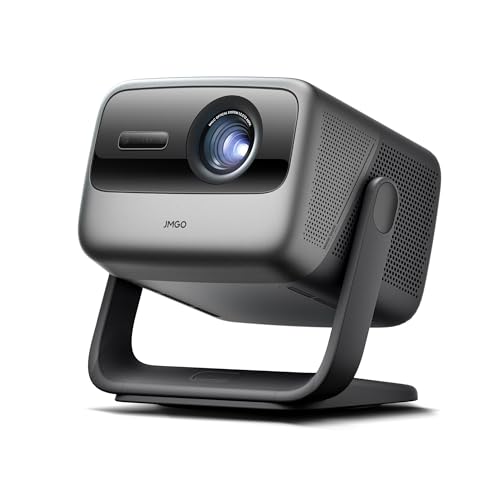
- JMGO (Average overall score: 8.5)
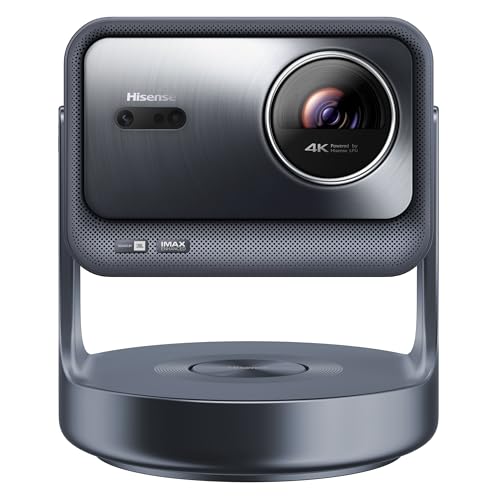
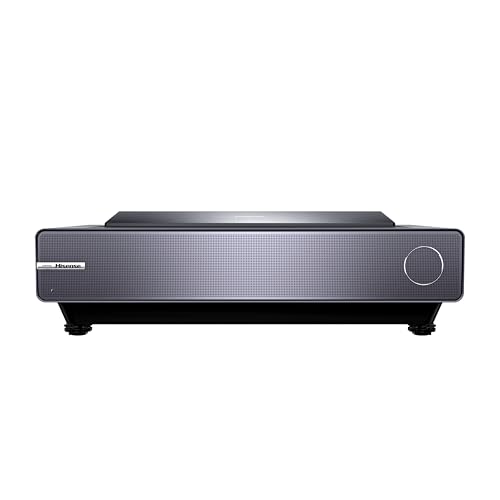
- Hisense (Average overall score: 8.1)
- BenQ (Average overall score: 7.7)
The chart below compares outdoor projector brands by average overall score.
[horizontal-chart-15316675845543392557080993851285698467572225676363]
What makes a projector suitable for outdoor use?
A projector is suitable for outdoor use when it combines the following features:
- Higher real brightness: Outdoor projection usually needs more output because even evening ambient light washes the image out quickly.
- Easy setup tools: Autofocus, keystone correction, and fast alignment help a lot when the setup is temporary.
- Practical portability: A manageable size, simple carry options, and quick start-up all matter more outside than in a permanent room.
- Usable sound or audio flexibility: Built-in speakers, Bluetooth audio, or easy speaker connections are important because outdoor sound needs more help.
- Simple source support: HDMI, streaming apps, or casting should be easy to access so the projector feels convenient rather than fussy.
How bright should an outdoor projector be?
For outdoor use, it is smart to aim for at least about 2,000 to 2,500 ANSI lumens for evening viewing, while 3,000 or more ANSI lumens gives you much more margin if there is still ambient light around. Outdoor projection looks dramatically better after sunset, so the brightness target depends a lot on when you actually plan to use it.
The key thing is that no normal projector beats daylight. Even a brighter outdoor model works best when the light is falling and the screen size stays realistic, so timing and setup matter almost as much as the lumen figure itself.
How easy is it to set up an outdoor projector?
An outdoor projector can be easy to set up if it has good autofocus, auto keystone correction, built-in streaming, and flexible audio options, because those features cut down the number of extra things you need to carry. Portable or all-in-one models are often much easier to manage outside than traditional home-cinema projectors.
The harder part is everything around the projector. You still need stable power, a sensible projection surface, enough darkness, and often better speakers, so outdoor use is easy only when the whole setup has been thought through rather than the projector alone.
What connections matter on an outdoor projector?
The connections that matter most on an outdoor projector are as follows:
- HDMI: This is the simplest way to connect a streaming stick, laptop, games console, or media player outside.
- USB power or media support: USB is helpful for powering a stick or playing local media without bringing extra gear.
- Bluetooth or audio output: Outdoor use benefits a lot from easier speaker pairing or a direct path to better sound.
- Wi-Fi and casting: Wireless streaming can be convenient outside, especially when you want a cleaner, cable-light setup.
How much do outdoor projectors cost?
Outdoor projectors usually cost about £220 to £1,300 with brighter portable laser models sometimes costing more. The category is strongest on value in the middle, because the very cheapest options often look underpowered as soon as there is any ambient light.
\n
A garden setup starts to feel much easier around £520 to £860 where you get enough brightness, better speakers, and cleaner 1080p detail for regular movie nights. At that level, setup is often quicker too, because autofocus, keystone correction, and streaming features are more common.
\n
Paying more than that mostly adds brightness, better sound, and tougher all-in-one designs that cope better with larger screens or less controlled lighting. If you only plan a few summer evenings each year, you may not need to spend heavily, but frequent outdoor use usually rewards a stronger mid-range model.