
Are Trust mice good?
Trust mice have an average overall score of 6, ranking #27 among all mouse brands, and an average user rating of 9.1, placing them at #15 by user reviews.
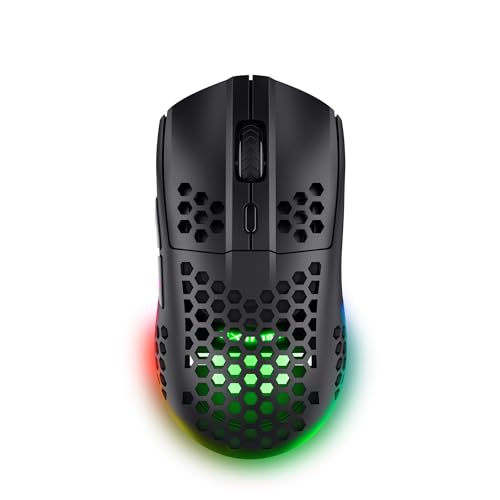
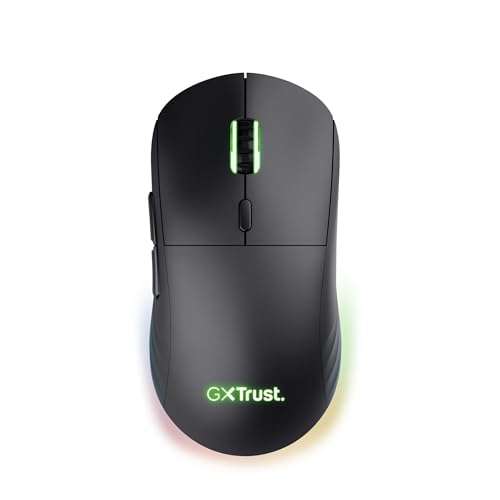
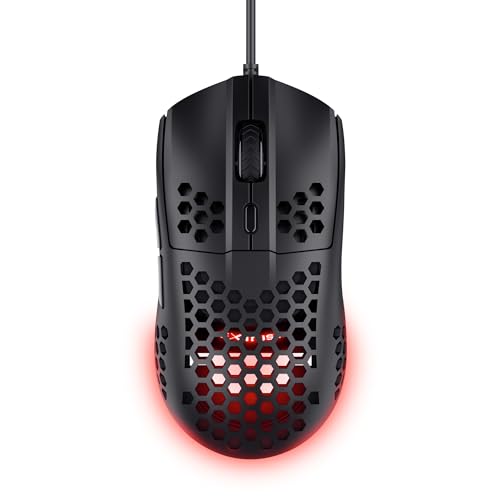
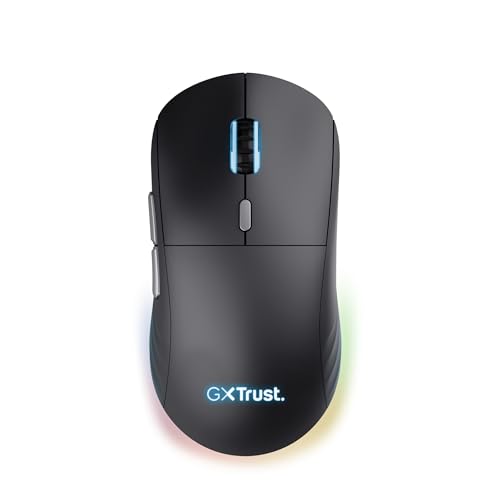
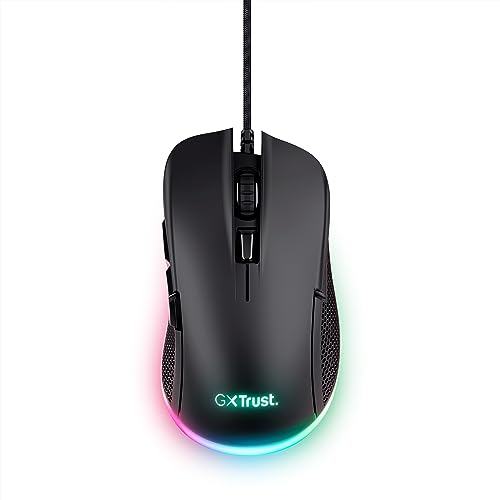
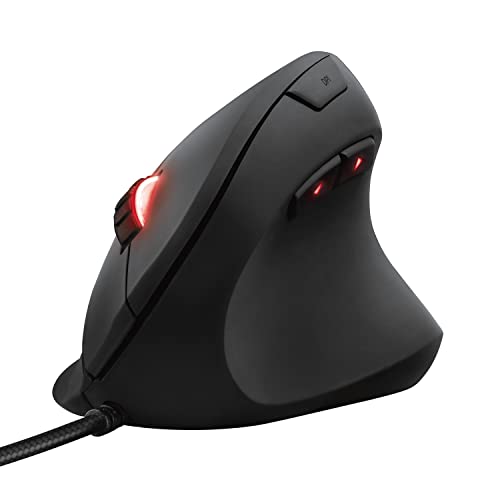
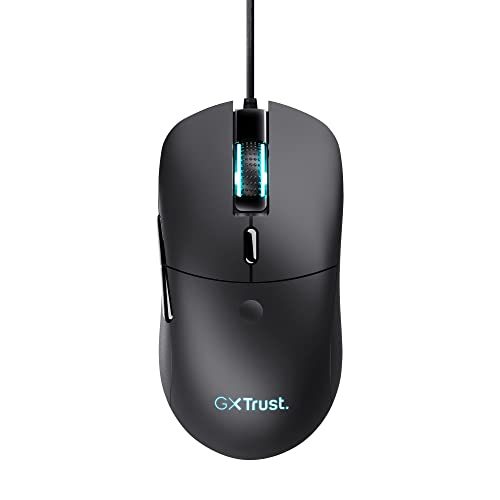
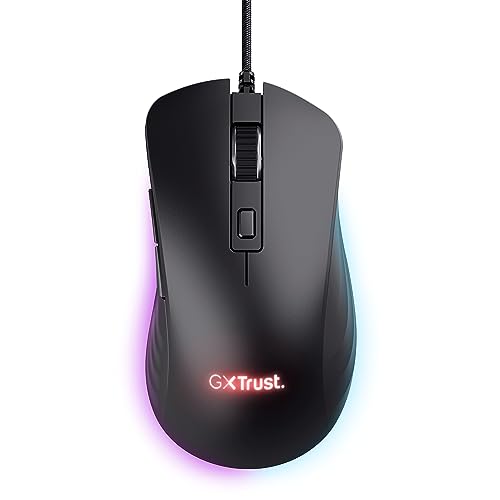
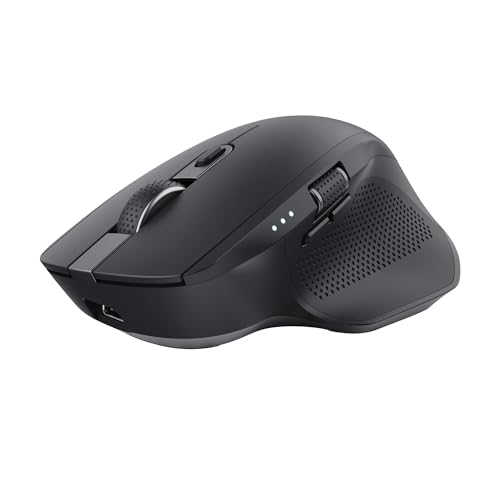
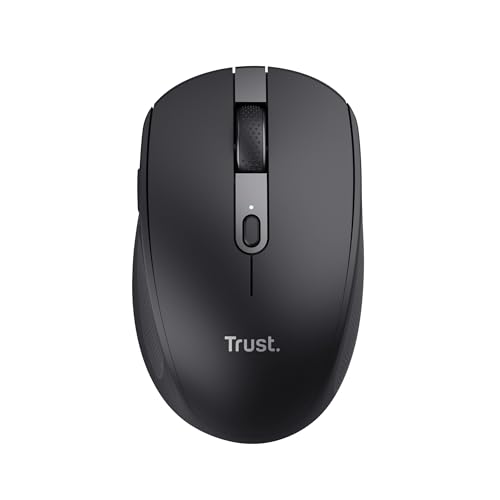
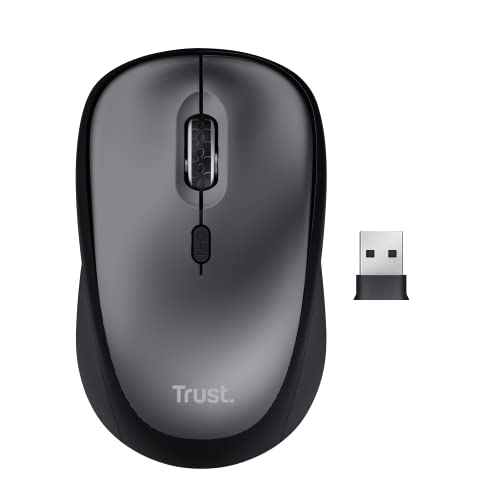
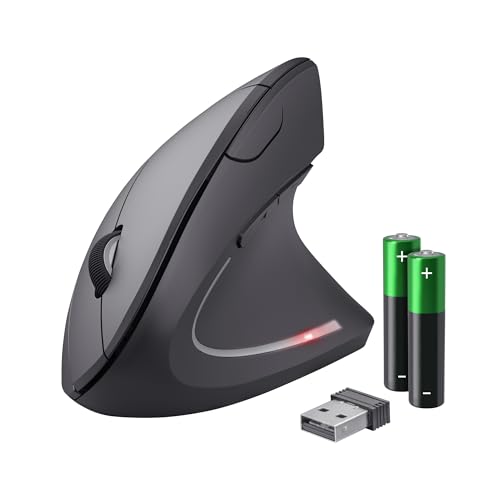
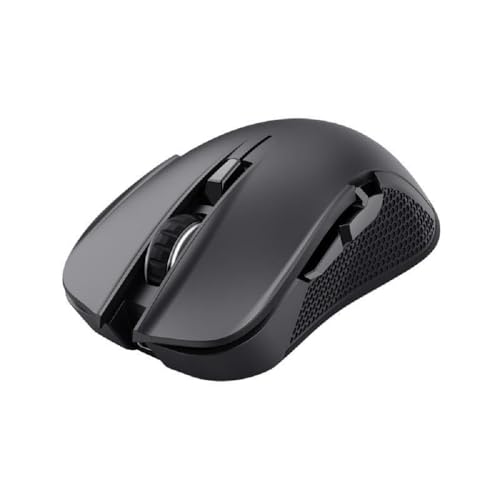
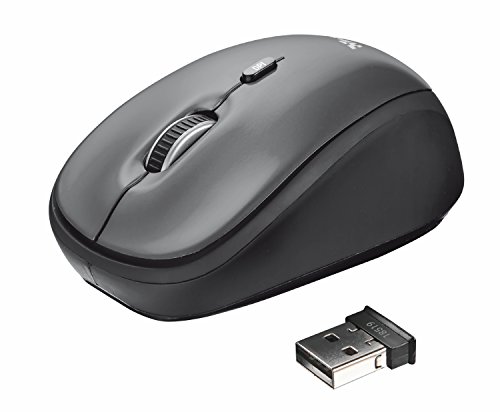
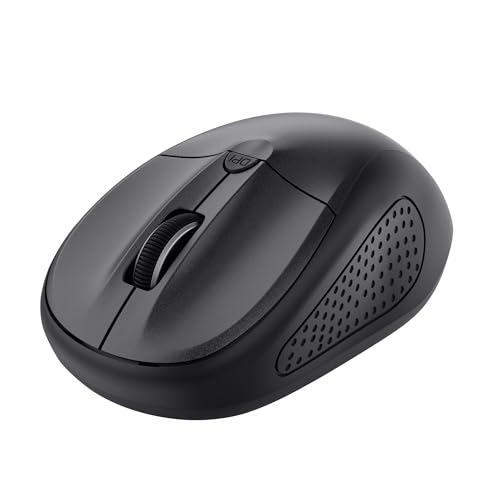
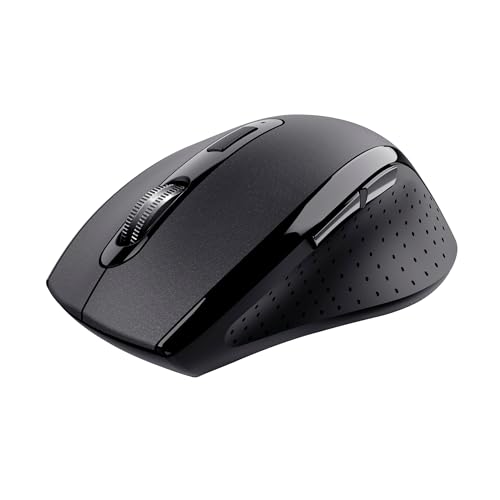
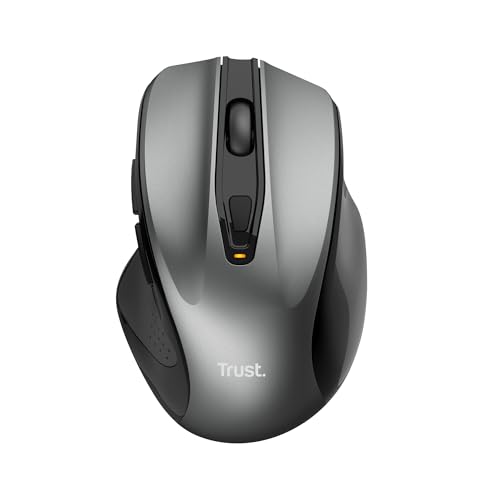
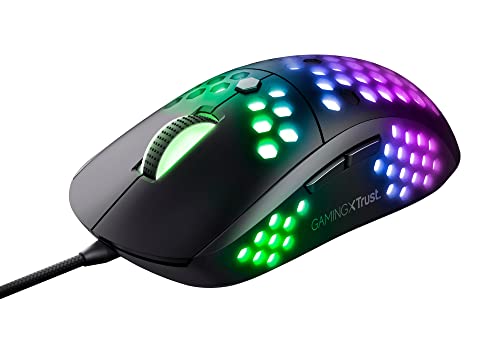
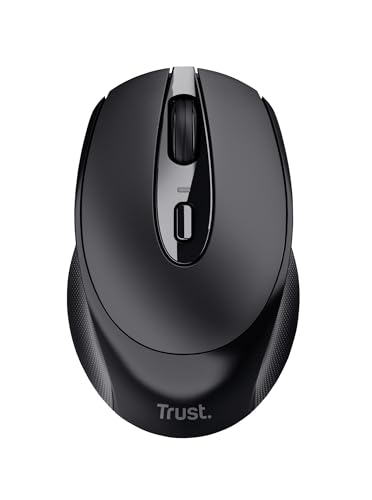
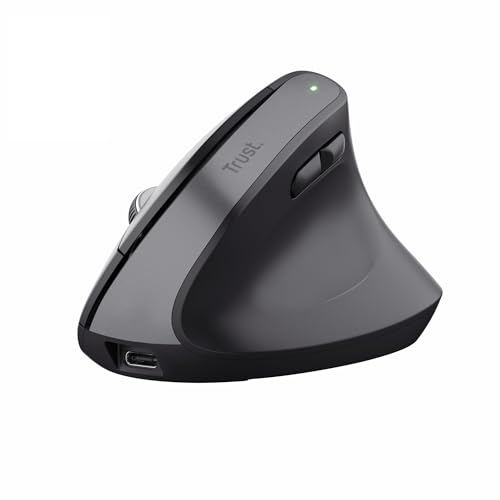
Trust mice are generally good if you want broad choice at the affordable end of the market. The current brand range covers compact basic mice, ergonomic office models, wireless productivity options, and GXT gaming mice, so Trust gives you more variety than a single-purpose budget brand.
Trust's main strength is that it combines low entry pricing with meaningful segment coverage. The lineup starts around £9, most models still sit in accessible price bands, and the technical spread reaches from simple 125 Hz office hardware to 1,000 Hz gaming mice with much higher DPI ceilings.
The tradeoff is that Trust is still mainly a value brand rather than a premium specialist. Quality, software depth, and top-end refinement are less consistent than with stronger enthusiast brands, so the best Trust mice are usually compelling because of price-to-feature balance rather than because they define the category ceiling.
The following chart ranks different mouse brands by their overall score.
[horizontal-chart-10006215032922910990025366955646244765042673557078]
What are the main advantages of Trust mice?
The main advantages of Trust mice are as follows.
- Broad lineup for a value brand: Trust covers several mouse types instead of staying in one narrow lane. The lineup includes compact everyday models, ergonomic office mice, multi-device productivity options, and a large GXT gaming branch.
- Accessible pricing: Trust starts around £9, and a large share of the lineup sits in the 10-£45 zone. That makes the brand attractive for buyers who want features without moving into premium pricing.
- Real gaming presence: Trust is not limited to basic office mice. The gaming branch is substantial, with several models reaching 1,000 Hz polling and much higher DPI ceilings than the office-focused part of the range.
- Strong wireless coverage: 26 of the 42 listed Trust mice use wireless or multi-mode connectivity. That gives the brand useful depth for buyers who want cable-free desk setups or Bluetooth plus 2.4 GHz flexibility.
- Multiple ergonomic and productivity options: Trust does more than compact budget mice. Models like the Bayo, Verto, Ozaa, and similar branches give the brand a practical office and comfort-oriented side.
- Clear price-to-feature focus: Trust mice usually make sense because they offer a reasonable spec mix for the money. That is especially useful for buyers who compare features first and do not need premium-brand prestige.
What are the main disadvantages of Trust mice?
The main disadvantages of Trust mice are as follows.
- Quality ceiling is limited: Trust has some capable mice, but the brand is still positioned mainly around affordability. That means the best Trust mice are not usually the same as the most refined or highest-performing models in the category.
- Inconsistent depth between segments: Trust covers many use cases, but not every branch is equally strong. Some parts of the lineup feel more like practical budget options than like deeply developed specialist series.
- Software and premium features are less central: Trust offers gaming models and productivity options, but it is not known for the same software ecosystem depth or premium tuning as leading enthusiast brands. Buyers who care a lot about customization may want more.
- Pricing data can look uneven at the edges: Most Trust mice cluster in low and mid budget ranges, but some current listings sit far above the brand's usual pricing. That makes it more important to judge each model on its actual spec level rather than on price alone.
- Many models stay at office-grade responsiveness: A large share of the lineup still uses 125 Hz polling and modest DPI levels, which is fine for everyday use but weaker for demanding gaming or speed-focused users.
- Design variety is broader than true performance variety: Trust offers many names and shapes, yet a lot of the range is built around practical mainstream hardware. So the lineup can look more diverse on the surface than it is at the very top end.

Who makes Trust mice?
Trust mice are made by Trust International, the Dutch consumer-electronics accessories company known for affordable PC peripherals, office accessories, gaming gear, and connectivity products. The brand has long focused on mainstream value hardware rather than on ultra-premium enthusiast devices.
That company background matches Trust's mouse positioning closely. Trust builds mice for practical consumer segments first, which is why its lineup stretches from cheap everyday models to ergonomic office options and GXT gaming mice instead of concentrating only on one premium specialist niche.
What are the main Trust mouse series?
The main Trust mouse series are as follows.
- GXT gaming series: Trust's GXT branch is the brand's main gaming line. It covers a large share of Trust's mouse lineup, including models such as the Helox, Ybar, Redex, Rexx, and Graphin families, with higher DPI ceilings and more frequent 1,000 Hz polling support.
- Ergonomic office series: Models such as Bayo, Verto, Verro, Fyda, Nito, and Voxx represent Trust's comfort-oriented side. These mice focus more on hand support, office use, and practical wireless ergonomics than on gaming speed.
- Compact and basic office series: Trust also has smaller and simpler branches such as Yvi, Primo, Puck, Zaya, Carve, and TM. These mice are aimed at low-cost everyday use, portability, and uncomplicated setup.
- Productivity and multi-device series: Models such as Ozaa and Mydo sit in the more desk-focused productivity part of the range. Their role is to offer quieter operation, multi-device support, or a more work-oriented feature mix than the basic office line.
Trust's lineup structure is broader than that of a one-series budget brand. The main split is between GXT gaming mice and several office-oriented branches, with ergonomic, compact, and productivity families covering different kinds of everyday use.
How much do Trust mice cost?
Trust mice usually start around £9, and most models sit roughly in the 10-£45 band, so the brand is mainly positioned in the affordable part of the mouse market. A few listings extend far above that level, but Trust's core identity is still value-first rather than premium.
That pricing matches the lineup structure. Trust sells everything from very simple office mice with 1,200-1,600 DPI and 125 Hz polling to gaming models that reach 1,000 Hz and much higher DPI limits, plus ergonomic and multi-device options, while still keeping most models in accessible price brackets.
This chart visualizes Trust mouse prices.
[vertical-chart-10229006822230590969118150847020279615803693693606]
How do Trust mice compare with Logitech models?
Trust mice usually compare with Logitech models as the cheaper and more value-driven alternative, while Logitech is the broader and more established brand across office, productivity, and gaming. Trust is attractive when you want low entry pricing and practical features, whereas Logitech is usually stronger if you want deeper refinement, stronger software support, and a more consistent premium ceiling.
Trust keeps most of its range concentrated around affordable price points, with a mix of office, ergonomic, wireless, and GXT gaming models. Logitech spans a wider all-around ecosystem and is generally the safer choice for buyers who want more mature flagship options, while Trust makes more sense when cost matters more than brand-tier polish.
What should you consider while choosing the best Trust mouse?
The main technical criteria for the best Trust mouse are as follows.
- Use-case branch: Trust covers several low-cost slices, so the first job is to decide which one you are actually shopping in. The office side suits simple everyday work, the ergonomic side suits comfort-first desks, the compact side makes the most sense for travel, and the gaming side is only worth reading if 1,000 Hz response or materially higher DPI tiers will make a real difference to use.
- Sensor and polling spread: Trust ranges from about 1,200 DPI / 125 Hz office hardware to 25,600 DPI / 1,000 Hz gaming models, which is a bigger technical gap than the brand name suggests. Those numbers matter because they cleanly separate the basic office tier from the faster gaming tier in a catalog that otherwise looks visually mixed.
- Connection mode: Wired, 2.4 GHz, Bluetooth, and mixed-mode designs all exist, so protocol choice should be treated as a functional filter, not an afterthought. Wired is the lowest-maintenance option, 2.4 GHz is the branch worth prioritizing for lower latency, and Bluetooth is most useful when laptops, tablets, or quieter cable-free office setups are the real goal.
- Shape and comfort: Trust mixes compact ambidextrous bodies, fuller right-handed gaming shells, and ergonomic office shapes, so the feel changes sharply across the lineup. If long-session comfort matters, the shell family is often more important than the headline DPI number, especially at this end of the market.
- Weight and controls: The brand spans roughly 50-133 g and 3-9 buttons, so even within a budget label there is a big difference between a light simple mouse and a fuller control-rich one. Keep the lighter, lower-button side for straightforward work or faster movement, and only add mass and buttons when the workflow actually benefits from them.
- Value logic: Trust is strongest when the goal is practical feature balance rather than top-end refinement. It is a good brand to buy when you know exactly which features you need for the money; it is a weaker brand to buy when you hope the most expensive model will magically behave like a flagship from a higher tier.