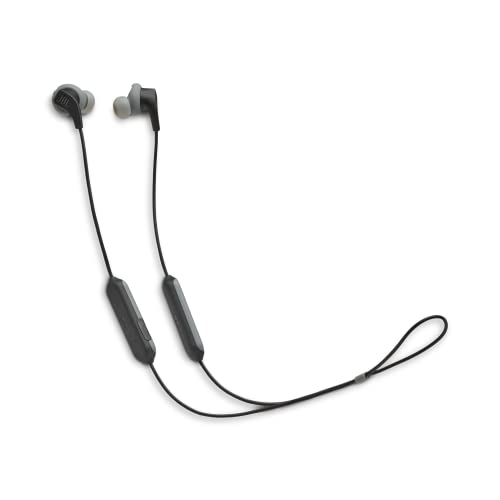
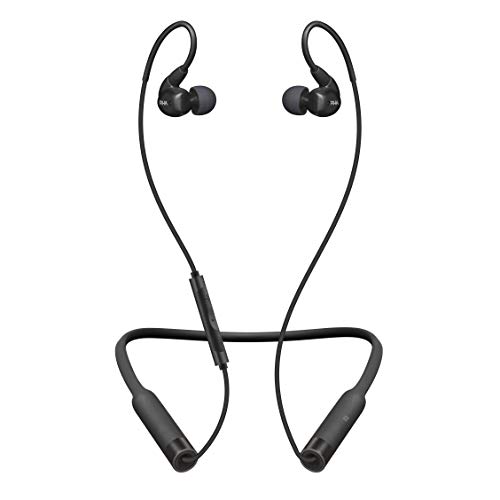
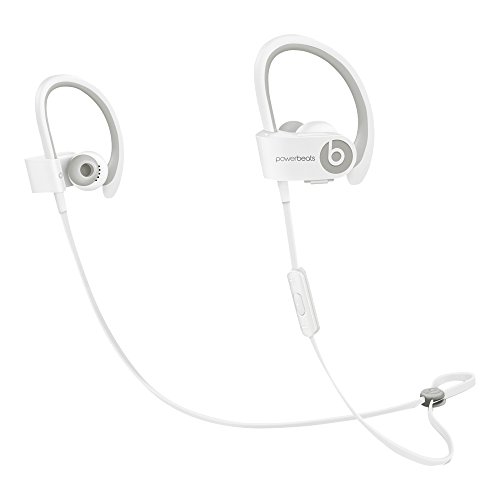
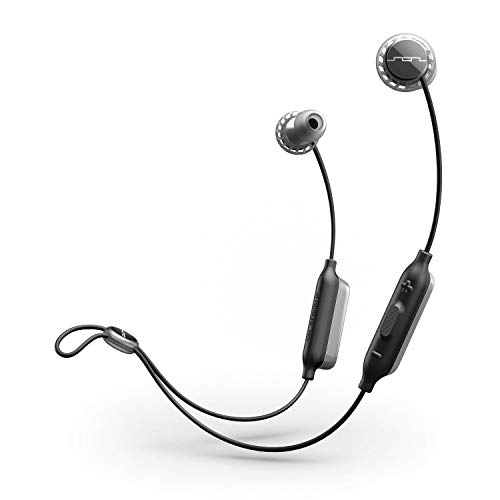
Which brands make the best running headphones?
The best running headphone brands are as follows.
- Apple (Average overall score: 7.9)
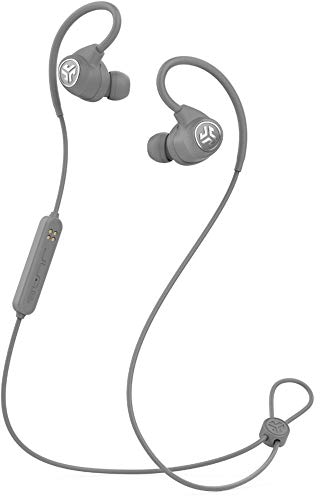
- JLab (Average overall score: 6.6)
- Beats (Average overall score: 5.9)
The chart below ranks running headphone brands by average overall score.
[horizontal-chart-15454641972415589452152944932134748572253769224127]
Which running headphone brands have the highest average user ratings?
The running headphone brands with the highest average user ratings are as follows.
- Beats (Average user rating: 8.7 points)
- Philips (Average user rating: 8.5 points)
- RHA (Average user rating: 8.2 points)
The chart below ranks running headphone brands by average user rating.
[horizontal-chart-13288367547235276419063018528774280427192245182601]
How much do the best running headphones cost?
The best running headphones usually cost about 80-£160, while simpler entry-level pairs start lower and a few premium outliers go higher.
A lot of cheaper running headphones sit around 30-£60, but the stronger mix of stable fit, sweat resistance, battery life, and button usability is usually easier to find around 80-£130. That price band is where more models stay secure and practical once impact and outdoor movement become part of the test.
Very cheap running headphones can still work for light training, but stability, moisture handling, and long-run comfort are often the first areas to break down. Spending more should buy a more reliable running fit and better day-to-day usability, not just a bigger feature list.
What makes headphones suitable for running?
Headphones are suitable for running when they resist sweat, stay secure through repeated footstrike impact, and remain easy to use without breaking your rhythm.
A running-friendly model should not bounce, loosen, or demand constant readjustment once pace and breathing settle in. That is why fit security, low cable distraction, moisture tolerance, and simple controls often matter more here than the biggest bass or the widest possible soundstage.
Running suitability also depends on how the headphone behaves over time. Tips, hooks, pads, cable routing, button feel, and heat buildup all become more noticeable once the headphone has to stay comfortable and predictable across full runs rather than only for a short test indoors.
What fit traits matter most for running headphones?
The fit traits that matter most for running headphones are movement stability, low pressure hotspots, minimal bounce, and a shape that stays predictable once sweat starts building up.
In-ear running headphones usually depend on tip size, nozzle angle, and any stabilizing wings or hooks to stop the fit from loosening mid-run. Larger on-ear or over-ear models rely more on clamp force, pad grip, and weight balance, but they also move more easily, trap more heat, and feel less natural once the run gets harder.
A strong running fit should feel secure without making you overly aware of the headphone. If it keeps shifting, taps against your body, creates hot spots, or loses its seal every few minutes, it becomes much harder to trust on real outdoor or treadmill runs than a model that simply stays in place.
Are running headphones better in-ear or bone conduction?
In-ear running headphones are usually better than bone-conduction ones when you want the stronger mix of secure fit, sound quality, and overall choice.
In-ear models make more sense when your priority is a tighter seal, lower wind interference, and better sound for music, podcasts, or faster solo runs. They are also much more common in the current running-headphone pool, which means there is far more real choice in fit style, price, and tuning.
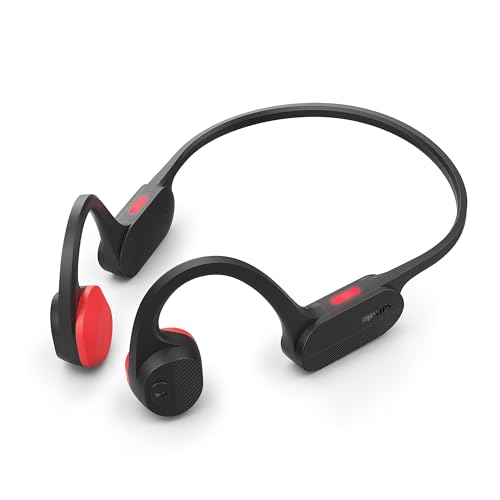
Bone-conduction or other open-ear running options can still make sense when environmental awareness matters more than isolation or sound quality, but the current rankable slice here has no real bone-conduction pool and only a minimal open-ear presence. For most buyers in this topic, the practical running edge still leans toward in-ear designs.
What should you consider while choosing running headphones?
When you choose running headphones, you should focus on the following key aspects:
- Fit security: If movement matters, start with fit. Running headphones need a more stable fit than casual earbuds, whether that comes from hooks, fins, neckbands, or a very secure bud shape. Even a small amount of movement can break seal, change bass, and become distracting at pace.
- Water resistance: If you sweat a lot or train outdoors, check the protection rating early. For running, sweat protection should be treated as baseline, with many solid options starting around IPX4 or IP55 and stronger sport models going higher. If you run in rain or heavy heat, the sealing tier matters a lot.
- Acoustic design: Check whether you need open-back or closed-back design. Open-ear designs improve traffic awareness and breathing comfort, while sealed earbuds usually sound fuller and isolate more. The better choice depends on whether route safety or stronger bass and isolation matters more to you.
- Weight: Lighter earbuds usually disappear more easily during long runs, and cable or frame stability matters if the design is not fully wireless. In a running context, poor weight distribution becomes noticeable much faster than at a desk.
- Battery control: Most good running buds sit around 6-10 hours per charge, which is enough for repeated sessions, but easy button access and reliable control behavior matter just as much. Runners need simple operation without stopping to look at a screen.