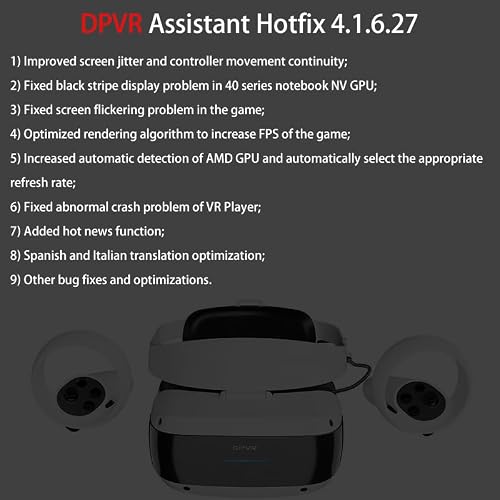
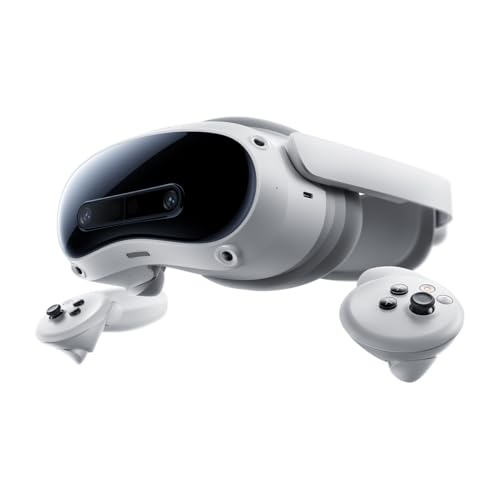
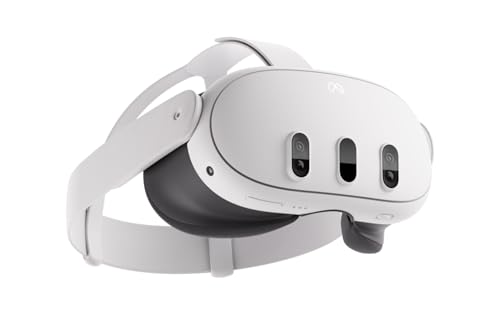
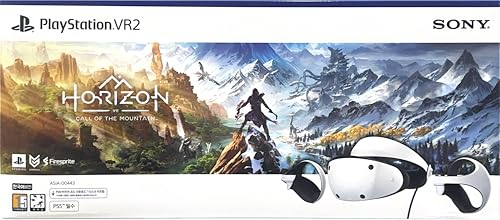
DPVR E4 Review | 89 Data compared

double-arrow
  • Avg. price in UK: ~£570
  • Avg. price in US: ~$600
  • Weight: 480 g
  • Resolution: 1832x1920
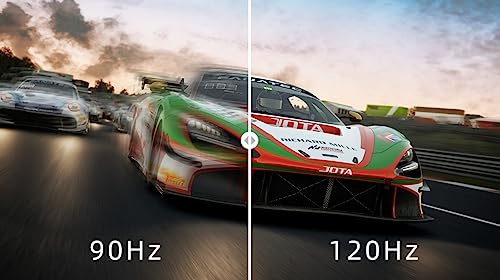
  • Refresh rate: 120 Hz
  • Display type: LCD
  • Device type: PC VR

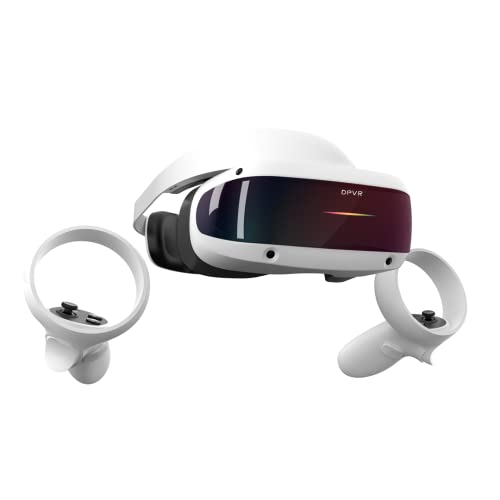
DPVR E4 review. Compare 89 technical specifications and user reviews to see how it ranks among vr headsets and if it is worth buying.

6.2

Overall score

What it is: An overall evaluation of the VR headset's quality, based on technical analyses and user reviews.

When it matters: When you need a quick reference to identify the best VR headsets on the market.

Score components:

80.0%

6.3

Technical Score

20.0%

5.8

User score

Good
6.3

Technical Score

What it is: An assessment of the VR headset's technical performance, covering eight key areas: display quality, tracking, comfort, controllers, connectivity, audio, battery, and design.

When it matters: When you want to compare VR headsets based on technical performance and available features.

Score components:

58.0%

6.2

Display & Optics

22.0%

6.1

Tracking & Sensors

10.0%

8.0

Controls & Audio

4.0%

4.0

Hardware

3.0%

6.7

Connectivity

3.0%

7.9

Design & Power

Good
5.8

User score

What it is: A rating that combines user reviews and the total number of reviews received by the VR headset.

When it matters: When you want to know how a VR headset performs in real use and how reliable it remains over time according to user feedback.

Score components:

70.0%

7.0

User reviews

30.0%

3.1

Popularity

User score:
United Kingdom
amazon
3.3
(9)
amazon
4.4
(3)
amazon
5.0
(1)
amazon
1.0
(1)
United States
Amazon_logo.png
3.6
(22)
Amazon_logo.png
3.4
(5)
Amazon_logo.png
3.0
(2)

(Reviews last updated: July 2026)

Good
  • 9.4
    Gaming

    Score components:

    40.0%

    10

    Refresh rate

    35.0%

    10

    Touch controllers

    25.0%

    7.5

    Resolution

  • 5.9
    Movies

    Score components:

    40.0%

    7.5

    Resolution

    35.0%

    5.2

    Display type

    25.0%

    4.2

    Visible FoV (horizontal)

  • dpvr-e4
  • dpvr-e4
  • dpvr-e4
  • dpvr-e4
  • dpvr-e4
  • dpvr-e4
  • dpvr-e4
  • dpvr-e4
  • dpvr-e4
dpvr-e4
dpvr-e4
dpvr-e4
dpvr-e4
dpvr-e4
dpvr-e4
dpvr-e4
dpvr-e4
dpvr-e4

Best prices in UK

Best rankings

?

Available: ranking among products currently available (including other versions of this product).
All: ranking among all products in the database.

Verdict

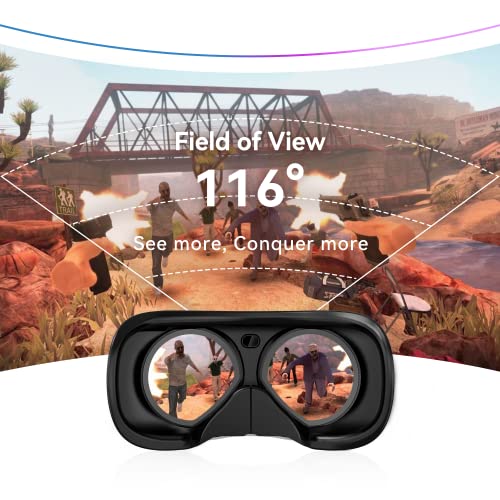
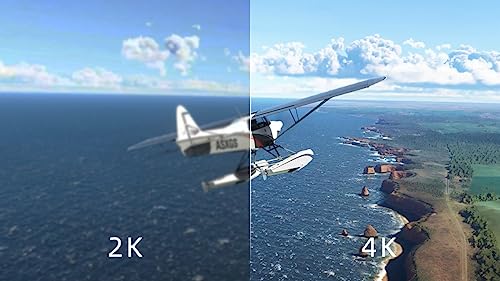
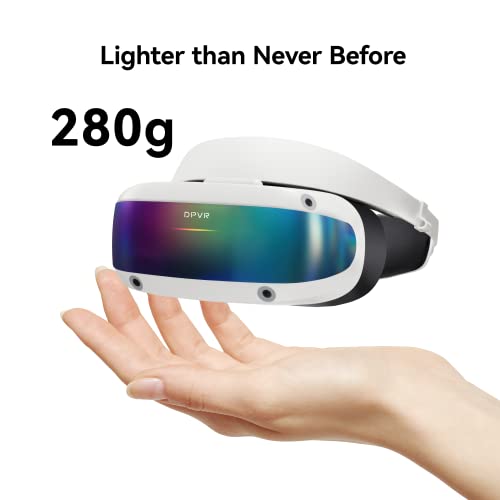
The DPVR E4 is a tethered PCVR headset featuring a 4K resolution LCD panel (3664 x 1920 total) and a native 120Hz refresh rate, delivering uncompressed visuals via a dedicated DisplayPort connection. Key characteristics include a 116° field of view, 6DoF inside-out tracking using four integrated cameras, and a unique 90° flip-up visor design on an adjustable halo strap. Its primary advantages are its ultra-lightweight build of approximately 280g, making it exceptionally comfortable for long sessions, and its seamless compatibility with SteamVR. However, it lacks physical IPD adjustment (using software only), utilizes older Fresnel lenses that can produce god rays, and features built-in speakers that are often cited as subpar.

Technical Specifications of DPVR E4

Technical Score

What it is: An assessment of the VR headset's technical performance, covering eight key areas: display quality, tracking, comfort, controllers, connectivity, audio, battery, and design.

When it matters: When you want to compare VR headsets based on technical performance and available features.

Score components:

58.0%

6.2

Display & Optics

22.0%

6.1

Tracking & Sensors

10.0%

8.0

Controls & Audio

4.0%

4.0

Hardware

3.0%

6.7

Connectivity

3.0%

7.9

Design & Power

6.3
DPVR E4 has a technical score of 6.34 points, which is lower than 51% of VR headsets.
User score

What it is: A rating that combines user reviews and the total number of reviews received by the VR headset.

When it matters: When you want to know how a VR headset performs in real use and how reliable it remains over time according to user feedback.

Score components:

70.0%

7.0

User reviews

30.0%

3.1

Popularity

User score:
United Kingdom
amazon
3.3
(9)
amazon
4.4
(3)
amazon
5.0
(1)
amazon
1.0
(1)
United States
Amazon_logo.png
3.6
(22)
Amazon_logo.png
3.4
(5)
Amazon_logo.png
3.0
(2)

(Reviews last updated: July 2026)

5.8
DPVR E4 has a user score of 5.84 points, which is lower than 91.8% of VR headsets.
Popularity
What it is: An indicator based on the number of reviews received by the VR headset.
When it matters: When you prefer to buy a product chosen and reviewed by many other consumers.
3.1
DPVR E4 has a popularity of 3.1 points, which is lower than 51% of products in this category.
Ratio quality/price

What it is: An indicator that combines the VR headset's overall rating with its cost.

When it matters: When you are looking for a VR headset with a good balance between quality and price.

Score components:

60.0%

6.2

Overall score

40.0%

7.5

Price

6.6
DPVR E4 has a quality-to-price ratio of 6.6 points, which is lower than 59.2% of products in this category.
Resolution
What it is: The total number of pixels displayed on the screen, expressed as width x height, determining sharpness.
When it matters: When you want crisp text and sharp details in photos and videos.

Importance: HIGH

1832x1920
DPVR E4 has a screen resolution of 1832x1920 which is higher than that of 61.5% of VR headsets and equal to that of 5.1% of VR headsets.
Screen size
What it is: The physical diagonal measurement of the display area, usually expressed in inches.
When it matters: When you want a larger image area that can feel more immersive in games, movies, and VR apps.

Importance: LOW

Good value: >4.41 inches

?
Refresh rate
What it is: The number of times per second the display updates the image, measured in Hertz (Hz); higher rates offer smoother motion.
When it matters: When you want scrolling to feel fluid and games to look smoother.

Importance: HIGH

Good value: >102 Hz

120 Hz
DPVR E4 supports a refresh rate of 120 Hz which is higher than in 76.9% of VR headsets and equal to that in 20.5% of VR headsets.
Visible FoV (horizontal)
What it is: Measures the visible horizontal field of view of the image, expressed in degrees.
When it matters: When you want a wider left-to-right view for racing, shooters, and room-scale immersion.

Importance: HIGH

Good value: >105.7 °

95 °
DPVR E4 offers a horizontal FoV of 95 ° which is narrower than that of 76.3% of VR headsets and equal to that of 7.9% of VR headsets.
Visible FoV (vertical)
What it is: Measures the visible vertical field of view of the image, expressed in degrees.
When it matters: When a taller visible image helps scenes feel less cropped above and below your view.

Importance: HIGH

Good value: >97.5 °

95 °
DPVR E4 offers a vertical FoV of 95 ° which is wider than that of 44.4% of VR headsets and equal to that of 5.6% of VR headsets.
Show more
Tracking type
What it is: Specifies the tracking method used for positional detection, such as inside-out or outside-in.
When it matters: When you want to know whether tracking depends on onboard cameras or external hardware.

Importance: LOW

inside-out
360° head tracking
What it is: Shows whether the headset can track head movement across a full 360-degree space.
When it matters: When you turn around often in room-scale games and do not want tracking blind spots.

Importance: MEDIUM

yes
DPVR E4 supports full 360° head tracking. 2% of VR headsets support this tracking mode.
N. of tracking sensors
What it is: Counts the integrated sensors used for positional or motion tracking.
When it matters: When you compare how much built-in hardware the headset uses for motion tracking.

Importance: LOW

Good value: >4.2

4
N. of cameras
What it is: Counts the built-in cameras used for tracking, passthrough, or environmental sensing.
When it matters: When passthrough quality, room mapping, and inside-out tracking matter to your setup.

Importance: MEDIUM

Good value: >4.2

4
DPVR E4 has 4 cameras which is more than in 60.4% of VR headsets and equal to that in 12.5% of VR headsets.
Tracking frequency
What it is: Indicates how often the tracking system updates position data, measured in hertz.
When it matters: When you want fast motion tracking to stay stable during quick head or hand movement.

Importance: LOW

Good value: >718 Hz

?
Show more
Operating system
What it is: The primary system software that manages the headset's hardware, apps, and core functions.
When it matters: When you have a preference for the user interface and app ecosystem.

Importance: LOW

Windows
OpenXR support
What it is: Indicates whether the headset supports the OpenXR standard for compatible VR software.
When it matters: When you want broader compatibility with VR apps across different software platforms.

Importance: LOW

yes
DPVR E4 supports OpenXR. 37.8% of VR headsets support this cross-platform VR standard.
Wireless PC streaming
What it is: Shows whether the headset can receive PC VR content over a wireless connection.
When it matters: When you want PC VR without a cable running from the headset to your computer.

Importance: LOW

no
DPVR E4 does not support wireless PC streaming. 36.7% of VR headsets support cable-free PC VR streaming.
Wi-Fi connectivity
What it is: The ability of the headset to connect to a wireless network.
When it matters: When you want wireless downloads, streaming, updates, or online features without relying on a cable.

Importance: LOW

no
DPVR E4 does not have Wi-Fi. 38.8% of VR headsets have Wi-Fi connectivity.
Wi-Fi version
What it is: Version of Wi-Fi standard supported.
When it matters: When compatibility with your router and wireless setup affects download speeds, streaming quality, or latency.

Importance: LOW

N/A
Show more
Touch controllers
What it is: Shows whether dedicated motion controllers are included for hand-based input in VR.
When it matters: When your favorite games rely on precise hand input rather than hand tracking alone.

Importance: MEDIUM

yes
DPVR E4 includes touch controllers. 28.6% of VR headsets come with dedicated hand controllers.
Game controller included
What it is: Indicates whether game controllers are included in the standard package.
When it matters: When you want a complete VR package and do not want to buy controllers separately.

Importance: LOW

yes
DPVR E4 includes a game controller. 36.7% of VR headsets ship with controllers in the box.
Spatial audio
What it is: Supports immersive spatial audio playback.
When it matters: When movies, games, and VR experiences feel better with more immersive positional sound.

Importance: LOW

yes
DPVR E4 supports spatial audio. 10.6% of VR headsets support spatial audio.
N. of speakers
What it is: Counts the built-in speakers used for audio playback.
When it matters: When you plan to use the headset without separate headphones or external speakers.

Importance: LOW

2
DPVR E4 has 2 speakers which is more than in 39.1% of VR headsets and equal to that in 60.9% of VR headsets.
N. of microphones
What it is: The number of microphones built into the headset or its integrated hardware.
When it matters: When voice chat, voice commands, or in-headset recording quality matter to your setup.

Importance: LOW

2
DPVR E4 includes 2 microphones, which is more than 44.2% of VR headsets and equal to 48.8% of VR headsets.
Show more
Device type
What it is: Describes the overall headset class, such as standalone, PC VR, or mixed reality.
When it matters: When you choose between a standalone headset, a PC VR model, or mixed-reality use.

Importance: LOW

PC VR
Chipset
What it is: The central System-on-Chip (SoC) that houses the CPU, GPU, modem, and other core processing components.
When it matters: When you want to know the specific engine powering your device's speed and features.

Importance: LOW

N/A
CPU clock speed
What it is: Indicates the base operating frequency of the main processor, measured in gigahertz.
When it matters: When you compare standalone headset speed for games, menus, and mixed-reality apps.

Importance: LOW

Good value: >2.86 GHz

N/A
GPU model
What it is: The official model name of the graphics processor used in the tablet.
When it matters: When you compare graphics hardware for gaming, video editing, or benchmarks.

Importance: LOW

N/A
RAM capacity
What it is: States the installed RAM capacity used for system operation and multitasking.
When it matters: When you want smoother multitasking and better headroom for demanding VR apps.

Importance: LOW

Good value: >9.3 GB

N/A
Show more
Battery capacity
What it is: The amount of electric charge the battery can store, usually measured in mAh.
When it matters: When you want longer untethered play time without recharging the headset too often.

Importance: LOW

Good value: >4980 mAh

N/A
Charging time
What it is: Time required for a full charge.
When it matters: When charging speed, charging method, or battery upkeep convenience matters to your routine.

Importance: LOW

Good value: <2.3 hours

N/A
Weight
What it is: The total weight of the headset, affecting how heavy it feels during use.
When it matters: When you want a headset that feels lighter and more comfortable during longer VR sessions.

Importance: LOW

Good value: <484.2 g

480 g
DPVR E4 weighs 480 g which is lighter than 66.7% of VR headsets.
Headstrap type
What it is: Identifies the design of the headstrap used to secure the headset on the user's head.
When it matters: When comfort, balance, and pressure distribution matter during long VR sessions.

Importance: LOW

rigid halo
DPVR E4 uses a rigid halo headstrap, which is more comfortable than the design on 44.9%.
Body material
What it is: The main material used for the headset body or housing.
When it matters: When you care about how sturdy, premium, or lightweight the headset feels over time.

Importance: LOW

plastic
Show more

DPVR E4 vs the average VR headset

  • 33.3% higher refresh rate
    DPVR E4 has a higher refresh rate than the average VR headset (120 Hz vs 90 Hz). The average VR headset has a refresh rate of 90 Hz.
    What it is: The number of times per second the display updates the image, measured in Hertz (Hz); higher rates offer smoother motion.
    When it matters: When you want scrolling to feel fluid and games to look smoother.

    Importance: HIGH

    Good value: >102 Hz

    DPVR E4 has a higher refresh rate than the average VR headset (120 Hz vs 90 Hz). The average VR headset has a refresh rate of 90 Hz.120 Hz vs 90 Hz
  • Higher screen resolution
    DPVR E4 has a higher screen resolution than the average VR headset (1832x1920 vs 1440x1600). The average VR headset has a screen resolution of 1440x1600.
    What it is: The total number of pixels displayed on the screen, expressed as width x height, determining sharpness.
    When it matters: When you want crisp text and sharp details in photos and videos.

    Importance: HIGH

    DPVR E4 has a higher screen resolution than the average VR headset (1832x1920 vs 1440x1600). The average VR headset has a screen resolution of 1440x1600.1832x1920 vs 1440x1600
  • 25.5% higher pixel density
    DPVR E4 has a higher pixel density than the average VR headset (773 ppi vs 616 ppi). The average VR headset has a pixel density of 616 ppi.
    What it is: The concentration of pixels on the display, measured in pixels per inch (PPI), affecting image clarity.
    When it matters: When you want the image to look perfectly smooth with no visible pixels.

    Importance: HIGH

    Good value: >852.7 ppi

    DPVR E4 has a higher pixel density than the average VR headset (773 ppi vs 616 ppi). The average VR headset has a pixel density of 616 ppi.773 ppi vs 616 ppi
  • Includes compass
    DPVR E4 features a compass, the average VR headset does not. 35.6% of VR headsets include a compass sensor.
    What it is: A digital magnetometer that determines the device's orientation relative to the Earth's magnetic north.
    When it matters: When you are hiking or navigating on foot and need to know which direction you are facing.

    Importance: LOW

    DPVR E4 features a compass, the average VR headset does not. 35.6% of VR headsets include a compass sensor.
  • Supports SteamVR
    DPVR E4 supports SteamVR, the average VR headset does not. 50% of VR headsets support this PC VR ecosystem.
    What it is: Indicates whether the headset supports the SteamVR ecosystem for compatible PC VR content.
    When it matters: When you want confidence that the headset can access the SteamVR software ecosystem in normal supported use.

    Importance: LOW

    DPVR E4 supports SteamVR, the average VR headset does not. 50% of VR headsets support this PC VR ecosystem.
  • 2 more cameras
    DPVR E4 has more cameras than the average VR headset (4 vs 2). The average VR headset has 2 cameras.
    What it is: Counts the built-in cameras used for tracking, passthrough, or environmental sensing.
    When it matters: When passthrough quality, room mapping, and inside-out tracking matter to your setup.

    Importance: MEDIUM

    Good value: >4.2

    DPVR E4 has more cameras than the average VR headset (4 vs 2). The average VR headset has 2 cameras.4 vs 2
  • 34.2% lighter controllers
    DPVR E4 is lighter than the average VR headset (102 g vs 155 g). The average controller weighs 155 g.
    What it is: States the weight of one controller, usually measured in grams.
    When it matters: When controller comfort matters during long sessions or active rhythm and fitness games.

    Importance: LOW

    Good value: <132.3 g

    DPVR E4 is lighter than the average VR headset (102 g vs 155 g). The average controller weighs 155 g.102 g vs 155 g
  • 5 newer release date
    DPVR E4 is newer than the average VR headset (2,023 vs 2,018). The average VR headset was released in 2,018.
    What it is: The specific month and year the headset was officially launched or became available for purchase.
    When it matters: When you want to know if the technology inside is current or aging.

    Importance: LOW

    Good value: >2020.3

    DPVR E4 is newer than the average VR headset (2,023 vs 2,018). The average VR headset was released in 2,018.2023 vs 2018
  • 33.3% higher refresh rate
    DPVR E4 has a higher refresh rate than the average VR headset (120 Hz vs 90 Hz). The average VR headset has a refresh rate of 90 Hz.
  • Higher screen resolution
    DPVR E4 has a higher screen resolution than the average VR headset (1832x1920 vs 1440x1600). The average VR headset has a screen resolution of 1440x1600.
  • 25.5% higher pixel density
    DPVR E4 has a higher pixel density than the average VR headset (773 ppi vs 616 ppi). The average VR headset has a pixel density of 616 ppi.
  • Includes compass
    DPVR E4 features a compass, the average VR headset does not. 35.6% of VR headsets include a compass sensor.
  • 2 more cameras
    DPVR E4 has more cameras than the average VR headset (4 vs 2). The average VR headset has 2 cameras.
  • Supports SteamVR
    DPVR E4 supports SteamVR, the average VR headset does not. 50% of VR headsets support this PC VR ecosystem.
  • 34.2% lighter controllers
    DPVR E4 is lighter than the average VR headset (102 g vs 155 g). The average controller weighs 155 g.
  • 5 newer release date
    DPVR E4 is newer than the average VR headset (2,023 vs 2,018). The average VR headset was released in 2,018.
  • 5 °C higher maximum operating temperature
    DPVR E4 has a higher maximum operating temperature than the average VR headset (40 °C vs 35 °C). The average VR headset reaches a maximum operating temperature of 35 °C.
  • 17.7% lighter
    DPVR E4 is lighter than the average VR headset (480 g vs 583 g). The average VR headset weighs 583 g.
  • No adjustable IPD
    DPVR E4 does not support adjustable IPD, the average VR headset does. 64% of VR headsets offer adjustable lens spacing.
  • 5 ° narrower horizontal FoV
    DPVR E4 has a lower horizontal visible FoV than the average VR headset (95 ° vs 100 °). The average VR headset offers a horizontal visible FoV of 100 °.
  • No see-through mode
    DPVR E4 does not support see-through mode, the average VR headset does. 65.3% of VR headsets offer passthrough viewing.
  • Lacks USB Type-C
    DPVR E4 lacks a USB Type-C port, the average VR headset includes one. 58% of VR headsets use USB-C ports.
  • 6 h shorter controller battery life
    DPVR E4 has a lower controller battery life than the average VR headset (6 h vs 12 h). The average controller battery lasts 12 h.
  • No adjustable IPD
    DPVR E4 does not support adjustable IPD, the average VR headset does. 64% of VR headsets offer adjustable lens spacing.
    What it is: Shows whether the lens spacing can be adjusted to match the distance between the user's pupils.
    When it matters: When more than one person uses the headset and needs the lenses aligned comfortably.

    Importance: HIGH

    DPVR E4 does not support adjustable IPD, the average VR headset does. 64% of VR headsets offer adjustable lens spacing.
  • No see-through mode
    DPVR E4 does not support see-through mode, the average VR headset does. 65.3% of VR headsets offer passthrough viewing.
    What it is: Shows whether the headset can display the outside world through passthrough cameras.
    When it matters: When you switch often between VR and seeing your room, keyboard, or nearby people.

    Importance: MEDIUM

    DPVR E4 does not support see-through mode, the average VR headset does. 65.3% of VR headsets offer passthrough viewing.
  • 5 ° narrower horizontal FoV
    DPVR E4 has a lower horizontal visible FoV than the average VR headset (95 ° vs 100 °). The average VR headset offers a horizontal visible FoV of 100 °.
    What it is: Measures the visible horizontal field of view of the image, expressed in degrees.
    When it matters: When you want a wider left-to-right view for racing, shooters, and room-scale immersion.

    Importance: HIGH

    Good value: >105.7 °

    DPVR E4 has a lower horizontal visible FoV than the average VR headset (95 ° vs 100 °). The average VR headset offers a horizontal visible FoV of 100 °.95 ° vs 100 °
  • 6 h shorter controller battery life
    DPVR E4 has a lower controller battery life than the average VR headset (6 h vs 12 h). The average controller battery lasts 12 h.
    What it is: States the maximum operating time of the controllers before the batteries need recharging or replacement.
    When it matters: When you play often and do not want controller batteries interrupting long sessions.

    Importance: LOW

    Good value: >22.5 hours

    DPVR E4 has a lower controller battery life than the average VR headset (6 h vs 12 h). The average controller battery lasts 12 h.6 h vs 12 h
  • Lacks USB Type-C
    DPVR E4 lacks a USB Type-C port, the average VR headset includes one. 58% of VR headsets use USB-C ports.
    What it is: A modern, reversible connector used for charging, data transfer, and sometimes audio or video output.
    When it matters: When you want a reversible cable that handles charging, data, and accessories universally.

    Importance: LOW

    DPVR E4 lacks a USB Type-C port, the average VR headset includes one. 58% of VR headsets use USB-C ports.
  • 36.9% lower user score
    DPVR E4 has a lower user score than the average VR headset (5.84 vs 8.000).
    What it is: A rating that combines user reviews and the total number of reviews received by the VR headset.
    When it matters: When you want to know how a VR headset performs in real use and how reliable it remains over time according to user feedback.
    DPVR E4 has a lower user score than the average VR headset (5.84 vs 8.000).5.84 vs 8

Graphic comparison of DPVR E4 and

Attribute category
Attribute
No results found

Third-party reviews

(Reviews last updated: July 2026)

What customers like about DPVR E4?

  • Extremely lightweight design (~280g) reduces head and neck strain during long sessions.
  • Direct DisplayPort connection provides uncompressed 4K visuals at 120Hz without streaming artifacts.
  • Convenient 90-degree flip-up visor design allows users to quickly see the real world.
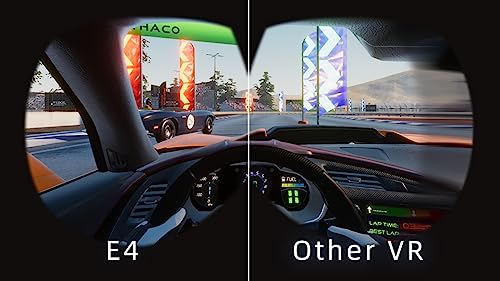
  • Near-perfect binocular overlap and a wide 116-degree field of view (FOV).
  • Responsive inside-out tracking with a simple setup that doesn't require external base stations.

What customers dislike about DPVR E4?

  • No physical IPD (Interpupillary Distance) adjustment; software-only adjustment can lead to blurriness for some.
  • Uses older Fresnel lenses which result in a small 'sweet spot' and noticeable god rays.
  • Built-in audio quality is often described as subpar or thin compared to competitors.
  • Audible cooling fan that runs constantly while plugged in and can occasionally rumble the headset.
  • Controllers lack capacitive touch sensors and have been reported to lose battery covers during intense movement.

Expert reviews

P
pcgamer.com
30/08/2023

The DPVR E4 is a solid mid-range PCVR headset priced at $549 that delivers a highly responsive and detailed virtual reality experience. Its standout features include an exceptionally lightweight chassis weighing just 280g, a comfortable flip-up display reminiscent of the original PSVR design, and responsive controllers similar to the Meta Quest 2. Despite relying on an adapter that...Read more

N
nookgaming.com
09/06/2023

The NookGaming review highlights the DPVR E4 as a budget-friendly PC VR headset distinguished by its exceptional comfort, featuring a lightweight 280-gram design and a 90-degree flip-up, halo-style head strap. It provides a high-quality visual experience, utilizing a DisplayPort 1.4 connection for uncompressed 4K resolution at 120Hz with zero lag. Conversely, the review notes...Read more

N
nookgaming.com
21/04/2024

The NookGaming review of the DPVR E4 Black highlights it as an improved, wired PC VR headset that successfully addresses previous model issues, featuring a lightweight design, comfortable halo-style head strap, and a 90-degree flip-up design. The device is lauded for its magnetic, plush faceplate, improved glasses clearance, and a DisplayPort connection that offers vibrant visuals...Read more

M
mxtreality.com
26/06/2024

The DPVR E4 is a commercial-grade, high-resolution PC-VR headset engineered specifically for professionals seeking a premium virtual reality experience. Priced competitively around $599, it stands out as an affordable yet highly powerful alternative in the high-resolution market. The device features dual 4K (3840 x 2160) displays per eye, providing remarkably crisp and clear visuals...Read more

V
vrgamerdude.com
01/06/2023

The DPVR E4 is a lightweight, PC-focused virtual reality headset priced at $599 that delivers a highly immersive visual experience. A major standout feature is its ultra-lightweight design at just 280 grams, paired with a comfortable, well-padded adjustable halo strap that prevents facial pressure during extended gaming sessions. Visually, it impresses with a sharp 4K resolution...Read more

M
mxtreality.com
25/06/2024

The DPVR E4 is highlighted by MXT Reality as a practical, cost-effective enterprise headset for driving simulators, featuring a convenient flippable visor that simplifies the transition between virtual and real environments. Positioned between high-end enterprise devices like the HTC Vive Focus 3 and consumer-focused options like the Meta Quest 3, the wired E4 offers excellent...Read more

S
stylistme.com
26/06/2023

Overview and Technical Features The DPVR E4 is a specialized tethered PCVR headset designed primarily to run SteamVR's vast library of over 5,000 games. It serves as an affordable replacement for discontinued headsets like the HP Reverb G2 and HTC Vive. Weighing only 280 grams without the headband, it is exceptionally lightweight and comfortable, utilizing a robust DisplayPort 1.4...Read more

S
stylistme.com
27/08/2025

The DPVR E4 Black is an affordable, ultra-lightweight PCVR headset designed for SteamVR that connects directly to a computer via an upgraded 6-meter DisplayPort 1.4 cable, completely eliminating the visual compression found in USB-C or wireless streaming alternatives. Priced at $599 (approximately €555 delivered in France), it features a fast LCD panel delivering 1834 x 1920 pixels...Read more

T
tecnolocura.es
17/02/2024

The DPVR E4 is a lightweight (280g) consumer PCVR headset optimized for SteamVR, featuring a practical 90-degree flip-up visor and a 4K 120Hz display with a direct DisplayPort connection, according to the review. Pros include exceptional comfort for long sessions and straightforward, base-station-free setup, while cons involve a lack of physical IPD adjustment, reliance on older...Read more

R
realovirtual.com
25/04/2023

The technical review of the DPVR E4 by Real o Virtual presents a detailed breakdown of the company's first consumer-targeted PC VR headset utilizing a uncompressed DisplayPort connection. Community feedback and technical testing from the review paint it as a highly specialized, lightweight device that delivers solid native PC VR graphics without the typical compression artifacts...Read more

V
vr-italia.org
12/06/2023

The VR Italia article reports on DPVR's initiative to enhance its E4 VR headset by offering a bundle of free utility accessories to existing and new customers, directly addressing user feedback. The pros of this update focus heavily on increased value and improved ergonomics, highlighting a light and compact cable management clip to prevent tangling, high-quality 3.5mm wired in-ear...Read more

B
backtovr.it
31/10/2023

The review from Back To VR evaluates the Meta Quest 3 specifically for sim racing, comparing it against mid-range rivals like the HP Reverb G2, Pico 4, and DPVR E4. The reviewer finds that while the Quest 3 delivers solid, high-fidelity graphics and features ultra-sharp pancake lenses that reduce distortion, it is ultimately the most compromised option among the four for dedicated...Read more

U
unboundxr.nl
29/06/2026

The DPVR E4 is a dedicated PC VR headset that delivers a highly detailed visual experience featuring a 4K LCD display (1832 x 1920 pixels per eye) paired with a high 120Hz refresh rate to ensure fluid, smooth gameplay with minimal motion blur. Reviewers highlight its highly praised, ergonomic build, emphasizing that the ultra-lightweight design (weighing just 280 grams) drastically...Read more

Video reviews

Compare DPVR E4 with

VS
VS

Compare