Sonos Ray review. Compare 109 technical specifications and user reviews to see how this product ranks in the Soundbars category and whether it is worth buying.
Overall score
What it is: An overall evaluation of the soundbar's quality, based on technical analyses and user reviews.
When it matters: When you need a quick reference to identify the best soundbars on the market.
Score components:
80.0%
Technical Score
20.0%
User score
Technical Score
What it is: An assessment of the soundbar's technical performance, covering key areas such as audio quality, channel configuration, connectivity, HDMI and wireless features, and design.
When it matters: When you want to compare soundbars based on technical performance and available features.
Score components:
25.0%
Audio
18.0%
Formats
16.0%
Connectivity
14.0%
Controls
12.0%
HDMI & Gaming
10.0%
Smart features
5.0%
Design
User score
What it is: A rating that combines user reviews and the total number of reviews received by the soundbar.
When it matters: When you want to know how a soundbar sounds in real use and how satisfied owners are with dialogue clarity, bass, and ease of setup.
Score components:
70.0%
User reviews
30.0%
Popularity
Score components:
25.0%
Dolby Atmos
25.0%
N. of audio channels
20.0%
Subwoofer included
15.0%
Audio output power
15.0%
HDMI ARC type
Score components:
35.0%
HDMI pass-through frame rate
30.0%
HDMI ARC type
20.0%
N. of audio channels
15.0%
Audio output power
Score components:
20.0%
Audio output power
20.0%
Subwoofer included
20.0%
Equalizer bands
15.0%
N. of supported Bluetooth codecs
15.0%
Wi-Fi connectivity
5.0%
Spotify Connect
5.0%
Bluetooth connectivity

Available: ranking among products currently available (including other versions of this product).
All: ranking among all products in the database.
#3 in Best Small Soundbars
#4 in Best Sonos Soundbars
#12 in Best Soundbars Under £200
#15 in Best Cheap Soundbars
#21 in Best Soundbars Under £300
#31 in Best Soundbars Under £500
#37 in Best Soundbars for Music
#50 in Best Soundbars
#50 in Best Bluetooth Soundbars
What it is: An assessment of the soundbar's technical performance, covering key areas such as audio quality, channel configuration, connectivity, HDMI and wireless features, and design.
When it matters: When you want to compare soundbars based on technical performance and available features.
Score components:
25.0%
Audio
18.0%
Formats
16.0%
Connectivity
14.0%
Controls
12.0%
HDMI & Gaming
10.0%
Smart features
5.0%
Design
What it is: A rating that combines user reviews and the total number of reviews received by the soundbar.
When it matters: When you want to know how a soundbar sounds in real use and how satisfied owners are with dialogue clarity, bass, and ease of setup.
Score components:
70.0%
User reviews
30.0%
Popularity
What it is: An indicator that combines the soundbar's overall rating with its cost.
When it matters: When you are looking for a soundbar with a good balance between audio quality, features, and price.
Score components:
60.0%
Overall score
40.0%
Price
Importance: LOW
Importance: HIGH
Good value: >=5.1
Importance: LOW
Good value: >100 W
Importance: LOW
Good value: >90 dB SPL
Importance: LOW
Good value: <50 Hz
Importance: LOW
Good value: >=20000 Hz
Importance: MEDIUM
Importance: HIGH
Importance: LOW
Importance: LOW
Importance: MEDIUM
Good value: >=4
Importance: MEDIUM
Importance: HIGH
Good value: >=5 inch
Importance: MEDIUM
Importance: LOW
Good value: >=4
Importance: LOW
Good value: >=5
Importance: LOW
Importance: LOW
Importance: LOW
Importance: LOW
Importance: LOW
Good value: >80 dB
Importance: LOW
Importance: LOW
Importance: LOW
Importance: LOW
Importance: LOW
Importance: LOW
Importance: MEDIUM
Importance: MEDIUM
Importance: MEDIUM
Importance: MEDIUM
Importance: LOW
Importance: LOW
Importance: LOW
Importance: LOW
Importance: LOW
Importance: LOW
Importance: LOW
Importance: LOW
Good value: >=5
Importance: LOW
Importance: LOW
Importance: LOW
Importance: LOW
Importance: LOW
Importance: LOW
Importance: LOW
Good value: >=2
Importance: MEDIUM
Good value: >=1
Importance: MEDIUM
Importance: LOW
Good value: Wi-Fi 5/6
Importance: MEDIUM
Importance: LOW
Good value: >=5.0
Importance: LOW
Importance: LOW
Importance: LOW
Good value: >=1
Importance: LOW
Good value: >=1
Importance: LOW
Importance: LOW
Importance: LOW
Importance: LOW
Importance: LOW
Importance: LOW
Importance: LOW
Importance: LOW
Importance: MEDIUM
Importance: LOW
Importance: LOW
Importance: LOW
Importance: LOW
Importance: LOW
Importance: LOW
Importance: LOW
Importance: LOW
Importance: LOW
Importance: LOW
Importance: LOW
Importance: LOW
Importance: LOW
Importance: LOW
Importance: LOW
Importance: LOW
Importance: LOW
Good value: 2.1
Importance: MEDIUM
Good value: eARC
Importance: LOW
Importance: LOW
Importance: LOW
Good value: >=120 fps
Importance: LOW
Importance: LOW
Good value: 2.3
Importance: LOW
Good value: <50 ms
Importance: LOW
Importance: LOW
Importance: LOW
Importance: LOW
Importance: LOW
Importance: LOW
Importance: LOW
Importance: LOW
Importance: LOW
Importance: LOW
Importance: LOW
Importance: LOW
Importance: LOW
Importance: LOW
Good value: <70 mm
Importance: LOW
Good value: <90 mm
Importance: LOW
Importance: LOW
Importance: LOW
Importance: LOW
Importance: LOW
Good value: >=2022
Importance: LOW
Importance: MEDIUM
Importance: LOW
Importance: LOW
Importance: MEDIUM
Importance: LOW
Importance: LOW
Importance: LOW
Importance: LOW
Importance: MEDIUM
Good value: eARC
Importance: LOW
Importance: LOW
Importance: LOW
Importance: LOW
Importance: LOW
Importance: LOW
Good value: >=4
Importance: LOW
Good value: >=1
(Reviews last updated: May 2026)
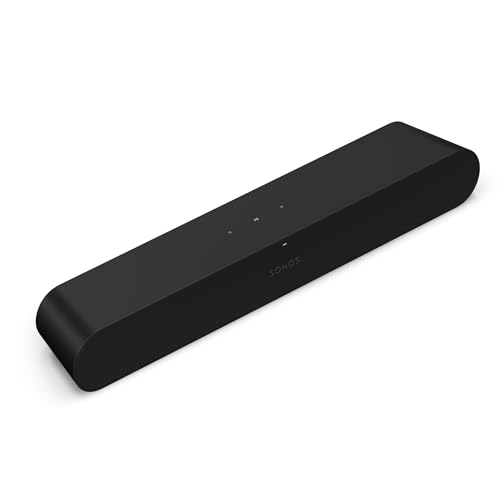
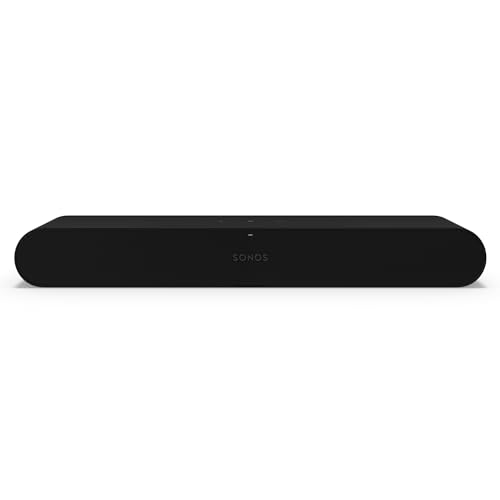
The Sonos Ray is a compact, entry-level soundbar designed for smaller TVs, offering a wide soundstage and significantly clearer audio than standard TV speakers. It features a unique, front-firing design that fits well into shelves and integrates into the Sonos ecosystem, although it lacks HDMI ARC and voice assistant microphones. While delivering punchy, balanced audio with exceptional dialogue clarity, the Ray’s performance is limited by a lack of Dolby Atmos support and a lack of deep bass compared to larger, costlier alternatives.
The Sonos Ray is a compact, four-star-rated soundbar from What Hi-Fi? designed for smaller spaces, offering an entry-level, forward-facing design that allows for versatile placement in cabinets. It delivers exceptional dialogue clarity, a punchy, aggressive sound suitable for gaming, and features Trueplay room calibration. However, the unit lacks an HDMI port (relying on optical) and Dolby Atmos support, limiting high-res audio and making volume control difficult with some modern TVs. While it lacks the wide soundstage and deep bass of the larger Sonos Beam, it remains a strong choice for those prioritizing a small footprint and clear speech.
The Sonos Ray is a compact, 22-inch soundbar designed as an affordable entry point into the Sonos ecosystem for smaller rooms, offering impressive dialogue clarity and a wide soundstage. It features four front-firing drivers and utilizes specialized waveguides, alongside support for Trueplay calibration and the full suite of music streaming services. Its forward-facing design allows for flexible placement, including inside TV stands. Key disadvantages stem from its budget-conscious design, including the exclusion of an HDMI port in favor of an optical-only connection, which prevents support for Dolby Atmos and HDMI-CEC control. While the sound is clear, the bass can suffer from distortion at high volumes, and the unit lacks built-in microphones for voice control. Ultimately, the Sonos Ray serves as a strong, no-fuss audio upgrade for bedrooms or secondary TVs. It is ideal for users looking for a budget-friendly way to integrate with a larger, existing Sonos multi-room system, despite its limitations regarding modern connectivity.
The Sonos Ray is a compact, entry-level 2.0 soundbar designed for small rooms, offering a neutral sound profile with exceptional vocal clarity. Key features include Trueplay room correction and integration into the broader Sonos app ecosystem, making it a strong choice for TV dialogue and casual listening. However, the unit lacks an HDMI ARC port, relying on optical connectivity, and does not support Dolby Atmos or high-resolution audio formats. Additionally, as a standalone bar without a dedicated subwoofer, it provides limited low-bass performance, resulting in a lack of cinematic rumble for movies and action content.
The Sonos Ray is a compact, 22-inch soundbar designed for smaller spaces and TVs ranging from 24 to 50 inches, delivering a balanced sound with impressive clarity for dialogue and music. It features front-facing drivers, allowing it to fit easily into shelves or tight spots, and integrates with the Sonos ecosystem for easy multi-room streaming via Wi-Fi. Pros include high-quality, clear audio performance for its size and an simple, app-based setup, while cons include a lack of HDMI ARC, limited bass, and no built-in voice control.
The Sonos Ray, priced at £279, is a compact 22-inch soundbar designed for smaller spaces, offering impressive, clear audio for its size and price. It thrives within the Sonos ecosystem, featuring straightforward app setup, multiroom capabilities, and specialized audio modes like "Speech Enhancement". However, the unit lacks HDMI, relying on an optical connection that restricts audio formats, and omits built-in microphones for smart assistants or Bluetooth functionality. While offering a punchy, direct sound for TV and music, it delivers a less immersive, non-Dolby Atmos soundstage compared to the higher-end Sonos Beam.
The Sonos Beam (Gen 2) is the superior choice for a cinematic experience, featuring immersive virtual Dolby Atmos, HDMI eARC, and built-in voice assistants, though it carries a higher price point. The more affordable Sonos Ray offers excellent dialogue clarity and a compact design ideal for small spaces, but lacks Dolby Atmos, has no microphones, and relies on an optical-only connection. Ultimately, the Beam is better for main TVs requiring robust sound, while the Ray serves as a capable, budget-friendly, no-frills alternative for secondary setups.
The Sonos Ray is a compact, 21-inch soundbar designed for smaller spaces, offering a budget-friendly entry into the Sonos ecosystem with clear dialogue and impressive volume for its size. Pros include well-balanced audio performance for both TV and music, alongside the extensive customization options within the Sonos app. However, the unit lacks deep bass, relies on an optical connection instead of HDMI ARC, and cannot process Dolby Atmos. Other cons include potential high-frequency distortion at maximum volumes and the absence of Bluetooth connectivity. Homes and Gardens
The Sonos Ray is a compact, entry-level soundbar offering a significant TV audio upgrade via a simple, one-box solution focused on exceptional vocal clarity and a balanced midrange. It features a wide soundstage for its size, but notably relies solely on an optical connection, lacking HDMI and support for advanced formats like Dolby Atmos. While offering great build quality and ecosystem integration, the unit lacks deep bass and built-in voice assistants, making it best suited for smaller rooms or secondary televisions.
The Sonos Ray is a compact, entry-level soundbar designed for small spaces, featuring a tapered design and specialized "Speech Enhancement" mode for high vocal clarity. It integrates seamlessly into the Sonos ecosystem, allowing for easy multi-room audio, though it lacks an HDMI port, utilizing only an optical connection. Key drawbacks include a lack of Bluetooth, no built-in microphones for voice assistants, and the omission of advanced formats like Dolby Atmos. While offering a wide soundstage for its size, the Ray struggles with deep bass during intense scenes and can produce anemic low-end frequencies compared to larger alternatives. The review concludes it is a solid "gateway" device, but suggests the Beam Gen 2 for those seeking a more future-proof centerpiece. Tech Advisor
The Sonos Ray is a compact, affordable soundbar designed for smaller spaces, offering excellent midrange performance and clear dialogue within the Sonos ecosystem. It excels in setup simplicity and app integration, though it lacks an HDMI port, supporting only optical connections without Dolby Atmos. While ideal for secondary rooms, the Ray features limited bass and a narrow soundstage, which may feel underwhelming compared to competitors at a similar price point.
The Sonos Ray is a compact, entry-level soundbar designed for smaller spaces and TVs, focusing on essential audio quality rather than premium features. It offers a significant upgrade over standard TV speakers, featuring a "mighty" punch, clear dialogue, and a wide soundstage suitable for smaller setups. However, to meet a lower price point, the device relies on an optical connection without HDMI or Dolby Atmos, and lacks both Bluetooth and built-in voice assistants.
The Sonos Ray is a compact, entry-level soundbar designed for smaller spaces, providing a significant audio upgrade over standard TV speakers with a "meaty" and balanced sound. Its 22-inch design fits easily into tight spaces, featuring forward-firing drivers that ensure good performance even in enclosed shelves. Key benefits include exceptional vocal clarity for dialogues, simple setup via the Sonos app, and seamless integration into the Sonos Wi-Fi ecosystem, allowing for easy expansion with additional components. However, the soundbar has notable limitations, primary among them being the lack of an HDMI eARC port, restricting it to an optical connection only. This limitation means it cannot support advanced, high-bitrate audio formats like Dolby Atmos. Other downsides include the absence of a built-in microphone for voice assistants and no Bluetooth connectivity, along with potential distortion at maximum volumes. For a detailed analysis, visit Smart Home Sounds.
The Sonos Ray is a compact, entry-level soundbar offering high-quality, balanced audio for small spaces, described by Der Spiegel as delivering significant sound for a lower price point. Pros include seamless Sonos app integration, multi-room capability, Trueplay tuning, and specialized modes like speech enhancement, making it ideal for bedrooms. However, key cons involve the lack of an HDMI port—relying instead on optical connection—which excludes HDMI-CEC control and high-end formats like Dolby Atmos, along with no built-in microphones.
The Sonos Ray, as reviewed by Computer Bild, serves as an accessible, compact soundbar ideal for smaller rooms, offering high-end features like Trueplay calibration and excellent vocal clarity in a small, trapezoidal design. Notable cons include the lack of an HDMI port, which restricts connectivity to optical-only and eliminates Dolby Atmos support, alongside limited bass performance. Despite these limitations, it integrates into the broader Sonos ecosystem and can be expanded into a 4.1 surround system. For more details, visit the review at Computer Bild.
The Sonos Ray is a compact, entry-level soundbar designed for smaller spaces, offering impressive, balanced sound and exceptional vocal clarity for its size. Its front-facing acoustic design allows for flexible placement, including inside TV cabinets, without compromising audio quality. However, the unit lacks an HDMI port and relies on an optical connection, missing out on HDMI-CEC functionality and high-end audio formats like Dolby Atmos. Despite lacking built-in voice assistant microphones, it integrates well into the Sonos ecosystem, featuring AirPlay 2 and robust app control. While suitable for improved dialogue and music, the Ray lacks deep bass, making it better for secondary rooms rather than primary home cinema, as detailed by n-tv.de and others.
The Sonos Ray is a compact, entry-level soundbar designed for smaller spaces, offering clear dialogue and a balanced soundstage that improves upon standard TV audio. Pros include its space-saving design with forward-facing drivers, allowing for flexible placement in shelves without muffled sound. Key cons stem from cost-saving measures, notably the lack of an HDMI port in favor of an older optical connection, which limits audio formats to Dolby Digital and omits Dolby Atmos support. Technically, the device relies on an infrared sensor for remote sync, rather than seamless HDMI-CEC control. While precise, the bass lacks the deep impact found in larger, more expensive models like the Sonos Beam. The unit lacks built-in voice assistants or Bluetooth, focusing instead on core functionality. As a "gateway drug" into the Sonos ecosystem, it features Trueplay tuning for room optimization (iOS required) and supports AirPlay 2. It serves as a high-quality, "no-nonsense" upgrade for users prioritizing compact size and Sonos integration over premium features. For more details, read the original Stern.de article.
The Sonos Ray is a compact, affordable soundbar designed for smaller rooms, offering a space-saving design with all front-facing drivers that allows for placement within furniture. Its key strengths include exceptionally clear dialogue reproduction, straightforward integration into the Sonos multi-room ecosystem, and the ability to calibrate audio using Trueplay on iOS. However, the review highlights significant limitations compared to higher-end Sonos models, including the lack of an HDMI port, which restricts it to an optical connection and excludes support for formats like Dolby Atmos. Additionally, the unit lacks built-in microphones for voice assistants, and while performance is good for its size, the bass lacks deep impact, say audiovision.de. Technically, the Ray employs a 2.0-channel setup featuring four Class-D digital amplifiers, delivering strong, clear audio for its size. It excels in applications demanding enhanced vocal clarity and offers specialized settings like Night Sound, though it remains a stereo device that downmixes 5.1, making it best suited for casual listening rather than immersive home cinema, according to the review.
The Sonos Ray is a compact, entry-level soundbar designed for smaller spaces, offering an affordable entry into the Sonos ecosystem with excellent vocal clarity. Key advantages include its easy setup, integrated Wi-Fi for multiroom audio, and robust dialogue performance, though it lacks HDMI connectivity. The primary drawbacks are reliance on an optical connection, no Dolby Atmos support, and a lack of deep bass, making it suitable for TV and music rather than immersive cinema experiences.
The Sonos Ray is a compact, affordable soundbar designed as a "gateway" into the Sonos ecosystem, delivering clear dialogue and balanced sound for small spaces. It features a versatile, 71mm high design with solid, balanced audio performance for music and movies, complemented by Trueplay tuning for room optimization. However, it lacks an HDMI port, relying on optical connectivity without Dolby Atmos support, and lacks built-in microphones for voice assistants, providing limited low-end bass.
The Sonos Ray is a highly compact, entry-level soundbar (55.9 cm wide) designed specifically for smaller spaces, featuring a minimalistic "wedge" design suitable for TV stands or enclosed cabinets. It excels in vocal clarity and midrange detail, utilizing forward-facing drivers and Trueplay tuning to deliver superior sound compared to standard TV speakers. However, the unit lacks HDMI connectivity (relying on optical) and Dolby Atmos support, resulting in a 2.0 system that requires additional, expensive Sonos hardware for robust bass. Pros: Ultra-compact, versatile design for small spaces.Excellent, clear dialogue and vocal performance.Seamless integration with the Sonos ecosystem and app. Cons: No HDMI port; relies solely on optical connection.No Dolby Atmos or advanced spatial audio formats.Weak, thin bass output without a dedicated sub.
The Sonos Ray is a compact, entry-level soundbar designed for smaller spaces, offering superior vocal clarity via Speech Enhancement, forward-firing speakers suitable for enclosed spaces, and full integration into the Sonos ecosystem. Key pros include an aesthetic, minimalist design, ease of use, and advanced software features like Trueplay tuning. However, notable cons stem from its budget constraints, including the lack of an HDMI port (relying only on optical) and the absence of Dolby Atmos support. Additionally, it lacks built-in microphones for voice assistants and omits Bluetooth connectivity. While providing a wide soundstage for its size, the 2.0 channel system lacks deep bass, making it best suited for dialogue-driven content rather than immersive cinema experiences.
The Frandroid review of the compact Sonos Ray highlights its balanced audio performance, offering exceptional dialogue clarity and a rich midrange suitable for smaller spaces and entry-level setups. While it features seamless Sonos ecosystem integration, the review notes significant limitations, including the lack of HDMI connectivity, limited soundstage width, and a reliance on optical audio, resulting in no Dolby Atmos support. Despite these constraints, the Ray is considered a solid, affordable option for secondary rooms, provided users can accept its and aged connectivity, as highlighted by Frandroid.
The Sonos Ray (S36) is a compact, entry-level soundbar ideal for smaller spaces, offering balanced audio via two mid-woofers and tweeters. Key pros include a sleek, minimalist design, effective Speech Enhancement and Night Sound modes, and seamless integration into the Sonos Wi-Fi ecosystem. Key cons involve limited connectivity, specifically lacking HDMI eARC in favor of an optical input, which restricts high-definition audio support. Additionally, the unit provides limited low-end power compared to larger, dedicated subwoofer systems. Features include iOS-only Trueplay calibration, app-based EQ settings, and top-mounted touch controls. Overall, it serves as a high-quality, entry-level, connected TV speaker, rather than an immersive home theater solution.
The Sonos Ray is a compact, 22-inch soundbar designed for smaller spaces, offering a budget-friendly entry into the Sonos ecosystem with a solid build and front-firing drivers suited for enclosed shelves. It delivers excellent, clear dialogue and a wide soundstage for its size, yet suffers from limited bass depth and lacks immersive Dolby Atmos support. Key trade-offs include an optical-only connection instead of HDMI-ARC and the omission of built-in microphones, though it retains full App-based functionality and Trueplay tuning.
The Sonos Ray is a compact, affordable 22-inch soundbar designed for smaller spaces, offering exceptional vocal clarity, a wide soundstage, and seamless integration into the Sonos ecosystem. While its front-firing design allows for versatile placement, the unit relies on an optical connection instead of HDMI, resulting in a lack of Dolby Atmos/DTS:X support and no HDMI-CEC functionality. Although it significantly boosts dialogue over native TV speakers, the Ray struggles with deep bass and lacks a built-in microphone for voice assistants, positioning it as a capable entry-level option rather than a full home theater solution.
According to the 01net review, the Sonos Ray is a compact, entry-level soundbar designed for smaller spaces, offering impressive vocal clarity and a significant upgrade over standard TV audio. Its design allows for versatile placement, including inside furniture. However, a major drawback is the lack of HDMI connectivity, relying instead on an optical port, which limits its capabilities to basic stereo for 5.1 content and removes HDMI-CEC control. Additionally, it lacks integrated smart assistant microphones. Despite these limitations, it serves as a high-quality, budget-friendly entry point into the Sonos ecosystem, featuring AirPlay 2 and robust Wi-Fi capabilities. 01
The Sonos Ray is a compact, entry-level soundbar designed for smaller spaces, featuring a unique forward-facing acoustic design that allows for placement inside media consoles, say Maison Adam. It relies on an optical connection rather than HDMI ARC and integrates into the Sonos Wi-Fi ecosystem for easy setup. Performance-wise, the review notes excellent dialogue clarity and effective "Speech Enhancement" modes, although the soundstage is narrow and lacks Dolby Atmos support. Users can expect limited bass and a less immersive experience compared to larger models, making it unsuitable for large rooms. Pros include a compact design and great app integration, while cons include the lack of HDMI/Bluetooth and limited low-end frequencies. The Ray is a premium budget option ideal for bedrooms or secondary TVs, provided users do not require deep bass.
The Sonos Ray is a compact, entry-level soundbar featuring a front-firing design that fits in tight spaces and offers a cost-effective entry into the Sonos multi-room ecosystem. It delivers improved dialogue clarity and balanced sound for its size, with setup enhanced by the Sonos app and Trueplay tuning. However, it lacks an HDMI ARC port—relying solely on optical connectivity—and lacks Dolby Atmos support or built-in microphones for voice assistants.
The Sonos Ray is a compact, entry-level soundbar designed for smaller spaces, utilizing four Class-D amplifiers to deliver clear audio for its size. Key advantages include exceptional vocal clarity, seamless integration with the Sonos app, and useful features like Trueplay calibration and Night Sound. However, the unit lacks HDMI connectivity, relying solely on an optical input, and does not support high-end formats like Dolby Atmos. Furthermore, while suitable for smaller rooms, it lacks deep bass and offers lower maximum volume compared to more advanced models. YouTube +6For more details, visit iGen.fr.
The Sonos Ray is a compact, affordable soundbar designed for small spaces, offering surprisingly robust sound and punchy bass that significantly upgrades standard TV audio. Its forward-facing design is optimized for placement in tight spots like shelves, and it integrates seamlessly into the Sonos ecosystem with support for AirPlay 2 and Trueplay tuning. While offering excellent vocal clarity and app-controlled, the unit notably lacks an HDMI port—relying on optical—and does not support Dolby Atmos. Other limitations include the lack of built-in voice assistants and weaker bass performance compared to higher-end models like the Sonos Beam.
The Revista GQ review highlights the Sonos Ray as a compact, entry-level soundbar with a sleek, 22-inch tapered design, engineered specifically for smaller spaces and tight TV stands. Despite its size, the unit delivers high-quality, front-facing audio with significant vocal clarity and a wide soundstage, offering a massive upgrade over standard television speakers. Key advantages include seamless integration into the Sonos ecosystem for streaming, plus sound-tuning features like Trueplay, Speech Enhancement, and Night Sound. The soundbar provides balanced audio performance for both music and movies, functioning effectively as an accessible entry point into the brand's ecosystem. However, the analysis notes key limitations, most notably the reliance on an optical connection instead of HDMI, which limits sound quality and excludes advanced formats like Dolby Atmos. The device lacks built-in microphones for voice assistants, features no Bluetooth connectivity, and requires the app or a TV remote for control, representing a compromise between price and advanced features.
The Sonos Ray is a compact, entry-level soundbar designed to significantly improve TV audio for small spaces, featuring a matte design that fits in tight areas. Its main strengths are excellent dialogue clarity, a balanced soundstage, and seamless integration into the Sonos Wi-Fi ecosystem. However, the unit lacks an HDMI ARC/eARC port, relying solely on optical connections, and does not support Dolby Atmos, which limits its high-end performance. Designed for value, the Ray lacks a dedicated remote, requiring the Sonos App, and lacks the deep bass found in more premium, larger models. Despite these limitations, it offers robust features for its price, including Trueplay tuning and AirPlay 2 support. It serves as a capable, minimalist, and budget-friendly upgrade for bedrooms or gaming setups, focusing on enhanced vocal intelligibility rather than full cinematic surround sound.
The Sonos Ray is a compact, affordable entry into the Sonos ecosystem designed for small spaces, featuring a versatile design that performs well even inside shelves. Audio-wise, it delivers excellent vocal clarity for dialogue, though it lacks deep bass and lacks support for advanced formats like Dolby Atmos. A significant limitation is the omission of HDMI ARC in favor of an optical connection, alongside lacking Bluetooth and built-in microphones for voice assistants.
The Gamereactor review describes the Sonos Ray as a compact, entry-level soundbar providing balanced, controlled audio with clear dialogue, making it ideal for smaller rooms or gaming setups. However, the unit faces significant limitations, primarily its reliance on an optical Toslink input rather than HDMI ARC/eARC, which restricts high-definition audio support and complicates setup. While it integrates well into the Sonos ecosystem, it struggles to compete with similarly priced alternatives from Sony or Samsung that offer better connectivity and superior bass. Pros and Cons Pros: Compact design ideal for small spaces, clear dialogue for movies/music, and easy integration with Sonos multi-room/AirPlay 2.Cons: No HDMI port (optical only), lacks support for high-def formats like Dolby Atmos, and weak bass performance.
The Sonos Ray is an entry-level, compact soundbar featuring a forward-facing design ideal for tight spaces, offering clear dialogue and a balanced soundstage that improves upon standard TV audio. While praised for its budget-friendly price and design, cons include the lack of HDMI eARC and Dolby Atmos support. Paired with the Sub Mini, which uses dual 6-inch, inward-facing woofers to eliminate vibrations, the system delivers punchy, distortion-free bass that enhances low-frequency performance. This combination thrives on Sonos ecosystem integration and Trueplay tuning, which optimizes sound for specific room acoustics. The plug-and-play app interface makes installation easy, though the overall cost is high for an entry-level setup and Trueplay is limited to iOS users. Overall, the review finds the system to be an excellent, high-quality audio solution for small to medium-sized rooms. For a full review of the Sonos Sub Mini and Ray, read the article at iGizmo.it.
The Sonos Ray is a compact, entry-level soundbar designed for tight spaces, offering excellent dialogue clarity and seamless integration into the Sonos ecosystem via the S2 app. Key pros include its forward-firing design suitable for cabinet placement, Trueplay room tuning, and easy setup, though it lacks deep bass. Major cons, as highlighted in the review, are the absence of an HDMI port (relying on optical), no Dolby Atmos support, and lack of built-in voice assistants.
The Sonos Ray is a compact €299 soundbar designed to bring the Sonos ecosystem to smaller spaces, functioning as an entry-level, forward-firing unit suitable for tight shelves. Pros include excellent dialogue clarity, punchy, balanced sound for its size, and full integration with the Sonos app and AirPlay 2. Key cons include the lack of HDMI (optical only), no Dolby Atmos/DTS:X support, absence of built-in voice assistants, and limited bass. For more details, visit DDay.it.
The Macitynet review highlights the Sonos Ray as a compact, entry-level soundbar designed to significantly upgrade TV audio, featuring a versatile, forward-facing design suitable for confined spaces. Key pros include exceptional vocal clarity, Trueplay room tuning, and seamless integration into the Sonos multi-room ecosystem, making it a strong budget option. However, the review notes significant cons, such as the reliance on an optical connection instead of HDMI, lack of Dolby Atmos support, and limited bass response.
The Sonos Ray is a compact, entry-level soundbar designed for smaller spaces, offering superior sound to standard TV speakers with front-facing drivers suitable for enclosed, narrow spaces. It delivers balanced audio, excellent vocal clarity via a "Speech Enhancement" mode, and seamless integration with the Sonos S2 app ecosystem. However, the unit lacks an HDMI port (relying on optical only), does not support advanced audio formats like Dolby Atmos, and lacks deep bass and built-in voice assistant microphones.
The Sonos Ray is a compact, entry-level soundbar ideal for small spaces, featuring a wedge-shaped design and front-firing acoustic components that ensure clear dialogue and a wide soundstage. While it supports app-based multi-room audio and Trueplay tuning, it lacks HDMI-ARC, utilizing only optical input which limits high-end audio formats like Dolby Atmos. Although offering impressive performance for its size, the unit lacks deep bass and requires an infrared remote for volume control due to the lack of HDMI-CEC, with optional subwoofers significantly raising the cost.
The Sonos Ray is a compact, budget-friendly soundbar designed for smaller rooms or secondary TVs, offering a cost-effective entry into the Sonos ecosystem. It features forward-firing acoustic design for flexible placement and excels in dialogue clarity, significantly upgrading standard TV audio with a balanced soundstage. Notable drawbacks include the lack of an HDMI port, relying only on optical, which restricts it to stereo PCM rather than Dolby Atmos and prevents seamless TV remote integration. YouTube +7The soundbar also lacks built-in microphones, resulting in no native voice assistant support, although it maintains app-based control. While the Ray delivers impressive sound for its size, its bass response is limited, which may not satisfy users looking for deep, cinematic rumble. However, it is easily upgradable with a Sub Mini or rear surrounds to improve performance, although this increases the overall cost.
The Sonos Ray is a compact, entry-level soundbar designed for smaller spaces and entry into the Sonos ecosystem. It offers surprisingly impactful audio and clear dialogue, providing a significant upgrade over standard TV speakers with advanced features like Trueplay tuning. Pros include a versatile, compact design, strong mid-range audio for TV and music, and full integration with the Sonos app and AirPlay 2. Cons include limited connectivity, specifically lacking HDMI/eARC in favor of an older optical connection, and the absence of immersive formats like Dolby Atmos. Additionally, it lacks built-in microphones for voice control and Bluetooth, while bass performance is limited due to its size.
a little longer The Sonos Ray is a compact, entry-level soundbar designed for smaller spaces and secondary TVs, offering a significant audio upgrade over built-in speakers. It provides exceptional vocal clarity through dedicated mid-woofers and supports the Sonos ecosystem, including app control and Trueplay tuning. Despite its strengths, the unit lacks HDMI ARC/eARC connectivity and lacks deep bass, relying solely on an optical connection and lacking built-in microphones for voice assistants. For more details, visit Trusted Reviews.
The Sonos Ray is a compact, 22-inch soundbar designed for smaller spaces, offering exceptional vocal clarity, a wide soundstage, and versatile placement options for, such as inside cabinets. It serves as an accessible entry point into the Sonos ecosystem, featuring forward-facing drivers and software-driven enhancements. However, the unit lacks an HDMI port—relying only on optical audio—and lacks built-in microphones, while delivering limited, "anemic" bass performance. While ideal for enhancing dialogue, it faces stiff competition in its price bracket due to these hardware limitations.
The Sonos Ray is a compact, 22-inch soundbar designed as an affordable entry point into the Sonos ecosystem, featuring a minimalist design ideal for small TVs and tight spaces. It excels in vocal clarity and provides a balanced soundstage for its size while allowing for seamless multi-room streaming via the Sonos app. Key compromises include the lack of HDMI connectivity (optical only), no built-in voice assistant microphones, and limited bass for action content, making it best suited for dialogue-heavy viewing.
The Sonos Ray is a compact, budget-friendly soundbar designed for small rooms, offering exceptional vocal clarity and balanced midrange performance that significantly improves TV audio. Pros include integration into the extensive Sonos multi-room ecosystem, Trueplay tuning for iOS, and a surprisingly wide soundstage for its size. However, it lacks an HDMI port (using optical only) and built-in voice assistants, with no support for Dolby Atmos or DTS:X. While decent for its size, it lacks deep bass for larger spaces, making the Sonos Beam a better, albeit pricier, alternative. Review the full analysis on ID.nl.
The iEar' "Best Soundbars" guide highlights top-tier audio solutions designed to deliver immersive, cinematic sound with technologies like Dolby Atmos, elevating TV audio beyond standard speaker capabilities. These systems emphasize versatility, acting as high-fidelity music streamers compatible with services like Spotify and Tidal, while supporting multi-room integration. Key advantages include ease of use through HDMI eARC and app control, although achieving deep, resonant bass often requires investing in a separate wireless subwoofer, increasing both cost and footprint. For detailed recommendations and pros/cons, visit iEar'.
The Power Unlimited review highlights the €299 Sonos Ray as a compact, budget-friendly soundbar ideal for smaller spaces, offering excellent dialogue clarity and integration into the broader Sonos ecosystem via app and AirPlay 2. Key pros include its forward-facing drivers, allowing for placement inside cabinets, and Trueplay tuning capability. However, the review notes significant cons, specifically the lack of an HDMI port in favor of optical-only connectivity, the omission of native voice assistant support, and weak bass performance.

Compare