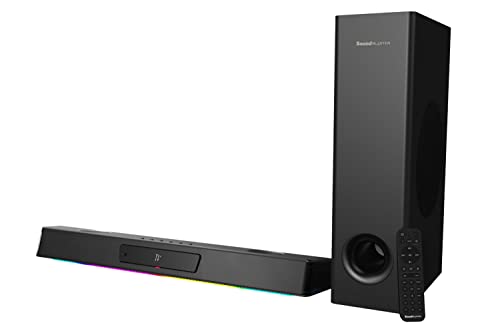
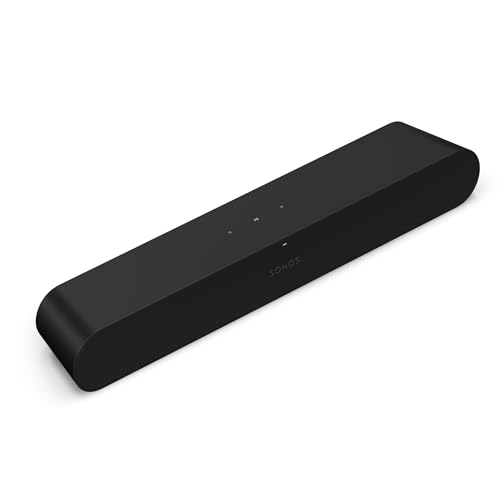
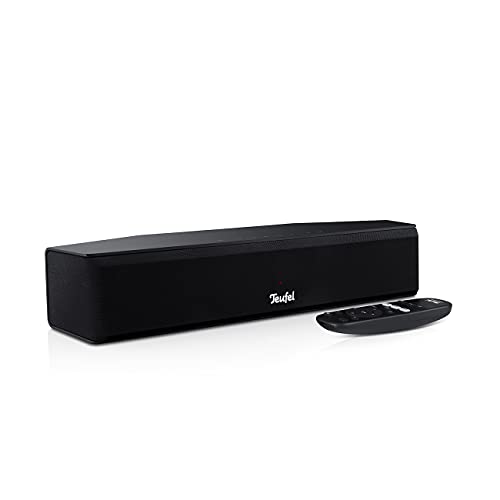
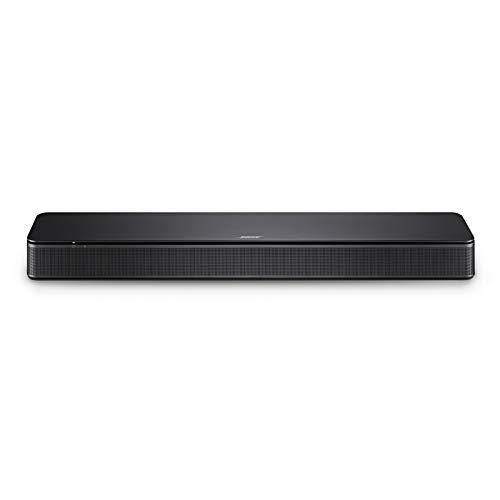
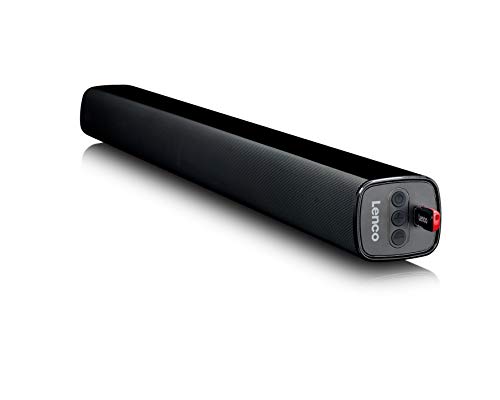
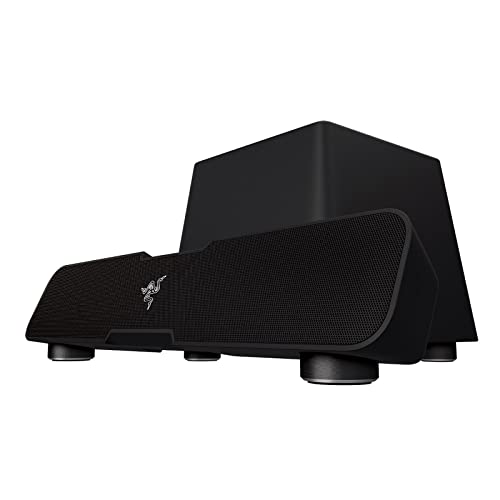
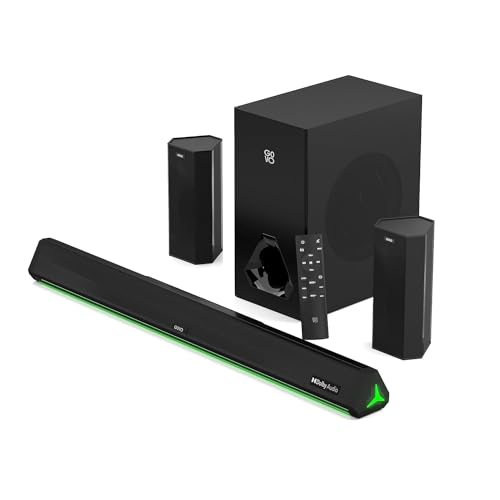
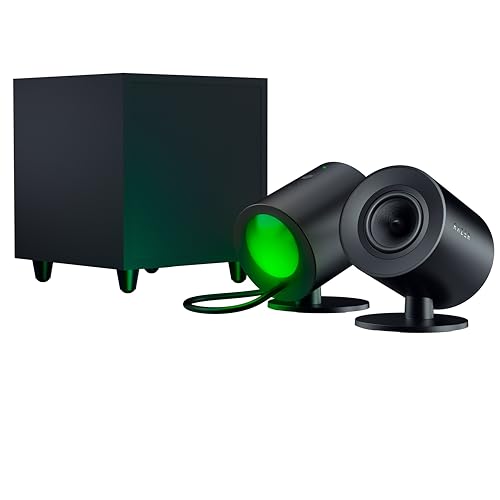
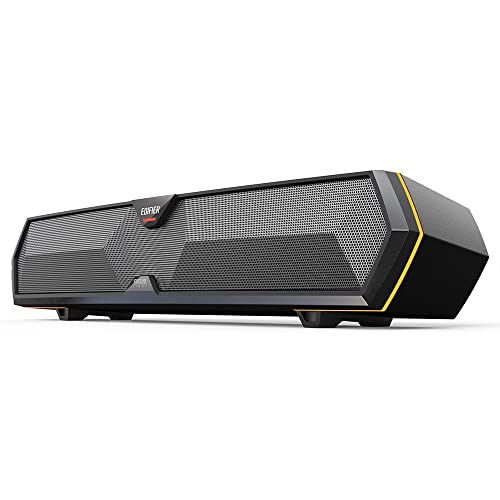
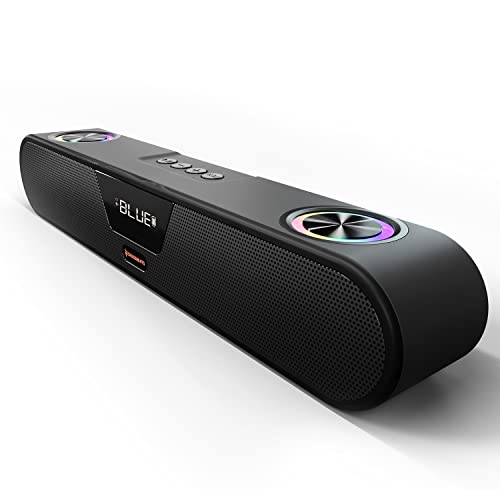
Which brands make the best small soundbars?
The best small soundbar brands are as follows:
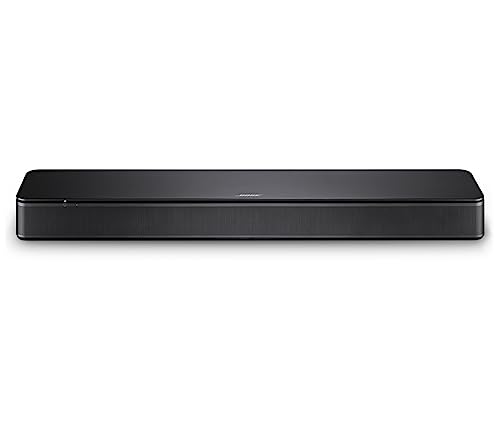
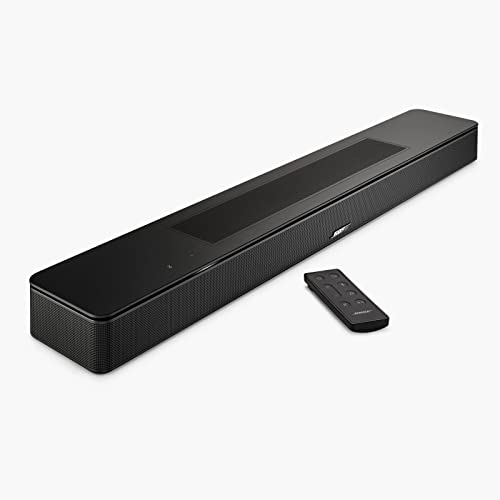
- Bose (Average overall score: 5.9)
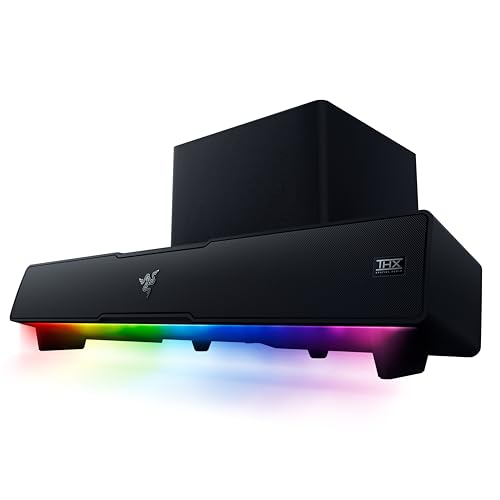
- Razer (Average overall score: 5.8)
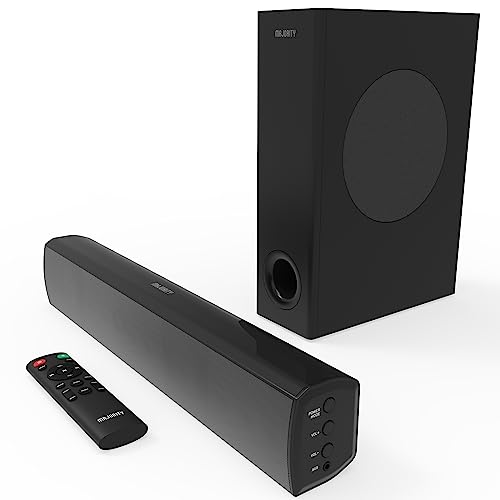
- Majority (Average overall score: 5.8)
The chart below ranks small soundbar brands by average overall score.
[horizontal-chart-02531109719197327160170813006731395361311151654983]
When is a small soundbar enough?
A small soundbar is enough when your main goal is clearer TV dialogue and cleaner everyday sound from a compact cabinet rather than a full cinema-style setup. In this size class, most models are still 2.0 or 2.1 designs, which tells you they are built mainly for simple front-stage improvement.
That is usually enough for bedrooms, desks, smaller TVs, kitchens, or narrow furniture where a full-width soundbar would be awkward. It is less convincing if you want strong bass, wider channel separation, or a more immersive surround presentation.
So a small soundbar is the right fit when space is the main limit and the upgrade goal is practical rather than cinematic. If you want bigger bass or multi-channel hardware, the compact form factor usually becomes the first compromise.
How much do small soundbars usually cost?
Most small soundbars cost under £85, and many of the rest still stay below £170. That makes compact soundbars one of the clearest budget-focused parts of the soundbar market.
Once you move above the cheapest tier, you usually pay for a cleaner cabinet, better dialogue tuning, ARC support, or a 2.1 layout instead of basic stereo only. Very few compact models reach the £255-£425 range, and those are usually the exceptions rather than the standard.
So the pricing here is strongly entry-level. If a small soundbar becomes expensive, it should usually justify that with noticeably better connectivity, subwoofer support, or a more specialized compact design.
How much sound can a small soundbar deliver?
A small soundbar can usually deliver enough sound for basic TV use, but it is normally limited by cabinet size, driver spacing, and simpler channel layouts. In this group, the hardware is dominated by 2.0 and 2.1 designs, with almost no serious multi-channel or Atmos-capable systems.
That means the sound can be clear and useful without becoming large or room-filling in the way a bigger bar can. Dialogue improvement is common, but scale, bass weight, and front-stage width are usually the first things that remain limited.
So the real expectation should be cleaner and more focused sound, not cinema output. If you want stronger low-end impact or a wider front stage, a larger cabinet usually has the easier hardware advantage.
What size and mounting options matter most for a small soundbar?
The main size and mounting factors that matter for a small soundbar are as follows.
- Width band: Small soundbars usually run up to 600 mm wide, but there is still a big practical difference between sub-400 mm models and bars closer to 500-600 mm. The larger compact bars usually have more room for driver spacing and a broader front-stage than the very shortest ones.
- TV fit: A compact bar should sit neatly under the TV without sticking out past the screen base or cabinet edges. This matters most on 32-43 inch TVs, desks, and narrow furniture where width is the main reason to choose a small soundbar in the first place.
- Height clearance: A short bar can still block the lower part of the screen or the IR receiver if it is too tall for the TV stand layout. Check the bar height against the TV feet and the clearance under the panel, not just the width number.
- Wall-mount support: Not every compact soundbar is equally convenient to wall-mount, even if the size looks easy on paper. Check for mounting points or included brackets if the bar is meant to sit under a wall-mounted TV.
- Depth: Some compact soundbars are still fairly deep for their width. That matters on shelves, desks, or narrow furniture where front-to-back space is limited.
For a small soundbar, fit is one of the main technical advantages, so the measurements matter more than they do on larger bars. A model that is only slightly too tall, too deep, or too wide can cancel the main reason to buy a compact design.
What should you consider while choosing a small soundbar?
The main things to check while choosing a small soundbar are as follows.
- Width: Small soundbars are usually 600 mm wide or less, but there is still a meaningful difference between very short bars under 400 mm and larger compact models closer to 500-600 mm. The extra width usually gives the drivers more separation and makes the front sound less cramped.
- Channel layout: Most small soundbars are 2.0 models, with 2.1 layouts appearing as the main step up. If you expect more than a basic dialogue and stereo upgrade, this is one of the first specs to check.
- HDMI ARC support: Many compact models still have no ARC at all, while ARC is much more practical for simple TV use than relying only on optical or Bluetooth. If one small soundbar has ARC and another does not, that often matters more than minor marketing differences.
- Subwoofer support: Very few small soundbars include a subwoofer, so bass hardware is usually limited in this size class. If deeper bass matters, check this explicitly instead of assuming the compact bar can compensate on its own.
- Cabinet height and depth: Width is only one part of fit. A compact soundbar can still block the TV base, sit awkwardly on a desk, or overhang a shelf if the height and depth are not checked carefully.
- Mounting and ports: Small bars are often chosen for tight spaces, wall mounting, or desk use, so rear port position and mounting convenience matter more here than they do on larger cabinets. A compact bar with badly placed ports can be more awkward than its dimensions suggest.
- Use-case limit: A small soundbar is mainly a space-saving TV-audio upgrade, not a serious multi-channel cinema platform. If you already know you want stronger bass, bigger scale, or surround expansion, this compact class is usually the wrong hardware direction.
A small soundbar is usually worth it when space is the main constraint and the goal is a cleaner, easier TV-sound upgrade. The better model is usually the one that balances fit, ARC support, and basic channel hardware rather than chasing cinema claims from a very small cabinet.