Are Sonos soundbars good?
Sonos soundbars have an average overall score of 7.2, ranking #4 among all soundbar brands, and a user rating of 9, placing them at #3 based on user reviews.
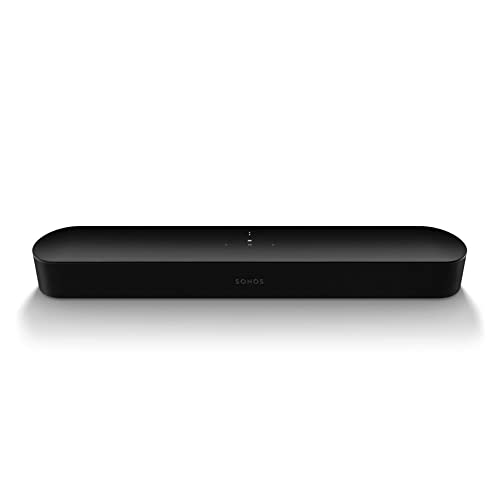
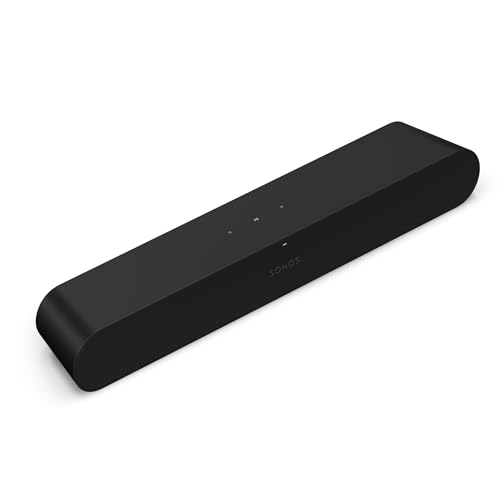
Sonos soundbars are good if you want a Wi-Fi-first TV soundbar that also works as part of a broader multiroom audio system. The strongest Sonos models combine eARC, Dolby Atmos, AirPlay, app control, dialogue enhancement, room calibration, and expansion through Sonos Sub and rear speakers.
The range is smaller than Bose, Samsung, or LG, but the technical ladder is clear. Ray is the simple 2.0 model, Beam Gen 2 is the compact Atmos option, Arc is the wider 5.0.2 bar, and Arc Ultra is the top specification with a 9.1.4 layout.
The main limitation is package hardware. Sonos soundbars do not normally include a subwoofer or rear speakers in the box, so the most immersive Sonos setup usually costs more than the soundbar alone.
The best available Sonos soundbars are as follows.
- Sonos Beam Gen 2 (Overall score: 7.24 points)
- Sonos Arc Ultra (Overall score: 7.18 points)
- Sonos Arc (Overall score: 7.16 points)
The chart below ranks soundbar brands based on their overall scores.
[horizontal-chart-04592904924512229361057660775741675581583712410342]
What are the main advantages of Sonos soundbars?
The main advantages of Sonos soundbars are as follows:
- Sonos ecosystem: Sonos soundbars are strongest when they are part of a wider Sonos home-audio setup. The app, Wi-Fi playback, AirPlay support, and multiroom control make them more useful for music and whole-home audio than a basic TV-only soundbar.
- Atmos coverage: Most Sonos soundbars above Ray support Dolby Atmos. Beam Gen 2 gives a compact Atmos entry point, Arc adds a wider 5.0.2 layout, and Arc Ultra moves much higher with a 9.1.4 channel layout.
- Clear model ladder: The Sonos range is easy to understand because each model has a distinct role. Ray is the compact 2.0 option, Beam Gen 2 is the smaller Atmos model, Arc is the wider premium bar, and Arc Ultra is the strongest home-cinema soundbar.
- Room calibration: Sonos includes room-calibration support across the soundbar range. This helps the soundbar adapt output to the room instead of relying only on fixed factory tuning, which is useful when placement or room shape is not ideal.
- Upgrade path: Sonos soundbars can be expanded with compatible Sonos subwoofers and rear speakers. That lets a buyer start with one bar and later build a stronger surround system without replacing the main soundbar.
What are the main disadvantages of Sonos soundbars?
Sonos soundbars have the following main disadvantages:
- No bundled subwoofer: Sonos soundbars generally do not include a subwoofer in the box. Ray, Beam, Arc, and Arc Ultra can work alone, but deep film bass usually needs a separate Sonos Sub or Sub Mini. That makes the real system price higher than the soundbar price.
- No bundled rears: Rear speakers are also not included as standard. Sonos can create a wide front stage, but proper rear-channel separation requires extra Sonos speakers behind the listener. This matters most for films, games, and larger rooms.
- Premium pricing: Sonos starts higher than many basic soundbar brands and reaches about £950 at the Arc Ultra level. The price is easier to justify if you use the Sonos ecosystem, but less attractive if you only need a simple TV speaker upgrade.
- Limited low end: Without an added subwoofer, the smaller Sonos bars are not the strongest choice for deep bass. Ray and Beam Gen 2 are especially dependent on compact cabinet limits, while Arc and Arc Ultra still benefit from a separate sub for heavier film effects.
- Ecosystem lock-in: Sonos expansion works best when you stay inside the Sonos speaker platform. That is useful for multiroom audio, but it limits flexibility if you want to mix rear speakers, subwoofers, or app control from other brands.
Who makes Sonos soundbars?
Sonos soundbars are made by Sonos, the American audio company founded in 2002 in Santa Barbara, California. Sonos built its name around networked home audio and later became a public company listed on Nasdaq under the ticker SONO. Official Sonos investor materials describe a business with more than 1,800 employees and distribution in over 60 countries.
Sonos is primarily known for wireless home speakers, multiroom audio, and software-based control of connected audio systems. The soundbar line sits inside that wider speaker platform, which centers on Wi-Fi networking, app management, streaming integration, and linked-room playback.
What are the main Sonos soundbar series?
Sonos soundbars are mainly divided into Ray, Beam, Arc, and Arc Ultra models rather than many separate series names.
- Ray: Sonos Ray is the compact entry soundbar with a 2.0 layout. It is the simplest Sonos soundbar and is focused on small-room TV sound, app control, Wi-Fi playback, AirPlay, dialogue enhancement, and room calibration rather than Dolby Atmos or eARC. It makes the most sense as a compact Sonos ecosystem entry point.
- Beam: Sonos Beam Gen 2 is the compact Atmos model. It adds eARC, Dolby Atmos, voice assistant support, and a 5.0 layout while staying much smaller than Arc or Arc Ultra. It is the practical middle choice when the TV setup needs Sonos smart features and Atmos without a very wide bar.
- Arc: Sonos Arc is the wider premium bar with a 5.0.2 layout. It is more suitable for larger TVs than Beam Gen 2 and gives a stronger Atmos-oriented front stage. It sits below Arc Ultra because it does not reach the same 9.1.4 channel specification.
- Arc Ultra: Sonos Arc Ultra is the flagship Sonos soundbar with a 9.1.4 layout. It is the strongest Sonos option for buyers who want the highest channel count inside the Sonos soundbar range. Like the other Sonos bars, it still depends on separate Sonos subwoofer and rear-speaker hardware for the most complete system.
How much do Sonos soundbars cost?
Sonos soundbars cost about £170 to £935, with the main price jump coming from eARC, Dolby Atmos, cabinet size, and the move from 2.0 playback to 5.0, 5.0.2, and 9.1.4 layouts.
Sonos Ray is the entry point at roughly £170-£215. It is mainly a compact 2.0 TV-audio and Sonos ecosystem bar, so the buyer is paying for app control, Wi-Fi playback, AirPlay, dialogue enhancement, and room calibration rather than Atmos or a large speaker array.
Sonos Beam Gen 2 moves the range to about £425 and is the main compact Atmos step-up. This tier adds eARC, Dolby Atmos, voice assistant support, and a 5.0 layout, so it is much more technically complete than Ray while still staying relatively small.
Sonos Arc and Arc Ultra occupy the premium tier at roughly £595-£935. The main decision is between Arc's wider 5.0.2 layout and Arc Ultra's much larger 9.1.4 specification. Extra subwoofer or rear-speaker hardware should be treated as a separate system cost.
How do Sonos soundbars compare with Bose models?
Sonos soundbars are usually stronger than Bose models for Wi-Fi multiroom audio and top-end channel layout, while Bose has a broader spread of simpler compact TV bars and Bluetooth-focused options.
At the entry level, Sonos Ray competes most directly with Bose Solo and Bose TV Speaker models. Ray is more connected through the Sonos app, Wi-Fi, AirPlay, and room calibration, while Bose has more simple low-cost TV-speaker replacement options.
In the middle of the range, Sonos Beam Gen 2 compares with Bose Smart Soundbar 600. Both are compact Atmos-oriented bars, but Sonos is more tied to the Sonos ecosystem, while Bose leans more toward Bose voice/control features and a broader Smart Soundbar ladder.
At the premium end, Sonos Arc and Arc Ultra compete with Bose Smart Soundbar 900 and Smart Ultra Soundbar. Sonos reaches a higher 9.1.4 channel layout with Arc Ultra, while Bose tops out at 5.1.2 in the comparable range. If the soundbar will become part of a whole-home speaker system, Sonos usually has the cleaner ecosystem advantage; if simple Bluetooth TV use matters more, Bose can be easier to justify.
What should you consider while choosing the best Sonos soundbar?
The main things to check while choosing the best Sonos soundbar are as follows.
- Model tier: Compare Ray, Beam Gen 2, Arc, and Arc Ultra as different technical levels, not just different sizes. Ray is a 2.0 entry bar, Beam Gen 2 is the compact Atmos and eARC model, Arc is the wider 5.0.2 premium bar, and Arc Ultra is the 9.1.4 flagship option. Choose the tier by TV size, Atmos needs, and how ambitious the overall system will be.
- Channel layout: The channel layout changes sharply across Sonos models. Ray is mainly a front-stage upgrade, Beam Gen 2 moves to 5.0, Arc adds height-channel structure with 5.0.2, and Arc Ultra reaches 9.1.4. If film immersion matters, the jump from Ray to Beam or Arc is more important than small convenience-feature differences.
- HDMI level: eARC is available on the stronger Sonos models and matters for cleaner TV integration and Atmos handling. Ray is the model to treat more carefully because it is the basic entry option and does not sit in the same HDMI tier as Beam, Arc, or Arc Ultra. For a main living-room TV, eARC should be one of the first specs to confirm.
- Atmos support: Dolby Atmos is not universal across Sonos soundbars. Beam Gen 2, Arc, and Arc Ultra support Atmos, while Ray should be treated as a non-Atmos TV-audio bar. If height effects are important, compare Beam against Arc and Arc Ultra by both Atmos support and channel layout, not by Atmos support alone.
- Control features: Compare app control, AirPlay, room calibration, voice assistant support, and Bluetooth across the exact Sonos model. Ray keeps the connected basics but skips voice assistant support, while Beam Gen 2, Arc, and Arc Ultra add a more complete smart-control package. If you want hands-free control or more advanced setup tuning, this feature split matters more than the Sonos name alone.
- Cabinet size: Sonos bars differ a lot in physical scale, and the step from Beam to Arc or Arc Ultra is not minor. A compact bar is easier to place under a smaller TV, while Arc-class models make more sense under larger screens and wider furniture. Width should be checked before moving to the premium tier.
- Speech versus cinema focus: Ray and Beam Gen 2 make more sense if you want a compact everyday TV bar with cleaner dialogue and simpler placement, while Arc and Arc Ultra are the stronger choices if the goal is bigger front-stage scale and more immersive film playback. This is a real model split inside Sonos and should be decided early.