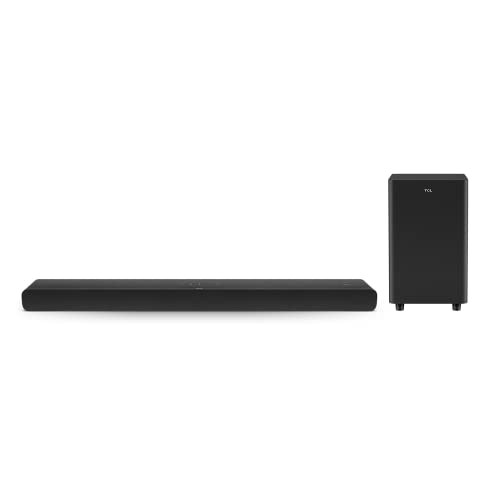
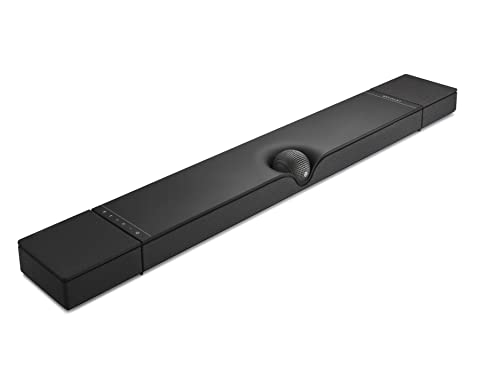
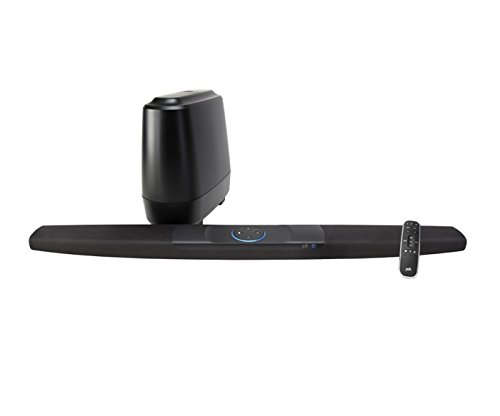
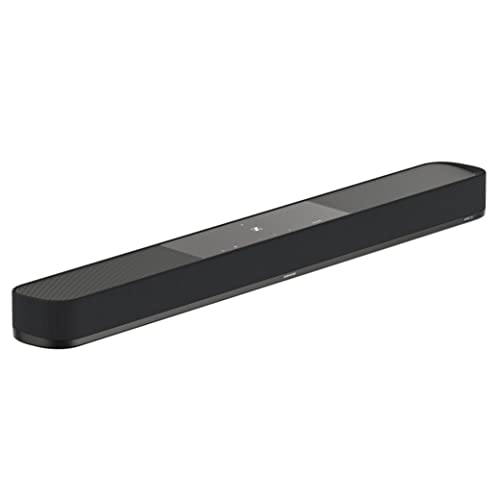
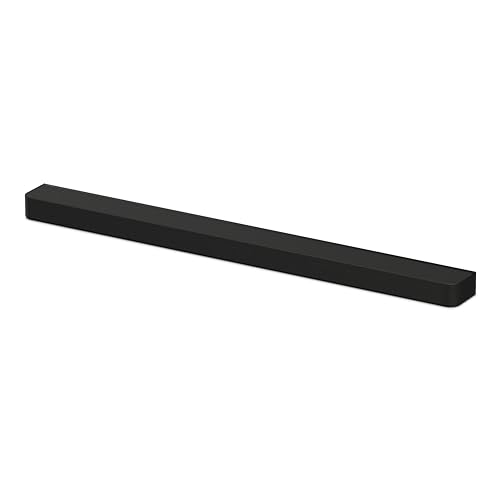
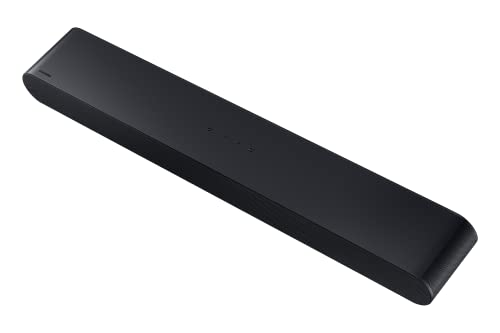
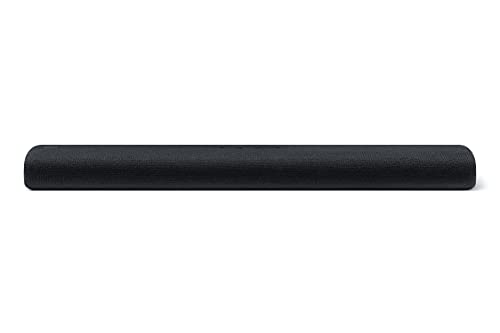
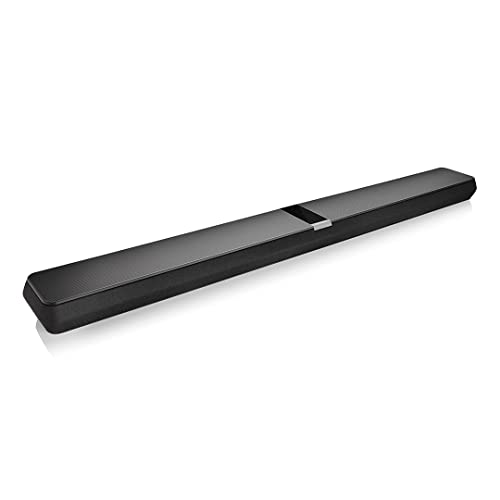
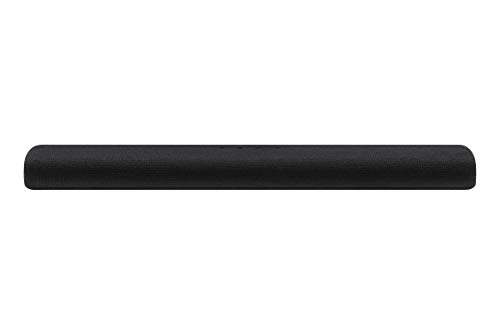
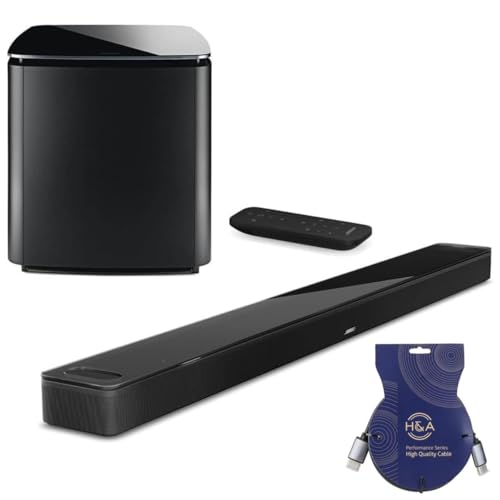
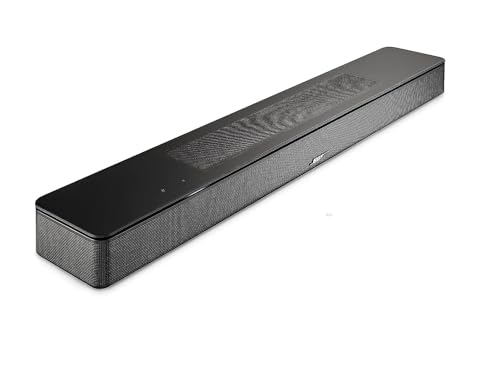
Which brands make the best soundbars for music?
The best soundbar brands for music are as follows:
- LG (Average overall score: 8.7)
- Sony (Average overall score: 8.3)
- Sennheiser (Average overall score: 8.1)
The chart below ranks soundbar brands for music by average overall score.
[horizontal-chart-08889676238210201257100194936448538524951616328686]
What makes a soundbar good for music listening?
A good soundbar for music should have stable Wi-Fi streaming, Bluetooth, Spotify Connect, and enough format support to handle common music libraries without routing everything through the TV.
The strongest music setups are not defined only by channel count; they also need clean stereo imaging, controlled vocal balance, and app-level control over playback.
Many music-capable soundbars support roughly 5 to 8 audio formats, while the more flexible models go higher. Most music-focused matches do not include a separate subwoofer, so bass quality depends heavily on the main bar drivers and tuning. A larger 5.x or 7.x layout can add scale, but a clean 2.0 or 3.0 bar can still be the better music choice if stereo balance and streaming support are stronger.
How do soundbars for music differ from movie-focused models?
Soundbars for music differ from movie-focused models mainly in source handling and tuning priorities.
A movie-first bar usually emphasizes HDMI, surround decoding, Atmos effects, and subwoofer impact. A music-first bar should put more weight on Wi-Fi streaming, Spotify Connect, format support, stereo coherence, and stable app control.
There is overlap between the two groups, especially in premium models with large channel layouts. The mistake is judging music performance only by surround specs. For music, a cleaner front stage and better streaming path can matter more than extra height channels.
The main music formats and tuning features to check are as follows.
- Supported music formats: Format support matters if you use local libraries, high-resolution files, or several streaming services. Do not rely only on a generic music playback claim; check the actual supported formats and how many the soundbar handles.
- Spotify Connect: Spotify Connect lets the soundbar stream directly from the service instead of using the phone as the audio relay. That usually gives a cleaner multi-device experience and keeps playback running even when the phone is used for something else.
- Wi-Fi connectivity: Wi-Fi is the stronger music connection for home listening because it is built for stable network streaming. Bluetooth is useful, but Wi-Fi is usually the better path for app control, multi-room playback, and higher-quality service integration.
- Native music services: Native support for services such as Amazon Music or Apple Music reduces dependence on external devices. Availability differs by platform, so check the service you actually use instead of assuming every streaming app is supported.
- EQ and room tuning: Music benefits from control over bass level, vocal presence, and treble balance. A soundbar with usable app tuning is easier to adapt to shelves, TV cabinets, and reflective rooms than a fixed-sound model.
Do music-focused soundbars need a subwoofer?
No, a music-focused soundbar does not always need a subwoofer.
Many music-focused soundbars do not include one, so the main bar often carries the full everyday music role by itself. That can work well for vocals, acoustic music, podcasts, and moderate-volume listening.
A subwoofer becomes more useful for electronic music, hip-hop, large rooms, or listeners who want stronger low-end weight. It can also become a problem if bass adjustment is weak or the room is small. If bass is a priority, check whether the subwoofer is included, whether its level can be adjusted, and whether the main bar still sounds balanced without overwhelming the midrange.
How much do the best soundbars for music cost?
Most soundbars for music cost from about £170 to well above £850, with only a small entry group below £170.
Around £170-£425, the main target is usually solid wireless streaming, Bluetooth, Spotify Connect, and basic format support. Around £425-£850, buyers should expect stronger app control, better driver quality, broader format support, and more convincing stereo scale.
Above £850, the price is usually tied to premium drivers, larger channel layouts, ecosystem features, and higher-end tuning rather than only louder playback.
What should you consider while choosing a soundbar for music?
The main things to check while choosing a soundbar for music are as follows.
- Wi-Fi streaming: Wi-Fi should be treated as a core music feature, not just a convenience extra. It usually gives a more stable home-listening path than Bluetooth and supports better app, service, and multi-room behavior. Check whether the soundbar streams directly over Wi-Fi or only uses the network for setup.
- Spotify Connect: Spotify Connect is important if Spotify is your main service because the soundbar receives the stream directly. That avoids using the phone as the audio source and makes switching devices cleaner. Check that Connect support is native, not only available through screen mirroring or Bluetooth.
- Supported music formats: Format support matters for local libraries, lossless files, and users who play music from more than one source. Many good music soundbars support several formats, but the exact list varies widely. Look at the named formats, not only the total count.
- Bluetooth fallback: Bluetooth is still useful for guests, quick pairing, and devices outside your home network. It should be treated as a fallback for music, not the main quality path. If Bluetooth will be used often, check codec support and whether the connection stays stable at normal listening distance.
- Stereo and vocal balance: Music playback depends heavily on front-stage coherence, vocal placement, and left-right separation. A simple 2.0 or 3.0 soundbar can be better for music than a larger surround model if the tuning is cleaner. Channel count helps only when the bar also keeps the stereo image stable.
- Bass and subwoofer setup: Many music-focused soundbars do not include a subwoofer, so the main bar must handle bass cleanly on its own. A subwoofer is useful for bass-heavy genres and larger rooms, but it needs level control to avoid covering vocals and midrange detail. Check whether bass can be adjusted independently before paying extra for a sub-heavy package.
- Native services and ecosystem: Native music-service support can matter more than small differences in HDMI specs for this use case. Amazon Music support is common among connected music soundbars, while Apple Music support is less universal. Choose based on the services and ecosystem you actually use, especially if you want app control or multi-room playback.