What is an AMD Ryzen 7 processor?
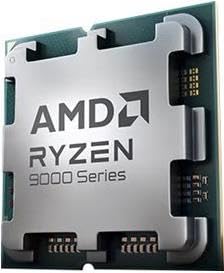
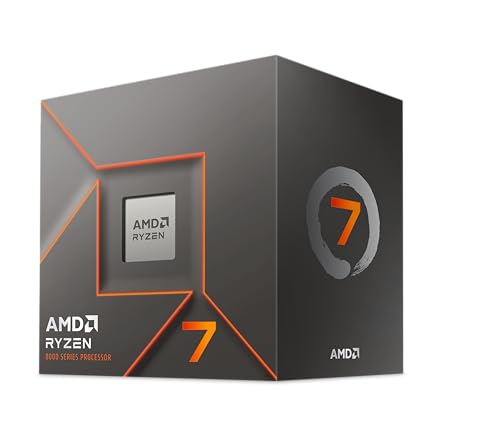
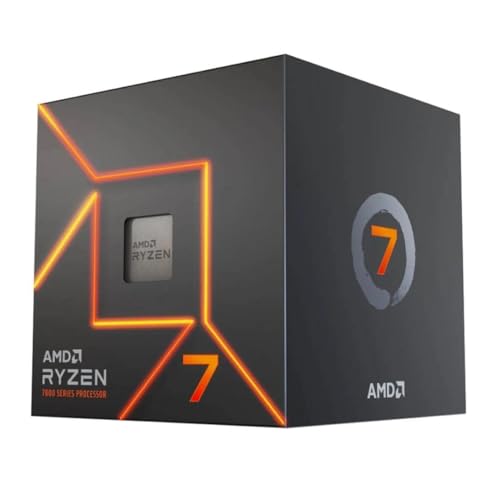
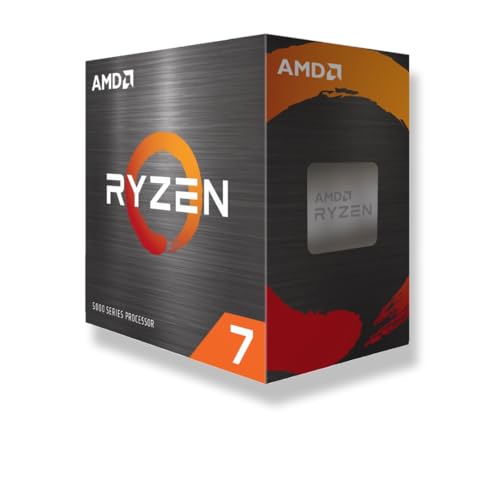
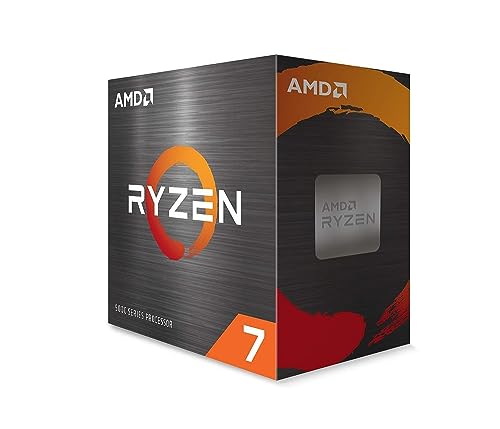
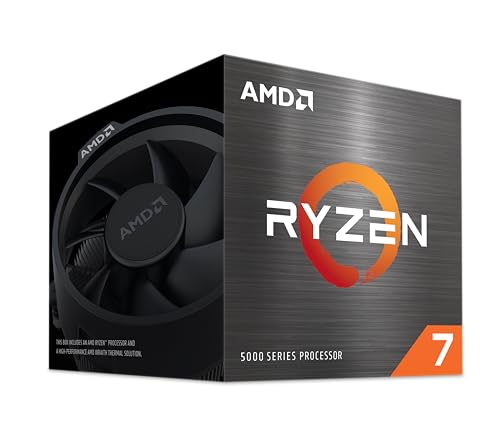
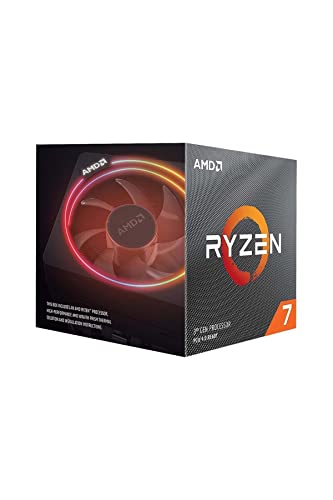
An AMD Ryzen 7 processor is a mid to high-end CPU from AMD’s Ryzen family that targets users who need strong performance for gaming, multitasking, and productivity. It sits above Ryzen 5 in terms of power and below Ryzen 9, so it balances high performance with a lower price compared to the flagship range.
Ryzen 7 processors use the AM4 or AM5 socket depending on the generation, and they integrate advanced architectures such as Zen 2, Zen 3, or Zen 4, which improve speed, efficiency, and instructions per cycle.
Is an AMD Ryzen 7 processor good for gaming?
Yes, AMD Ryzen 7 processors are excellent for gaming and deliver strong performance across modern titles. These CPUs feature multiple cores (typically 8 cores) and support simultaneous multithreading, which handles both gaming workloads and background tasks effectively. The Ryzen 7 series maintains high clock speeds and includes substantial L3 cache memory, both critical factors for smooth gaming performance and reduced frame time variance.
AMD Ryzen 7 processors work well with high-refresh-rate displays and can support demanding games at 1440p and 4K resolutions when paired with capable graphics cards. The architecture supports PCIe 4.0 connectivity and fast DDR4/DDR5 memory, which helps eliminate potential bottlenecks in gaming systems. These processors also handle streaming, recording, and multitasking scenarios without significant performance drops during gameplay.
The price-to-performance ratio of Ryzen 7 CPUs makes them competitive choices for gaming builds.
The best AMD Ryzen 7 CPUs are as follows.
- AMD Ryzen 7 9700X (Overall score: 9.02 points)
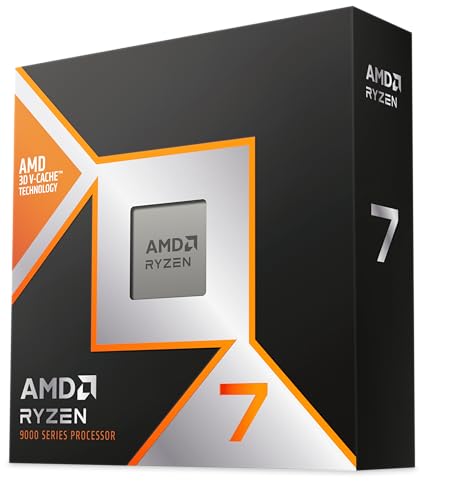
- AMD Ryzen 7 9800x3d (Overall score: 8.98 points)
- AMD Ryzen 7 Pro 7745 (Overall score: 8.85 points)
How do AMD Ryzen 7 CPUs compare to Ryzen 5 and Ryzen 9?
AMD Ryzen 7 CPUs sit between Ryzen 5 and Ryzen 9 in AMD's processor hierarchy, with each tier targeting different performance needs and price points as follows:
Ryzen 5: These processors target mainstream users who need solid performance for everyday computing and gaming. They typically feature 6 cores and 12 threads, which handles most applications well without excessive cost. The Ryzen 5 series delivers excellent value for budget-conscious users who want reliable performance for productivity tasks and 1080p gaming.
Ryzen 7: Ryzen 7 CPUs target enthusiasts and professionals who demand higher performance than mainstream options. They usually feature 8 cores and 16 threads, which provides substantial multitasking capability and faster rendering times. The Ryzen 7 series excels in content creation, streaming, and demanding applications while maintaining reasonable pricing for its performance level.
Ryzen 9: These processors target high-end users and professionals who need maximum performance regardless of cost. They feature 12-16 cores with 24-32 threads, which delivers exceptional performance in heavily threaded workloads. The Ryzen 9 series dominates in professional content creation, 3D rendering, and extreme multitasking scenarios where raw computational power matters most.
The following chart compares the number of physical cores in AMD Ryzen 7 CPUs.
[vertical-chart-11830268837393632292002191280588458421362441306967]
How much do AMD Ryzen 7 processors cost?
AMD Ryzen 7 processors cost between £220 and £430 depending on the generation and model.
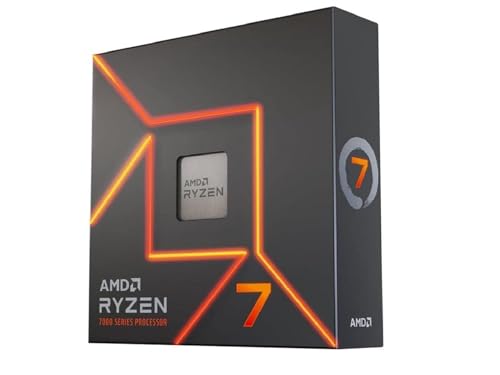
Mid-range options such as the Ryzen 7 5700X and 5800X usually sit around £220 to £280, while newer Ryzen 7000 series models like the 7700X and 7800X3D are in the £300 to £430 range.
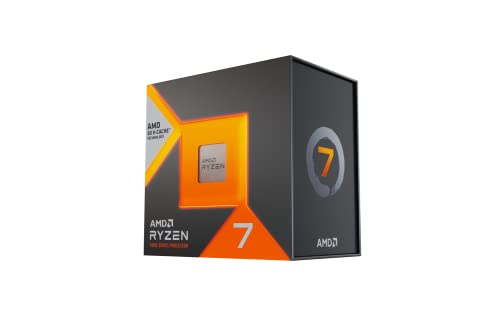
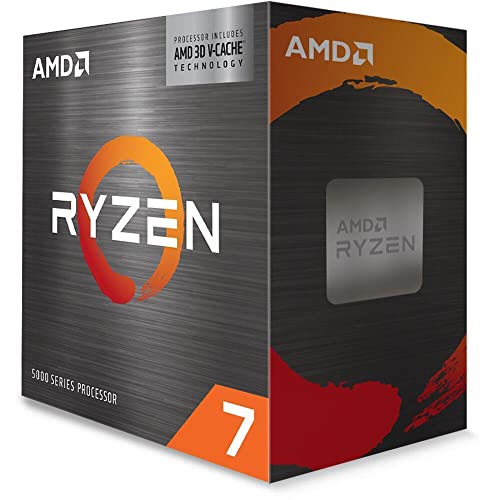
Prices vary with performance level, architecture, and whether the chip uses 3D V-Cache technology, which is aimed at gamers who want higher frame rates.
The chart below shows the price distribution of AMD Ryzen 7 processors.
[vertical-chart-06911225933347379343039316467166724277663006305029]
What should you consider while choosing the best AMD Ryzen 7 CPU?
When choosing the best AMD Ryzen 7 CPU, you should consider the following factors:
- Core count and threading: AMD Ryzen 7 processors typically feature 8 cores and 16 threads, which deliver excellent performance for gaming and multitasking applications. The 8-core configuration handles modern games effectively while supporting content creation tasks such as video editing and 3D rendering. For comparison, the Ryzen 5 series has 6 cores and 12 threads, while the Ryzen 9 series extends to 12-16 cores, making Ryzen 7 the balanced middle ground for most users.
- Clock speeds and architecture: Modern Ryzen 7 processors reach impressive boost clock speeds, with the Ryzen 7 9700X achieving up to 5.5GHz and the Ryzen 7 9800X3D reaching 5.2GHz boost clock. The latest Zen 5 architecture in the 9000 series provides improved IPC (Instructions Per Clock) and power efficiency compared to previous generations. The Zen 4 architecture in 7000 series processors already delivered up to 29% improvement in single-thread performance compared to the previous generation.
- Cache configuration: The cache size significantly affects performance in data-intensive applications, with modern Ryzen 7 processors featuring up to 80MB total cache. The regular 9700X includes standard cache levels, while X3D variants like the 7800X3D and 9800X3D incorporate AMD's 3D V-Cache technology for enhanced gaming performance. The 7000 series doubled the L2 cache to 1MB per core compared to previous generations, which improves overall system responsiveness.
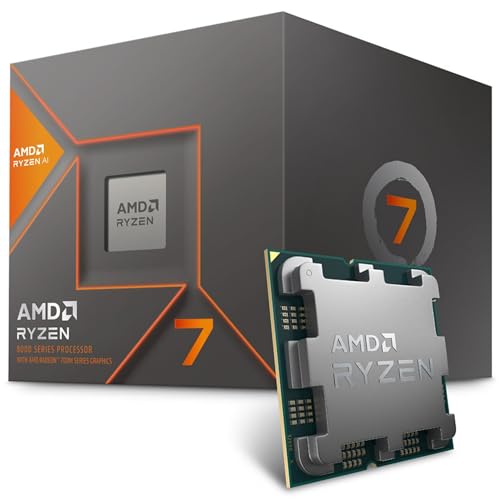
- Platform and features: Socket compatibility determines motherboard options and future upgrade paths, with AM4 supporting older Ryzen 7 models like the 5800X and AM5 accommodating newer 7000 and 9000 series processors. AM5 platforms support DDR5 memory and PCIe 5.0, while also featuring integrated AMD RDNA 2 graphics for the first time in desktop Ryzen processors. The 8000G series APUs like the 8700G include powerful Radeon 780M graphics with 12 compute units and dedicated AI neural processing units.
- Power consumption and cooling requirements: Thermal Design Power varies across different Ryzen 7 models, affecting cooling requirements and system efficiency. The Ryzen 7 9700X operates at 65W TDP while maintaining high performance, whereas X3D variants like the 7800X3D maintain around 120W TDP. Lower TDP models require less robust cooling solutions and consume less power, which benefits users with compact builds or energy efficiency concerns.
The following chart shows the boost clock distribution of AMD Ryzen 7 processors.
[vertical-chart-12951895054752254907131394837999523348822568851974]