What makes a CPU good for gaming?
A good gaming CPU has the following features:
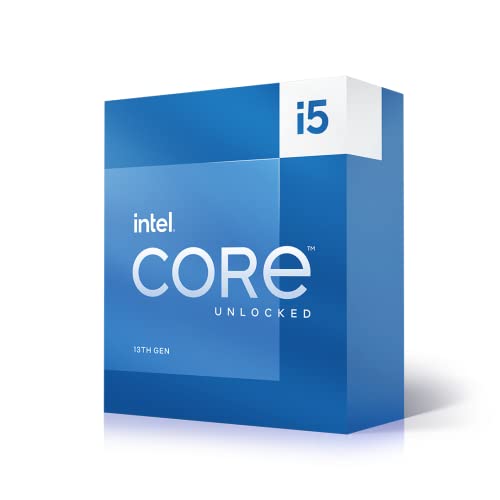
High clock speeds: Higher frequencies deliver faster instruction execution and better frame pacing. Modern gaming CPUs benefit from speeds above 3.5 GHz, with series like Intel Core i5-13400F and AMD Ryzen 7 9700X reaching 5.0 GHz or higher. This affects how quickly the CPU processes game logic and responds to player inputs.
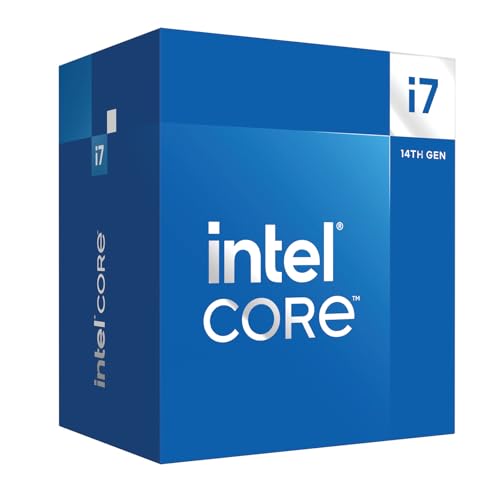
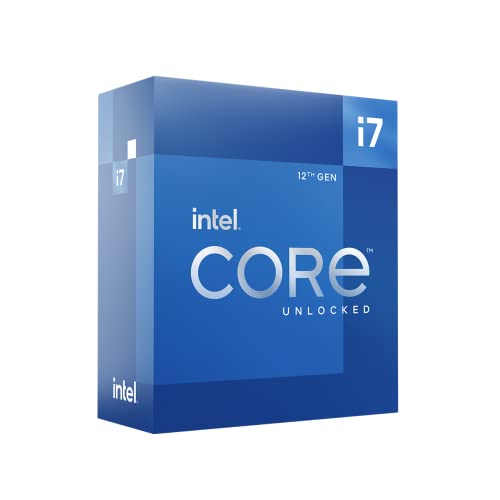
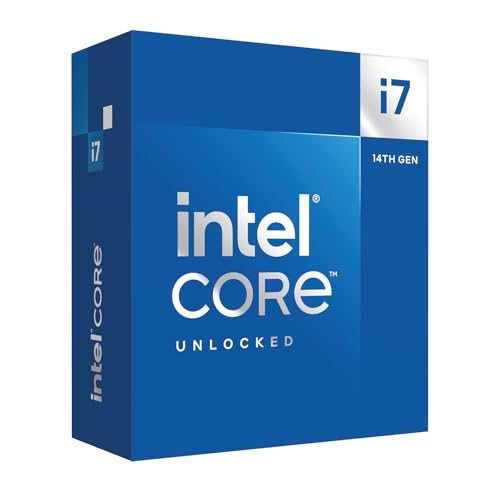
Multiple cores: Modern games utilize multiple cores for physics calculations, AI processing, and background tasks. Six to eight cores represent the sweet spot for current gaming, as seen in popular series like AMD Ryzen 7 9800X3D and Intel Core i7 processors. Games like HITMAN 2 scale their CPU simulation settings based on core count, with eight-core systems handling 120 NPCs per frame compared to 40 on four-core systems.
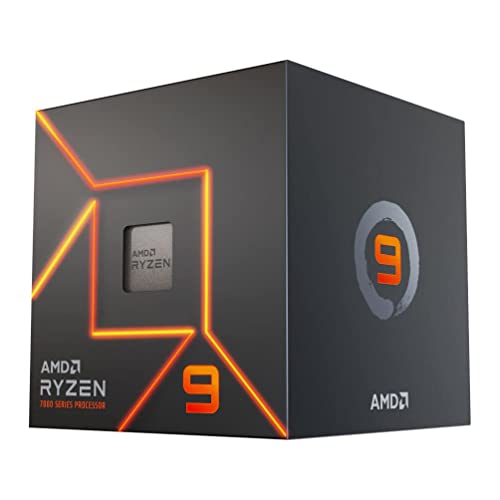
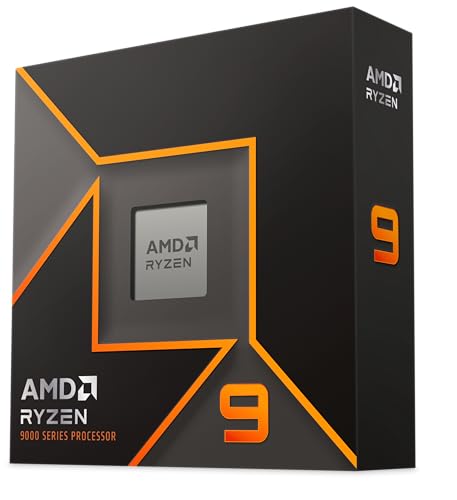
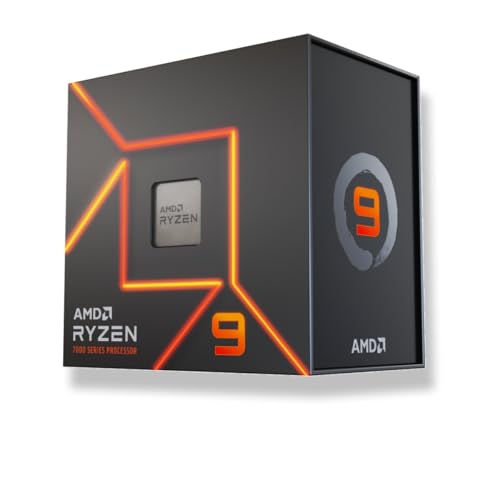
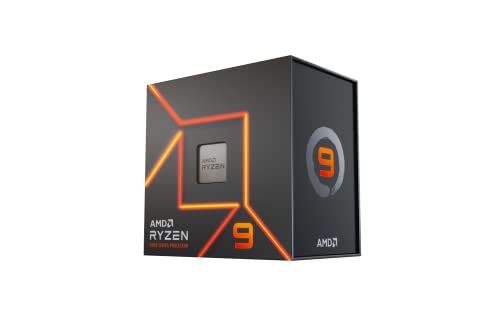
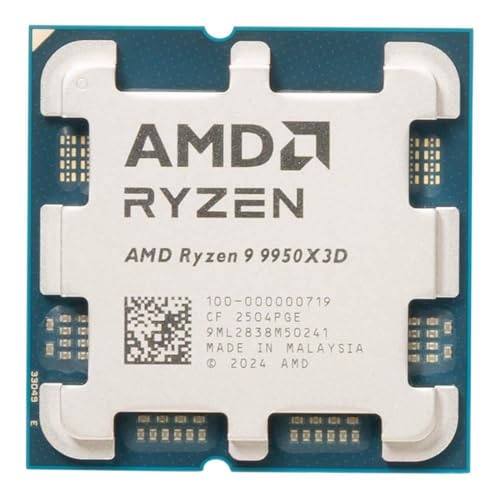
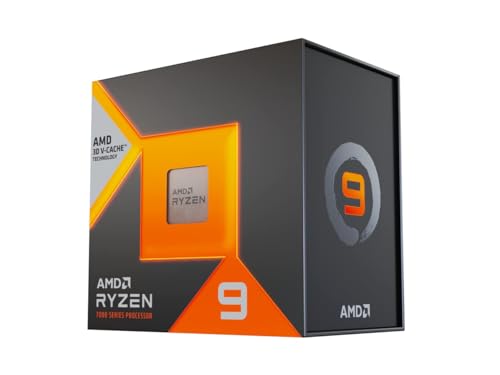
Large cache size: Larger cache sizes reduce memory latency and keep game data accessible for faster processing. AMD's 3D V-Cache technology in the Ryzen 9 9950X3D series demonstrates this advantage, with the chip showing 37% better performance than Intel's flagship in 1080p gaming. Cache acts as high-speed storage between the CPU and RAM, which improves response times in gaming scenarios.
Efficient architecture: Newer CPU architectures process instructions more efficiently per clock cycle. The AMD Zen 4 architecture in the Ryzen 7000 series and Intel's latest Core designs deliver better instructions per clock (IPC) than previous generations. This efficiency translates to smoother gameplay and better frame time consistency.
Strong single-thread performance: Games rely heavily on single-thread performance for main game loops and critical path processing. Strong single-thread performance reduces input lag and maintains consistent frame pacing, with modern gaming CPUs needing robust single-core speeds for optimal performance.
Advanced memory controller: Fast memory support and efficient memory controllers reduce data bottlenecks between system RAM and the CPU. Modern gaming CPUs support DDR4-3200 or DDR5-5600 speeds, with memory bandwidth affecting how quickly game assets load and process. Series like AMD Ryzen 7000 and Intel 13th generation processors include advanced memory controllers that handle high-speed RAM configurations.
Is CPU clock speed more important than core count?
CPU clock speed is more important than core count for gaming performance in most cases. Games rely on fast instruction processing and high single-thread performance, which directly depends on how quickly each core runs rather than how many cores exist.
Clock speed affects how fast the CPU processes game logic, updates the simulation, and responds to player input. Many popular titles like Counter-Strike or Starfield benefit from higher frequencies because they use a limited number of threads. A CPU running at 4.8 GHz will often outperform one at 3.6 GHz, even if the second one has more cores.
The following chart shows how gaming CPUs are distributed by physical core count.
[vertical-chart-12174879313506941863024267588772697838580119749903]
The GPU is more important for gaming performance than the CPU because graphics rendering requires far more parallel processing power than game logic.
The GPU handles visual tasks such as shading, textures, lighting, and frame rendering, which directly affects frame rates and visual quality. A strong GPU can push higher resolutions and detail settings, while a weak one limits performance regardless of the CPU.
The CPU still matters since it processes game logic, physics, AI, and background system tasks. Modern games benefit from CPUs with higher clock speeds and at least 6 to 8 cores, which prevents stuttering when many objects or NPCs interact at once. However, once the CPU meets a certain level of speed and core count, the GPU becomes the main factor that determines smooth performance.
What is CPU bottlenecking in gaming?
CPU bottlenecking in gaming happens when the processor limits the performance of the graphics card. This occurs when the CPU cannot process data fast enough to keep up with the GPU, which results in lower frame rates or stuttering, even though the graphics card still has unused capacity.
Bottlenecks often appear in games that depend heavily on the CPU, such as large open-world titles with many AI characters or real-time strategy games with complex logic and physics. In these cases, even a high-end GPU like the RTX 4090 can remain underused if paired with a low-core-count or slow-clocked processor.
You can often identify a CPU bottleneck by monitoring GPU usage, which stays below 90% while the CPU operates at full load.
Intel vs AMD: which is better for gaming?
AMD currently dominates Intel for gaming performance, particularly with the Ryzen 7000 and 5000 series processors.
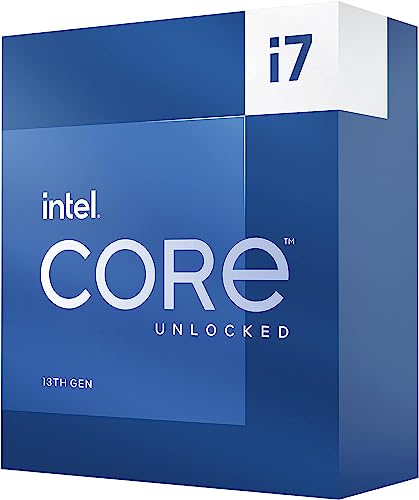
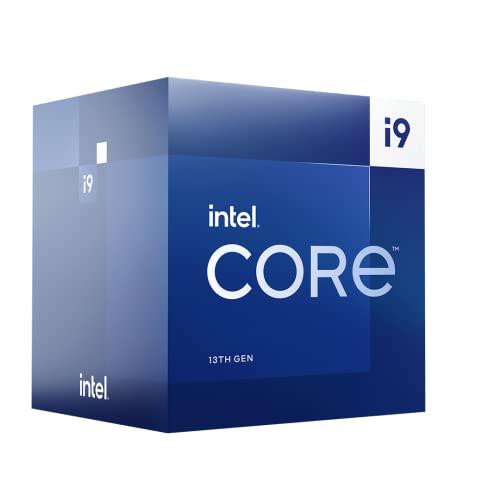
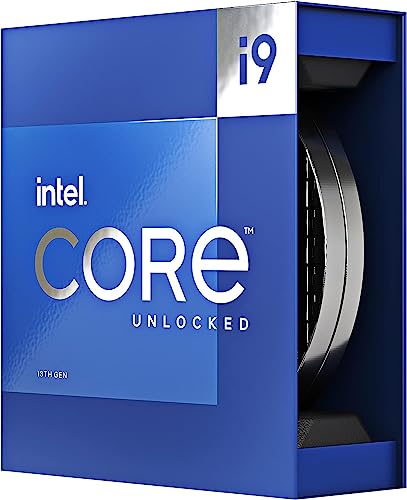
AMD's Zen 4 architecture delivers superior gaming frame rates across most titles while maintaining competitive power efficiency. The Ryzen 7 7800X3D stands out as the gaming champion with its 3D V-Cache technology, which significantly boosts performance in cache-sensitive games. Intel's 13th generation Core processors like the i7-13700K and i9-13900K remain competitive but generally trail AMD in pure gaming benchmarks.
Intel holds advantages in specific areas such as integrated graphics performance with its Iris Xe units and better support for certain productivity applications. Intel processors also excel in content creation tasks that benefit from higher clock speeds and strong single-threaded performance. However, AMD's AM5 platform supports faster DDR5 memory and PCIe 5.0 natively, which provides better future-proofing for gaming systems.
How much do gaming CPUs cost?
Gaming CPUs cost between £90 and £1,300, depending on performance tier and target market.
Budget gaming processors from AMD's Ryzen 5 series and Intel's Core i5 lineup typically range from £130 to £260, which deliver solid 1080p gaming performance for most modern titles. Mid-range options like Intel's Core i7 or AMD's Ryzen 7 processors cost between £260 and £430 and handle 1440p gaming with higher frame rates and better multitasking capabilities.
High-end gaming CPUs from Intel's Core i9 series and AMD's Ryzen 9 lineup command prices from £430 to £700, which target enthusiasts who demand maximum performance for 4K gaming and content creation.
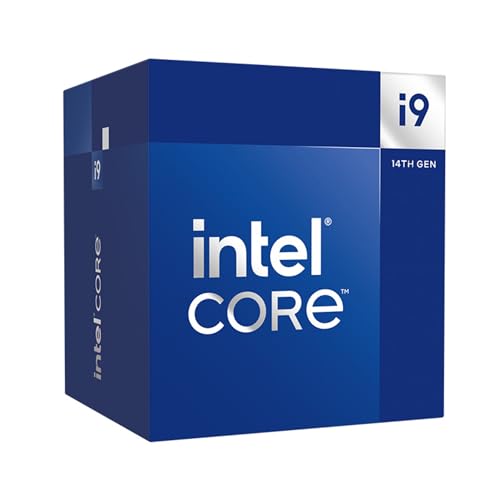
Flagship processors such as Intel's Core i9-13900K or AMD's Ryzen 9 7950X can exceed £700 but deliver exceptional performance for demanding workloads.
The chart below shows the price distribution of gaming CPUs.
[vertical-chart-17771698473486761863105842819533456995582662856588]