
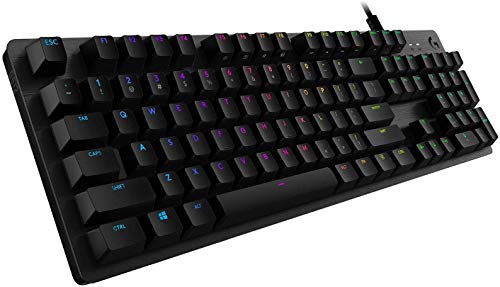
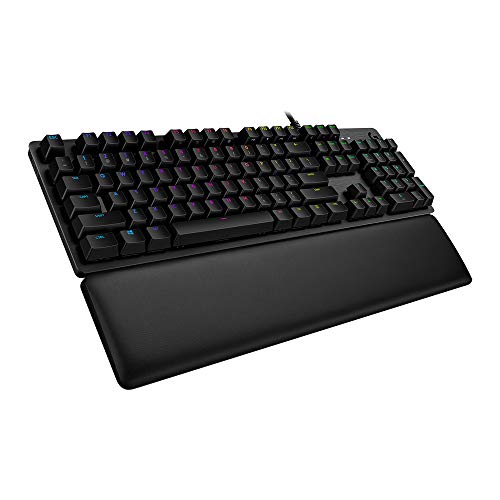
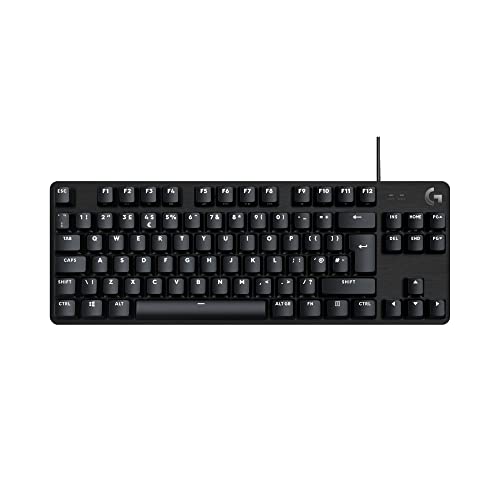
Are Logitech keyboards good?
Logitech keyboards are good overall: they average 6.5 in overall score (rank #11 among 16 comparable keyboard brands) and 9.3 in user ratings (rank #4).
Logitech's main strengths are its strong gaming focus, recognizable hardware design, and a lineup that covers mainstream wired boards, low-profile models, wireless options, and competitive TKL designs. The brand also does a good job of making its keyboards feel like finished retail products rather than unfinished enthusiast kits.
The main tradeoff is that Logitech is less flexible than brands that lean harder into open programmability, Mac-first design, or broad layout experimentation. In this category, Logitech also stays more concentrated around gaming-oriented priorities than around typing-first or firmware-first customization.
Logitech keyboards make the most sense for buyers who want a reliable premium gaming or mixed-use board from a major brand and who prefer a cleaner mainstream software-and-hardware experience over deeper enthusiast tweaking.
The best Logitech keyboard models are as follows.
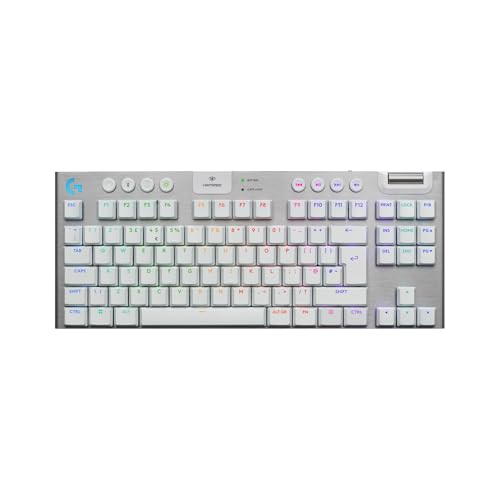
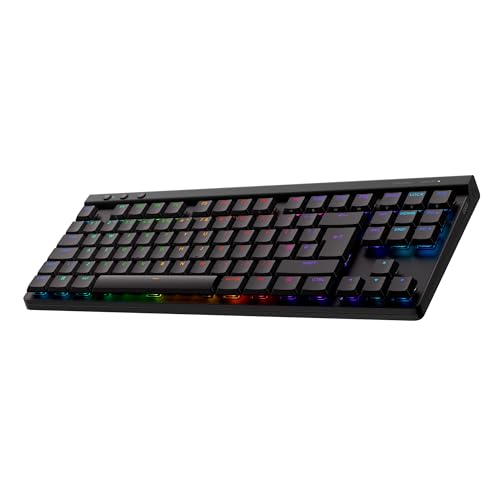
- Logitech G515 TKL (Overall score: 7.25)
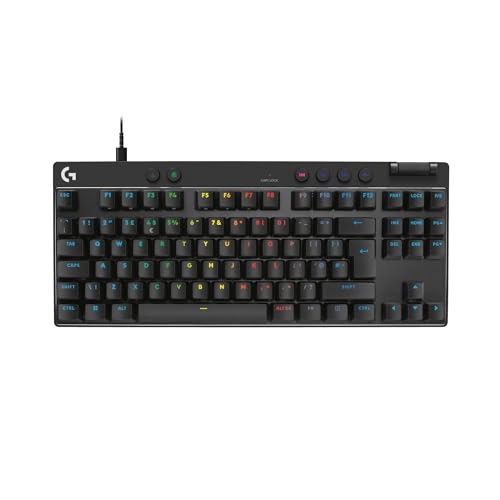
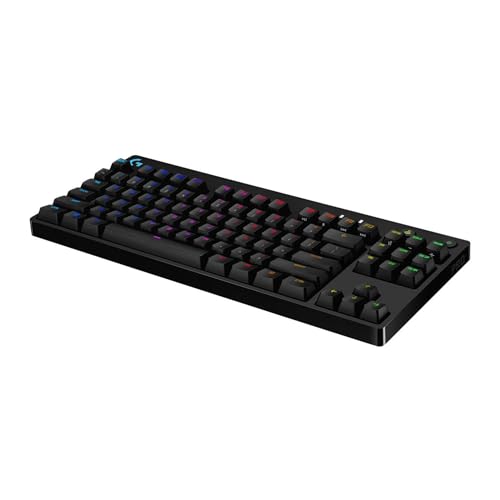
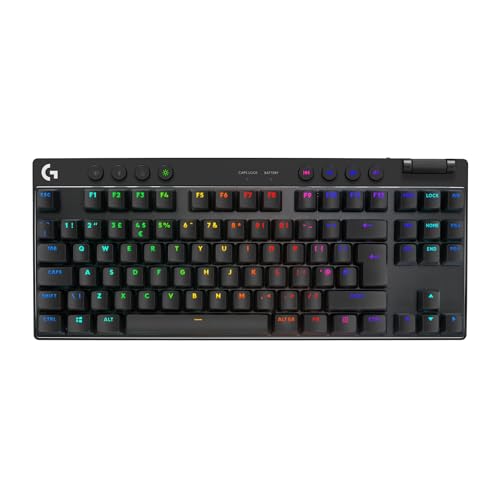
- Logitech Pro X TKL Rapid (Overall score: 7.23)
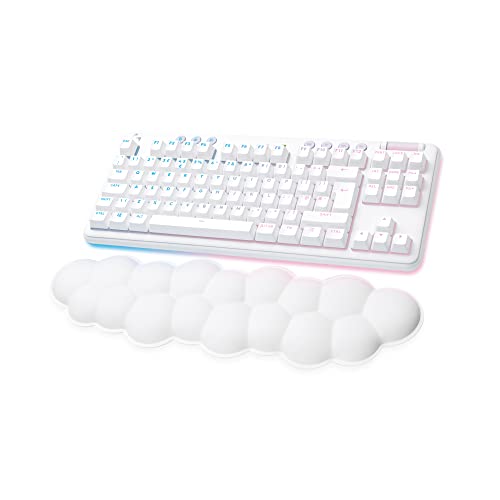
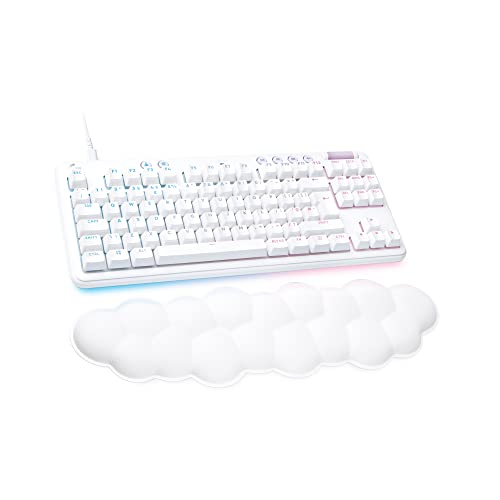
- Logitech G715 TKL (Overall score: 7.22)
The chart below compares keyboard brands by average overall score and shows where Logitech sits in the broader market.
[horizontal-chart-11096085825026269987026381138769698273463165435091]
What are the main advantages of Logitech keyboards?
The main advantages of Logitech keyboards are as follows:
- Mainstream polish: Logitech usually delivers keyboards that feel complete and consumer-friendly, with clearer product segmentation and fewer rough edges than many smaller enthusiast brands.
- Strong gaming focus: A large part of the current Logitech lineup is built around gaming use, so low-latency wireless, esports-oriented TKL boards, and RGB-heavy premium models are easy to find.
- Good wireless options: Logitech has a meaningful wireless layer in this category, and many of its better keyboards pair wired use with 2.4 GHz and Bluetooth convenience.
- Familiar layouts: Logitech stays concentrated around practical full-size and TKL formats, which makes the boards easier to adopt for buyers who do not want to relearn their layout.
- Brand ecosystem: Buyers who already use Logitech mice or other peripherals may appreciate the cleaner one-brand setup and software consistency across their desk.
What are the main disadvantages of Logitech keyboards?
The main disadvantages of Logitech keyboards are as follows:
- Limited open programmability: In this category, Logitech currently has no real QMK or VIA presence, which makes it less attractive for buyers who want deep remapping and firmware-level control.
- Weaker Mac emphasis: Some Logitech keyboards do support Mac use, but the brand is much less consistently Mac-friendly than brands that build around dual Mac and Windows workflows from the start.
- Narrower layout experimentation: Logitech covers its core sizes well, but it is not the brand to choose if you want broad choice across 65%, 75%, 1800-compact, and more niche enthusiast layouts.
- Gaming bias: Logitech is strong for gaming and mixed use, but buyers who mainly want typing-first acoustics, custom firmware, or enthusiast tuning may find the brand less aligned with their priorities.
- Premium pricing pressure: Some of Logitech's better-known models sit in a price band where buyers can also find more customizable alternatives from brands with stronger firmware flexibility.
Who makes Logitech keyboards?
Logitech keyboards are made by Logitech, a Swiss-founded consumer electronics company established in 1981. The brand built its reputation through mainstream computer peripherals and later expanded heavily into gaming, office, creator, and hybrid desk hardware.
For keyboards, Logitech's modern identity is closely tied to its large global peripheral presence and its gaming-focused G ecosystem. That gives the company an advantage in retail visibility, software integration, and broad mainstream recognition compared with smaller specialist keyboard brands.
Logitech's keyboard strategy today is less about enthusiast hobby customization and more about polished mass-market execution. Its lineup is designed to serve office and gaming buyers who want established-brand support, wide availability, and a relatively predictable hardware-and-software experience.
What are the main Logitech keyboard series?
The main Logitech keyboard series are as follows:
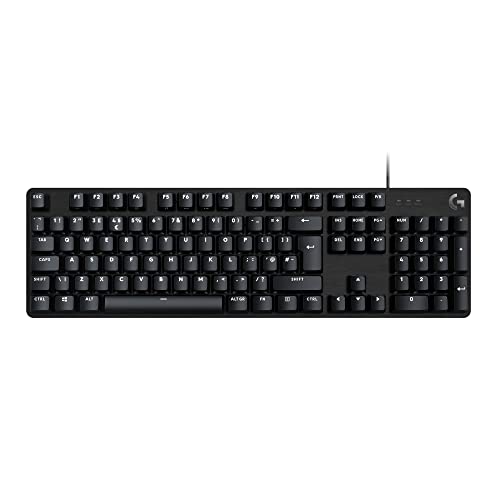
- G413 / G512 / G513: These are Logitech's more straightforward mainstream mechanical gaming keyboards, typically aimed at buyers who want a conventional layout and gaming identity without moving immediately to the most premium tier.
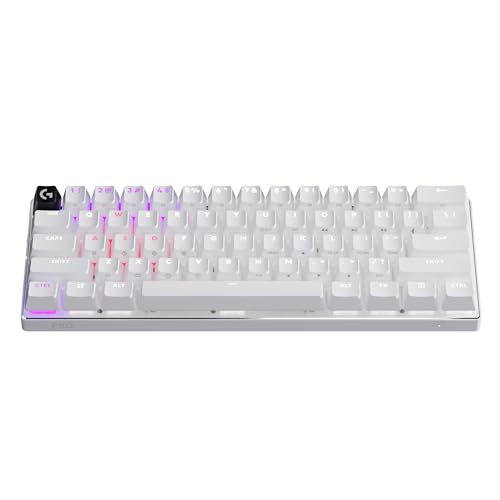
- G Pro / Pro X: This part of the lineup is more esports-oriented, with a strong focus on compact competitive layouts such as TKL and 60% boards.
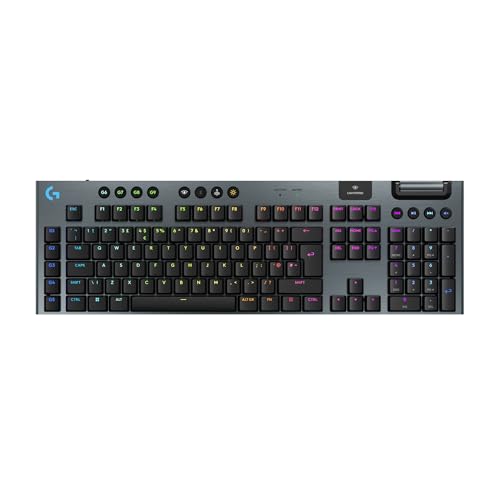
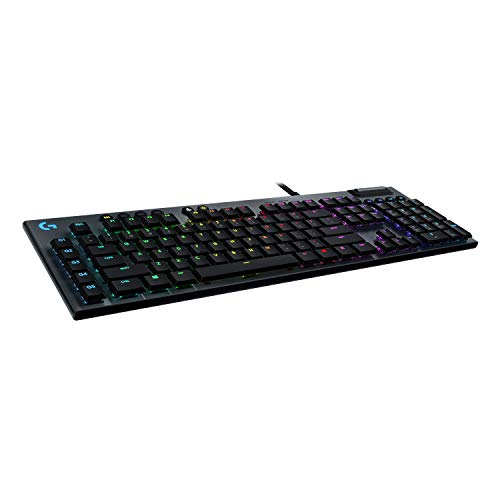
- G515 / G815 / G915: These models represent Logitech's stronger low-profile and premium-performance layer, often mixing thinner design, higher pricing, and stronger wireless positioning.
- G713 / G715: These boards add a more stylized aesthetic direction to the lineup, combining gaming features with a softer, more design-led presentation.
How much do Logitech keyboards cost?
Logitech keyboards usually cost about £60-£200, with many of the more recognizable mainstream and premium models sitting around £120-£180. That is the range where Logitech most often combines stronger gaming execution, better wireless features, and more polished design rather than only basic entry-level hardware.
The lower end of the range covers simpler wired models, while the higher end includes stronger wireless, low-profile, or esports-oriented boards. Logitech's pricing is therefore broad enough for mid-range buyers, but the most visible models often compete directly against enthusiast brands that offer more customization at similar prices.
How do Logitech keyboards compare with Keychron models?
Logitech keyboards usually compare with Keychron models as the more gaming-and-mainstream-oriented option, while Keychron leans much harder into enthusiast flexibility, firmware customization, and Mac-friendly workflow support. Logitech is stronger when you want a polished retail gaming product with familiar software and competitive-focused models, while Keychron is stronger when you want broader layout choice and more control over the board itself.
The technical split is clear in the current market data. Logitech has no real QMK or VIA presence in this category and offers Mac compatibility on a smaller share of its lineup, while Keychron has broad QMK and VIA coverage, much stronger Mac support, much broader multi-device pairing, and a wider spread of layouts. In practice, Logitech makes more sense for buyers who prioritize gaming polish and brand familiarity, while Keychron makes more sense for buyers who prioritize coding, customization, and cross-platform flexibility.
What should you consider while choosing the best Logitech keyboard?
You should consider the following factors while choosing the best Logitech keyboard:
- Layout size: Logitech is strongest in TKL and full-size boards, with only a small compact tail. Choose Logitech when one of those mainstream sizes already fits your workflow, not when you want the widest possible layout experimentation.
- Wired or wireless use: Logitech has a meaningful wireless layer, especially in its better-known premium models. Decide whether you actually benefit from multi-mode or low-latency wireless, or whether a simpler wired board is enough.
- Gaming versus typing balance: Much of Logitech's current keyboard identity is gaming-first. If your main priority is competitive play or mixed use, that can be a strength, but if your focus is quiet typing or deep customization, other brands may fit better.
- Firmware flexibility: Logitech currently offers no real QMK or VIA depth in this category. If you expect extensive remapping or layered firmware control, that gap matters before you pay premium-brand prices.
- Mac and cross-platform use: Some Logitech keyboards do support Mac use, but the lineup is less consistently Mac-oriented than brands that design around dual-platform workflows from the start. Check compatibility carefully if you move between systems often.
- Switch and feel: Logitech covers several switch directions across its lineup, including more mainstream mechanical, optical, and faster gaming-oriented variants. Make sure the feel suits your long sessions, not just the spec sheet.
- Budget: Around £120-£180 is the core range for Logitech's more prominent keyboards, though the full span runs from about £60 to £200. Paying more should buy better wireless, layout focus, or premium execution rather than just a bigger brand name.