Which brands make the best drawing tablets for children?
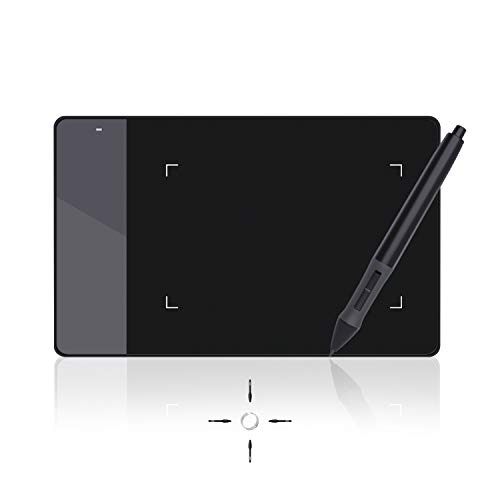
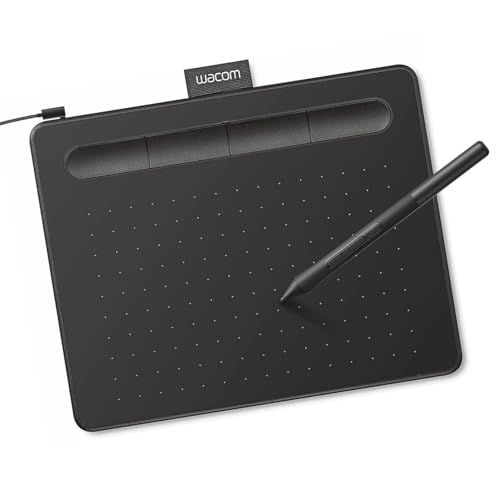
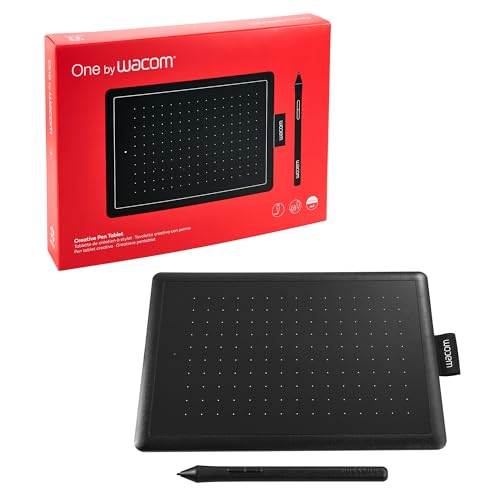
The best drawing tablet brands for children are as follows.
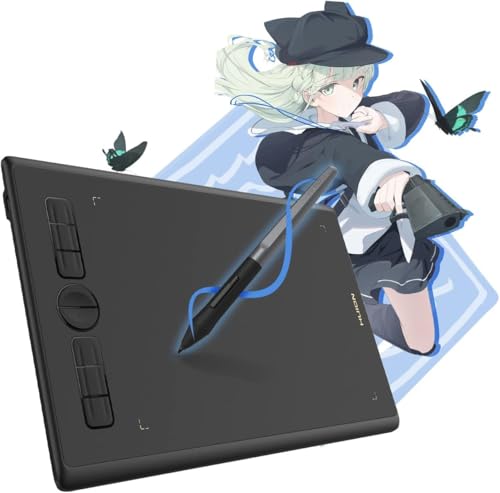
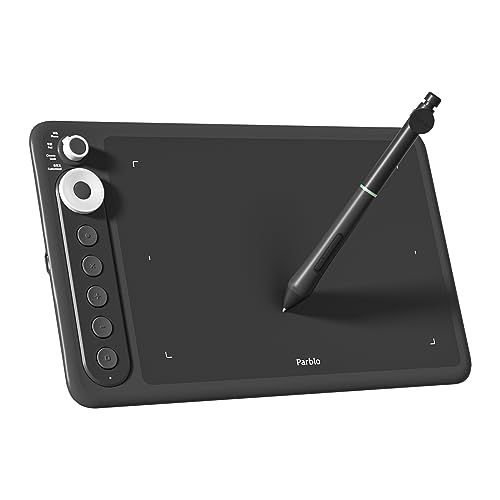
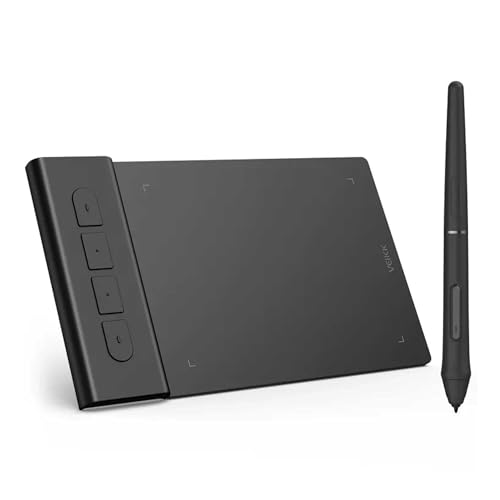
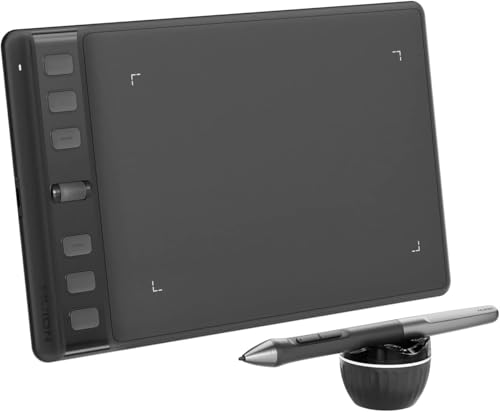
- Parblo (Average overall score: 6.3)
- HUION (Average overall score: 6.3)
- XP Pen (Average overall score: 6.1)
The chart below ranks drawing tablet brands for children by average overall score.
[horizontal-chart-17444325564780096887007552902683573228821743043376]
What makes a drawing tablet suitable for children?
A drawing tablet is suitable for children when it is easy to control, durable enough for everyday use, and simple enough not to become frustrating. The most useful qualities are as follows:
- Manageable size: Children usually do better with a compact or medium tablet that fits comfortably on a desk and does not demand large arm movements.
- Simple setup: Easier driver installation, basic controls, and a clear learning curve matter more here than advanced professional customization.
- Comfortable pen use: A light battery-free pen is usually better for children than a heavier or more complicated stylus, because it is easier to hold and does not need charging.
- Durability: Stronger build quality, stable cables, and a surface that handles frequent practice sessions help the tablet last longer in family use.
- Appropriate pressure response: Good sensitivity is helpful, but children do not need the most advanced pro-level tuning if the pen already feels smooth and predictable.
- Affordable price: A sensible children's tablet should stay reasonably priced, because the goal is usually learning, drawing practice, and fun rather than a full studio-grade setup.
What size drawing tablet is best for children?
For most children, a small or medium drawing tablet is the best fit because it is easier to position, easier to learn on, and less tiring to use. Compact models work well for casual drawing, school-age beginners, and desks with limited space, while mid-size options give more room for hand movement without becoming awkward.
Very large tablets are usually unnecessary for children unless the child is unusually serious about digital art or specifically wants more working space at a fixed desk. In most cases, it makes more sense to prioritize comfort, simplicity, and price over maximum size, because a tablet that feels approachable is more likely to be used regularly.
The graph below shows the active drawing area distribution among drawing tablets for children.
[vertical-chart-03278959077030183808013765886026424458642125058089]
What pen features matter on a drawing tablet for children?
The pen features that matter most on a drawing tablet for children are the ones that make drawing easy and frustration-free rather than highly advanced. The main points are as follows:
- Battery-free design: A pen that does not need charging is simpler for children and easier for parents to manage over time.
- Comfortable size and weight: A lighter pen with a natural grip is easier for smaller hands to control during longer drawing sessions.
- Smooth tracking: Even at the beginner level, the pen should move predictably without obvious lag, skipping, or jitter that makes drawing feel broken.
- Enough pressure sensitivity: Children do not need the most advanced pen tuning, but a responsive pen still helps them learn line control and basic shading more naturally.
- Durable tip and build: Pens for children should handle drops, repeated use, and rougher handling better than fragile premium styluses.
- Simple buttons or no-button simplicity: Extra controls are only useful if they are easy to understand, because too many pen functions can confuse younger users.
What price range is reasonable for a drawing tablet for children?
Drawing tablets for children usually cost about £20 to £60, with many of the most sensible options clustered around £30 to £30. At the lower end, you mainly get compact screenless tablets that are good for basic drawing practice, simple creative apps, and first-time use.
Paying a bit more can bring a larger active area, a better pen, and sturdier overall build quality, but this category does not usually need a high budget to be useful. For most families, the best value is in an affordable beginner-friendly model that feels reliable and easy to use rather than in a more advanced tablet with features a child may never fully use.
The graph below shows how prices are distributed across drawing tablets for children.
[vertical-chart-11895368890175214373075557002188118808022248724428]