
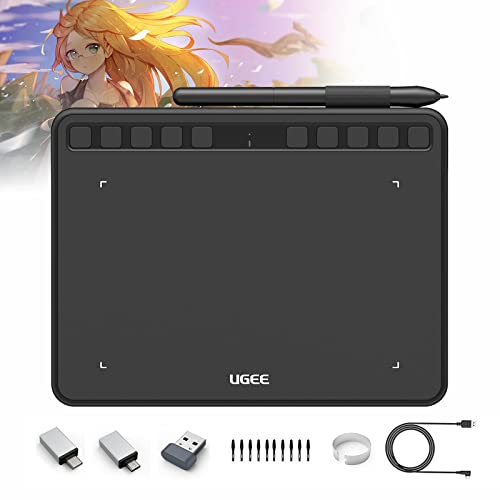
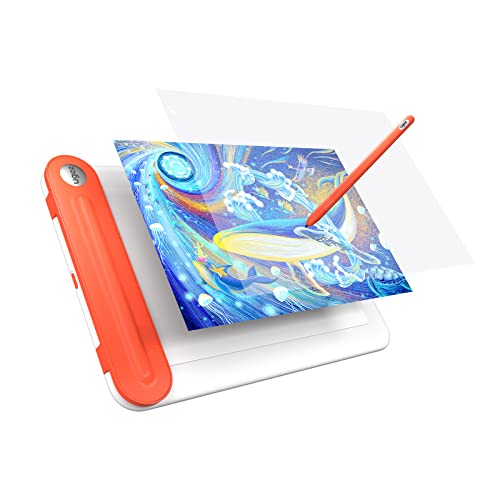
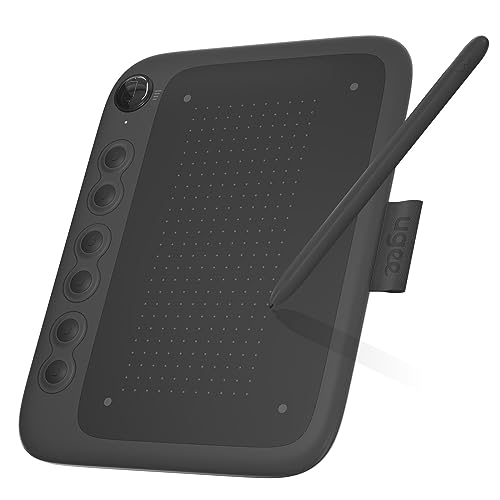
Are Ugee drawing tablets good?
Ugee drawing tablets have an average overall score of 6.8, ranking #7 among drawing tablet brands, and a user rating of 9.1, placing them at #3 based on user reviews.
Ugee is strongest if you want a straightforward, low-cost drawing tablet for learning, studying, or light creative work. Its compact pen tablets cover everyday use, while its display models offer an affordable step into on-screen drawing.
The brand is less compelling for buyers seeking a broad premium lineup or an established professional reputation. It makes the most sense for beginners and value-driven users who prioritize useful basics and low prices.
The chart below compares drawing tablet brands by average overall score.
[horizontal-chart-08051336327100176140083205511039624666222915896643]
What are the main advantages of Ugee drawing tablets?
The main advantages of Ugee drawing tablets are as follows.
- Low entry prices: Ugee is one of the easier brands to buy into if you want a basic drawing tablet without spending much. Models around £30 to £30 make it practical for students, first-time buyers, and casual users who mainly want core pen input.
- Simple beginner focus: The lineup stays centered on basic creative use rather than on complicated premium segmentation. That makes Ugee easier to understand for buyers who just want a compact tablet or a modestly priced first display.
- Useful core pen features: Even the affordable models usually still provide battery-free pens and 8192 pressure levels, so the brand covers the fundamentals needed for sketching, handwriting, retouching, and learning digital art.
- Affordable small displays: Ugee's 11.6-inch to 15.4-inch display tablets let buyers try on-screen drawing at a much lower price than premium rivals. That is valuable if you want a more direct drawing experience but cannot justify Wacom-level spending.
- Good fit for portable everyday use: Several Ugee models are compact and easy to carry, which suits small desks, school bags, and simple laptop-based setups. For buyers who care more about convenience than maximum screen size, that is a practical strength.
What are the main disadvantages of Ugee drawing tablets?
The following disadvantages are the main trade-offs on Ugee drawing tablets.
- Limited premium depth: Ugee covers the affordable end well, but it does not have much reach into larger or more advanced display tablets. Buyers who expect a long upgrade path inside one brand may outgrow it quickly.
- Less established pro image: Ugee is not usually the first name buyers mention for studio-class creative hardware. If long-term professional confidence matters more than entry price, Wacom, Huion, or even XP-Pen often feel easier to justify.
- Smaller lineup variety: The brand offers fewer size and feature steps than larger rivals, which means there is less fine-grained choice once you want something between a basic beginner tablet and a more serious display.
- Feature ceilings arrive sooner: Because Ugee is so value-focused, its cheaper models can feel basic once you want stronger stands, larger work areas, or more refined display behavior. That matters if you plan to grow beyond casual use.
- Model research still matters: Low-cost tablet brands can look similar on paper, but real-world comfort depends on exact size, controls, and display quality. With Ugee especially, buyers should check the exact model instead of assuming the whole lineup feels the same.
Who makes Ugee drawing tablets?
Ugee drawing tablets are made by Ugee, a digital-art hardware brand that focuses on affordable pen tablets and display tablets. In this category, the company is best known for beginner-friendly screenless models and lower-cost display tablets.
Ugee is also closely associated with the wider Hanvon Ugee hardware group that appears behind XP-Pen. That helps explain why the brand stays concentrated on value-focused creative devices instead of trying to compete head-on with Wacom's premium studio positioning.
What are the main Ugee drawing tablet series?
The main Ugee drawing tablet series are as follows.
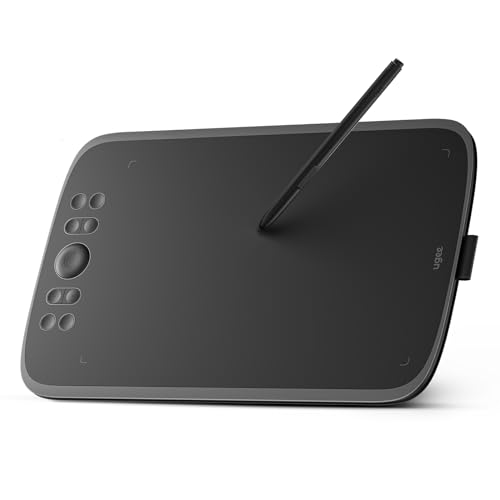
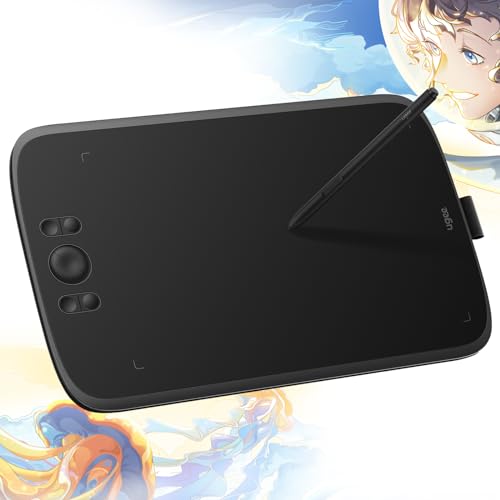
- S series: This is the compact beginner branch of the lineup. Models such as the S640 are built for light sketching, handwriting, remote study, and other low-cost everyday tasks.
- Q series: These are small to mid-size screenless tablets that stay focused on affordability and simple creative use. They suit buyers who want a step up from the smallest tablets without moving into a display model.
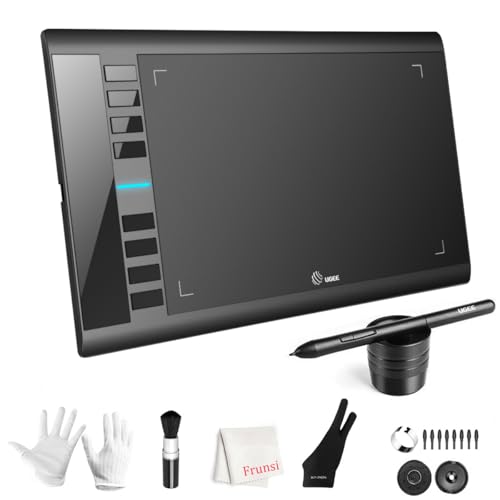
- M series: This is the larger screenless side of the Ugee range. Models such as the M708, M808, and M908 give you more active area for desk use and a more natural drawing motion than the most compact tablets.
- UE series: This is one of Ugee's pen-display families, including models such as the UE12 and UE16. It targets buyers who want to draw directly on the screen at a relatively accessible price.
- U1200 family: This part of the range sits between basic entry displays and more serious desktop setups. It fits users who want a modestly sized display tablet with a little more desk presence than the smallest UE models.
How much do Ugee drawing tablets cost?
Ugee drawing tablets usually cost about £30 to £280, with many screenless models clustered around £30 to £30 and the brand's display tablets running roughly from £120 to £280.
The price jump is mostly about moving from a simple pen tablet to a screen-based drawing experience. At the low end, Ugee is competing with very affordable compact tablets for learning and casual use. Once you move into the UE12, U1200, and UE16 class, you are paying for a direct-on-screen workflow, larger hardware, and a better fit for desk-based illustration, but Ugee still stays on the budget side of the display-tablet market.
The graph below shows how prices are distributed across Ugee drawing tablets.
[vertical-chart-02199599259295381005140784498387520788700293226047]
How do Ugee drawing tablets compare with XP-Pen models?
Ugee drawing tablets compare with XP-Pen models mainly as the simpler and narrower value option. Both brands target buyers who care about affordability, but XP-Pen offers a much broader lineup across both screenless tablets and larger Artist displays.
That makes Ugee easier to shortlist if you just want a low-cost beginner tablet or a modestly priced first display without too many variants to compare. XP-Pen is usually the stronger fit if you want more mid-range choices, more screen sizes, and a clearer path toward larger or more feature-rich creative setups.
What should you consider while choosing the best Ugee drawing tablet?
Keep the following checks in mind when choosing the best Ugee drawing tablet.
- Screenless or display: The first decision is whether you need a basic pen tablet or a UE-series display model. Screenless tablets are cheaper and easier to carry, while display tablets cost more but feel more natural for buyers who want to draw directly on the image.
- Size for your desk: Ugee sells both compact and larger screenless tablets, plus a few small to mid-size displays. Make sure the active area or screen size matches your desk space and drawing style, because very small tablets can feel limiting for detailed illustration.
- Use-case level: Think honestly about whether the tablet is for notes, homework, light sketching, or regular art practice. Ugee is strongest for beginner and casual use, so buyers with heavier professional ambitions may want to compare more advanced brands before choosing.
- Shortcut needs: Some low-cost tablets keep the controls simple, while others give you more buttons for quick workflow actions. If you depend on undo, zoom, or brush-size shortcuts, the control layout can make a big difference in day-to-day comfort.
- Display trade-offs: On Ugee's screen models, pay attention to the actual display size and overall desk ergonomics, not just the fact that the tablet has a screen. A cheaper display can still feel cramped or basic if your workflow needs more room.
- Budget realism: Ugee has very low starting prices, but the cheapest option is not always the most comfortable one. Spending a little more for a larger active area or a better-matched form factor can matter more than saving the last few euros.