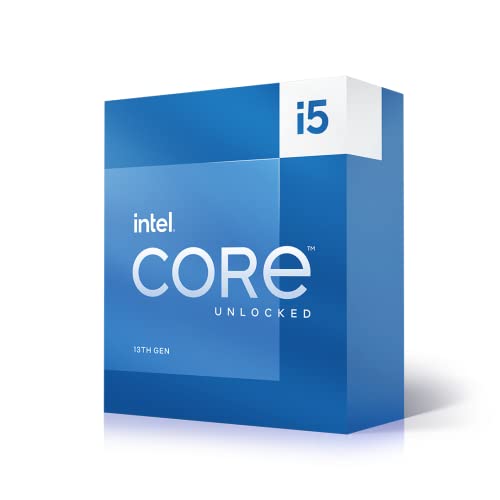
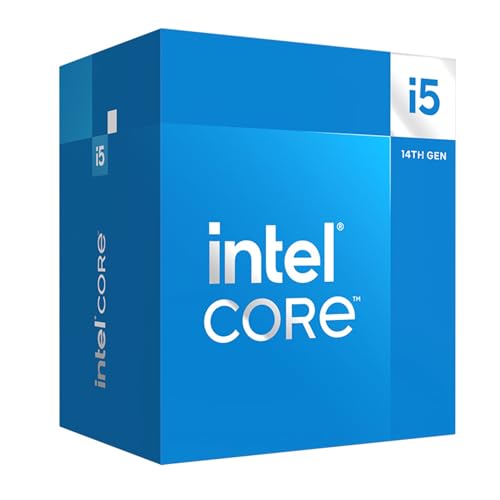
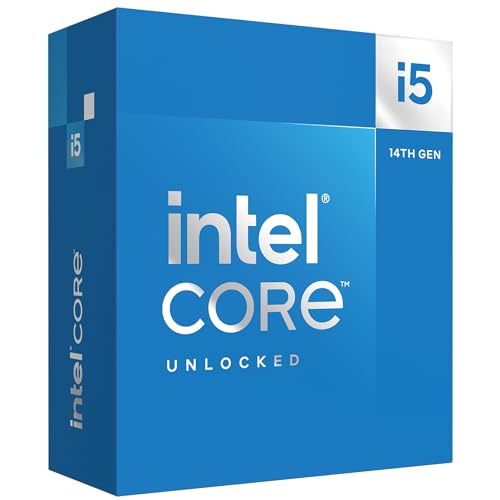
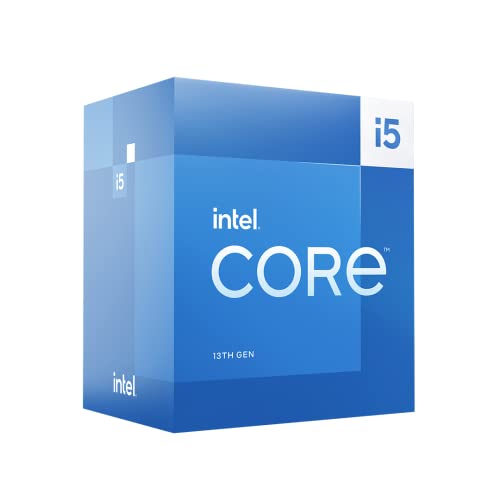
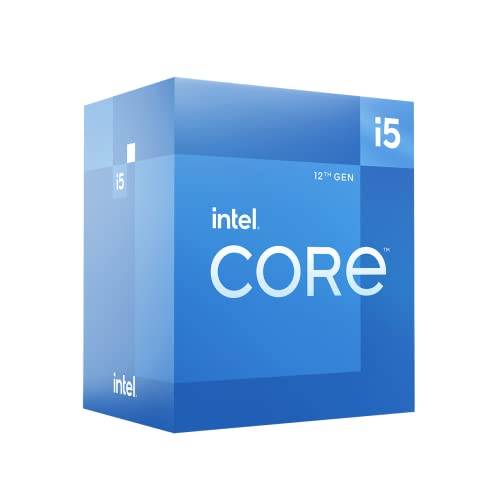
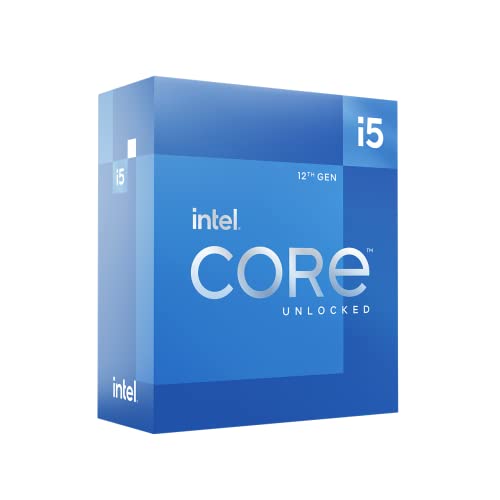
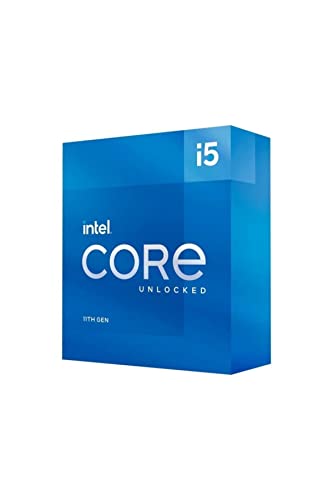
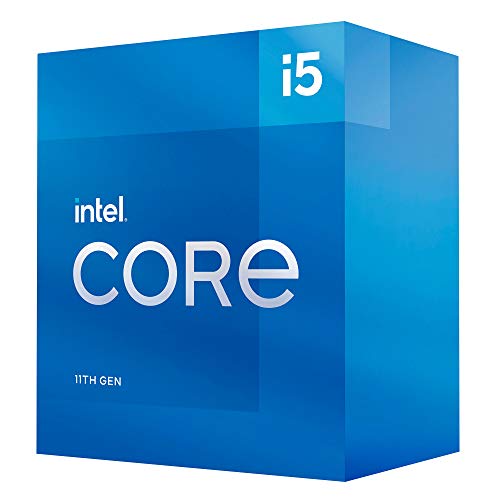
Are Intel Core i5 processors good?
Yes, Intel Core i5 processors are good mid-range CPUs that deliver solid performance for most computing tasks.
These processors sit between the entry-level Core i3 and high-end Core i7 series, which gives them a balanced mix of performance and price. Intel designs Core i5 chips with 4 to 6 cores and typically includes hyper-threading technology, so they handle multitasking well and run demanding applications smoothly.
Core i5 processors excel at everyday computing tasks like web browsing, office work, media consumption, and light content creation. They also perform well in gaming scenarios when paired with a dedicated graphics card, as most modern games utilize 4-6 cores effectively.
The best Intel Core i5 CPUs are as follows.
- Intel Core i5 13600K (Overall score: 9.05 points)
- Intel Core i5 14500 (Overall score: 9.04 points)
- Intel Core i5 14600T (Overall score: 8.95 points)
How do Intel Core i5 CPUs compare to Core i3 and Core i7?
Intel Core i5 CPUs sit between Core i3 and Core i7 in performance and features.
Compared to Core i3, they have more cores and threads in most generations, higher clock speeds, and larger cache sizes, so they handle multitasking and heavier workloads more efficiently. Core i3 processors focus on entry-level use, such as web browsing, office applications, and light gaming, while Core i5 models target mainstream users who need faster performance in gaming, productivity, and some creative work.
When compared to Core i7, Core i5 CPUs usually have fewer cores or threads, slightly lower clock speeds, and smaller cache sizes. Core i7 models are better for tasks such as video editing, 3D rendering, and heavy multitasking, since they include features like Hyper-Threading in most generations and support higher sustained performance.
Core i5 remains a balance between cost and capability, so it performs better than Core i3 in nearly every scenario but does not reach the high-end capabilities of Core i7.
The following chart compares the number of physical cores in Intel Core i5 CPUs.
[vertical-chart-13081144281981755784032173029441338595792799858733]
How much do Intel Core i5 processors cost?
Intel Core i5 processors cost between £130 and £300 depending on the generation and model.
Entry-level i5 chips from older generations stay at the lower end of this range, while newer high-performance models, such as unlocked desktop variants, reach higher prices. The exact price also depends on whether the CPU belongs to the desktop or mobile line, as laptop processors often come pre-installed and are not sold separately.
The following chart shows the price distribution of Intel Core i5 processors.
[vertical-chart-13213626783288945597141290365912457011740376903658]
What should you consider while choosing the best Intel Core i5 CPU?
When choosing the best Intel Core i5 CPU, you need to consider several key factors as follows:
- Core and thread count: Modern Intel Core i5 processors feature between 8 to 14 cores with varying configurations of performance and efficiency cores. The 12th generation i5-12500H offers 12 cores (4 performance + 8 efficiency) while the 13th generation i5-13500H provides 14 cores (6 performance + 8 efficiency) with 20 threads. Higher core counts deliver better multitasking performance and handle resource-intensive applications more effectively.
- Clock speed and turbo frequency: Base and boost clock frequencies directly affect single-threaded performance. The i5-13500H reaches maximum turbo frequencies of 4.5 GHz compared to the i5-12500H's 4.4 GHz. Higher clock speeds translate to faster execution of individual tasks and better responsiveness in applications that cannot utilize multiple cores.
- Cache size: Cache memory stores frequently accessed data and instructions for faster retrieval. Intel Core i5 processors typically feature 12MB to 24MB of cache memory depending on the generation. The 13th generation i5-13500H includes 18 MB of cache compared to the 12th generation i5-12500H's 16 MB. Larger cache sizes reduce memory latency and improve overall system performance.
- Generation architecture: Newer generations incorporate architectural improvements, better power efficiency, and support for modern technologies. The 13th generation processors offer enhanced performance per watt ratios and support for DDR5 memory and PCIe 5.0 standards. Each generation typically provides 10-15% performance improvements over its predecessor while maintaining similar power consumption.
- Integrated graphics: Intel Core i5 processors include integrated graphics solutions ranging from Intel UHD Graphics to Intel Iris Xe Graphics. Mobile processors like the i5-8259U feature Iris Plus Graphics 655 for better creative tasks and casual gaming performance. Desktop variants may include Intel UHD Graphics 630 or offer F-series models without integrated graphics for dedicated GPU setups.