Scored using Fitness trackers Methodology v3.0
Fitness trackers Methodology v3.0
Mathematical & Unbiased Scoring
Products in this category are scored under Frontum Fitness trackers Methodology v3.0: the technical score from the specifications is the base, and independent expert and video reviews (up to ±0.5 points), owner opinions (up to ±0.3) and best-of lists (up to +0.3) move it up or down.
Explore Fitness trackers Methodology v3.0

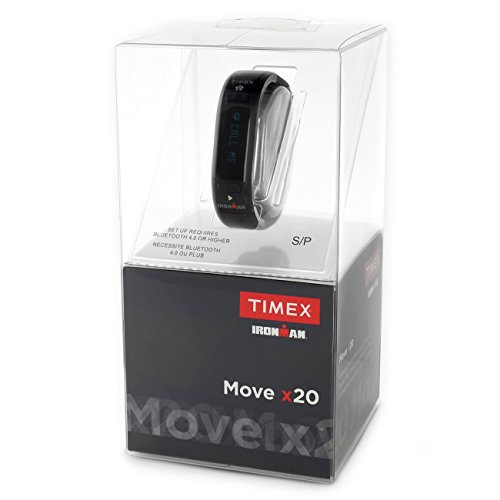
Timex Ironman Move X20 review: 163 specs compared

Avg. price:~£55Battery life:7 daysScreen size:1.4 inchHeart rate monitor:noGPS:noWaterproof depth rating:?

Timex Ironman Move X20 Review: Compare 163 technical specifications and 10 expert and video reviews to see how this product ranks in the Fitness trackers category and whether it is worth buying.
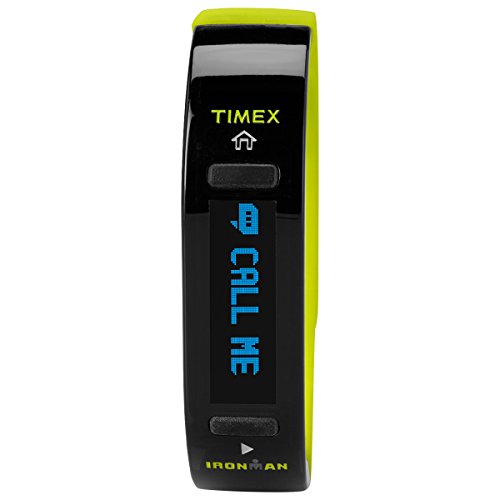
Timex Ironman Move X20
6.6/10

Overall score

Score
6.6/ 10
✕
What it is
Our main score for this model, 1–10. It combines specs, best-of lists, expert reviews and owners.
How we count it
Parts: Technical score 35%, List score 30%, Reviews score 25%, Sentiment score 10%
Marks: Each part gets a mark out of 10. For reviews, lists and owners, a typical model in this category gets about 8 and the best one gets 10.
No data yet: A part with no data shows "?". It counts as the mark of a weaker model in this category (4 in 5 models with data score higher). This way, models with reviews, lists and owners usually come out ahead.
Score distribution
â–¼
<55-66-77-88-99-10
Score components

35%

6.1

Technical score

30%

?

List scoreNot enough data yet, so we use 7.5, the mark of a weaker model in this category

25%

6.1

Reviews score

10%

?

Sentiment scoreNot enough data yet, so we use 7.1, the mark of a weaker model in this category

â–¼Worse than 88% of fitness trackers
7.6

Value for money

Value for money
7.6/ 10
✕
What it is
An indicator that combines the fitness tracker's overall rating with its cost.
When it matters
When you are looking for a fitness tracker with a good balance between quality and price.
Score distribution
â–¼
<55-66-77-88-99-10
Score components

70%

6.6

Overall score

30%

10

Price

â–¼Worse than 92%
6.1

Technical score

Technical score
6.1/ 10
✕
What it is
How good the specs are compared with the other models in this category, 1–10.
How we count it
Areas: We rate the specs in each area against the other models in this category.
Weighting: The areas that matter most to buyers count more. The shares are shown under Score components.
Share: The technical score is 35% of the overall score.
Score distribution
â–¼
<55-66-77-88-99-10
Score components

20%

7.0

Sports

20%

4.0

Battery

18%

5.4

Health

18%

6.2

Display

8%

7.7

Smart functions

8%

7.6

Wellness

4%

7.1

Connectivity

4%

7.8

Design

â–¼Worse than 87%
6.1

Reviews score

Reviews score
6.1/ 10
✕
What it is
Average grade from independent test sites, magazines and video reviewers, 1–10.
How we count it
Grades: Each review's own score is converted to 1–10; without one, we grade the review ourselves. Big test sites count more, short reviews half as much as full tests. A video review counts half.
Score: The average grade is 80% of the review mark; the number of reviews is the other 20% (1 review = 5, the typical number in this category = 8, the most-reviewed model = 10).
Enough data: With few reviews, the average grade is pulled toward the typical grade of this category. No reviews yet: 7.2 for now.
Share: Reviews count 25% of the overall score.
Score distribution
â–¼
<55-66-77-88-99-10

6.1

Mark 6.6 is below the typical mark 7.6 of this category, so it cannot lift the score above the technical score

80%

6.5

Average grade

20%

7.3

Popularity

Grades by review (10)
8 reviews: 4 with a printed score, 4 estimated from the review. 2 video reviews, each counting half as much as a written test. Reviews count 25% of the overall score.
User ratings collected online are not part of this score.
â–¼Worse than 91%
?

List score

List score
7.5/ 10
✕
What it is
How often independent test sites, magazines and video reviewers put this model in their best-of lists for this category.
How we count it
Points: The model in the most lists of this category gets 10; the others get 8 to 10 in proportion. In no list yet: 7.5. Lists count 30% of the overall score.
Enough data: Every list counts, even a single one. With fewer than 5 best-of lists in the category, this part is left out.
Lists with this model (0)
Not in any best-of list yet, so this part counts as 7.5. Models in a list get 8 to 10.
Not in any best-of list yet
  • timex-ironman-move-x20
  • timex-ironman-move-x20
timex-ironman-move-x20
Where to buy
*As an Amazon Associate, we earn from qualifying purchases.
Best rankings
Available: ranking among products currently available (including other versions of this product).All: ranking among all products in the database.

What reviewers say about the Timex Ironman Move X20

Based on 7 · 2

Reviewers agree the battery life is excellent and alerts work well, but dislike the awkward charging and clunky buttons.
Praised
Mixed views
Criticised
Pick a topic to see who said what
Loading...
Loading category ranking...

Technical Specifications of fitness tracker Timex Ironman Move X20

Technical score
Technical score
6.1/ 10
✕
What it is
How good the specs are compared with the other models in this category, 1–10.
How we count it
Areas: We rate the specs in each area against the other models in this category.
Weighting: The areas that matter most to buyers count more. The shares are shown under Score components.
Share: The technical score is 35% of the overall score.
Score distribution
â–¼
<55-66-77-88-99-10
Score components:

20%

7.0

Sports

20%

4.0

Battery

18%

5.4

Health

18%

6.2

Display

8%

7.7

Smart functions

8%

7.6

Wellness

4%

7.1

Connectivity

4%

7.8

Design

6.1
Reviews score
6.1
List score
?
Value for money
Value for money
7.6/ 10
✕
What it is
An indicator that combines the fitness tracker's overall rating with its cost.
When it matters
When you are looking for a fitness tracker with a good balance between quality and price.
Score distribution
â–¼
<55-66-77-88-99-10
Score components:

70%

6.6

Overall score

30%

10

Price

7.6
Heart rate monitor
no
This fitness tracker does not support heart rate monitoring. 64.2% of fitness trackers support heart rate monitoring.
Resting heart rate
no
This fitness tracker does not support Resting heart rate. 53% of fitness trackers support Resting heart rate.
Fast/slow heart rate alerts
no
This fitness tracker does not support high and low heart rate alerts. 36.5% of fitness trackers support high and low heart rate alerts.
Irregular heart rate alerts
no
This fitness tracker does not support irregular heart rate alerts. 13.7% of fitness trackers support irregular heart rate alerts.
Blood oxygen sensor
no
This fitness tracker does not have a blood oxygen sensor. 32.2% of fitness trackers have a blood oxygen sensor.
Show more
What reviewers say
GPS
no
This fitness tracker does not have GPS. 12.7% of fitness trackers have GPS.
Satellite systems supported
no
This fitness tracker supports no satellite systems which is less versatile than that of 14.4% of fitness trackers and the same as that of 85.6% of fitness trackers.
GNSS bands supported
no
This fitness tracker does not support advanced GNSS bands. 8.4% of fitness trackers support advanced GNSS bands.
Galileo support
no
This fitness tracker does not support Galileo. 5.6% of fitness trackers support Galileo.
Acquires GPS faster
no
This fitness tracker does not support faster GPS acquisition. 8.1% of fitness trackers support faster GPS acquisition.
Show more
Notifications
yes
This fitness tracker supports notifications. 27.8% of fitness trackers support notifications.
limited to call/SMS alerts.
Vibrating alerts
yes
This fitness tracker supports vibration alerts. 14.3% of fitness trackers support vibration alerts.
Call control
no
This fitness tracker does not support call controls. 40.8% of fitness trackers support call controls.
Call answering
no
This fitness tracker does not support call answering. 0.9% of fitness trackers support call answering.
Calendar sync
no
This fitness tracker does not support calendar sync. 20.5% of fitness trackers support calendar sync.
Show more
What reviewers say
Activity reports
yes
This fitness tracker supports activity reports. 5% of fitness trackers support activity reports.
Goal setting
yes
This fitness tracker supports goal setting. 2.5% of fitness trackers support goal setting.
Achievements
no
This fitness tracker does not support achievements. 76.7% of fitness trackers support achievements.
Inactivity alerts
no
This fitness tracker does not support inactivity alerts. 79.1% of fitness trackers support inactivity alerts.
Coaching
no
This fitness tracker does not support coaching. 36.4% of fitness trackers support coaching.
Show more
Bluetooth version
4
This fitness tracker supports Bluetooth 4 which is newer than in 4.6% of fitness trackers and equal to that in 47% of fitness trackers.
Maximum Bluetooth range
5 m
This fitness tracker offers a Bluetooth range of 5 m which is lower than that of 95.7% of fitness trackers and equal to that of 3.6% of fitness trackers.
NFC
no
This fitness tracker does not have NFC. 11.8% of fitness trackers have NFC.
Wi-Fi connectivity
no
This fitness tracker does not support Wi-Fi. 2.5% of fitness trackers support Wi-Fi.
Wi-Fi version
no
This fitness tracker does not support modern Wi-Fi. 0.9% of fitness trackers support modern Wi-Fi.
no Wi-Fi support.
Show more
Battery life
7 days
This fitness tracker offers a battery life of 7 days which is shorter than that of 56.1% of fitness trackers and equal to that of 21.9% of fitness trackers.
Battery life with GPS on
N/A
Battery life in training mode
?
Power-saving battery life
?
Battery capacity
?
Show more
What reviewers say
Display
yes
This fitness tracker has a display. 26.3% of fitness trackers have a display.
Screen size
1.4 inch
This fitness tracker has a screen size of 1.4 inch which is larger than that of 69% of fitness trackers and equal to that of 2.5% of fitness trackers.
Display type
OLED
This fitness tracker uses OLED display technology which is more advanced than that of 54.6% of fitness trackers and the same as that of 19.1% of fitness trackers.
Screen resolution
16x 96
This fitness tracker has a screen resolution of 16x96 which is lower than that of 61.7% of fitness trackers and equal to that of 0.5% of fitness trackers.
Resolution supported by extracted display specs.
Pixel density
100 ppi
This fitness tracker has a pixel density of 100 ppi which is lower than that of 99.2% of fitness trackers and equal to that of 0.9% of fitness trackers.
Show more
What reviewers say
Form factor
wristband
Hybrid design
no
This fitness tracker does not support Hybrid design. 2.1% of fitness trackers support Hybrid design.
Designed for kids
no
This fitness tracker is not designed for kids. 3.3% of fitness trackers are designed for kids.
Replaceable watch band
no
This fitness tracker does not have a replaceable watch band. 77.1% of fitness trackers have a replaceable watch band.
Band width
14 mm
Show more

Timex Ironman Move X20 vs the average fitness tracker

246810TotalHealthSportsBatteryDisplayConnectivitySmart functionsDesignWellness
  • 0.34 inch larger screen size
    This fitness tracker has a higher screen size than the average fitness tracker (1.4 inch vs 1.06 inch). The average fitness tracker has a screen size of 1.06 inch.
    1.4 inch vs 1.06 inch
  • 3 mm thinner design
    This fitness tracker is thinner than the average fitness tracker (8 mm vs 11 mm). The average fitness tracker has a thickness of 11 mm.
    8 mm vs 11 mm
  • 23 more stored activities
    This fitness tracker has more stored activities than the average fitness tracker (30 vs 7). The average fitness tracker stores 7 activities.
    30 vs 7
  • 23.73 mm lower height
    This fitness tracker is shorter than the average fitness tracker (17.6 mm vs 41.3 mm). The average fitness tracker has a height of 41.325 mm.
    17.6 mm vs 41.325 mm
  • 1 more physical buttons
    This fitness tracker has a higher physical buttons than the average fitness tracker (1 vs 0). The average fitness tracker has 0 of physical buttons.
    1 vs 0
  • 23 more stored activities
    This fitness tracker has more stored activities than the average fitness tracker (30 vs 7). The average fitness tracker stores 7 activities.
    30 vs 7
  • 0.34 inch larger screen size
    This fitness tracker has a higher screen size than the average fitness tracker (1.4 inch vs 1.06 inch). The average fitness tracker has a screen size of 1.06 inch.
    1.4 inch vs 1.06 inch
  • 1 more physical buttons
    This fitness tracker has a higher physical buttons than the average fitness tracker (1 vs 0). The average fitness tracker has 0 of physical buttons.
    1 vs 0
  • 3 mm thinner design
    This fitness tracker is thinner than the average fitness tracker (8 mm vs 11 mm). The average fitness tracker has a thickness of 11 mm.
    8 mm vs 11 mm
  • 23.73 mm lower height
    This fitness tracker is shorter than the average fitness tracker (17.6 mm vs 41.3 mm). The average fitness tracker has a height of 41.325 mm.
    17.6 mm vs 41.325 mm
  • No heart rate monitoring
    This fitness tracker does not support heart rate monitoring, while the average fitness tracker does. 63.9% of fitness trackers support heart rate monitoring.
  • Lower screen resolution
    This fitness tracker has a lower screen resolution than the average fitness tracker (16x96 vs 194x368). The average fitness tracker has a screen resolution of 194x368.
    Resolution supported by extracted display specs.
    16x96 vs 194x368
  • No automatic activity detection
    This fitness tracker does not support automatic activity detection, while the average fitness tracker does. 56.4% of fitness trackers support automatic activity detection.
  • Higher resting heart rate
    This fitness tracker does not support Resting heart rate, while the average fitness tracker does. 52.7% of fitness trackers support Resting heart rate.
  • 1.5 hours longer charging time
    This fitness tracker has a higher charging time than the average fitness tracker (3 hours vs 1.5 hours). The average fitness tracker needs 1.5 hours to charge.
    3 hours vs 1.5 hours
  • 3 days shorter battery life
    This fitness tracker has a lower battery life than the average fitness tracker (7 days vs 10 days). The average fitness tracker has 10 days of battery life.
    7 days vs 10 days
  • Limited ip rating
    This fitness tracker has a lower IP rating than the average fitness tracker (IPX7 vs IP68). The average fitness tracker has an IP rating of IP68.
    IPX7 vs IP68
  • 59.5% lower pixel density
    This fitness tracker has a lower pixel density than the average fitness tracker (100 ppi vs 247 ppi). The average fitness tracker has a pixel density of 247 ppi.
    100 ppi vs 247 ppi
  • 16.4% lower review score
    Reviews score
    6.1/ 10
    ✕
    What it is
    Average grade from independent test sites, magazines and video reviewers, 1–10.
    How we count it
    Grades: Each review's own score is converted to 1–10; without one, we grade the review ourselves. Big test sites count more, short reviews half as much as full tests. A video review counts half.
    Score: The average grade is 80% of the review mark; the number of reviews is the other 20% (1 review = 5, the typical number in this category = 8, the most-reviewed model = 10).
    Enough data: With few reviews, the average grade is pulled toward the typical grade of this category. No reviews yet: 7.2 for now.
    Share: Reviews count 25% of the overall score.
    Score distribution
    â–¼
    <55-66-77-88-99-10

    6.1

    Mark 6.6 is below the typical mark 7.6 of this category, so it cannot lift the score above the technical score

    80%

    6.5

    Average grade

    20%

    7.3

    Popularity

    Grades by review (10)
    8 reviews: 4 with a printed score, 4 estimated from the review. 2 video reviews, each counting half as much as a written test. Reviews count 25% of the overall score.
    User ratings collected online are not part of this score.
    6.1 vs 7.3
  • 5.6% worse value for money
    Timex Ironman Move X20 has a lower value-for-money score than the average fitness tracker (7.64 vs 8.1).
    7.64 vs 8.07
  • No heart rate monitoring
    This fitness tracker does not support heart rate monitoring, while the average fitness tracker does. 63.9% of fitness trackers support heart rate monitoring.
  • Higher resting heart rate
    This fitness tracker does not support Resting heart rate, while the average fitness tracker does. 52.7% of fitness trackers support Resting heart rate.
  • No automatic activity detection
    This fitness tracker does not support automatic activity detection, while the average fitness tracker does. 56.4% of fitness trackers support automatic activity detection.
  • No route tracker
    This fitness tracker does not support route tracking, while the average fitness tracker does. 52.3% of fitness trackers support route tracking.
  • 1.5 hours longer charging time
    This fitness tracker has a higher charging time than the average fitness tracker (3 hours vs 1.5 hours). The average fitness tracker needs 1.5 hours to charge.
    3 hours vs 1.5 hours
  • 3 days shorter battery life
    This fitness tracker has a lower battery life than the average fitness tracker (7 days vs 10 days). The average fitness tracker has 10 days of battery life.
    7 days vs 10 days
  • Lower screen resolution
    This fitness tracker has a lower screen resolution than the average fitness tracker (16x96 vs 194x368). The average fitness tracker has a screen resolution of 194x368.
    Resolution supported by extracted display specs.
    16x96 vs 194x368
  • 59.5% lower pixel density
    This fitness tracker has a lower pixel density than the average fitness tracker (100 ppi vs 247 ppi). The average fitness tracker has a pixel density of 247 ppi.
    100 ppi vs 247 ppi
  • Basic display glass
    This fitness tracker uses less durable display glass than the average fitness tracker (acrylic vs glass). The average fitness tracker uses glass display glass.
    acrylic vs glass
  • Old Bluetooth version
    This fitness tracker supports an older Bluetooth version than the average fitness tracker (4 vs 4.1). The average fitness tracker supports Bluetooth 4.1.
    4 vs 4.1
  • 5 m shorter Bluetooth range
    This fitness tracker has a shorter Bluetooth range than the average fitness tracker (5 m vs 10 m). The average fitness tracker offers a Bluetooth range of 10 m.
    5 m vs 10 m
  • Limited ip rating
    This fitness tracker has a lower IP rating than the average fitness tracker (IPX7 vs IP68). The average fitness tracker has an IP rating of IP68.
    IPX7 vs IP68
  • No replaceable watch band
    This fitness tracker does not have a replaceable watch band, while the average fitness tracker does. 76.8% of fitness trackers have a replaceable watch band.
  • 11.1% heavier
    This fitness tracker is heavier than the average fitness tracker (26.7 g vs 24 g). The average fitness tracker weighs 24 g.
    26.66 g vs 24 g
  • No weight tracking
    This fitness tracker does not support weight tracking, while the average fitness tracker does. 82.4% of fitness trackers support weight tracking.
  • No inactivity alerts
    This fitness tracker does not support inactivity alerts, while the average fitness tracker does. 78.7% of fitness trackers support inactivity alerts.
  • Not compatible with smart scales
    This fitness tracker is not compatible with smart scales, while the average fitness tracker is. 64.9% of fitness trackers are compatible with smart scales.
  • No achievements
    This fitness tracker does not support achievements, while the average fitness tracker does. 76.4% of fitness trackers support achievements.

Video reviews

Hands-on testing, unboxing, and real-world video evaluations

9.0
TrailAndMountain
≈ estimated
24/09/2014
Full review · daily activity, sleep and notification tests
Verdict
Timex Ironman Move X20 is recommended for monitoring daily activity, whether walking, running or cycling.
6.0
GizmoManiacs
≈ estimated
08/07/2015
Short review · a few days of use
Verdict
Timex Ironman Move X20 has a good screen and battery, but it is a bit pricey and uncomfortable to sleep in, so it is not worth buying.
Hands-on video, no verdict
Shop video
Not graded
Overview video
Not graded

Expert reviews

In-depth analysis and verdict from leading tech publications

5.0
techradar.com
✓ explicit
16/02/2015
Hands-on test · Step-counting band
Verdict
The Timex Ironman Move X20 is a simple band with a clear screen and six to seven days of battery, but its basic app and poor fit hold it back.
4.0
indianexpress.com
≈ estimated
10/05/2015
Hands-on review · Display fitness band
Verdict
The Timex Ironman Move X20 is comfortable and lasts a week per charge, but its unreliable charger and inflated calorie counts let it down.
5.0
timesofindia.indiatimes.com
≈ estimated
23/05/2015
Hands-on review · Display fitness band
Verdict
The Timex Ironman Move X20 tracks steps and sleep fairly accurately, but its basic app and limited alerts make it hard to recommend.
7.0
wildernessmag.co.nz
✓ explicit
01/10/2015
Two-month field test · Outdoor walking tracker
Verdict
The Timex Ironman Move X20 motivates walking and gives fairly accurate trail distances, but basic sleep tracking and syncing issues hold it back.
4.0
digit.in
≈ estimated
02/06/2015
Hands-on test · Basic tracker
Verdict
The Timex Ironman Move X20 is a basic tracker whose step counts ran high on a scooter commute, so it is hard to recommend for active users.
5.0
techradar.com
✓ explicit
16/02/2015
Hands-on test · Simple band
Verdict
The Timex Ironman Move X20 is so simple it feels unfinished, its sleep graph adds little, and it only suits a non-techy buyer.
6.0
technoarea.in
≈ estimated
12/07/2015
Hands-on test · Everyday band
Verdict
The Timex Ironman Move X20 is a straightforward band with a bright screen and long battery, but a fiddly charger and hard buttons make it irritating to use.
6.8
01net.com
✓ explicit
22/01/2015
Hands-on test · Fitness band with screen
Verdict
The Timex Ironman Move X20 lasts a long time on a charge, but its plain look and fiddly charging let it down.

Third-party reviews

What customers like about Timex Ironman Move X20

  • Clear and vibrant display that is easy to read indoors and outdoors
  • Good battery life, typically lasting 6 to 7 days per charge
  • Helpful call and text notifications with a vibrating alert
  • Simple, two-button navigation that is easy to learn
  • Lightweight and relatively slim design compared to competitors
  • Useful 'Find My Phone' feature

What customers don't like about Timex Ironman Move X20

  • Charging cable is difficult to attach and easily disconnected
  • Companion smartphone app is very basic and feels 'unfinished'
  • Frequent Bluetooth syncing issues with both iOS and Android
  • Accuracy issues with the step counter and sleep tracking features
  • Not fully waterproof; only splash-resistant and cannot be worn for swimming
  • Stiff and sometimes uncomfortable band material
  • Lack of third-party app integration (e.g., Apple Health or MyFitnessPal)

Verdict

The Timex Ironman Move X20 is an entry-level activity tracker featuring an OLED display with a 96 x 16 pixel resolution and a 3D accelerometer to monitor steps, distance, calories, and sleep quality (light vs. deep). It offers a 7-day battery life from a rechargeable lithium-ion battery and includes smart features like caller ID/text alerts, weather updates, and a 'Find Phone' tool when synced via Bluetooth to iOS or Android. Key pros include its lightweight 27g design, easy-to-read illuminated characters, and a dedicated workout mode for real-time pace and elapsed time tracking. However, it is only splash-resistant (IPX7/1m), lacks a heart rate monitor or built-in GPS, and many users find the companion app's interface to be overly basic and prone to occasional syncing issues.

Compare Timex Ironman Move X20 with other products in the Fitness trackers category

1Product to compare no. 1
VS
2Product to compare no. 2
VS
3Product to compare no. 3 (optional)

Graphic comparison of Timex Ironman Move X20 and other products in the Fitness trackers category

No results found