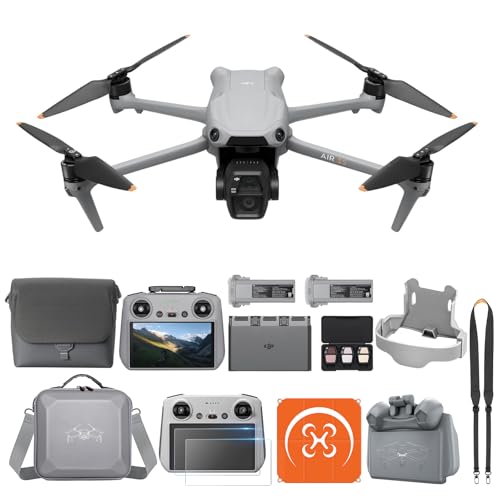
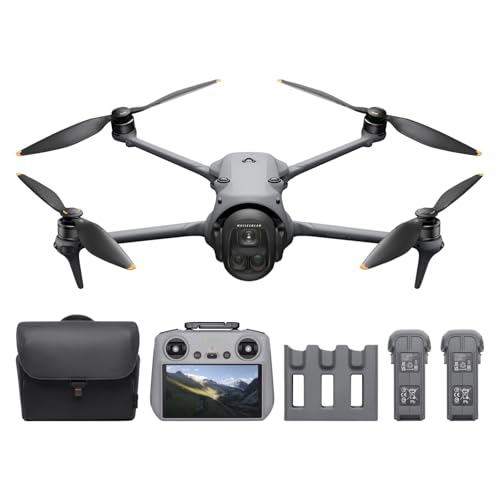
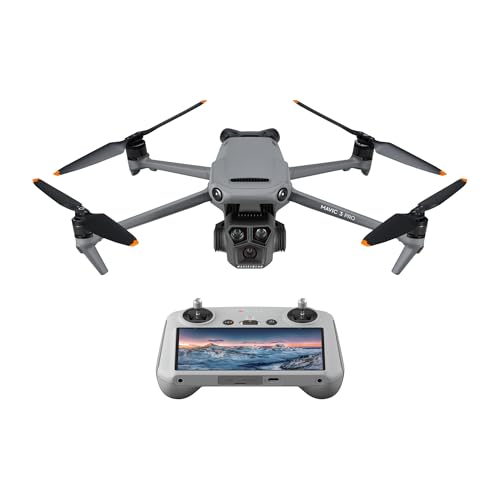
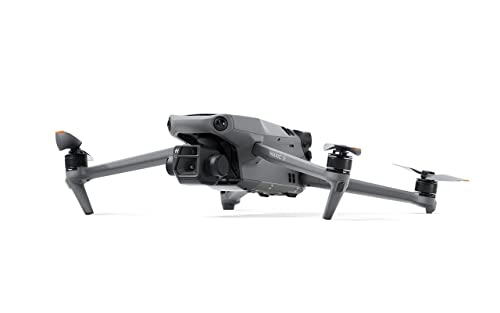
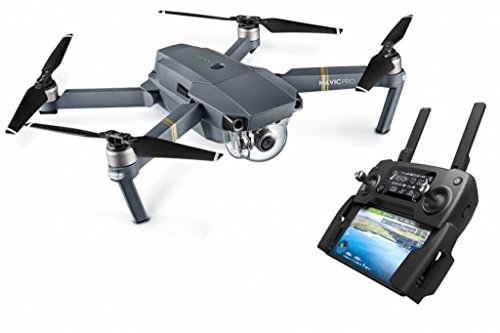
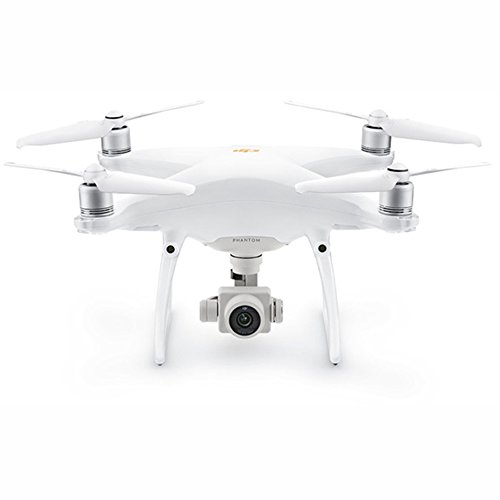
Which brands make the best big drones?
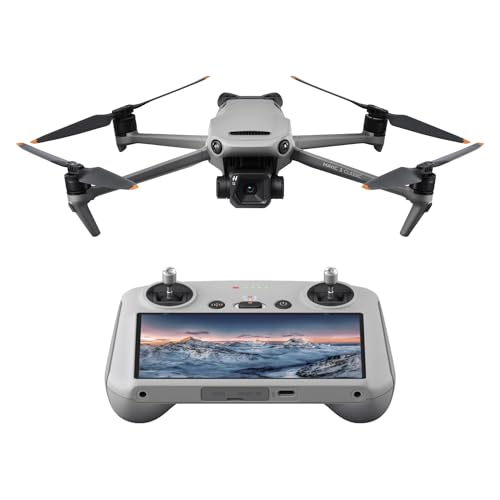
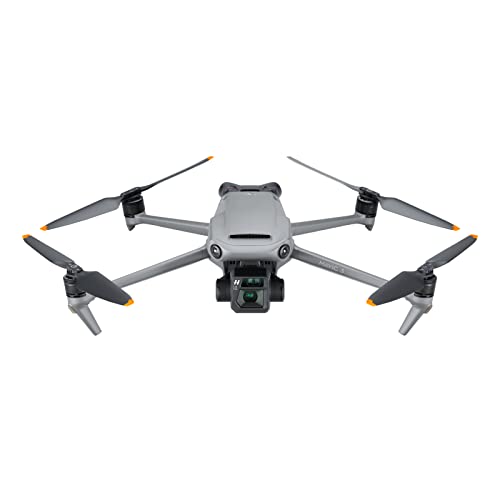
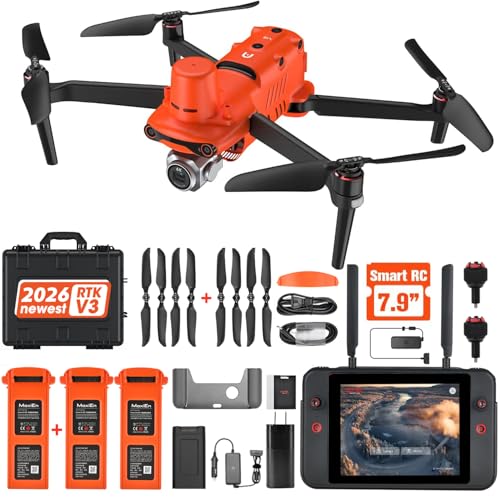
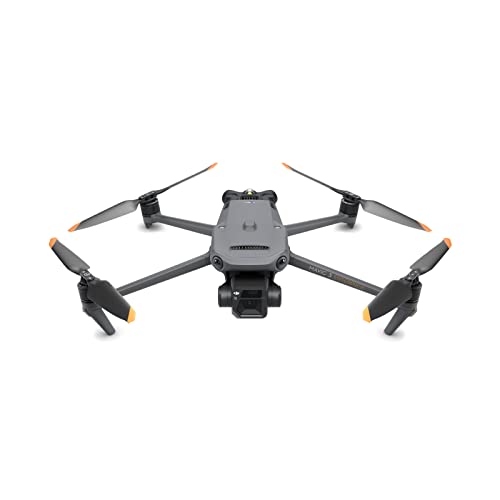
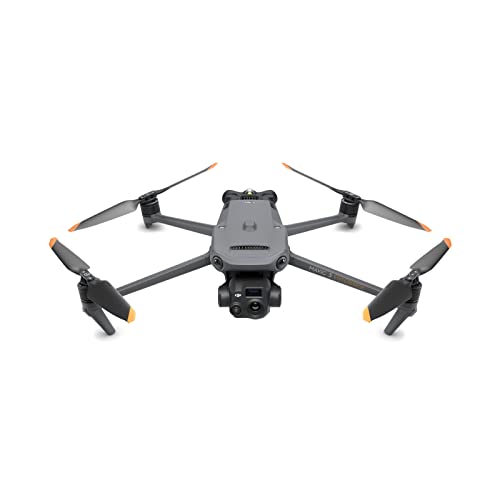
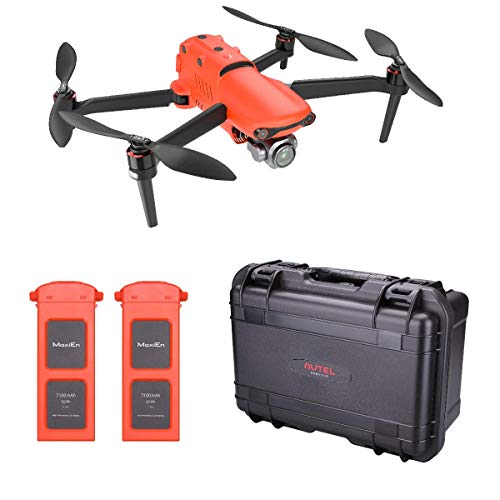
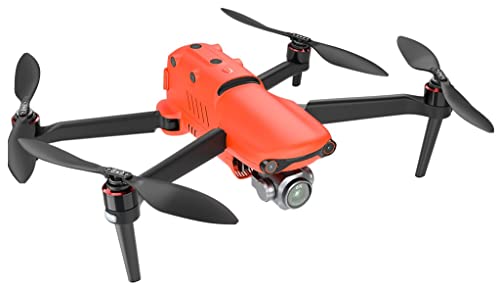
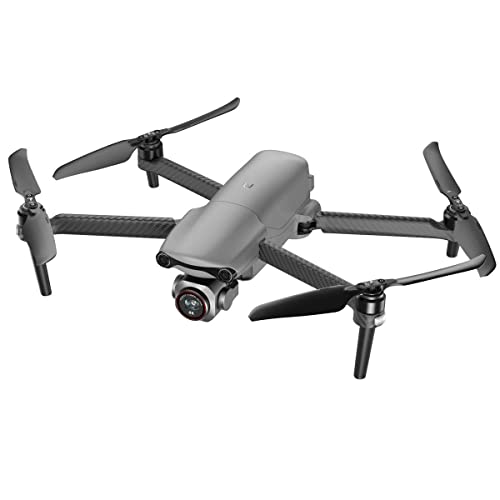
The best big drone brands are as follows:
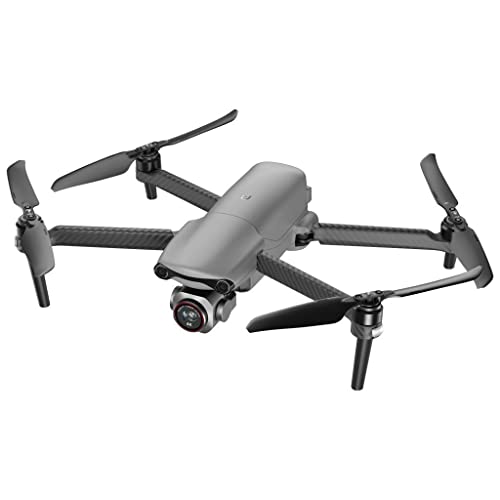
- Autel (Average overall score: 8.4)
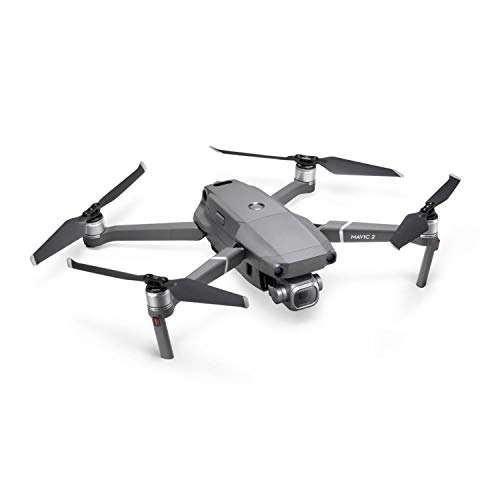
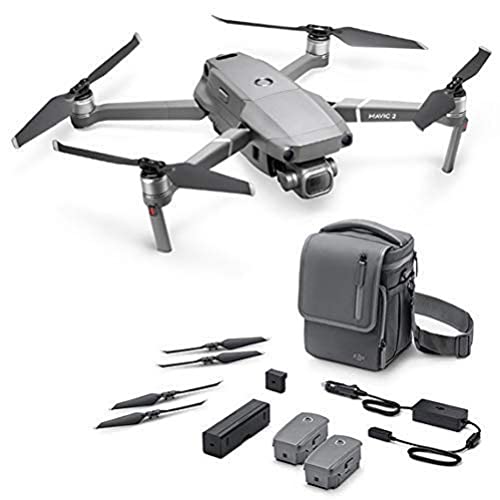
- DJI (Average overall score: 8.3)
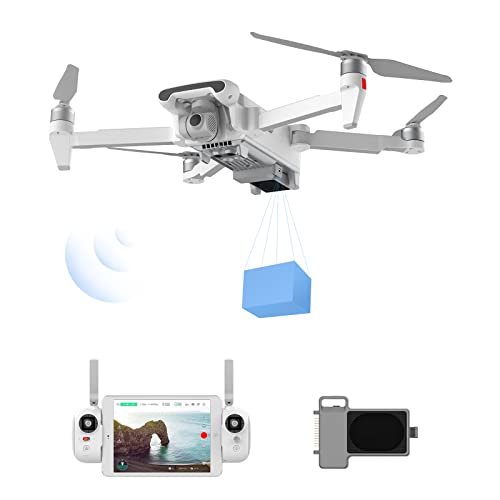
- Fimi (Average overall score: 7.5)
The chart below ranks big drone brands by average overall score.
[horizontal-chart-07549534087651334489069487844367254181860905311752]
Are big drones worth buying?
Big drones are worth buying when you need stronger wind stability, longer mission endurance, and higher camera consistency than lighter classes usually provide.
In practice, this segment is built more for serious production, inspection, and commercial work than for casual weekend flying. Heavier drones usually justify their size and cost when you need more stable flight in wind, stronger safety systems, and a camera pipeline that holds up in professional use.
The main trade-offs are higher cost, stricter legal obligations in many regions, and more complex operating workflows. If your flights do not need heavy-class stability or professional camera output, a lighter drone is usually the more practical choice.
The best big drone brands are as follows:
- Autel (Average overall score: 8.4)
- DJI (Average overall score: 8.3)
- Fimi (Average overall score: 7.5)
The chart below compares big drone brands by average overall score.
[horizontal-chart-13426124316166926931182486364134914289734191904853]
How much do the best big drones cost?
The best big drones usually cost about 700-£6,000, while the full spread in this class runs roughly from £130 to £6,000.
In practical terms, entry heavy models around 150-£600 are limited and usually less complete in sensors or camera workflow. The core professional tier is mostly around 700-£2,600, where wind stability, camera quality, and transmission reliability are stronger. High-end enterprise and cinema-oriented models often move toward 3000-£6,000 with better sensors, higher bitrate pipelines, and stronger safety systems.
Price differences in this class are driven mainly by camera system quality, transmission stack, obstacle sensing coverage, and enterprise software workflow support, not only by size or raw speed.
What flight time and range can big drones deliver?
Big drones typically advertise about 15 to 50 minutes of max flight time, with the class average close to 38 minutes.
Advertised max transmission distance reaches up to about 30 km, with many models clustered around low-to-mid double-digit kilometers. Real usable range is lower in dense urban interference, so line of sight and RF environment still matter more than headline maximums.
For mission planning, stronger models in this class are the ones that keep stable link quality and predictable endurance under payload, wind, and repeated takeoff cycles, not only the ones with the highest single-spec claim.
Max flight time distribution for big drones is shown in the chart below.
[vertical-chart-16726231983434630674176584017763970768311126885233]
How stable are big drones in windy conditions?
Big drones are usually more stable in wind than light classes because of higher mass, stronger propulsion, and better control systems.
In this class, stated max wind resistance is typically around 5 to 12 m/s, with many serious models concentrated around 10 to 12 m/s. Combined with takeoff weights around 0.9 to 2.0 kg, this gives noticeably better gust handling than sub-250 g drones in open terrain.
Even with stronger stability, safe operation still depends on pilot behavior, airspace constraints, and mission setup. For high-wind work, prioritize models with stronger wind specs and stable hovering performance before chasing top-speed figures.
What camera quality do big drones usually offer?
Big drone cameras are usually much stronger than entry and mini classes, especially in stabilization consistency and professional video workflow options.
Video output in this class commonly includes strong 4K modes, with higher tiers adding 5K, 6K, or 8K profiles. Most models in this set use 3-axis gimbal stabilization, which is one of the main reasons footage stays cleaner during motion and wind.
Bitrate capability is also higher in this segment, often starting around 60 Mbps and reaching much higher in premium models. In practical use, the best big-drone camera setup is the one that balances resolution, stabilization, and bitrate for the type of post-production you actually need.
The chart below shows video resolution distribution across big drones.
[pie-chart-11508913463777934472010851762902060155272378971062]
What legal rules should you check before flying big drones?
Before flying a big drone, you should verify registration, pilot competency requirements, operational category limits, and local flight-zone restrictions.
In this class, most models are around C2 or unclassified legacy profiles in the current data, and takeoff weights are well above the light-drone bracket. That usually means tighter distance, altitude, and risk-management obligations than mini-drone workflows.
Also verify mission-specific rules for people-overflight, urban operations, and any professional use case such as inspection or filming for clients. Legal compliance in heavy classes is not only a pre-flight checkbox; it should shape route planning, safety buffers, and insurance decisions from the start.